





























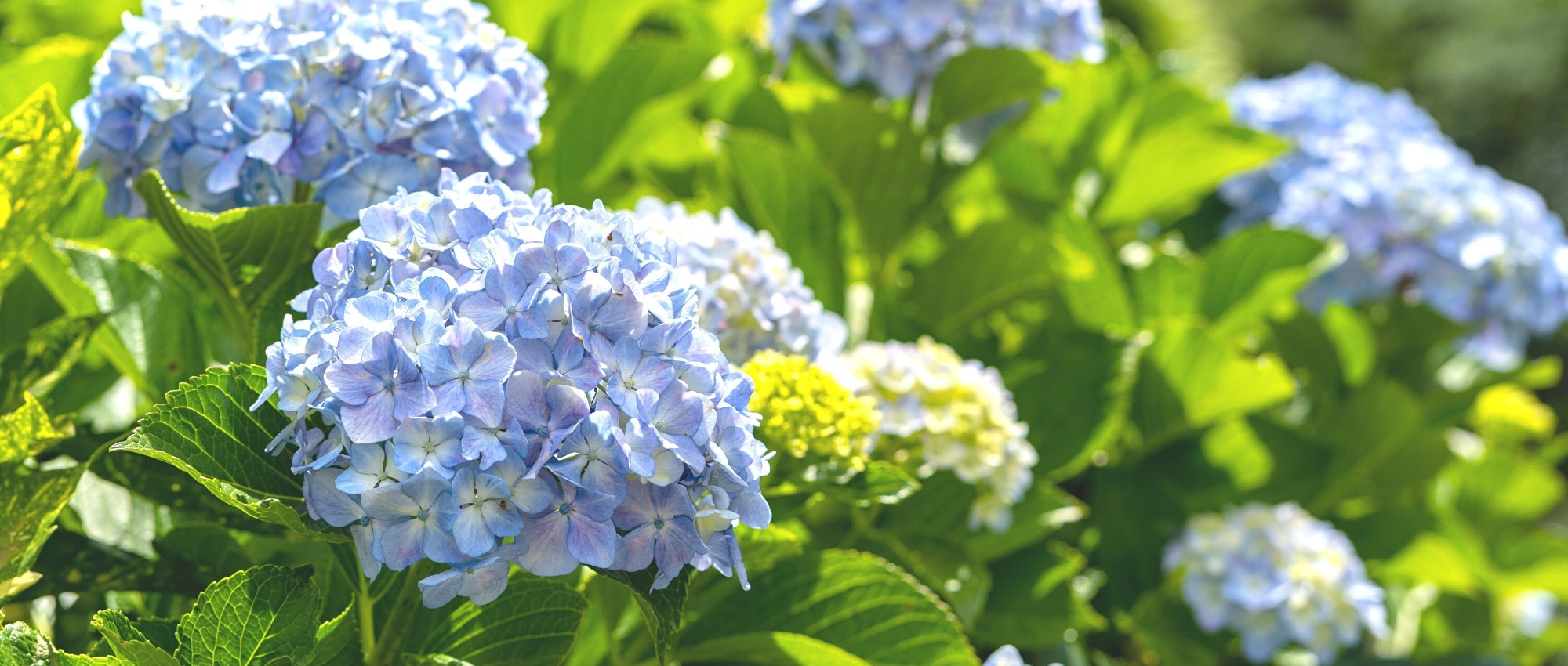
Hydrangea: how to save it after a heatwave?
Discover the actions to take to save your hydrangea!
Contents
Offering stunning inflorescences in shades most often of pink, mauve, or blue, as well as large and beautiful leaves, hydrangeas are highly valued bushes in the garden. When conditions are right, they provide generous, lush green foliage and beautiful inflorescences, but they generally fear heat and drought. After a lovely hot and sunny day, you may notice that your hydrangea looks sad, with wilted leaves, or even yellow and dry ones, scorched by the sun. Don’t panic; it is still possible to save it if you follow our advice. Act as quickly as possible to limit the damage. We present the steps to take to save your hydrangea after a heatwave!

Water generously
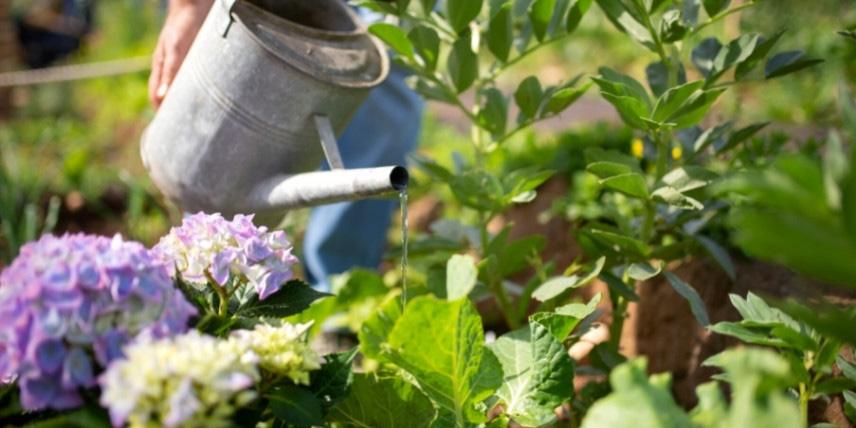
With the heat it has endured, your hydrangea is very likely thirsty! Don’t wait to water it generously, preferably with rainwater. Direct the stream at the base of the hydrangea, avoiding wetting the foliage. Indeed, water droplets on the leaves could create a magnifying effect that may scorch them. During heatwaves, it’s better to water daily, as the soil dries out very quickly in high temperatures. Be especially vigilant with hydrangeas grown in pots or containers.
We also recommend installing a layer of organic mulch (straw, dead leaves, wood chips, etc.) at the base of the hydrangea. This will help keep the soil cool for longer. You may also choose to let weeds grow, forming a plant cover that retains moisture.
Read also
Hydrangeas: planting, pruning and careRemove faded flowers
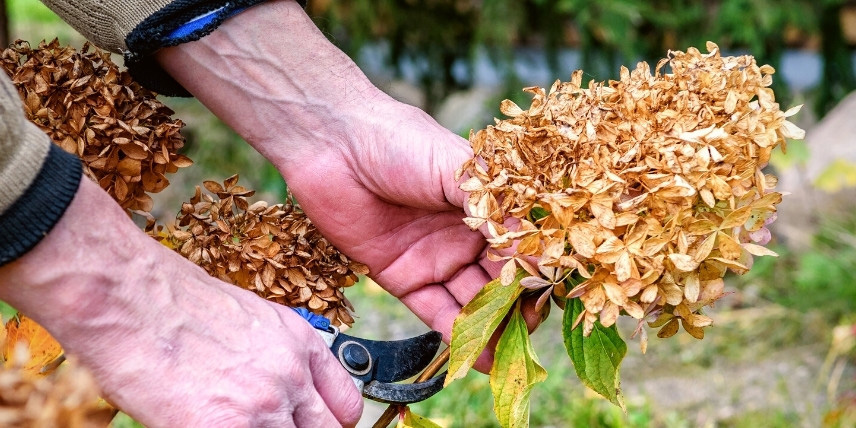
Heat and direct sunlight can scorch hydrangea flowers. Remove those that are affected as well as any that are naturally faded. This will allow the hydrangea to conserve its energy (as flowering and fruiting require a lot), focusing on its survival! For the same reason, if the hydrangea is in bloom, even if the flowers are not burnt, you can cut one inflorescence out of two. It’s better to sacrifice some to help the hydrangea recover!
Discover other Hydrangeas
View all →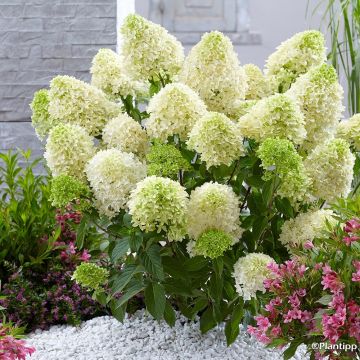
Available in 3 sizes
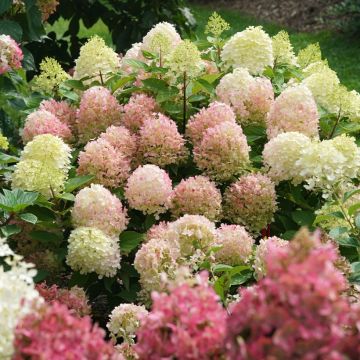
Available in 1 sizes
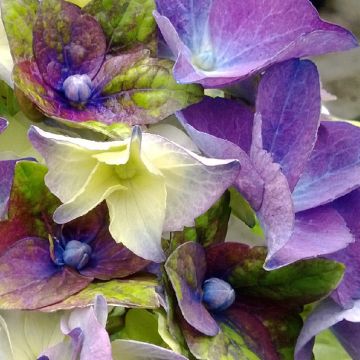
Available in 1 sizes
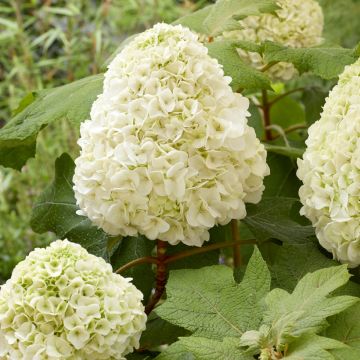
Available in 3 sizes
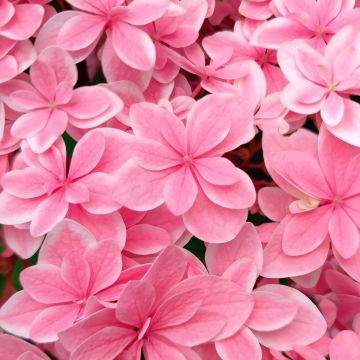
Available in 1 sizes
Available in 2 sizes
Available in 2 sizes
Available in 2 sizes
Available in 1 sizes
Available in 1 sizes
Prune to remove burnt stems and dry leaves
We advise you to carry out proper pruning to remove the blackened stems, which have been damaged by heat, and to keep only the green and vigorous stems. At the same time, remove any dry or damaged leaves (even if they are on still healthy stems). Once dried, they will not regain their original shape and serve no purpose other than to further weaken the plant. With this reduction, the hydrangea will have fewer branches and leaves to nourish, allowing it to concentrate its energy on the healthy parts to give them every chance to thrive.
Read also
Potted hydrangea: planting and careThe importance of growing in the right exposure
Hydrangeas do not all have the same exposure needs, and it is important to place them in conditions that suit them. Indeed, they can be divided into two groups:
- The Hydrangea macrophylla and H. serrata, which prefer shade.
- The Hydrangea paniculata and H. arborescens, which thrive in sunlight.
If you plant a macrophylla or serrata hydrangea in the sun, it may suffer from the first heat, with its foliage and flowers quickly getting scorched. The paniculata and arborescens hydrangeas will fare much better, but do ensure that the soil remains cool during heatwaves.
Prevention is better than cure! Take precautions to avoid overheating your hydrangeas (and other plants in your garden). In cases of intense sunlight and heatwaves, do not hesitate to install a shade cloth to protect them, at least during the hottest hours. Also, consider mulching around the base to keep the soil cool, and water regularly, preferably late in the evening or early in the morning.
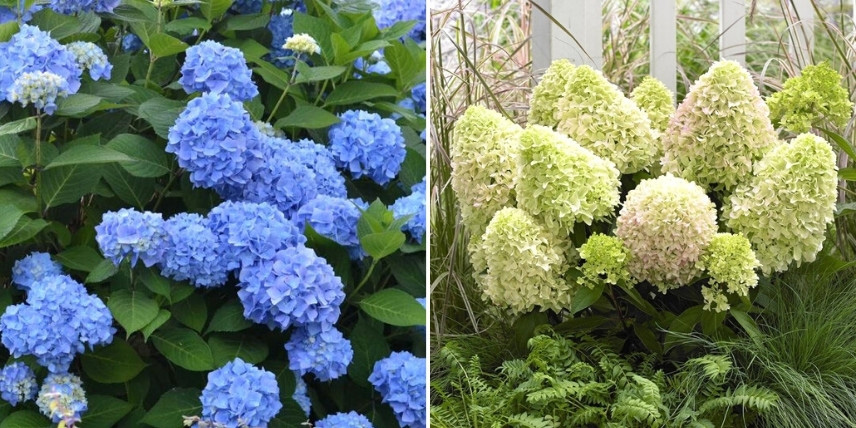 The Hydrangea macrophylla thrive in shade while Hydrangea paniculata prefer sunlight
Also to read
- For everything you need to know about growing hydrangeas, feel free to check our complete guide “Hydrangeas: planting, pruning and care”
- Discover Michael’s two articles on our blog: “Watering a garden during a heatwave” and “Heatwave: 10 tips to protect your plants”
- Subscribe!
- Contents
Comments