





























What to do in the garden in February?
First sowings, pruning and planting
Contents
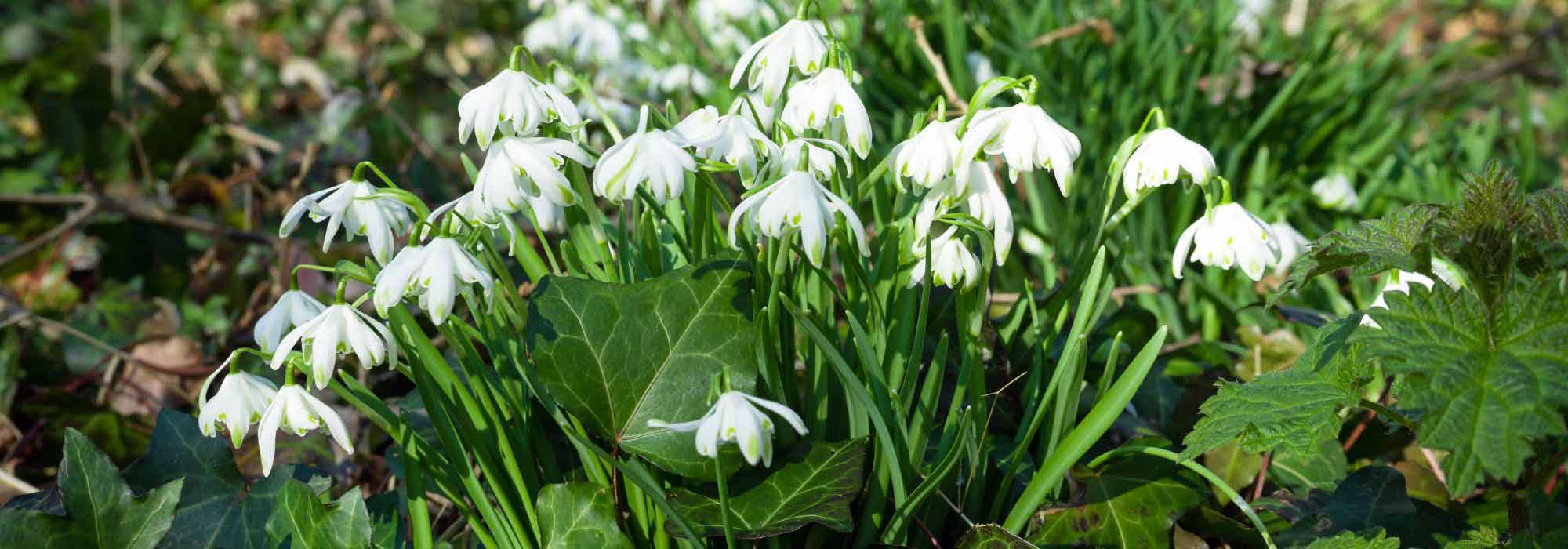
Little by little, the days are getting longer and there’s no shortage of work in the garden. In February, we look forward to spring; so we move, reorganise, prune, and amend… but beware, as February can be alternately mild or very cold, even if that doesn’t stop a few flowers from showing their petals, like crocuses, snowdrops, or winter jasmine…
What to do in the garden in February? Start the first sowing, improve the garden, prune, and plant! Let’s admit that we will always know what to do in the garden, even in the middle of winter.

On the side of trees, shrubs, and fruit plants
It’s the start of the catkin season, the flowering of willows, hazel trees (including the lovely Corylus maxima ‘Red Majestic’), and Garrya elliptica. Yellow, purple, silver… they are very decorative and spectacular under the winter sun! In mild regions, also enjoy the golden yellow pom-poms of the Mimosa, unless you plant it in a pot to shelter it from the cold in winter and enjoy it if you live north of the Loire.
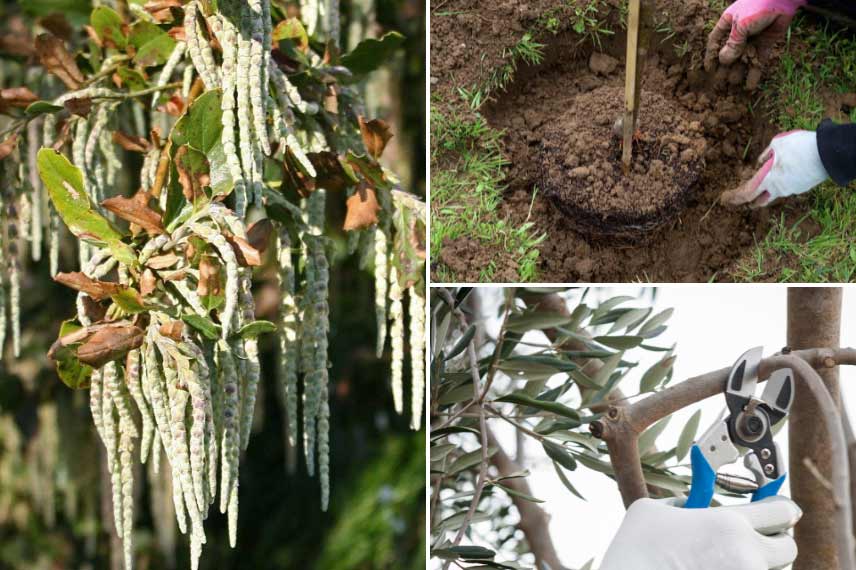
When Garrya elliptica blooms, it’s time to plant trees and prune olive trees
Ornamental Trees and Conifers
- Prune and trim trees, avoiding frosty days
- Some conifers, like creeping junipers, can become too invasive; trim them and seal the pruning wounds well
- Finish planting bare-root trees and continue planting those offered in pots. Avoid frozen or waterlogged soils
- If your garden is covered in snow, gently shake the evergreen trees to prevent the weight from breaking the branches
Fruit Trees and Berries
- Continue planting fruit trees and bushes during mild weather
- On your non-repeat-fruiting raspberries, if this year’s shoots are too numerous, keep only 10 to 12 vigorous shoots per linear metre and cut the tips. You can shorten the tips to two different heights, which will spread out the production. Cut the other stems back to the ground. For repeat-fruiting raspberries, trim the tips of the stems that fruited in autumn by half. They will bear new fruit early next summer. For more details, find our advice in “Pruning Raspberries: When and How?
- Prune pome fruit trees (until mid-March, before the sap rises): apples, pears, quinces…
- At the end of February, prune apricot trees: remove dead wood and damaged or broken branches; shorten the tips of most branches above a bud, keeping at least 3 eyes to encourage branching; remove crossing branches or those growing towards the centre of the tree to thin the canopy and remove suckers
- Also prune medlar trees (Mespilus germanica) after fruiting
- In regions with a mild climate, start pruning olive trees. The ideal time is around February-March, after the last severe frosts and before flowering
- Pruning blackcurrant or redcurrant bushes is important, as is that of cultivated blackberries, because the most fruitful branches are those that are 2 and 3 years old. It is therefore necessary to remove the oldest branches and encourage the appearance of new shoots. This pruning is done in winter, outside of frost periods, ideally in February. Take the opportunity to propagate them by taking cuttings of dry wood. Their branches also make excellent kindling for the fire
- Citrus trees should be pruned after fruiting, between February and April. This way, they will have time to produce new branches that will bear the next fruits. Avoid intervening during frost periods. Clementine trees need to be pruned every year, while orange and lemon trees can be pruned every year or every two years. Shrubs grown in pots require more frequent pruning than those in the ground.
Shrubs
- Plant shrubs as bare roots or in containers, as well as hedge shrubs
- Continue transplanting shrubs that need to be moved
- Prune summer-flowering shrubs and autumn-flowering shrubs. Keep an eye on the resumption of vegetation and observe the phenological indicators: this is the best guide to know if you can start your gardening tasks, depending on your climate. For example, prune summer spiraeas back to 15 cm and thin their centre. Also prune Hibiscus syriacus or Buddleias that will flower on this year’s shoots
- Cut back decorative dogwoods (Cornus alba, Cornus sanguinea…) as well as goat willows (Salix caprea) and the shrimp willow (Salix integra ‘Hakuro Nishiki’) to obtain new coloured stems, as the bark discolours as the wood ages: cut back old stems close to the stump, more or less short depending on the desired shape
- Willows, coloured dogwoods, spiraeas, elder, forsythia, figs, bush honeysuckle, deutzia, mock orange…: take advantage of this period of vegetative rest to take cuttings of dry wood and multiply your favourite varieties
- Clean the clumps of hydrangeas by clearing the centre and cutting back dry stems
- Add well-matured compost at the base of flowering shrubs
Read also
What to do in the garden in January?Perennials, bulbs and climbing plants
Perennial Plants
- Do you need a little help sketching out your new borders and preparing your orders for perennial plants? Use our Plantfit app and the advice from the articles: “Perennial Plants: How to Choose” and “How to Create a Beautiful Perennial Border?
- In mild weather, go ahead and plant perennial plants and ornamental grasses
- You can still plant those available as bare roots, such as peonies, to enjoy their beautiful flowering in spring. Remember to stake them as soon as you plant them to keep them upright despite the weight of their generous flowers.
- Divide perennials that have become too large or that you wish to multiply in the garden.
- Alternatively, root cuttings allow for easy multiplication of most established perennials in the garden, such as phlox, yarrow, Japanese anemones, astilbes, peonies, campanulas, echinaceas, hardy geraniums, acanthus, gaillardia, Oriental poppies, thistles, daylilies, bee balm, etc. One of the best times for this is February, during the plants’ dormant period. Not familiar with this easy technique? Follow our advice in the dedicated sheet.
Bulbs
- You can start most summer bulbs (lilies, dahlias, cannas, gladioli, colocasia, caladium) by planting them in pots under cover from frost as early as February-March; this will accelerate their cycle for transplanting into the garden when the weather improves. Find our explanations to help them bloom earlier using this method.
- Replant deflowered hyacinths in the garden.
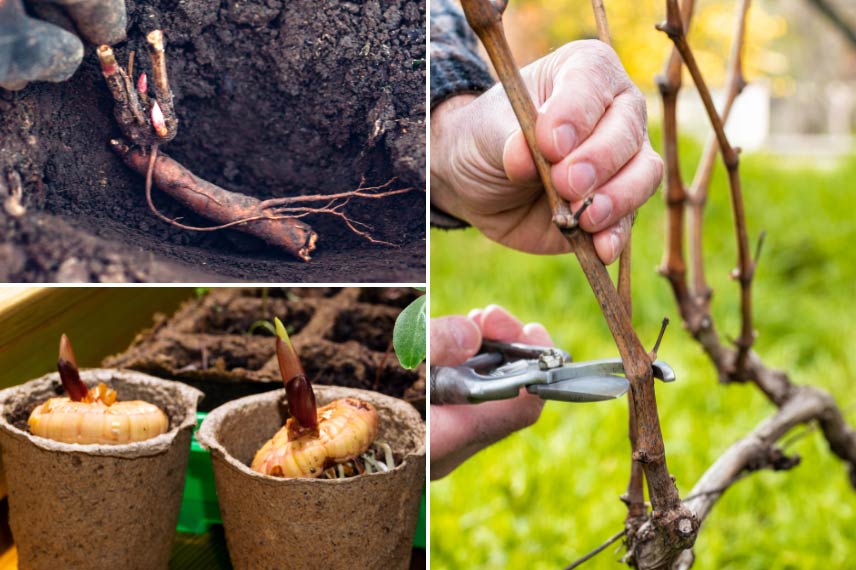 In February, plant bare root perennials, start summer bulbs under cover, and prune the vine.
Climbing Plants
- Plant climbing plants if it is not freezing.
- Prune wisteria to give it a balanced shape.
- Prune summer-flowering clematis.
- Carry out winter pruning of kiwis by following our advice.
- Prune Virginia creeper: the foliage has not yet resumed, and the branches are more apparent. This will simplify pruning and limit its growth.
- Prune the fruit vine (Vitis vinifera) between mid-February and mid-March, as the sap rises very early in these plants.
Roses
- Plant bare root roses (until the end of March), waiting a few days if it freezes or if your soil is waterlogged due to heavy rain. For this, it will be necessary to place them in a heel. Before planting: dress the roots by slightly shortening them and cutting any damaged ones, and coat them with pralin before putting the roses in the ground. The quality of the holes will determine the proper development of your roses: they should be deep and wide enough (50 to 60 cm) to accommodate the roots properly and allow them to develop easily. Consider spreading a layer of gravel at the bottom of the hole if your soil is not sufficiently draining and adding compost at planting.
- You can also, of course, plant roses sold in pots.
- The transplantation of your roses can be done until March, during the dormant period.
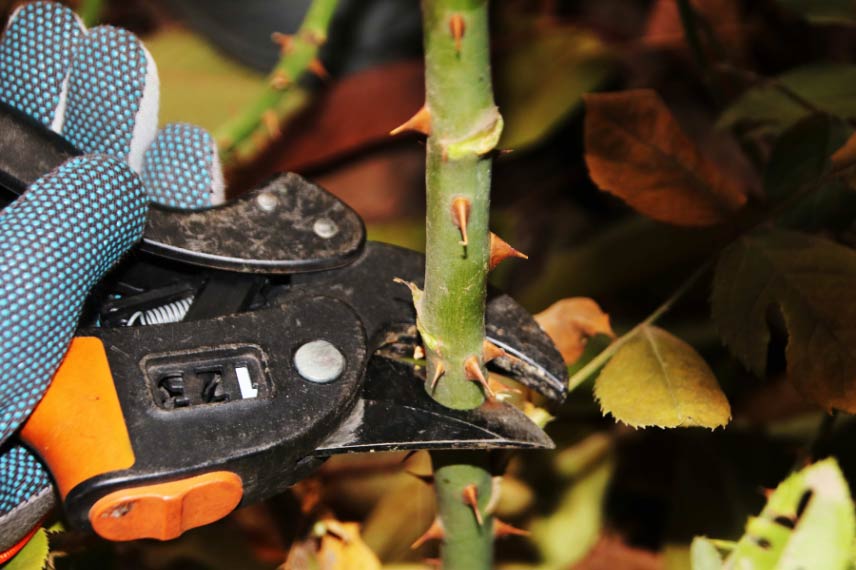
- The period for pruning roses that are repeat flowering bush or climbing types is at the end of winter or the beginning of spring depending on your climate. The ideal time is just before the vegetation starts again, when you see some buds swelling. Use clean, sharp pruning shears and cut at an angle 2 cm above a well-oriented eye facing outward.
Read also
What to do in the garden in winter?Annuals and potted plants
- Leave the protections on your most delicate plants and remove any dead leaves that are rotting. If you uncover them a bit during sunny days, remember to replace their protections at the end of the day.
- Repot the begonias sown in January.
- Sow sweet peas, poppies, and delphiniums in a sheltered position.
- If it doesn’t freeze, plant biennials such as pansies, primroses, or wallflowers.
- Remember to take out or air your wintered plants (citrus trees, cacti…) if it doesn’t freeze and don’t forget to monitor their watering.
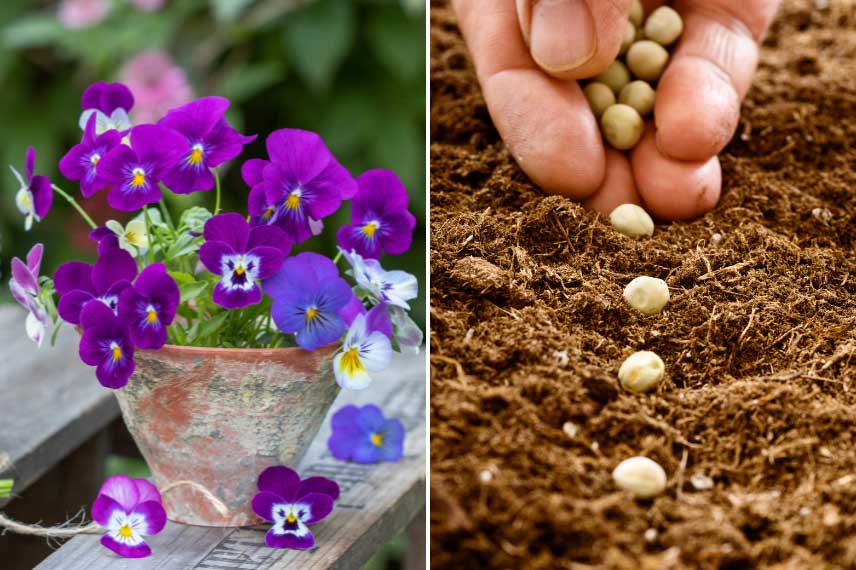
Plant pansies and start sowing sweet peas
In the vegetable garden
February marks the return to the vegetable garden. The frost of January, combined with the thaw, gives the soil an ideal texture. It almost feels like spring, and the first plantings can finally begin: sow fruit vegetables in a warm shelter and leafy vegetables directly in the ground!
Vegetables to plant in February, sowings and tasks to undertake:
- Organise your purchases of vegetable seeds
- Onion seeds germinate in cold, frost-free conditions: you can sow them in February, preferably under a tunnel. Germination will occur 10 to 12 days later.
- Sow the earliest lettuces in well-prepared soil, spacing the rows about 20 cm apart. Remember to stagger your sowings to spread out your harvests.
- From February, you can sow round and early varieties of radishes (long varieties will be sown from mid-March).
- Sow peas (under tunnel in colder regions) in groups of 3 seeds at a depth of 2 cm, spaced 30 cm apart.
- The first sowings of early tomatoes can be done in a heated room at temperatures between 20 and 22°C. It is also possible to sow sun vegetables like aubergines, peppers, and chillies if you intend to grow them in a greenhouse. For this, sow in warmth or in a mini-greenhouse that will replicate ideal conditions for good germination and place your sowings in a bright location:
- Ventilate artichokes by removing their protection on sunny days.
- Plant pink garlic, shallots, and onions in rows spaced 20 cm apart.
- Start chitting potatoes. To harvest early potatoes, choose early varieties.
- Plant asparagus in light, well-prepared soil and mound the clumps from previous years.
- Loosen the surface of strawberry beds.
- Sow early leeks at the end of February.
- Sow carrots under frames. Mix in some radish seeds: they will germinate quickly, and you can consume them before the carrots take up all the space.
- Sow broad beans in mild regions.
- Divide rhubarb plants.
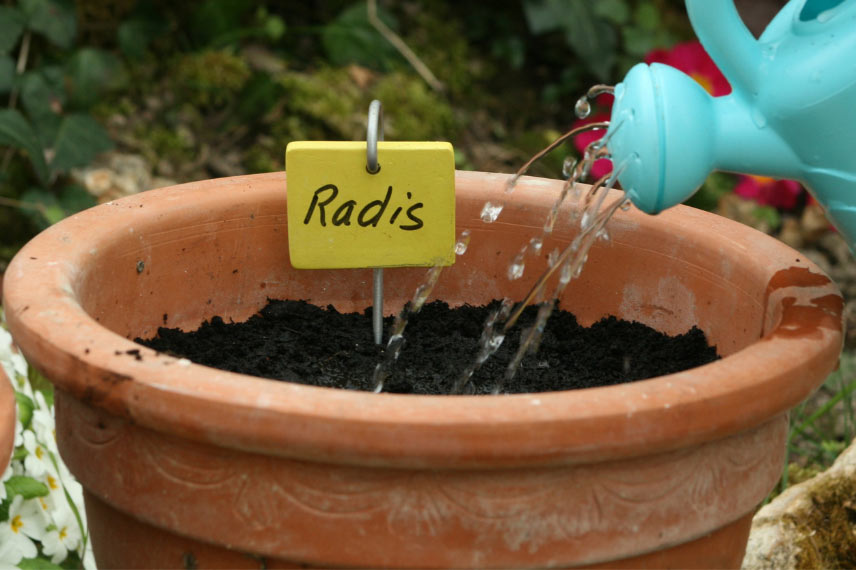
Lawn and various works
Lawn and Flowering Fallow Land
- Eliminate moss on the lawn by spreading wood ash
Various Garden Tasks
- Ensure you retain heat in the greenhouse during winter and remember to close the vents at the end of the day
- Clean and disinfect your pots and supports in preparation for spring
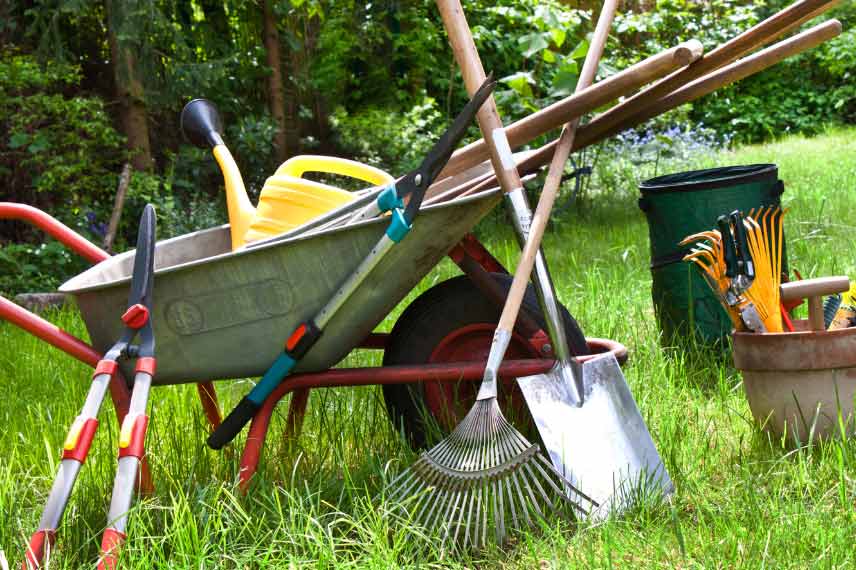
- Find our tips for cleaning, maintaining, and protecting your gardening tools before the return of fine weather

- Subscribe!
- Contents

Comments