





























Vermicomposting: 5 mistakes to avoid for a successful vermicompost
Recycle your organic waste with a vermicomposter.
Contents
Vermicomposting or vermicomposting is an eco-friendly and effective method for recycling organic waste, transforming kitchen and garden scraps into a 100% natural fertiliser rich in nutrients. This composting process is carried out by certain worms. It results in a healthy, balanced soil amendment for plants, the vegetable garden or lawn. Let’s discover how to avoid common mistakes to succeed with your vermicomposting and benefit from this black gold for healthier and more sustainable gardening!

What is vermicomposting?
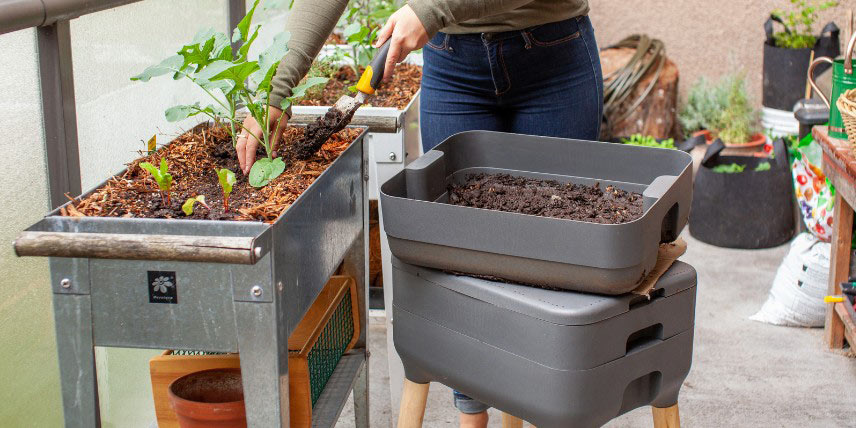
Vermicomposting relies on the use of worms to decompose organic waste, mainly from the kitchen. In a vermicompost bin, compost worms can decompose most foods (peelings, eggshells, coffee grounds…), the household waste known as organic waste or biodegradable waste. Their castings, called “worm castings”, form a dark-coloured compost, a kind of potting compost, odourless, rich in essential nutrients such as nitrogen, phosphorus and potassium, in humus, in enzymes and in beneficial micro-organisms for plant health. This compost improves soil structure by increasing fertility and its water-retention capacity. Used neat, this 100% natural fertiliser can be used to top-dress seedlings or to transplant vegetables and accompany plantings in the garden as well as in the vegetable patch. Through this process, a fertiliser in liquid form, highly concentrated, is also obtained, called ‘percolate’, ‘compost tea’, ‘worm tea’ or ‘vermicompost tea’, concentrated in the bottom layer of the container.
This method is a simple way to dispose of a good portion of kitchen and garden waste throughout the year without clogging up your bins. Vermicomposting encourages a sustainable gardening cycle: throughout the year you have completely free access to a natural fertiliser without sending your waste to incinerators, major sources of CO2 emissions.
Choosing the wrong type of worm.
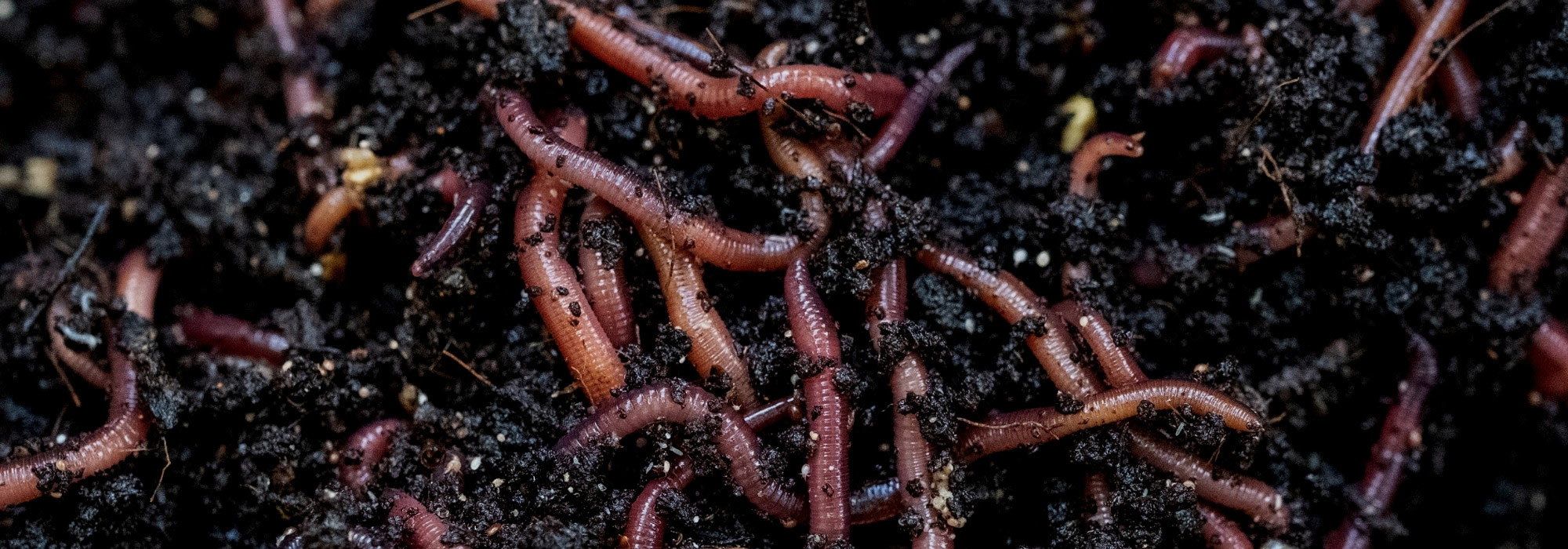
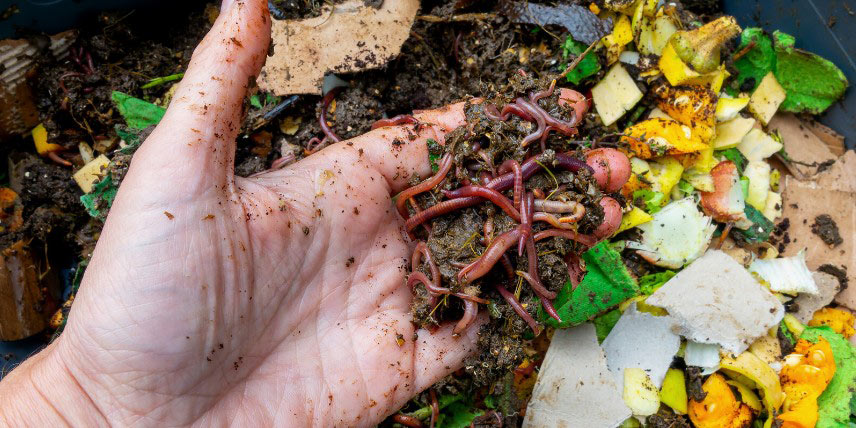
Choosing the right worms is crucial for effective vermicomposting. The red wiggler worms (Eisenia foetida) and the California red worm (Eisenia andrei) are best suited for this task. The best approach is to have both species in the vermicomposter. They are chosen for their ability to consume and digest a wide range of organic materials quickly. These worms live near the surface. 500 g of worms can degrade around 250 g of waste per day. Fond of decaying matter and fresh organic matter, these compost worms are able each day to eat their weight in food. They rapidly transform kitchen and garden waste into nutrient-rich compost with a pleasant odour. Their tendency to live in high-density conditions and to produce significant quantities of worm castings (their droppings) rich in nutrients makes them indispensable for vermicomposting. Choosing the wrong type of worm can lead to inefficient breakdown of waste and compromise the quality of the compost produced.
Do not balance organic-waste inputs.
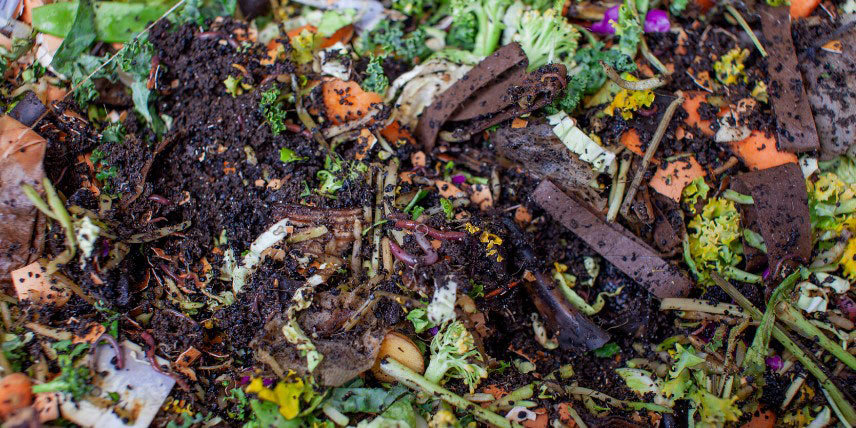
In vermicomposting, balance is everything. An imbalanced feed, characterised by overfeeding or the use of unsuitable waste, can disrupt the composting process. Worms require a balanced mix of green waste rich in nitrogen, such as fruit and vegetable scraps, eggshells, coffee grounds, lawn clippings and brown waste rich in carbon, such as cardboard, paper and dry leaves. Too much green waste can lead to excess moisture and bad odours, while too much brown waste can slow the composting process. To avoid these problems, it is crucial to add waste in adequate quantities (50% nitrogen-rich materials to 50% carbon-rich materials) and to regularly monitor the balance of the compost by respecting the carbon-to-nitrogen ratio, and the overall acidity. Indeed, the compost pH should remain relatively neutral (around 7). If it becomes too acidic, adding eggshells will help restore the balance. There are also foods to avoid to prevent your worms from bolting, such as citrus leftovers, meat or alliums (garlic, onions, shallots), worm repellents.
Read also
Vermicompost, midrib practicalDon't worry about humidity and aeration.
The success of vermicomposting also depends on managing moisture and aeration inside the vermicompost bin. Neither too dry nor too wet, this is one of the keys to success! An adequate moisture level (between 75% and 85%) is essential for the survival and activity of earthworms. The moisture content of vermicompost must be carefully managed. A compost that is too dry can slow their activity and reduce compost quality, while excess moisture can create anaerobic conditions, promoting mould growth and the death of earthworms. Adjust the moisture of the vermicompost by spraying a little water or adding dry material, as needed. Good aeration is just as important for maintaining a healthy environment. A well-aerated vermicompost bin prevents the build-up of toxic gases and ensures efficient decomposition. It needs oxygen to operate and should be placed in a well-ventilated location. In case of excessive moisture, you can partially open the vermicompost bin to aerate it.
Exposing the vermicompost bin to heat or cold.
It is important to tailor vermicomposting to climate conditions to ensure the health and efficiency of the worms used in the process. Compost worms are sensitive to extreme temperatures, whether it’s extreme cold or excessive heat, and perform better in moderate conditions. The optimum temperature for the health of compost worms lies between 15°C and 25°C. The vermicomposter should be protected from rain and from scorching sun. In winter, the container may require additional insulation or be moved indoors to protect the worms from frost. In summer, adequate shade and sufficient ventilation are needed to prevent overheating and dehydration of worms.
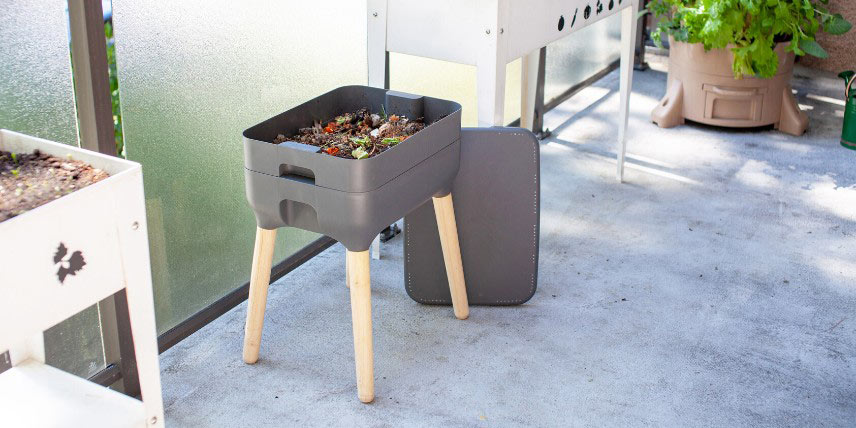
The best is to place the vermicomposter in a location where it will not be subjected to either excessively high temperatures or frost. Also remember to close the top with a lid.
Failing to monitor its proper functioning.
Regular monitoring and maintenance are essential to quickly detect and resolve any problems that may arise in the vermicomposter. This includes checking the feeding balance, moisture, aeration and temperature. To ensure a continuous production of quality compost:
- Regularly collect worm tea or percolate, the liquid fertiliser drawn from the base of the container, to prevent excessive moisture and overcrowding of worms in the vermicomposter.
- Regularly add organic matter and dry wastes such as cardboard, wood chips or shredded straw.
- Worms need to be fed, but not too much. Manage feeding relative to the worm population to avoid unwanted odours.
Here are a few additional tips to help you vermicompost successfully:
- Start with a small vermicomposter to familiarise yourself with the process.
- Add waste gradually, cut into small pieces to the vermicomposter, ensuring it is not too full.
- Ensure the vermicompost is moist, but not waterlogged.
- If the vermicompost becomes too warm, add brown materials to cool it down.
- If the vermicompost becomes too dry, spray a little water, taking care not to drown the worms.
By following these tips, you can produce a natural soil amendment to enrich the soil of your vegetable plots, containers or flower beds in an environmentally friendly way.
- Subscribe!
- Contents
Comments