





























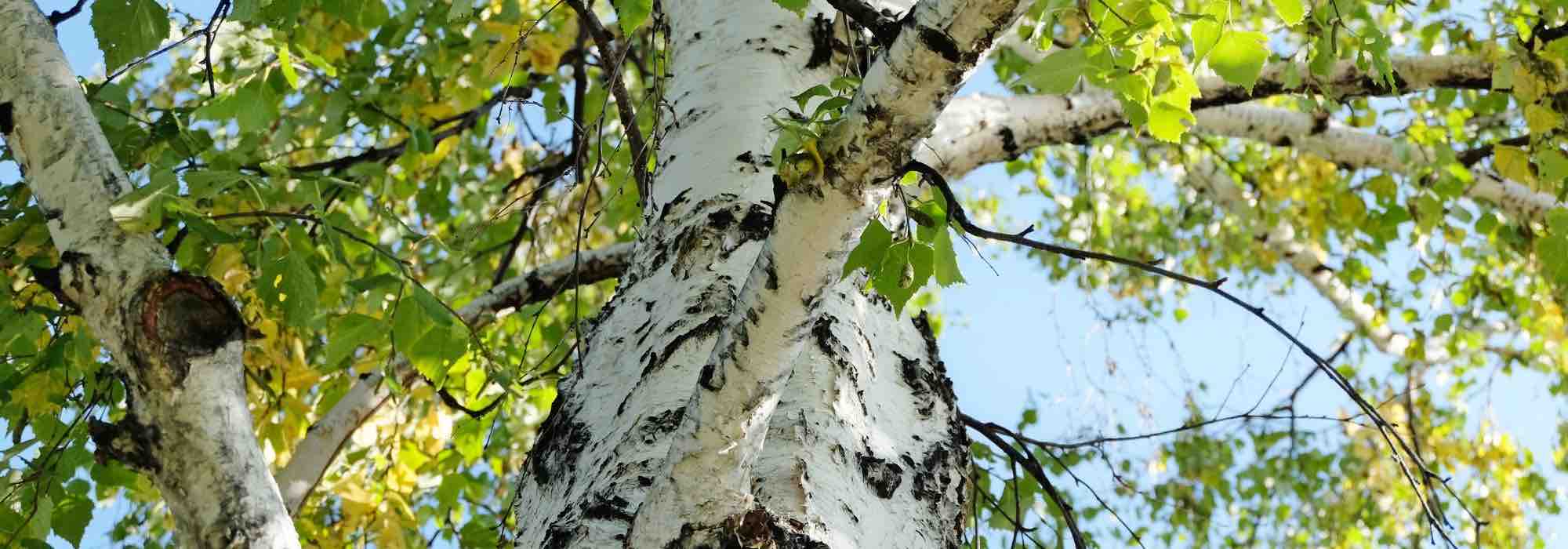
Spotlight on pioneer plants, valuable for biodiversity
Discover pioneer species and their ecological role.
Contents
Still relatively little-known, pioneer plants—or plant species—are, however, key players in ecology and biodiversity. They are, in fact, the first plants to establish themselves in bare, newly formed or damaged spaces, where conditions for vegetation development are harsh or have been disrupted by natural or human events, such as fires, volcanic eruptions, deforestation or flooding. Particularly hardy, pioneer plants recolonise these infertile environments and trigger a process of restoration and repair of the natural environment, preparing the ground to welcome a return of wildlife and flora. Among pioneer plants, mosses and lichens are particularly common, but grasses, brambles, or plants growing in dunes are also found. Discover pioneer plants, their essential role in ecosystems, their exceptional characteristics, and the main species you may encounter.

What are pioneer plants or pioneer species?
Pioneer plants are the plant species that are the first to establish themselves in a bare or degraded area damaged by events devastating to flora and fauna, such as deforestation, fires or volcanic eruptions. Among these bare or degraded spaces, there are also environments devastated by avalanches, erosion, floods, or former abandoned industrial sites, where nature will gradually reclaim its rights after several successional stages. Natural environments in extreme living conditions such as mountains, cliffs or dunes also form part of the areas where pioneer plants will develop.
These environments with extreme or degraded conditions have very shallow soil, or none at all, with little or no organic matter, little water, little light—in short, poor conditions for plants to establish themselves. Pioneer plants will restore the ecosystem of these different environments, subsequently enabling plant and animal life to return to these lands, where it is currently difficult for them to thrive.
Role in ecology
Contributing to rebuilding an ecosystem on degraded land, pioneer plant species play different roles. They notably stabilise and rebuild the soil in cases of erosion, supply it with nutrients, and improve living conditions, such as exposure to light and to winds, as well as regulating temperature. They thus recreate the conditions favourable for the establishment of flora and fauna. This stage is the very first step that will trigger a succession of ecological states leading to the reconstruction of an ecosystem and a natural medium, potentially even culminating in the establishment of trees and a forest.
Pioneer plants can intervene in two main cases: a primary succession and a secondary succession. Primary succession corresponds to a medium where the soil is virgin, which is the case on a lava flow, an eroded soil or one that has disappeared because of natural or human events. Secondary succession designates the mediums degraded by events, but where the ecosystem has been destroyed without completely disappearing. There remain vegetation or organic matter that can be used by pioneer plants.
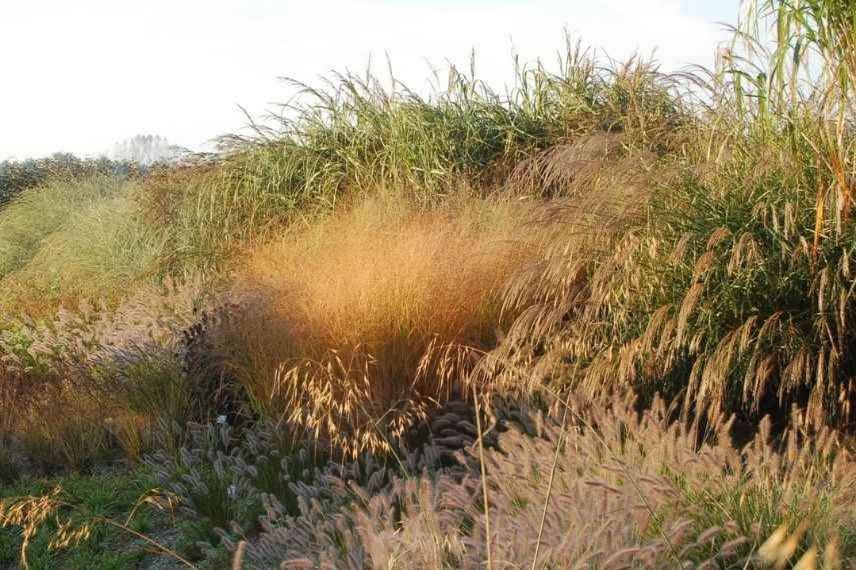
Grasses have many qualities that make them pioneer plants
Characteristics of pioneer plants
Pioneer plants possess unique and exceptional characteristics that enable them to survive and thrive in harsh conditions. They have a high capacity to adapt to difficult environments.
Among these characteristics are rapid growth, small, hardy seeds capable of remaining dormant in the soil for long periods before germinating, and deep root systems to access water and nutrients in poor soils. These plants are able to produce a large quantity of seeds with efficient, wind-driven dispersal, as insects are absent from the bare environment they colonize.
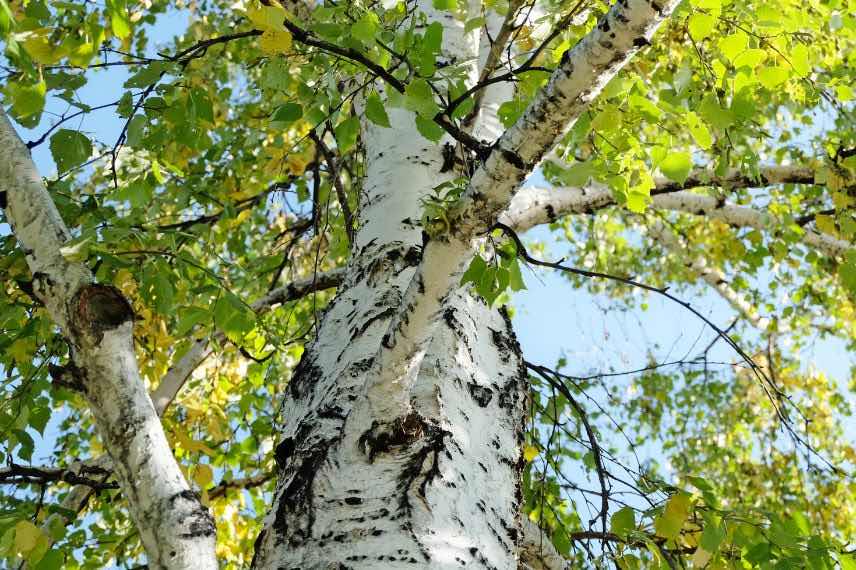
Birch is among pioneer tree species
Read also
What to plant after a fire?Examples of pioneer plants
In spaces with no fauna, flora, seeds and, at times, with eroded or almost non-existent soil, and with no organic matter in place, the conditions for colonisation are the most challenging. This type of space is colonised by lichens that live on rocks and have the ability to decompose minerals to create soil and organic matter. Grasses then establish themselves in this type of habitat. In lands devastated by a volcanic eruption, one can cite the mosses, which are seen covering lava fields in Iceland, for example.
In natural spaces that already exist but have been degraded by a fire, deforestation, flooding or a volcanic eruption, fauna and flora have disappeared, but the soil has remained. The conditions for plant colonisation are easier. The ecosystem can regenerate from the roots or seeds that remain in the soil. In this type of terrain, pioneer plants can be birches, pines, grasses and alders.
Among pioneer herbaceous plants, dandelion and clover are also among the first to appear in disturbed areas. In cases of extensive tree felling, Clematis vitalba is among pioneer plants that colonise the habitat in temperate regions. Brambles are also found.
Among shrubs, pioneer plants include the broom and the gorse, as well as the sloes, the sea buckthorn and the dog roses.
Among the trees, the birch and the willow are plant species adapted to the rapid colonisation of new spaces.
→ Also read: 15 pioneer plants for a garden more resilient to climate extremes.
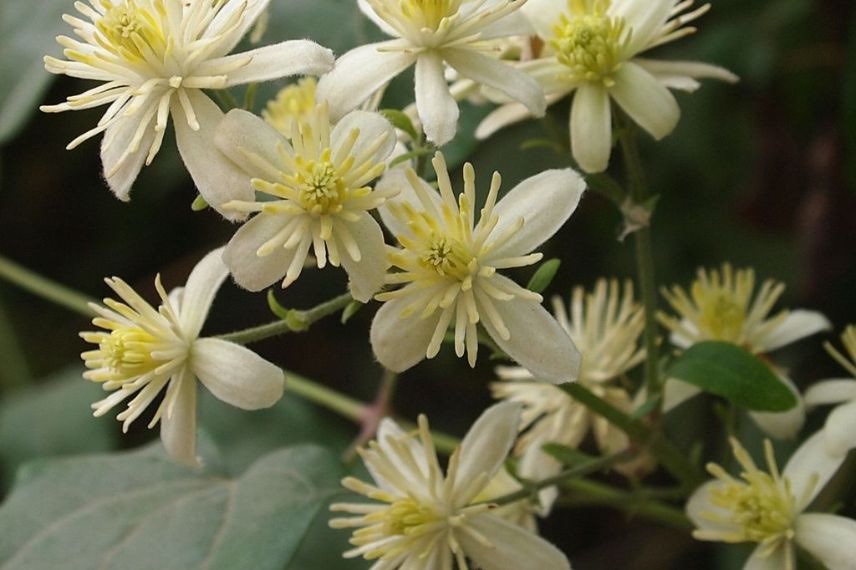
The Clematis or Clematis vitalba
Habitat restoration
In ecological restoration, pioneer plants are often the first to be introduced into degraded areas. Their ability to improve soil conditions is exploited to facilitate the growth of more sensitive species. In reforestation or renaturation projects of industrial sites, their role is crucial in establishing the foundations of a healthy and diverse ecosystem. Once the medium has been restored, pioneer plants are replaced by others that require better living conditions to establish themselves.
The restoration of an ecosystem goes through several stages. It begins with the establishment of herbaceous plants, followed by the arrival of shrubs, then bushes and finally trees.
Contribution to biodiversity
Pioneer plants are fundamental to biodiversity. By creating new habitats, they foster the return and diversity of plant and animal species. Their presence attracts pollinators, birds, and even mammals, enriching the ecosystem. Their disappearance or absence in an environment can significantly delay or hinder the natural restoration of an ecosystem.
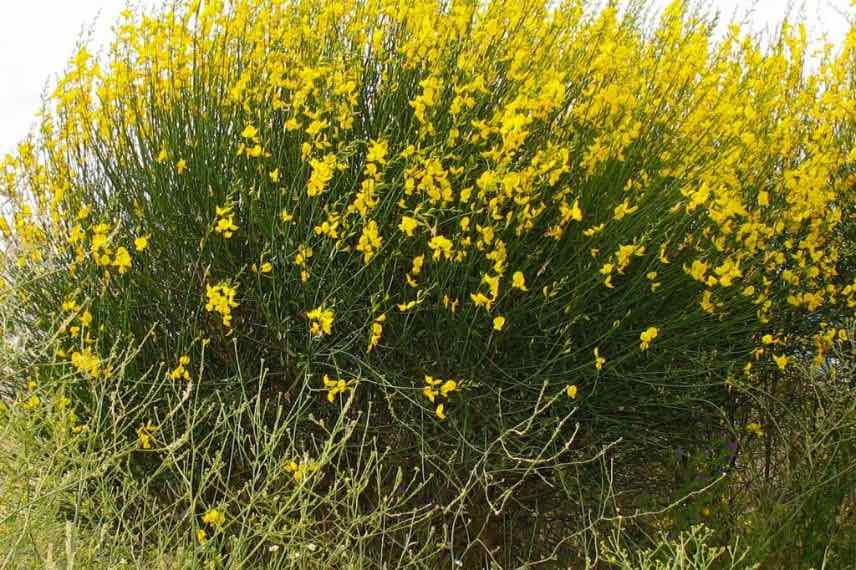
The gorse
Ecological importance
In ecology, pioneer plants are studied for their ability to withstand and adapt. They are indicators of ecosystem health and models for understanding ecological resilience. Their study provides valuable information about the processes of succession and ecological restoration, essential in the context of climate change and habitat degradation.
- Subscribe!
- Contents
Comments