
























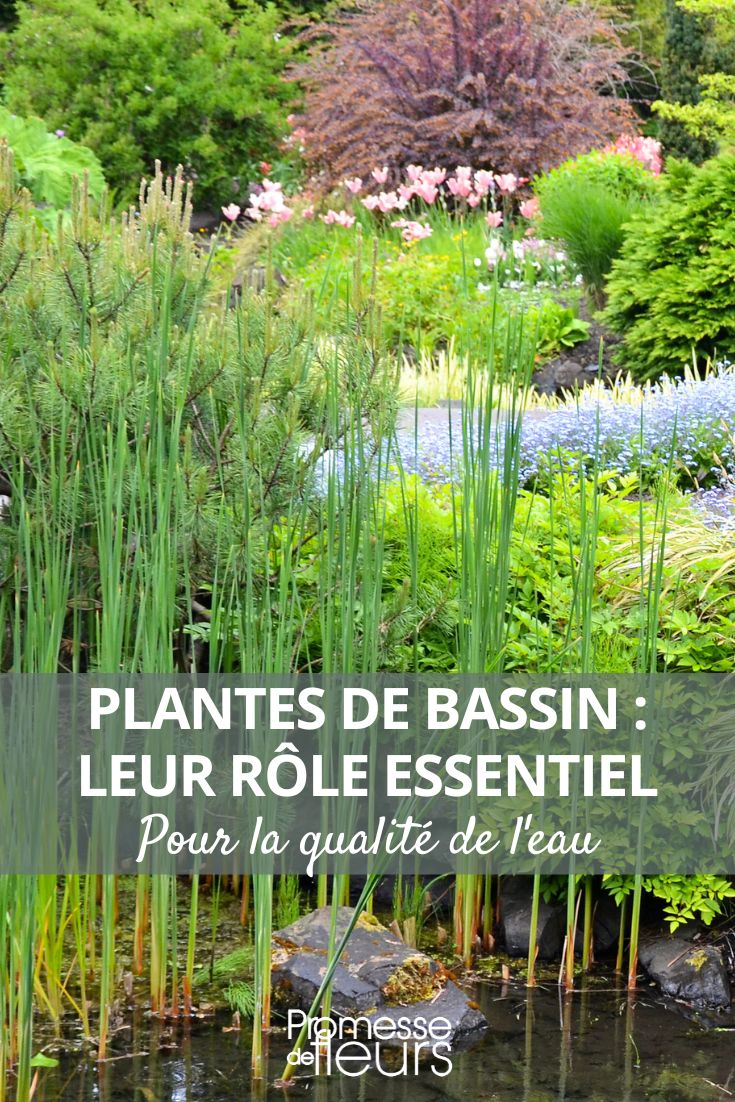
Pond plants: discover their essential role in water quality
The key role of aquatic vegetation
Contents
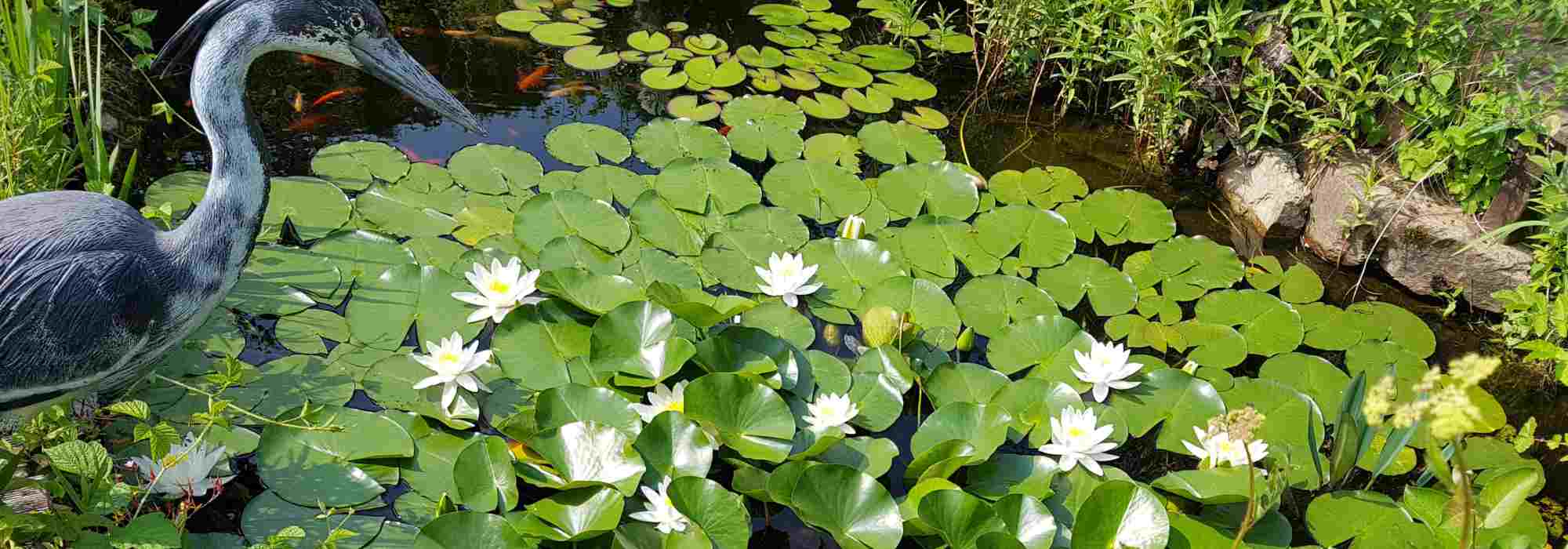
Aquatic vegetation is a fundamental pillar in the formation of any garden pond, bringing more than just an aesthetic touch. These plants play a crucial role in maintaining the pond’s biological balance. Indeed, they actively contribute to the ecosystem, by providing a natural habitat and supplying essential oxygen for living organisms. The diversity of aquatic plant species, ranging from water lilies to rushes, helps create a dynamic and balanced environment, favouring biodiversity and the overall health of the pond.
Moreover, aquatic vegetation plays a pivotal role in natural water filtration. These plants are able to absorb excess nutrients and potentially harmful substances, thereby helping to maintain water clarity and quality. This filtration process is essential to prevent the proliferation of nuisance algae and to create an environment conducive to aquatic life. In addition, these plants provide a source of food and protection for fish and other aquatic animals, strengthening the pond’s ecosystem and ensuring a natural balance.

Importance of vegetation in ponds and water features
Aquatic vegetation is important for garden ponds for the following reasons:
- Contribution to biological balance and natural water filtration
Aquatic plants help maintain the pond’s biological balance by contributing to natural water filtration. They absorb nutrients from organic waste and algae, which helps prevent algal blooms and keep the water clean and clear.
- Helps regulate nutrients and prevent algae
Aquatic plants help regulate nutrients in the pond by absorbing nitrates, phosphates and other nutrients from organic waste. This helps prevent algal blooms, which can rapidly overrun a pond and make it unsuitable for fish and other aquatic life.
- Benefits for aquatic wildlife
Aquatic plants provide habitat and a food source for aquatic wildlife, including fish, insects and amphibians. Fish find shelter among aquatic plants to hide from predators and strong currents. Aquatic insects feed on aquatic plants and algae. Amphibians use aquatic plants as a means of reproduction and protection.
For fishkeepers reading this, the presence of aquatic plants in a pond has a significant impact on water quality, essential for the health of your fish. The plants absorb excess nutrients, which reduces the risk of algal blooms and keeps the water clear and healthy. In addition, the plants produce oxygen, vital for fish, and provide shaded areas and refuges, creating a more natural and less stressful habitat. However, it is crucial to maintain a balance between the amount of plants and the fish population to avoid organic overload and ensure harmonious cohabitation within the pond’s ecosystem.
- Enhancement of pond aesthetics
Aquatic plants add beauty and visual interest to a pond. They can create a sense of depth and movement, and they can be used to create shaded or sunny areas in the pond.
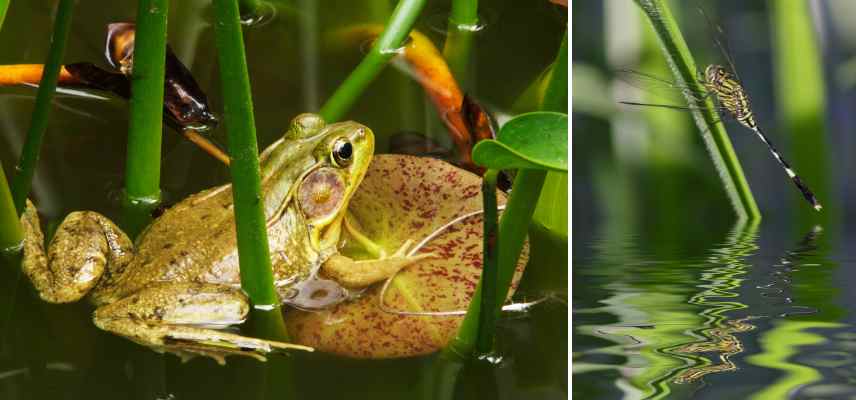
Small aquatic wildlife, including amphibians and dragonflies, as shown here, benefit from pond planting
Read also
5 aquatic plants for a mild climateDifferent types of aquatic vegetation
There are three main types of aquatic vegetation: submerged plants, floating plants and emergent plants.
Submerged plants
Submerged plants live entirely underwater. They contribute to the oxygenation of the water by releasing oxygen during the day. They have leaves and stems adapted to life underwater. Their leaves are generally thin and smooth to reduce drag in water. Their stems are typically long and flexible to withstand currents.
Here are some examples of submerged plant species:
- Elodea canadensis : a fast-growing plant that is often used to purify water.
- Myriophyllum spicatum : a plant with whorled leaves that is highly appreciated by fish.
- Vallisneria spiralis : a plant with elongated leaves that can reach several metres in length.
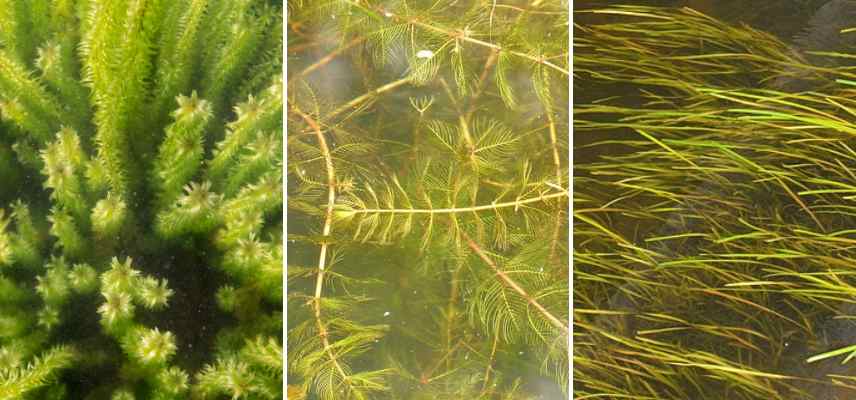
Elodea canadensis, Myriophyllum spicatum (© Donald Hobern), and Vallisneria spiralis (© Wikimedia Commons)
Floating plants
Floating plants float on the surface of the water. They help reduce the water temperature and provide a habitat for fish and aquatic insects. Their leaves are generally thick and tough to withstand the elements. They often have roots that allow them to anchor to the bottom of the pond.
Here are some examples of floating plant species:
- Water lentil : a plant with round leaves that forms a dense mat on the water surface.
- Water lily Nymphaea : a flowering plant that is highly regarded by gardeners.
- Water hyacinth : a flowering plant with vibrant colours.
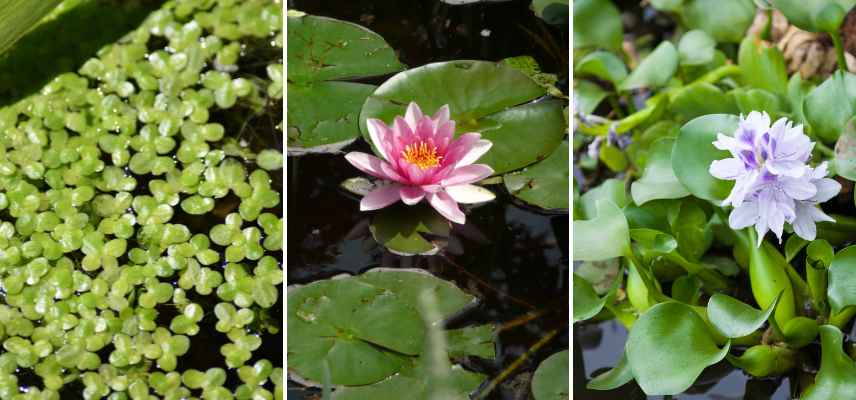
Water lentils, water lily and water hyacinth (Eichhornia crassipes)
Emergent plants
Emergent plants have a portion of their foliage that rises out of the water. They contribute to water filtration by absorbing nutrients from organic waste. Their leaves that emerge from the water are often broader and thicker than those that live underwater. They often have flowers that attract insects.
Here are some examples of emergent plant species:
- Marsh iris : a yellow-flowered plant that is very hardy.
- Phragmites (common reed): a perennial plant that can reach several metres tall.
- River horsetail: a plant with fine, smooth leaves that grows in wet areas.
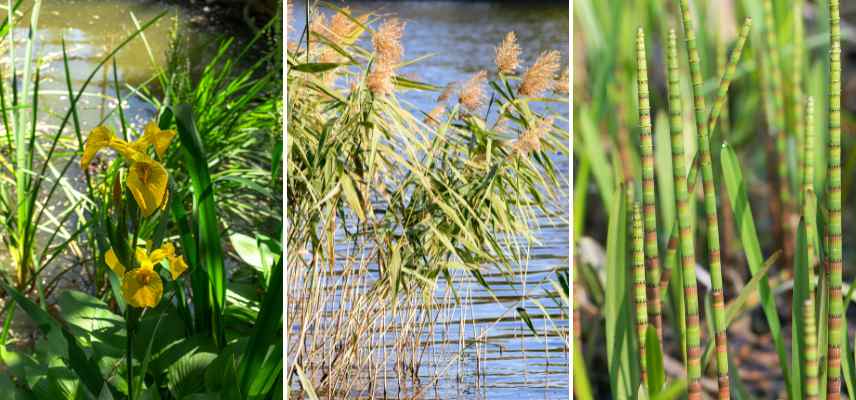
Marsh iris, common reed and river horsetail
Plant selection
We will take into account three main factors when choosing aquatic plants for your pond.
- Climate: some aquatic plants are better suited to certain regions than others.
- Size of the pond: aquatic plants need space to grow, some more than others.
- Exposure: some aquatic plants require sunny exposure, while others prefer shade.
Planting and layout
For optimum growth and maximum visual impact, it is important to plant aquatic plants at depths suitable for each species, taking into account their specific light and space needs. The arrangement of the plants should follow a natural and aesthetically pleasing pattern, placing taller plants at the back or centre and the shorter or floating varieties around the edges. It is also essential to leave enough space between plants to allow for adequate water circulation and to prevent overcrowding, thereby ensuring a healthy pond ecosystem.
Tips for maintaining aquatic vegetation.
Aquatic vegetation needs regular maintenance to stay healthy. Here are some tips for maintaining it:
- Prune the aquatic plants regularly: prune aquatic plants regularly so they do not take up too much space and to encourage growth of new leaves.
- Remove dead or diseased plants: remove dead or diseased plants to prevent the spread of disease.
- Feed the plants: aquatic plants need feeding to develop properly. You can feed them with specialised fertilisers for aquatic plants, or with organic garden waste, such as dead leaves or tea leftovers.
However, aquatic plant maintenance varies with the seasons, requiring particular attention to ensure their health throughout the year. Spring, the active growth period, it is advised to clean the pond, remove accumulated debris and to divide or replant the species prolific to avoid overcrowding. In summer, monitor water levels due to evaporation, fertilise regularly to support growth and control the proliferation of algae. Autumn is the time to prepare the plants for winter; this involves pruning the dead or damaged parts, removing leaves that have fallen into the water to prevent rot, and lowering submerged plants toward the bottom of the pond to protect them from frost. Winter, maintenance focuses on protecting the plants from cold temperatures, ensuring the water surface does not freeze completely to allow the gas exchange necessary for the survival of plants and fish. These seasonal care measures keep aquatic plants healthy and maintain the pond’s ecological balance throughout the year.
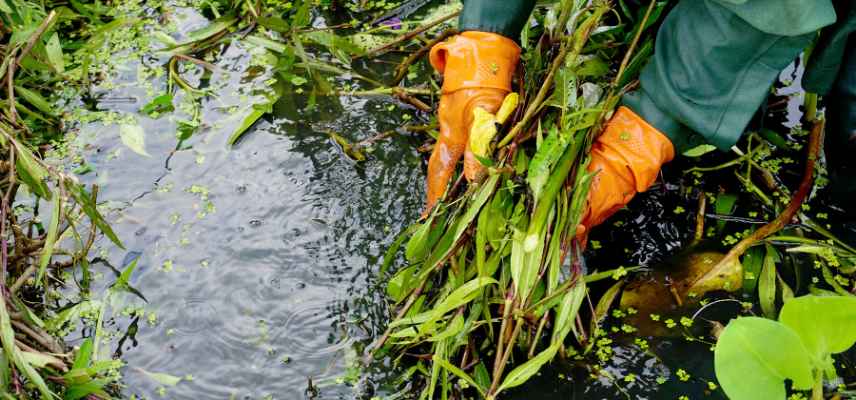
Maintenance is essential year-round to keep a pond clean and healthy aquatic vegetation
Interactions between pond plants and the garden ecosystem.
Aquatic plants act as natural attractants for a variety of birds and insects, playing a major role in promoting biodiversity. The flowers of some aquatic plants, such as water lilies and lotuses, are particularly attractive to pollinating insects, such as bees and butterflies. This pollination is essential for the reproduction of the plants and helps to maintain the overall health of the garden ecosystem. Moreover, the presence of these insects attracts insectivorous birds, which contribute to the natural balance by controlling insect populations.
Water birds, such as herons and ducks, are also attracted to garden ponds rich in aquatic vegetation. These birds find food there, such as fish and aquatic invertebrates, as well as roosting and nesting areas. Their movements and activities around the pond help disperse the seeds of aquatic plants, thereby promoting diversification and spread of vegetation in and around the pond.
Moreover, aquatic plants help create a microclimate around the pond. In summer, they can help regulate the water temperature, providing a more stable habitat for aquatic fauna and reducing thermal stress for surrounding terrestrial species. In winter, some aquatic plants, particularly those that stay green, provide shelter and a food source for wildlife during the colder months.
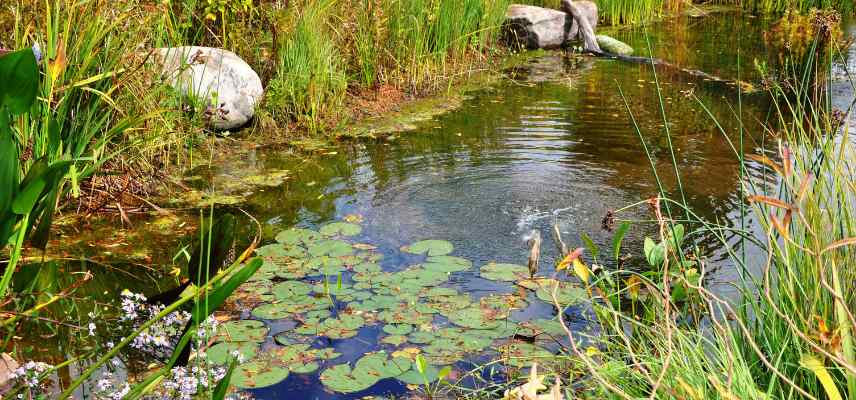
A microcosm conducive to the life of many animals
- Subscribe!
- Contents
Comments