





























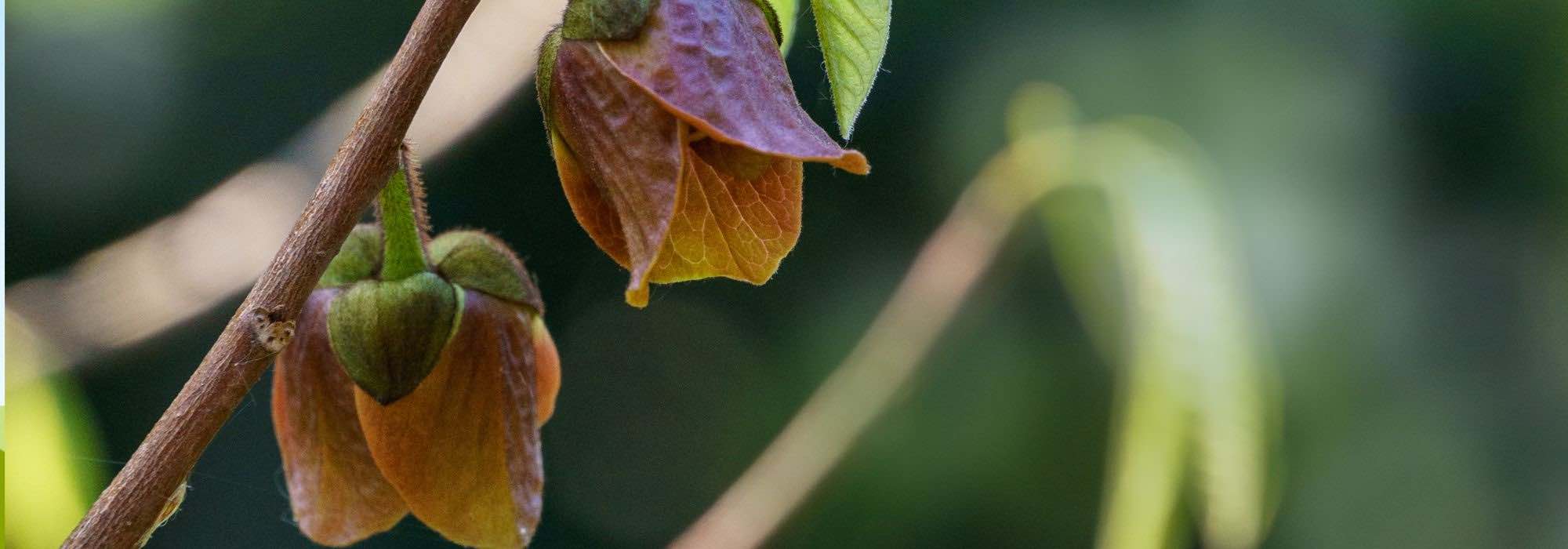
Pawpaw diseases and parasitic pests
Symptoms, prevention and ecological and natural treatments
Contents
The pawpaw, also known as “paw paw” or Asimina triloba, is a little-known fruit tree native to North America with a tropical-looking appearance. It bears large, tasty fruits with a flavour between banana and mango. Its exotic flowering is wine-coloured and its foliage turns golden in autumn before falling. Hardy down to -25°C, it is easy to grow and can be grown in Vendée or Loire-Atlantique. This fruit tree is very resistant to diseases and pests, especially since its leaves and bark contain insecticidal substances that deter insects. Discover the few diseases and parasites that can attack it, their symptoms, as well as prevention methods and natural treatments to deal with them.

Aphids
Aphids are common parasites that attack many plants, including the persimmon tree.
Symptoms
These small sap-sucking insects often cluster on new growth and under the leaves, causing the plant to weaken and distortion of the leaves. The presence of honeydew, a sticky substance produced by aphids, can also lead to the development of sooty mould, a dark mould.
Prevention
To prevent aphid outbreaks, promote biodiversity in your garden by attracting beneficial insects such as ladybirds, lacewings and hoverflies, which are natural predators of aphids.
Treatment
In case of infestation, you can wash the leaves with a jet of water to dislodge the aphids or use natural treatments such as a diluted black soap solution. Mix 15 to 30 g of black soap in one litre of water and spray the affected parts of the persimmon tree.
For further reading, see our advice sheet: Aphid: identification and treatment.
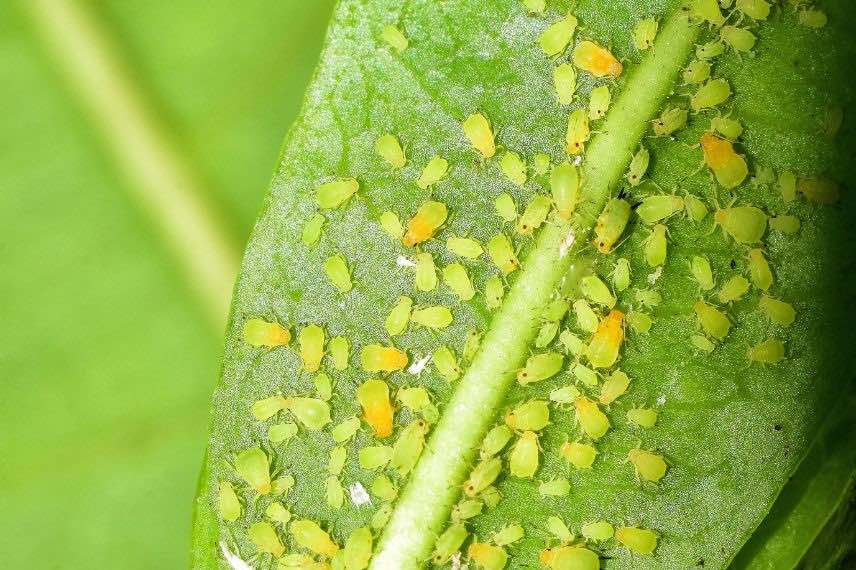
The green aphids
Root rot
The persimmon tree can be susceptible to fungal diseases, particularly root rot, a disease caused by various pathogenous fungi present in the soil.
Symptoms
Root rot manifests as wilting of the leaves, as well as the rotting of the roots and the collar of the tree. This disease is often the result of overwatering or insufficient drainage.
Prevention
To prevent root rot, ensure you plant the persimmon in well-drained soil and avoid over-watering.
Treatment
If you suspect root rot, reduce watering and improve drainage around the tree. For affected young plants that are wilting, pull them out and dispose of them.
Sawflies
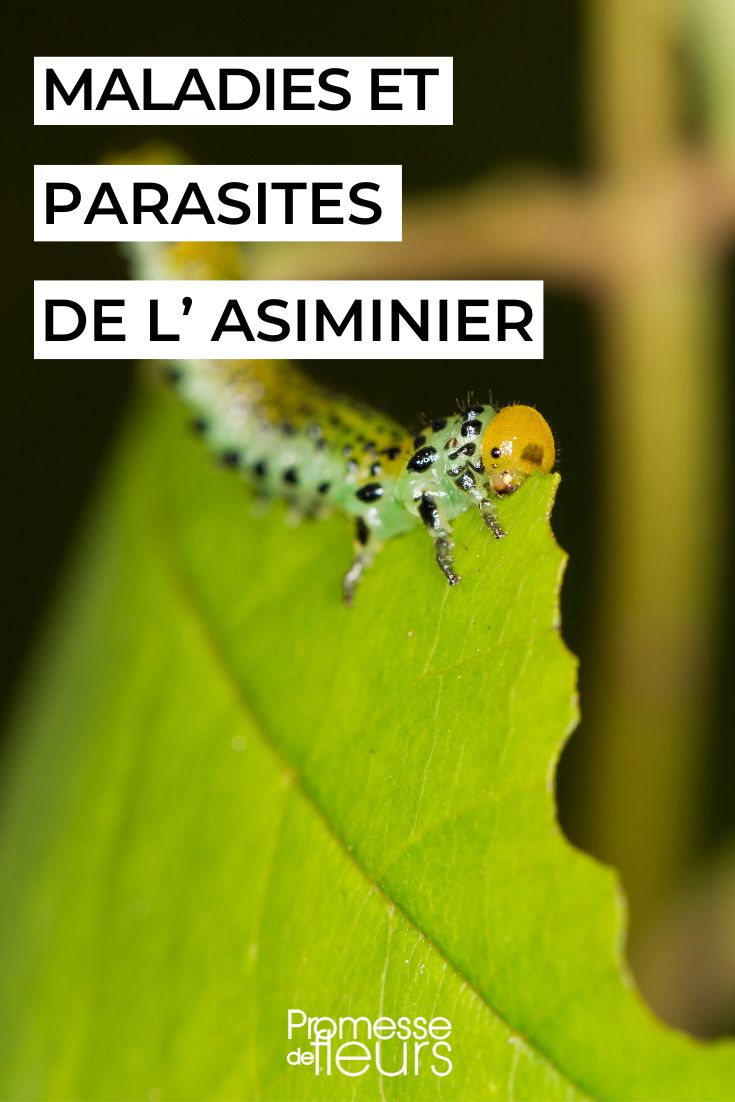
Sawflies are larvae of small wasps that feed on the leaves of many plants, including the persimmon. They can cause significant damage by eating the leaves, which weakens the plant.
Symptoms
Leaves are devoured by small pale-green, whitish or yellowish larvae and speckled with black. These small larvae resemble caterpillars.
Prevention
To prevent sawfly infestations, regularly inspect your persimmon tree for larvae and remove them manually if necessary. Also encourage birds in your garden, as they are natural predators of these larvae.
Treatment
Remove sawfly larvae by hand if they are few in number. Water sprays mixed with black soap or a pyrethrum-based solution (a plant-based insecticidal) can also help deter sawflies.
For more information, see our advice sheet: Using pyrethrum in the garden
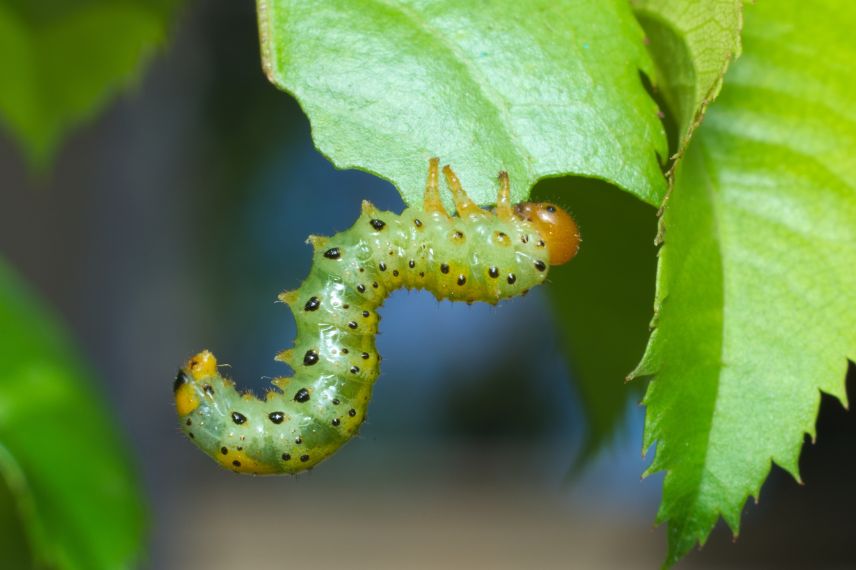
Sawfly larva
Mites
Mites, like red spider mites, are tiny parasitic pests that can attack the pawpaw leaves, causing them to drop.
Symptoms
These parasitic pests suck the sap from the leaves, on which yellow, whitish or greyish spots appear. Around the leaves, fine webs woven by red spider mites.
Prevention
These insects, invisible to the naked eye, thrive particularly in warm and dry conditions. A good preventive method is to spray water onto the leaves, as moisture drives the mites away. It is also possible to use nettle manure sprays or horsetail decoctions. You can also introduce beneficial insects into your garden that prey on red spider mites, such as lacewing larvae.
Treatment
To combat red spider mites, maintain a good level of humidity around your plants by mulching and regularly spraying water on the foliage.
We can also spray a mixture of rosemary essential oil, liquid soap and rapeseed oil. In one litre of water, mix 20 to 25 drops of rosemary essential oil, with 3 to 4 drops of liquid soap and 5 ml of rapeseed oil.
Another solution to spray on the leaves: a garlic decoction prepared with 30 g of garlic per litre of water.
If the plant is too badly affected by red spider mites, it is best to remove it to avoid contaminating the other plants in the garden.
For further reading, see our fact sheet on red spider mites.
In addition, discover our sheet: Identify the main plant parasites and diseases, as well as our complete sheet on the planting and care of the pawpaw.
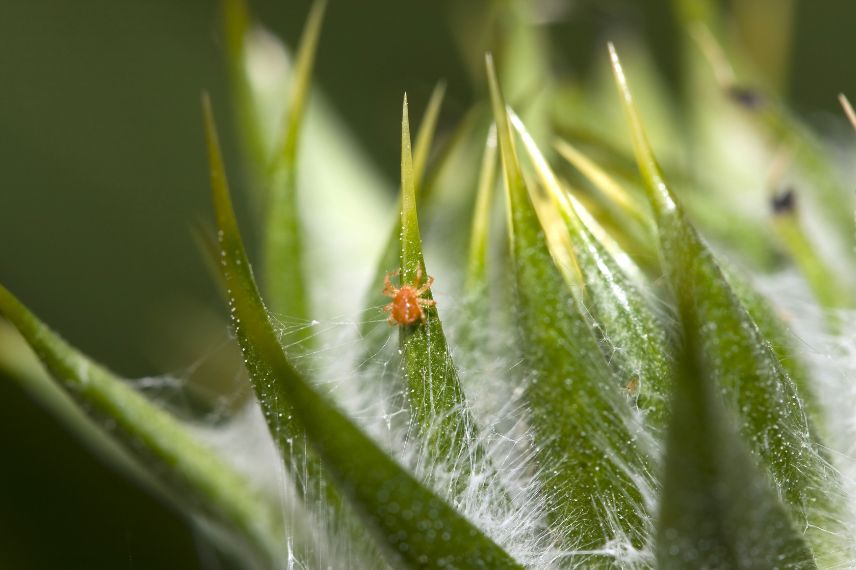
A red spider mite, barely visible to the naked eye
- Subscribe!
- Contents
Comments