





























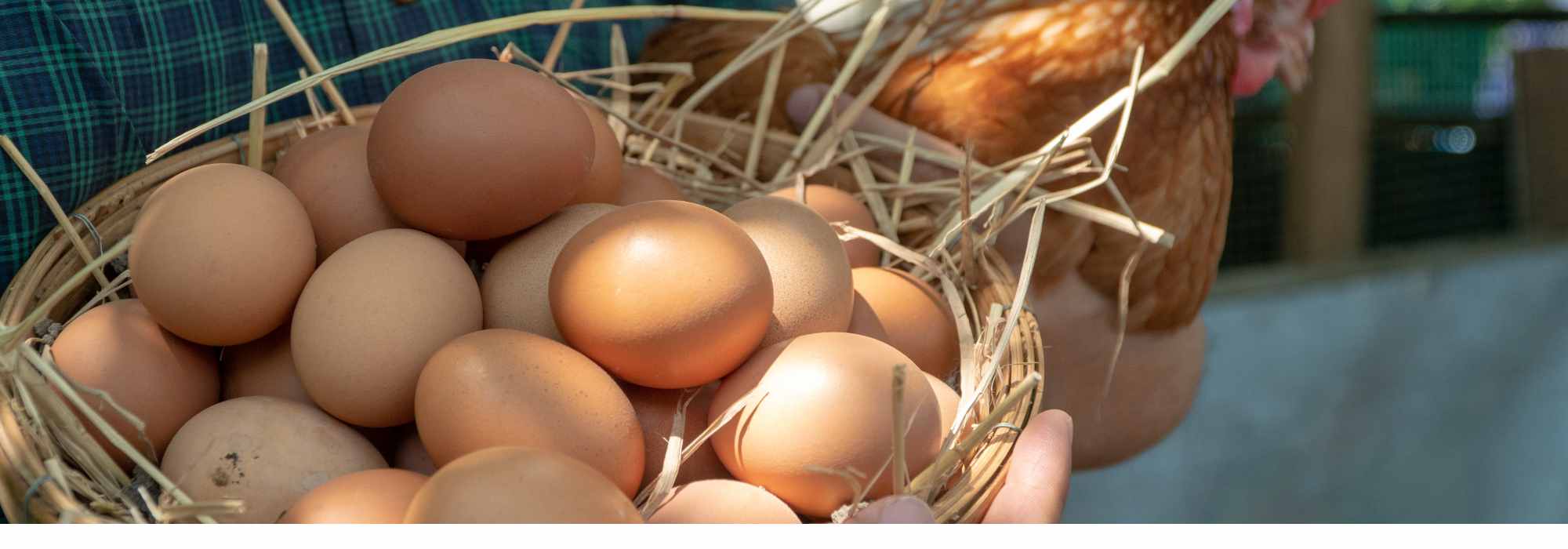
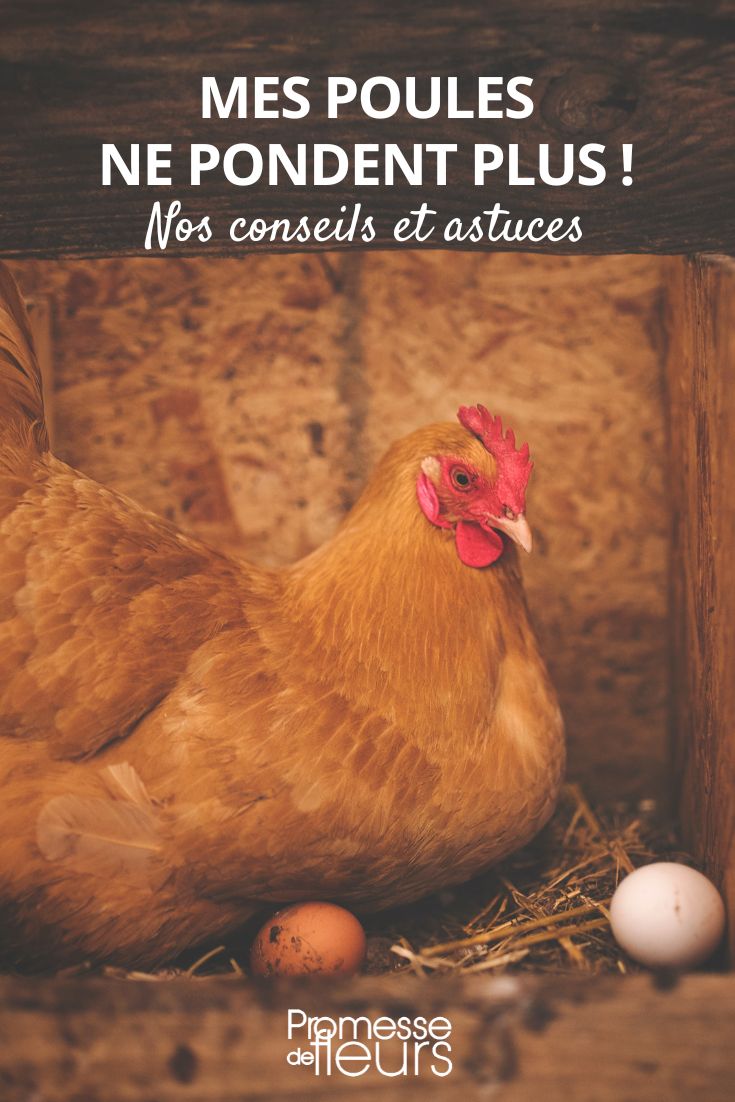
My hens are no longer laying: why?
Tips and tricks to encourage your hens to return to the nesting box.
Contents
Are your beloved hens going on strike?
As every day they rewarded you with their fresh eggs, perfect for soft-boiled at breakfast or for baking a few cakes enjoyed by the whole family, suddenly there’s nothing in the nest box. Or almost nothing. Would they have demands to make? What are the reasons they desert the nest box? Would they need a few days of well-deserved rest? The mystery remains. And that the reasons a hen may lay less are numerous, and that sometimes a halt in laying is a sign to take seriously. Even so, never forget that hens are not “laying machines”, but very familiar and sociable animals!
We will help you understand why your hens are taking a small break from laying. And, above all, share some tips and ideas to help them find their way back to the henhouse.

Physiological reasons for the cessation of egg-laying.
From the outset, it’s important to reiterate that a hen is not a laying machine. No hen is capable of laying 365 eggs a year! Some breeds, renowned for their laying prowess (free-range reddish-brown or black hens, Marans, Sussex, Leghorn, Cous nus du Forez…), can offer up to 300 eggs per year.
It is perfectly normal for a hen to produce no eggs for a few days. Indeed, a hen produces thousands of follicles that correspond to the number of eggs she will lay in her lifetime. Grouped in a chain, these ova mature as she ages. And a small thing can disrupt this cycle!
Starting with age. Like us to some extent, a hen ages and becomes less productive. So she lays fewer eggs.
Depending on the breed, some hens start laying at around four to five months. Then, during the first two years, they are at the peak of their laying. After that, the laying rate declines by about 20% each year. Beyond four to five years, a hen will still lay, but very irregularly.
Other reasons can explain the absence of fresh eggs daily. In particular the season. Indeed, to lay properly, a hen needs 12 to 14 hours of bright light per day. That said, winter can significantly impact the rhythm of your pullets. Not to mention if it’s cold, because they will spend a lot of energy to withstand the low winter temperatures. Some chicken keepers or breeders will install artificial lights in the hen houses… Admittedly, the laying will continue, but is it really beneficial for your hens? Probably not, because this winter pause can be considered beneficial to the hens’ welfare. And, from the early days of spring, your pullets should return to the coop.
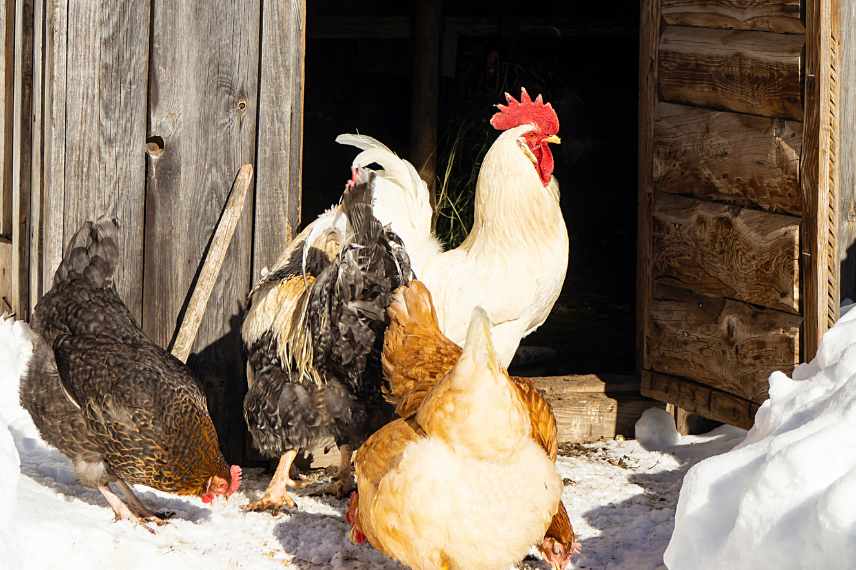
In winter, hens lay less or not at all
Autumn (or late summer) is also a turning point season for hens aged at least 18 months to 2 years. Your hens will again expend a lot of energy changing their plumage to better withstand the winter cold. During the moult, which heavily fatigues the hens, laying takes a back seat!
Another physiological cause that could explain a drop in laying is broodiness in your ladies. This can occur even if you don’t have a rooster! It’s, in a way, a natural, maternal instinct. If the eggs are fertilised and you wish to enlarge the family, let nature take its course and let your hen brood. If you don’t have a rooster, be aware that this pseudo-brooding is completely exhausting for the hen: she hardly eats and generates a lot of heat to brood. That’s why it’s best to prevent it by isolating her so she can no longer access the nest box. Until the whim passes, about one to two days.
Environmental causes
Have you ruled out all the causes mentioned earlier? You must therefore look elsewhere for the reasons why your hens no longer lay their daily eggs. These reasons may relate to the environment in which they live. Indeed, hens are generally very routine creatures; they have their habits, rituals and are perfectly aware of the key moments of their day (feeding, going out of the enclosure…). If their daily world shows a notable difference, your hens quickly become stressed, which can have a negative impact on laying.
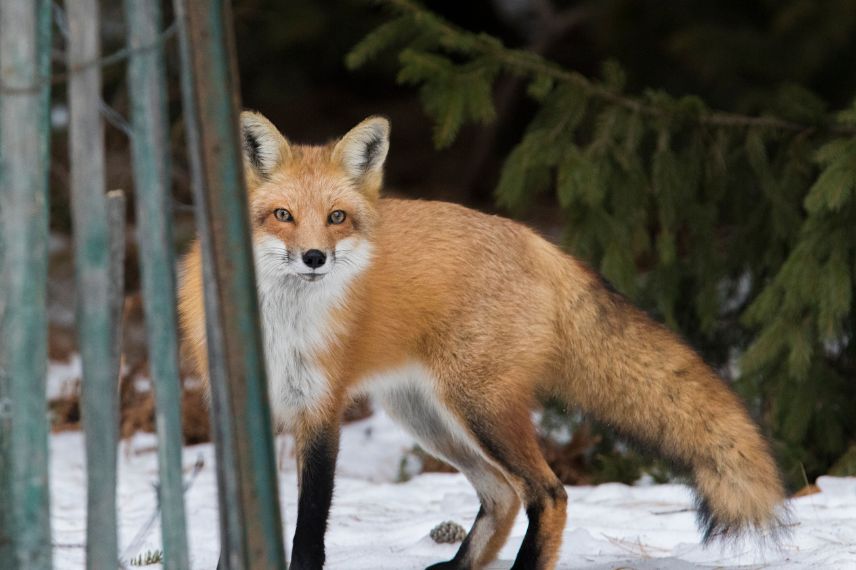
Predators roaming around the hen house can cause stress to your hens, which stop laying
Thus, your hen house may be visited by small predators such as rats, mice, possibly magpies. If you find a few shells in the nesting boxes, they may be responsible for your shortfall in eggs. However, these are mainly the more dangerous predators that hens fear. Namely foxes, martens, other predators, snakes… If they roam near the hen house, day or night, the hens sense them and egg-laying suffers. That is why it is essential to carefully check your hen house and run for any tiny hole. Find, by the way, all my tips in this article: How to protect your chickens from predators? All our tips to keep your hens safe day and night.
Finally, if your hens have STOPPED laying eggs, it’s probably your fault! Indeed, this halt in egg-laying may be their way of expressing displeasure with the hygiene of their hen house. Beyond the risks of disease or parasites, a dirty hen house is hardly inviting for hens. It is therefore essential to ensure regular cleaning of your hen house, simply so that your hens want to come back inside. Once again, I’m sharing a few tips to ensure good hygiene for your hens: Properly cleaning your chicken coop – All our tips for maintaining your chicken coop throughout the year.
Deficiencies, diseases or parasites.
Let us now address the gravest causes of a lack of egg-laying: Your hens are suffering. Thus, they may be affected by diseases or viruses such as coryza, infectious bronchitis, Marek’s disease… Someinternal parasites may be infesting them while others, external, may have invaded the henhouse. Starting with the dreaded red mites. Whatever the cause, lack of eggs will always be accompanied by signs. A hen suffering from illness or infested by parasites is lethargic; she does not eat, has difficulty moving or lies down, breathes badly, and has very loose droppings… A veterinary consultation is recommended.
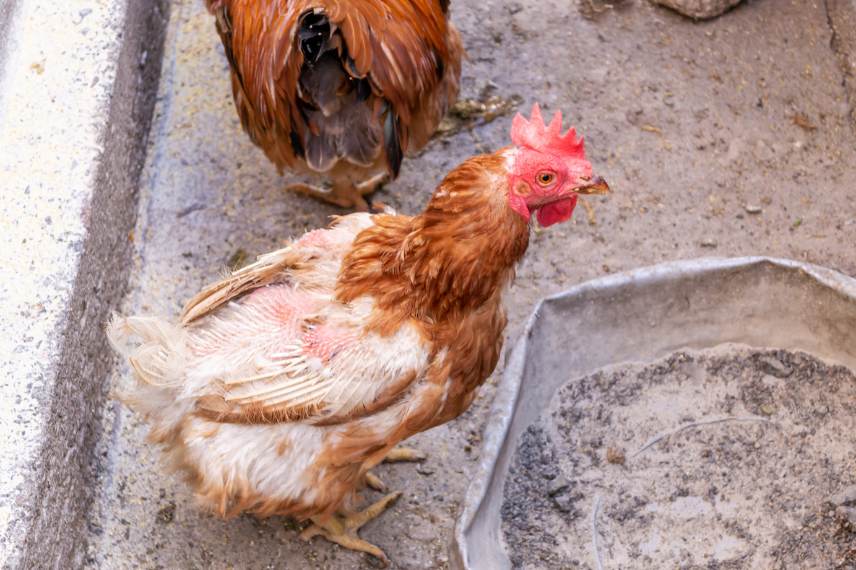 A sick, parasitised, or malnourished hen during a moult no longer laysIf your hens stop laying, but seem healthy, the cause is likely to be found in their feeding. This is probably not adequately balanced in protein, vitamins and minerals, which leads to deficiencies. Note that each hen should have between 150 and 200 g of food to peck at each day, to which scraps and greens can be added. For good-quality eggs, access to a grassy space is also essential.
- Subscribe!
- Contents
Comments