





























Today, I am angry! Angry but also weary because, along the roadsides, in parks, and even in gardens, it’s always the same horror film that starts again: “Chain saw massacre of trees…”
Despite the awareness campaigns by arborists, we are coppicing, pruning too severely, cutting back too short, topping, mutilating... sometimes even tearing out entire parts with a large machine... Any old how and at any time!

I could, at a pinch, forgive my neighbours who are certainly not informed. However, I find it much harder when it comes to certain professionals who are supposed to practice a trade for which they have been trained.
Why does severe pruning harm trees?
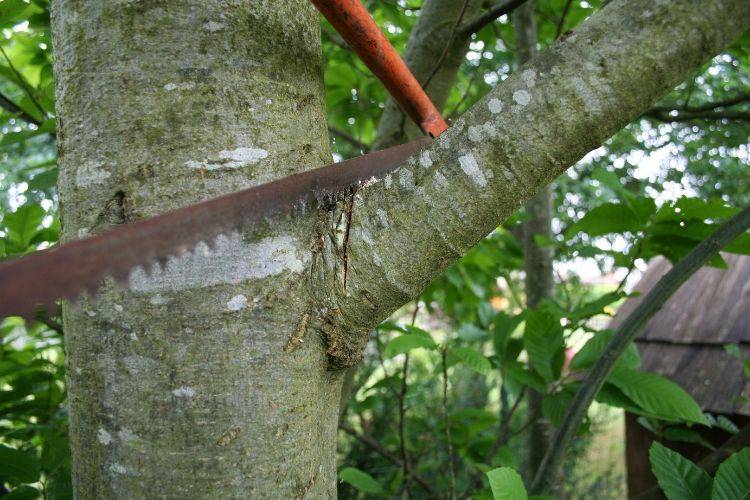
These mutilations, let’s not be afraid of the words, weaken or even kill trees by causing rot in the central wood and making them vulnerable to fungal and parasitic attacks.
The structure of the tree itself is compromised, and the production of plant hormones is "disrupted," producing new shoots in all directions. Embolisms form, stopping the circulation of sap in certain areas.
Please note: this type of pruning is also detrimental to wildlife as the tree can no longer provide shelter and cover for a good season, or even longer if the tree does not recover. Especially if the pruning occurs during the nesting period of birds: which is now prohibited by a European directive! However, in the case of pollarded trees, the tree stumps of our countryside (willows and other species), it’s actually the opposite that happens. Indeed, the tree thus (mis)treated will gradually hollow out to provide shelter for various animals (Little Owl, tits, small mammals, bats, ...), food for wood-boring insects and fungi and lichens. It can even provide a substrate for the proliferation of some plants. A true mini-ecosystem!
Should we prune trees?
"When and how should I prune?" This is the eternal question posed by many gardeners when planting a tree.
But isn’t the better question: "Should I prune?"
Without falling into anthropomorphism, a tree is a living being, and cutting off pieces of it clearly does not do it any good. Ultimately, it depends on the piece... A twig here and there: all is well. Cutting off a branch the diameter of a pipeline or removing all its branches: hello damage, as this opens the door to chaotic development and various fungal diseases.
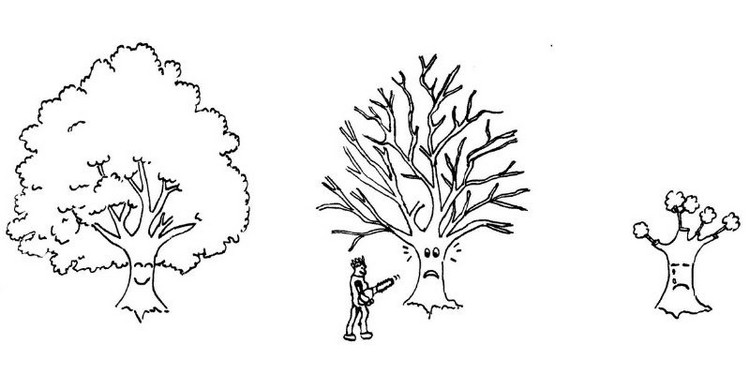
So, the answer to the question is yes... and no. A tree does not need you to live. It has been taking care of its little affairs long before Homo sapiens became this invasive and harmful species.
But...
Pruning, a helping hand for the tree
However, pruning, when done with respect for the tree and at the right time, does indeed offer significant advantages:
- Sanitary first: removing dead wood and damaged branches, lightening the canopy, ... The tree will present fewer openings to potential diseases and will be more aerated. Removing dead wood also provides a safety aspect. If the tree borders a busy road or hangs over a school, for example, it is advisable to avoid unexpected branch falls.
- Aesthetic: balancing the canopy, removing the lowest branches, ... In their younger years, trees sometimes have a "chaotic" growth (at least in our minds!), and pruning can help guide this growth to give it a more "tree-like appearance" quickly.
- Volumetric: reducing the volume and spread that a tree can take on once well established in its life. One must always consider the adult size of a plant when planting it. Moreover, there are increasingly more dwarf varieties that will prevent the need to drastically cut back a beautiful tree, ultimately turning it into a sort of giant bonsai.
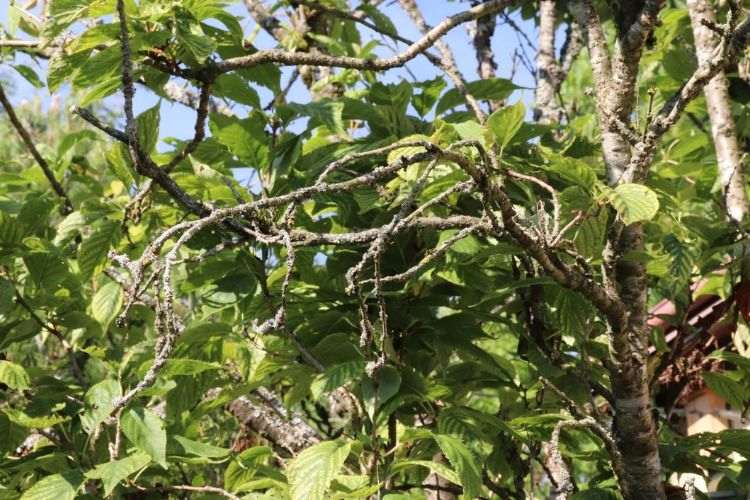
Why not trying transparent pruning?
Princess Greta Sturdza understood all this well when she embarked on the idea of transparent pruning in her "garden" at Vasterival.
This gentle pruning allows, in addition to removing dead or diseased parts, to balance and lighten the canopy, which brings undeniable aesthetic appeal but above all provides light and rainwater to the plants below. Furthermore, this transparent pruning allows both the visitor's gaze to pass through the garden and the wind, thus reducing accidents due to storms.
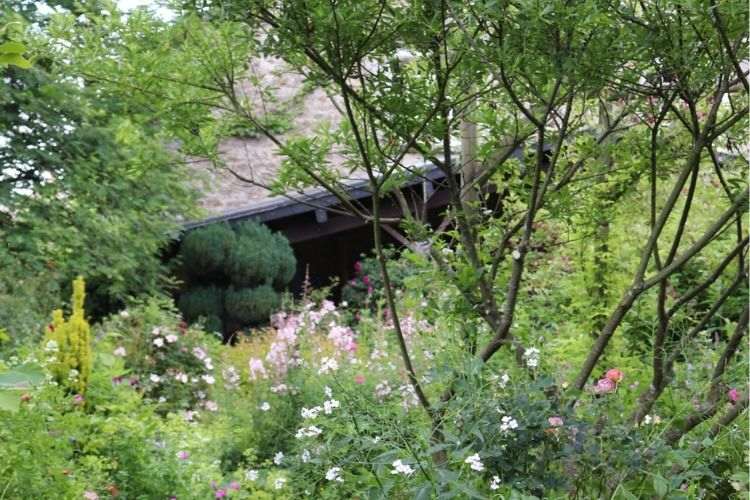
If this type of pruning interests you, we recommend visiting the results at the Vasterival garden in Normandy and reading the French book by Dominique Cousin: "Transparent Pruning" published by Ulmer.
The best pruner is the wind...
(Anonymous author)
In conclusion...
You will have understood, pruning trees is sometimes necessary, of course, but it requires understanding how a tree grows and what suits it best so that it can survive and thrive for many years.
Let’s avoid as much as possible trauma to our dear trees by cutting only rarely, always wisely and with good tools. And let’s also be calm and thoughtful in action: "When in doubt, abstain or... come back another day". That branch may not have been so problematic after all...
Finally, if you have doubts, consult a professional. A good one! Indeed, times are changing (slowly…) and so are people (a bit). More and more tree surgeons practice gentle pruning and think about the best way to keep trees in good health while only intervening when absolutely necessary. Don’t hesitate to use their services!


Comments