





























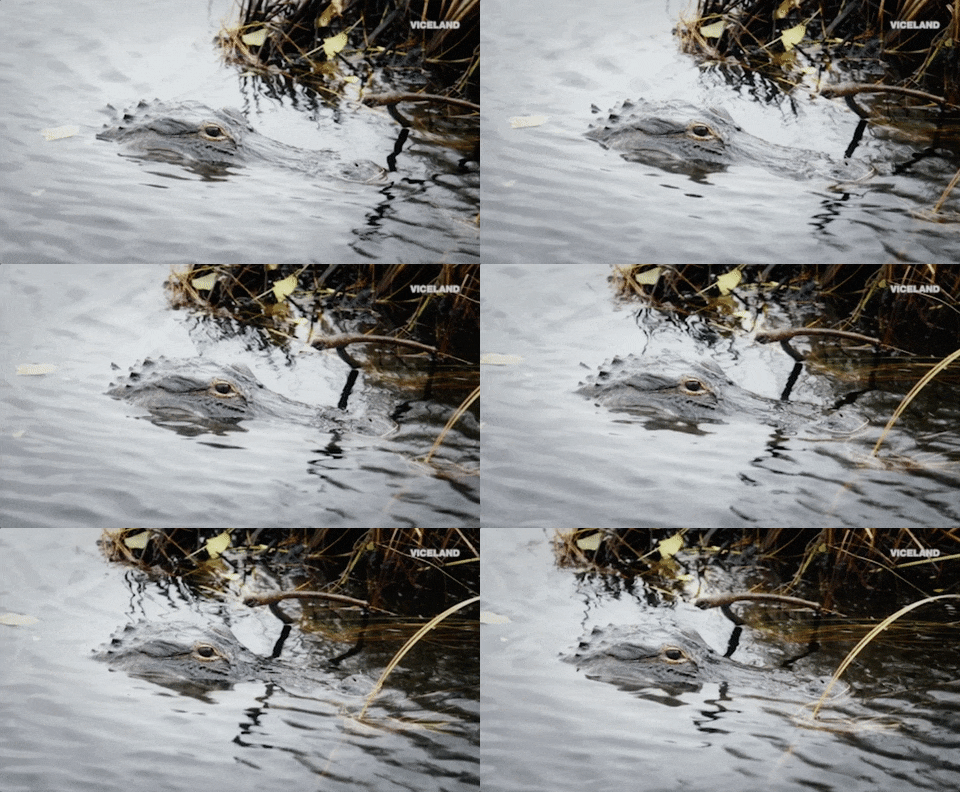
When I was little... Well, to be honest, I've always been small, but that's not the point. When I was little, I loved reading the adventures of Bob Morane (the true Heron of the whole pond!), especially those set in humid tropical jungles, on islands surrounded by water, in seedy port towns, through dripping sewers, among marshes teeming with alligators, or even within foul-smelling, water-soaked caves... However, I was utterly terrified by the escapades of our brave "commander" taking place in... desert regions. So much so that I even had nightmares about them.
And this is probably one of the reasons, this "dryphobia" (no idea if this phobia actually exists!), that led me to be born in Belgium, a country regularly "drenched" by that strange transparent liquid that falls from the sky. (Yes, it's a matter of willpower where we are born! My first choice was Japan, but it turned out to be too expensive...)
But alas, due to various factors (not those of the post office!), drought eventually began to episodically assault our flat country, insidiously settling in every summer like a tick in the shorts of a nature presenter. My childhood nightmare suddenly resurfaced...
And this infamous drought, as you well know, our plants don't like it either! Well, most of them, at least.
So if we quickly look at the official definition of this distressing term, it's quite vague... It is decreed that we are in the midst of a drought "when precipitation is scarce or even non-existent for a more or less extended period." Personally, I have an even simpler definition: "we are experiencing a drought episode when the gardener ends up as thirsty as their plants."
During these times, naturally, we panic, we fret, we get agitated, suddenly exclaiming between two dogwoods "All hands on deck!" or "Every man for himself!". And we rummage through our abundant bibliography and especially through the meanders of the internet searching for more or less wise advice. Don't deny it, I'm sure you do it too.
And we quickly come across the first pieces of advice...
- Water!
Ah yes, giving water to plants, I wouldn't have thought of that directly. It wasn't really intuitive... Thanks for the reminder! But seriously, I do have one small thing to tell you. Water, yes, but very (very) early. Like around 4 or 5 in the morning. Yes, that's early, I agree, but at the same time, we can't sleep during a heatwave, so... And for once, you'll be the one waking the rooster. Why water so early? To ensure that there is no evaporation while the water is being absorbed by the soil, quite simply. Personally, I avoid evening watering because the soil is still warm, and half the water we provide... goes up in smoke (well, in vapour in this case).
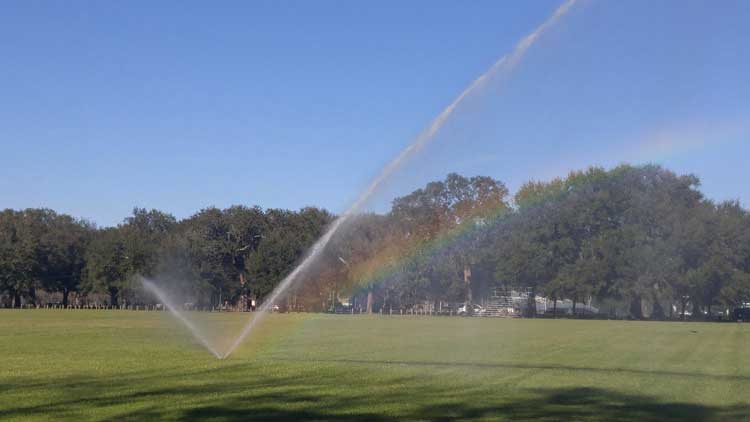
What about automatic watering? Do you think you're on a golf course?!
Then there's the hoya technique, of course. It works, it's true, but it requires placing them pretty much everywhere. And it's terribly tedious and expensive.
- Water well once rather than a little every day
Indeed, the plants, those lazy ones, will think if you water them all the time with small doses: "oh, but everything is fine, we are always given water, I won't bother to grow roots that go deep." In short, doing this contributes to the "softening" of your favourite plants. However, if you continue to make them "suffer" a bit (but not too much) when it's dry, they will be better able to withstand the lack of water later on.
- "A hoeing is worth two waterings"
This saying is so old that it undoubtedly appears in the Bible (to be verified!). But it is true that once the soil is hoed, the water will infiltrate better, and we also limit evaporation because we break the crust, thus preventing the upward movement of water by capillarity. But…
- Mulch your plantings, your vegetable garden,...
We shouldn't even have to tell you this, but indeed, mulching limits the evaporation of your soil. However, be careful! Remember to mulch when the soil is moist. In short, if you haven't done it before this infamous drought, water well before placing your mulch. What to use for mulching? Anything! It's urgent, any mulch will do (even mineral mulch if necessary...). And above all, don't hesitate to let plants grow at the feet of your trees and to plant closely in your beds or borders and even in the vegetable garden. This way, you'll create a sort of... living mulch.
- Plant resilient plants (I also call them "badass" plants) and train them to "suffer" (see above).
I say "resilient" and not "drought-loving" because it's all well and good to plant cacti if you're going to end up with a rainy summer the following season...
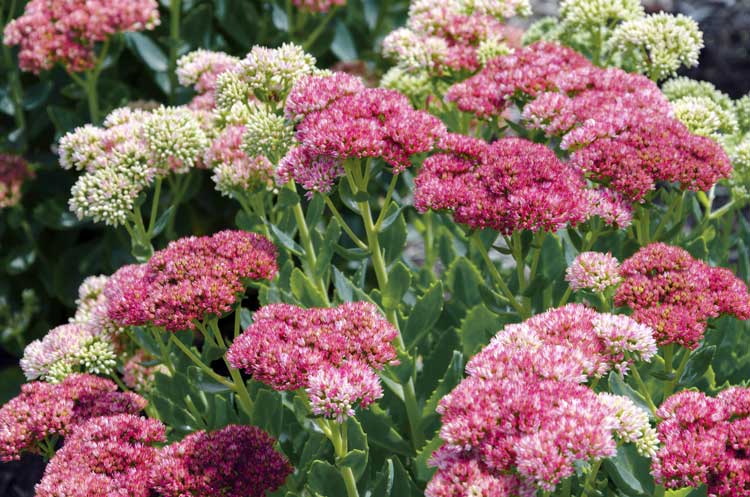
- Plant species truly suited to your soil, climate, and sunlight
If the plant isn't already in good shape in your garden under normal conditions, how do you expect it to survive a drought?
- Plant at the right time
A plant already in place in autumn will have had plenty of time to develop a substantial and effective root system. In contrast, those little "impulse buy" purchases at the end of spring or even early summer will have very little chance of surviving a heatwave summer.
- Plant a hedge
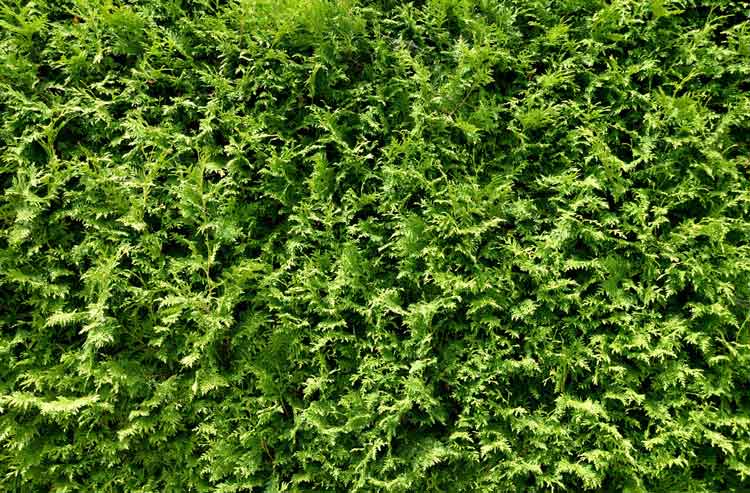
If possible, a living hedge of native shrubs. Above all, forget about "green concrete" hedges (like Thujas, for example). Indeed, a living hedge will filter the wind rather than block it, creating devastating whirlpool effects. It will thus limit the drying effect of the wind.
- Weep!
If nothing else works, we allow you to use this technique as a last resort. Indeed, crying over each struggling plant will allow for particularly selective watering. However, be careful not to dehydrate yourself while following this method.
- Go on holiday with your plants to a more welcoming place
This does require a bit of logistics, it's true, but your plants deserve a little attention, don't they...
In conclusion, and to get a bit serious again. The majority of the work should be done in advance: mulching, planting a filtering hedge, planting resilient species if possible... If that hasn't been the case... Well, just tell yourself that you won't be caught out next season.
And of course, no panic! Your garden should remain a hobby, and the death of one or two plants shouldn't make you weep more than the defeat of your favourite jokari player at the Grand Sausage Tournament. At worst, it will be an opportunity to fill the "gaps" left by planting new acquisitions. A magnificent Cornus kousa ‘Samaritan’, for example. In any case, a drought is never truly dramatic for us. Rain always comes back. You'll just have to be patient.
A final little note...
Don't forget! Think of the little creatures in your garden: birds, small mammals, insects, amphibians... They are thirsty too. A few simple bowls of fresh water placed around your garden, in quiet and shady spots (and if possible out of reach of cats...) will allow all your little fauna to get through this troubled period. For insects and other small critters with far too many legs, consider watering stones or simply placing damp sponges.
Another final little note:
We talk about summer drought, but you can also experience winter droughts, especially during severe frost periods, as water is no longer easily assimilable by plants because it has become solid. Fortunately, this is the resting period for many of them, and some have even developed fascinating adaptations to limit evapotranspiration and thus retain some water even in winter, particularly conifers with their needles that have smaller surfaces than a simple leaf.


Comments