





























A bank is, by definition, a sloped terrain exposed to the harshness of the elements where rain and wind weaken and erode the soil. If the soil remains bare, runoff can cause significant damage: flooding, landslides, and sometimes even mudslides. Fortunately, some groundcover plants thrive in these challenging conditions and manage to stabilise banks quickly and sustainably, thus limiting erosion. Discover the 5 best essential groundcover bushes for landscaping a bank!
On a rocky bank - Lavender (Lavandula angustifolia Hidcote)
Known primarily for its medicinal and melliferous properties, lavender is an outstanding plant for stabilising AND beautifying a bank. It withstands wind, sun, and drought, and its roots penetrate rocky and calcareous soils, stabilising them sustainably. It is the perfect plant for a stony, steep bank exposed to the sun.
Plant it at the top of the slope, which corresponds to the driest part. Count at least 3 plants per m² for dense and rapid coverage. While lavender lives long, it requires annual pruning to maintain a compact and sturdy habit, so don’t forget to shear it back by a third once the flowers have faded.
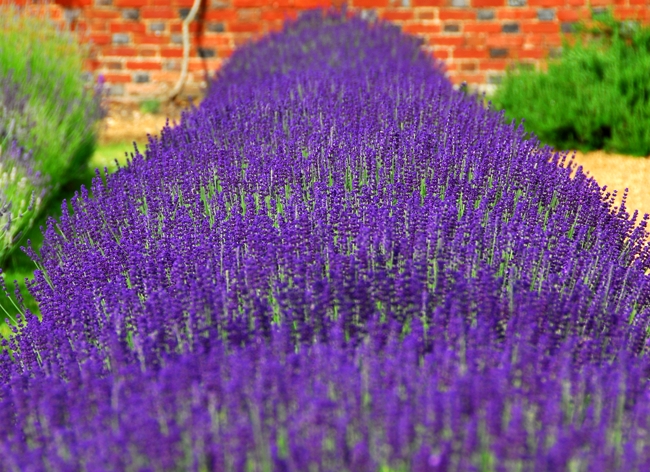 Lavender 'Hidcote Blue'
On an unmaintained bank - St. John's Wort (Hypericum calycinum)
St. John's Wort is a good soil stabiliser that tolerates all soil conditions but requires relative moisture to grow and spread quickly. You either love or hate its large golden flowers that bloom all summer, but one must acknowledge that it is one of the few groundcover bushes that spreads quickly and with great ease.
Plant it preferably at the bottom of a slope in full sun or partial shade. Count between 3 to 5 plants per m² (3 plants for 3L pots and 5 plants for young plants) for rapid coverage. By the following year after planting, its stump will form a network of stoloniferous roots and the plant will spread quickly. There’s no need to plant on a membrane; St. John's Wort covers and smothers everything in its path.
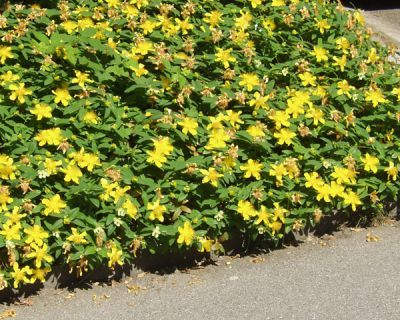 Hypericum calycinum (Source Pinterest)
On a shady bank - Bush Honeysuckle (Lonicera pileata)
Bush honeysuckles (Lonicera pileata and L. nitida) are creeping shrubs that possess a very effective root system for consolidating banks in shade and partial shade. Lonicera pileata has the advantage of growing quickly and laterally, thus hugging the ground and layering itself from time to time. It resists cold and drought as long as it is planted in partial shade.
Plant it from the bottom to the top of a shaded bank. Count 1 to 3 plants per m², or even 4 plants per m² if they are in pots for very rapid coverage. As it ages, its branches will tend to rise, so be sure to shear it back annually with hedge trimmers.
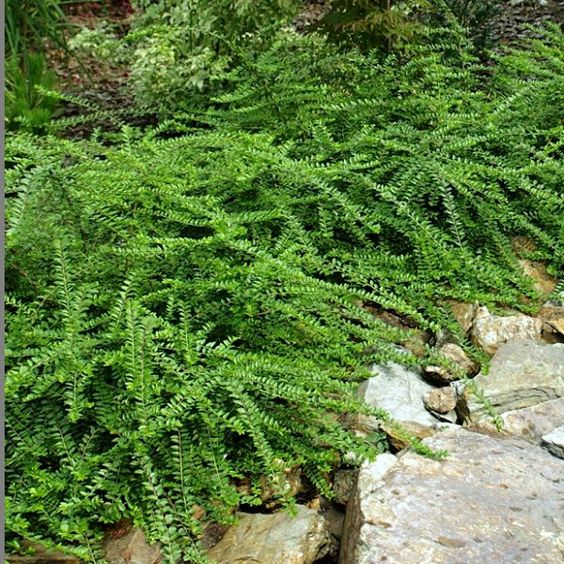 Lonicera pileata (Source Pinterest)
On a heavy and wet bank - Dogwood (Cornus stolonifera Flaviramea)
In heavy, sticky soil like freshly excavated clay from a construction site, decorative dogwoods (Cornus stolonifera, C. sericea, or C. Alba) thrive particularly well. They grow in all waterlogged soils and do not fear clay soils, unlike many groundcover shrubs.
Plant it at the bottom of a partially shaded or sunny bank. Count 1 to 3 plants per m² maximum for rapid coverage. After 3 years of planting, shear it back to 30 cm above the ground at the end of winter, both to obtain beautiful branches that will turn yellow the following winter and to prevent it from growing too tall. With age, Cornus stolonifera takes on a bushy form and loses its groundcover character that it exhibits when young.
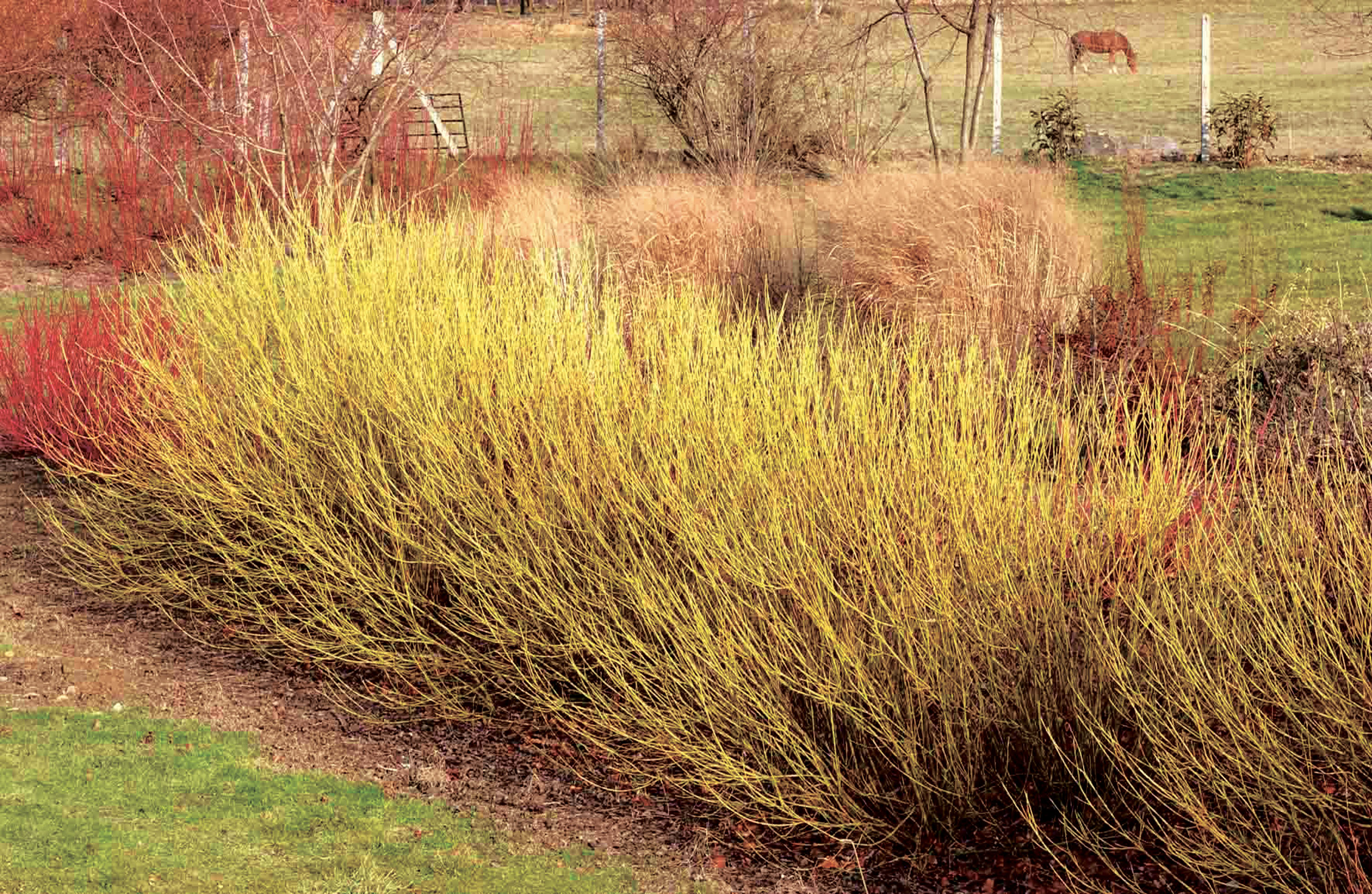 Cornus stolonifera Flaviramea
On a very steep bank - Groundcover Rose Emera
They are thought to be fragile and delicate, but roses have powerful roots that go deep into the ground and stabilise the terrain perfectly. Groundcover roses are favourites, particularly the Emera rose, for quickly covering a very steep terrain. This rose, both fast-growing, sturdy, and highly floriferous, can cover 1 m² within the first year of planting.
Plant it from the bottom to the top of a bank and count 1 to 2 plants per m² on average. During the first year of planting, monitor watering, especially in summer. While it grows quickly, the Emera rose requires water in its first year, particularly in summer, to establish its root system. Installing a membrane (preferably biodegradable) is essential on a very steep bank and will help the rose settle in more quickly.
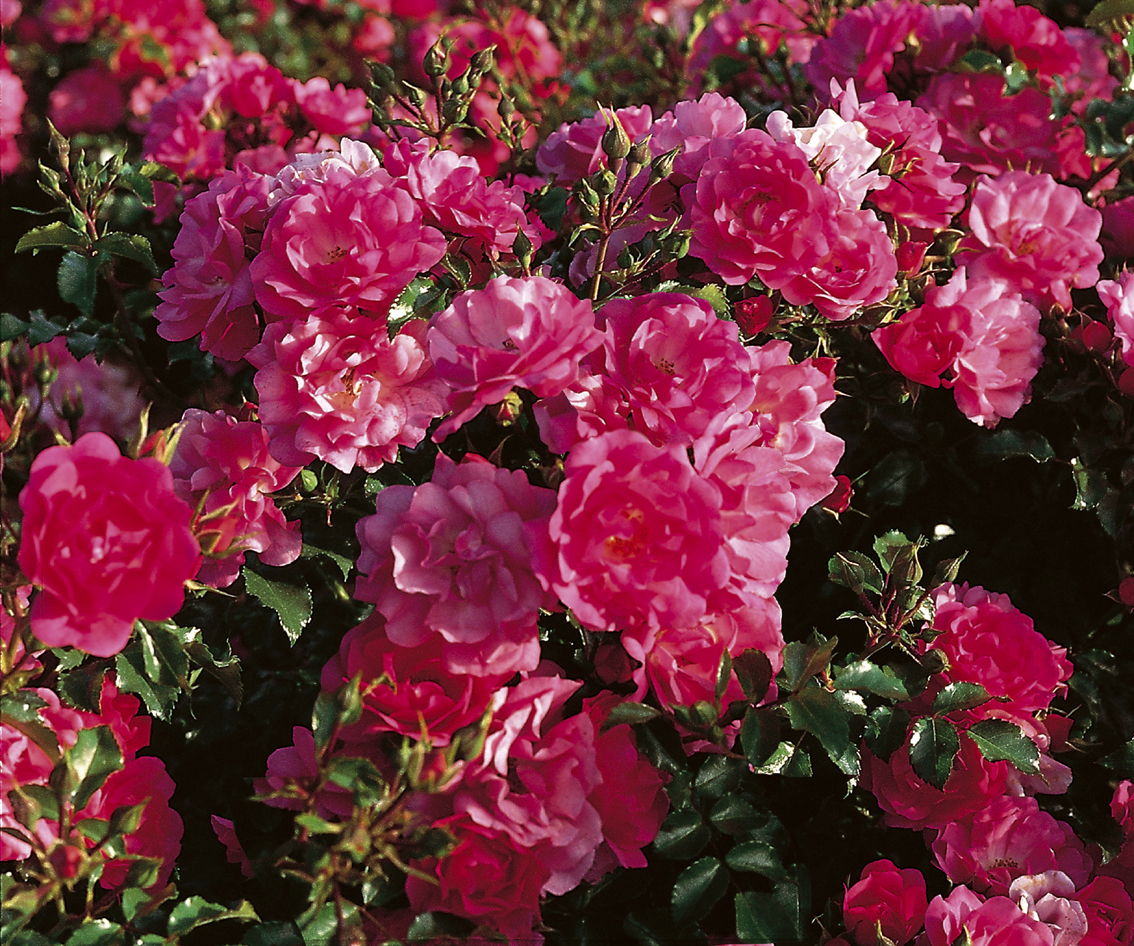 Rose Emera

Comments