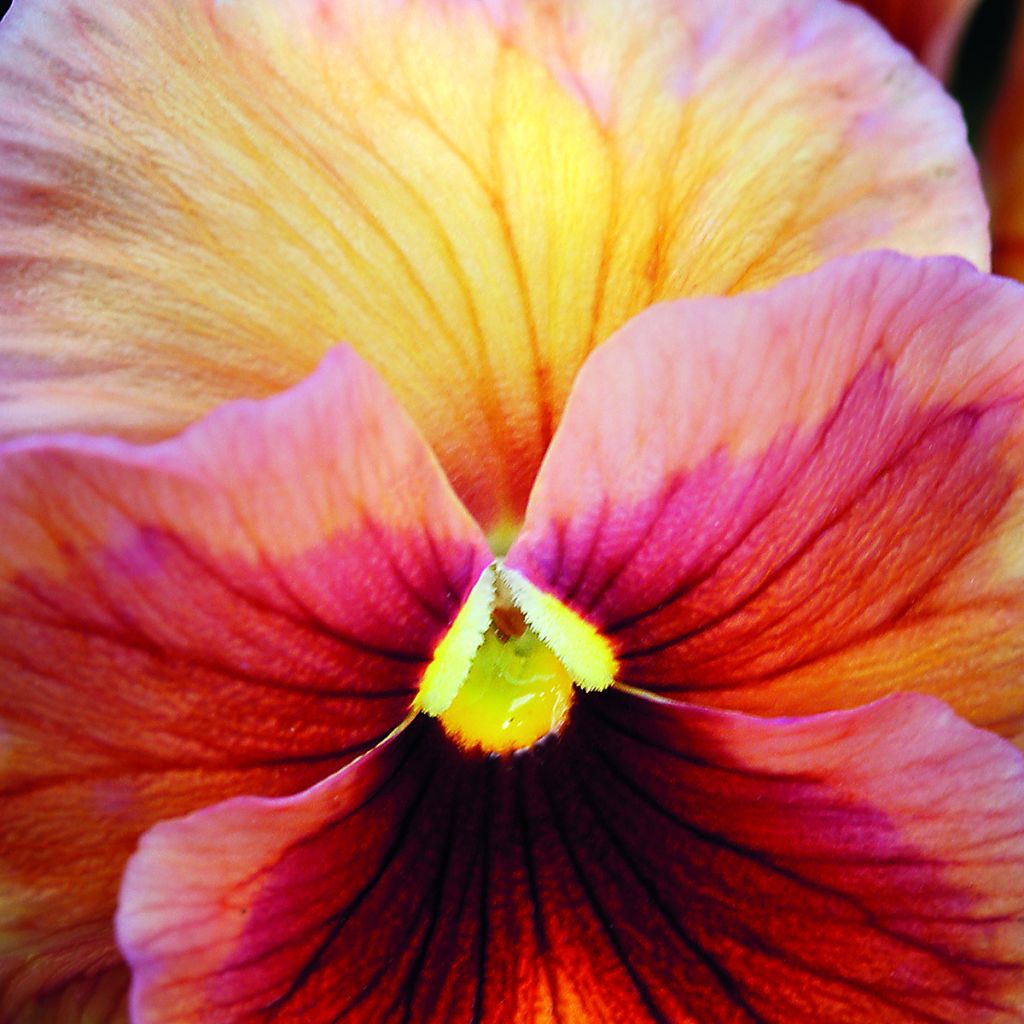
Viola x wittrockiana Inspire® Peach Shades - Pansy
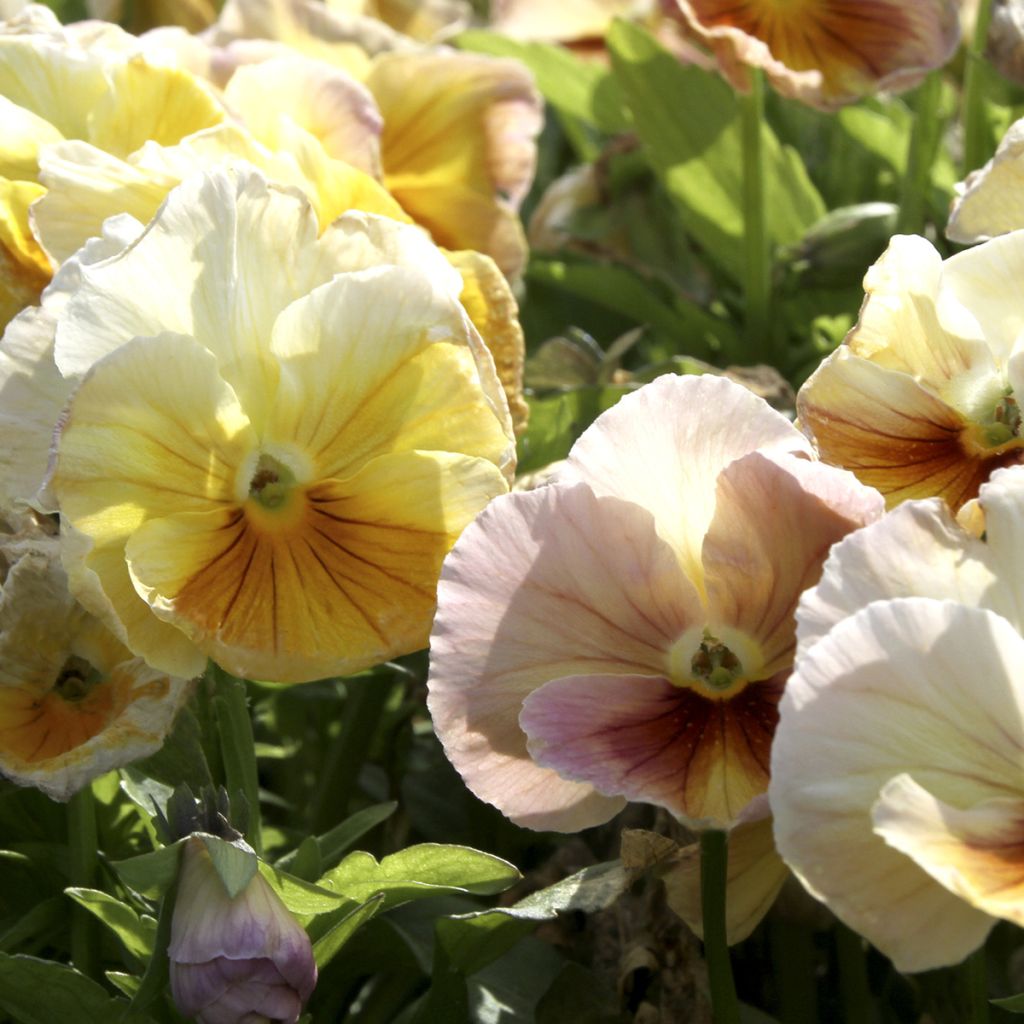
Viola x wittrockiana Inspire® Peach Shades - Pansy
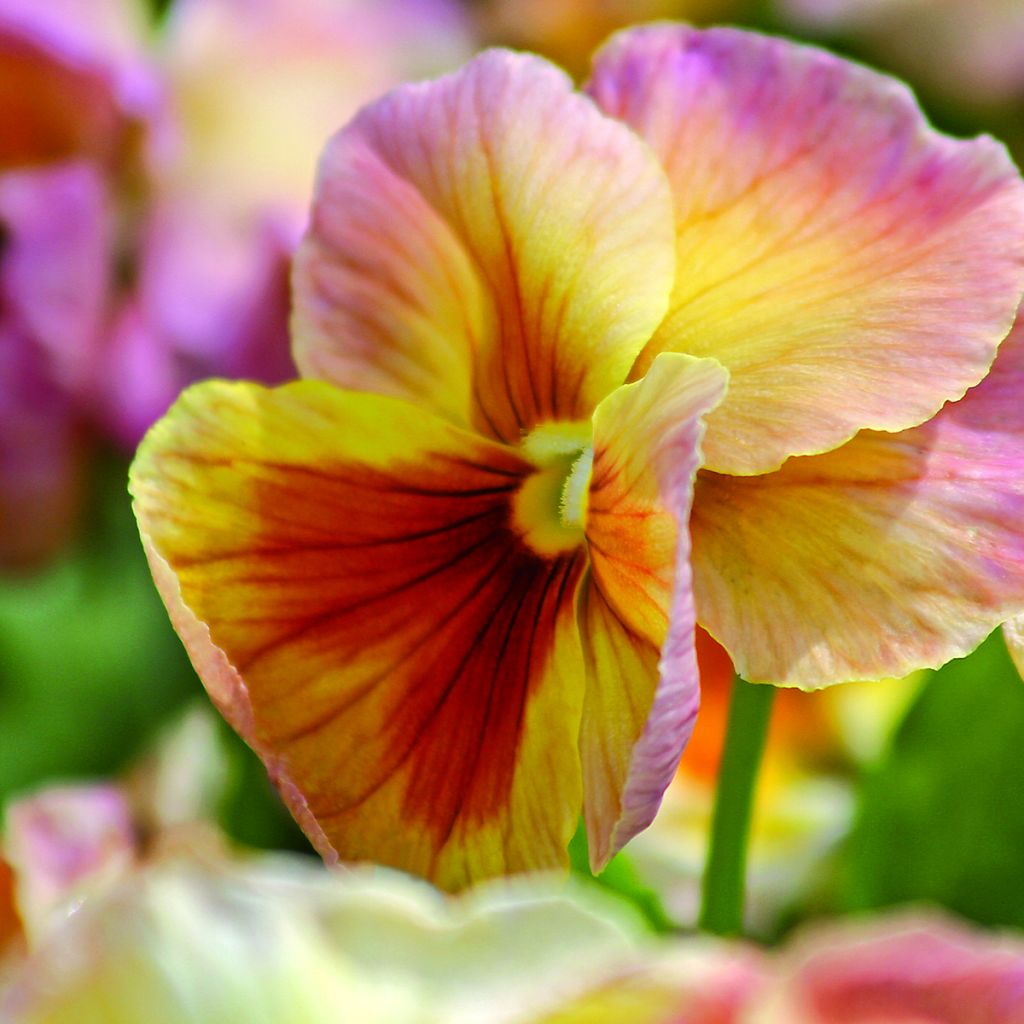
Viola x wittrockiana Inspire® Peach Shades - Pansy
Viola x wittrockiana Inspire® Peach Shades - Pansy
Viola x wittrockiana 'VW0102R/E' Inspire® Peach Shades
Garden Pansy
Back-to-school special offer!
Get €10 off for every €50 you spend! And get up to €40 off on a single order.
How does it work?
1. Shop your favourites
Add your favourite plants to your basket. For every €50 you spend (excluding delivery charges, store credit and the plastic-free option), you’ll receive a €10 voucher.
€50 spent = €10 voucher
€100 spent = €20 voucher
€150 spent = €30 voucher
€200 spent = €40 voucher
2. Place your order
Once your basket reaches one of the spending thresholds, place your order. You can even choose your delivery date!
3. Receive your voucher
As soon as your order has been shipped, you’ll receive an email containing your personal voucher code and its value.
4. Use it on your next order
Your voucher is valid for 90 days from the date you receive it. It can be used once only, on a new order worth at least the value of the voucher, excluding delivery charges.
Please note: Vouchers can be combined with other offers, but cannot be split or refunded.
Home or relay delivery (depending on size and destination)
Important: You may be charged customs duties by your country’s customs authorities upon delivery.
Schedule delivery date,
and select date in basket
This plant carries a 6 months recovery warranty
More information
We guarantee the quality of our plants for a full growing cycle, and will replace at our expense any plant that fails to recover under normal climatic and planting conditions.
Does this plant fit my garden?
Set up your Plantfit profile →
Description
Les Graines de Pensée Inspire Peach Shades permettent de cultiver à moindre coût cette variété hybride au port compact de Viola x wittrockiana, idéale pour colorer massifs, jardinières et bordures de ses teintes tendres et nuancées de pêche, crème, miel et rose. Ses grandes fleurs au cœur parfois marqué s’épanouissent dès l’automne et jusqu’au printemps. Facile à cultiver, elle apprécie les sols bien drainés et modérément riches. Semez-les de février à avril pour une floraison d’été ou de juin à août pour une floraison au printemps suivant.
La Pensée à grandes fleurs Inspire Peach Shades, de nom botanique Viola × wittrockiana Inspire® Peach Shades, appartient à la famille des Violacées. Il s'agit d'un cultivar hybride F1 développé par la société allemande Benary, issu de croisements entre plusieurs espèces de Viola, notamment Viola tricolor, Viola lutea et Viola altaica, originaires d'Europe et d'Asie tempérée, où elles poussent naturellement dans les prairies et les zones boisées. Inspire Peach Shades se distingue par son port compact et buissonnant, atteignant une hauteur de 15 à 20 cm en pleine terre et en pot, avec une envergure similaire. Sa croissance est modérée, avec un temps de culture de 25 à 26 semaines au printemps et de 10 à 12 semaines en automne. Les fleurs, de grande taille (5 à 7 cm de diamètre), présentent des teintes variées de rose, abricot, miel et crème, avec des pétales légèrement ondulés et parfois des macules plus foncées. La floraison s'étend de l'automne au printemps, avec une pause pendant les périodes de gel intense. La pollinisation est principalement entomophile, attirant abeilles et papillons. Les fruits sont des capsules déhiscentes contenant de petites graines. Le feuillage est composé de feuilles ovales à bords crénelés, de couleur vert franc, caduques. Les tiges sont courtes, robustes et légèrement velues. Le système racinaire est fasciculé, superficiel et sensible à l'excès d'humidité, nécessitant un sol bien drainé. Les fleurs de Viola × wittrockiana sont comestibles et utilisées pour décorer des plats, notamment des desserts et des salades.
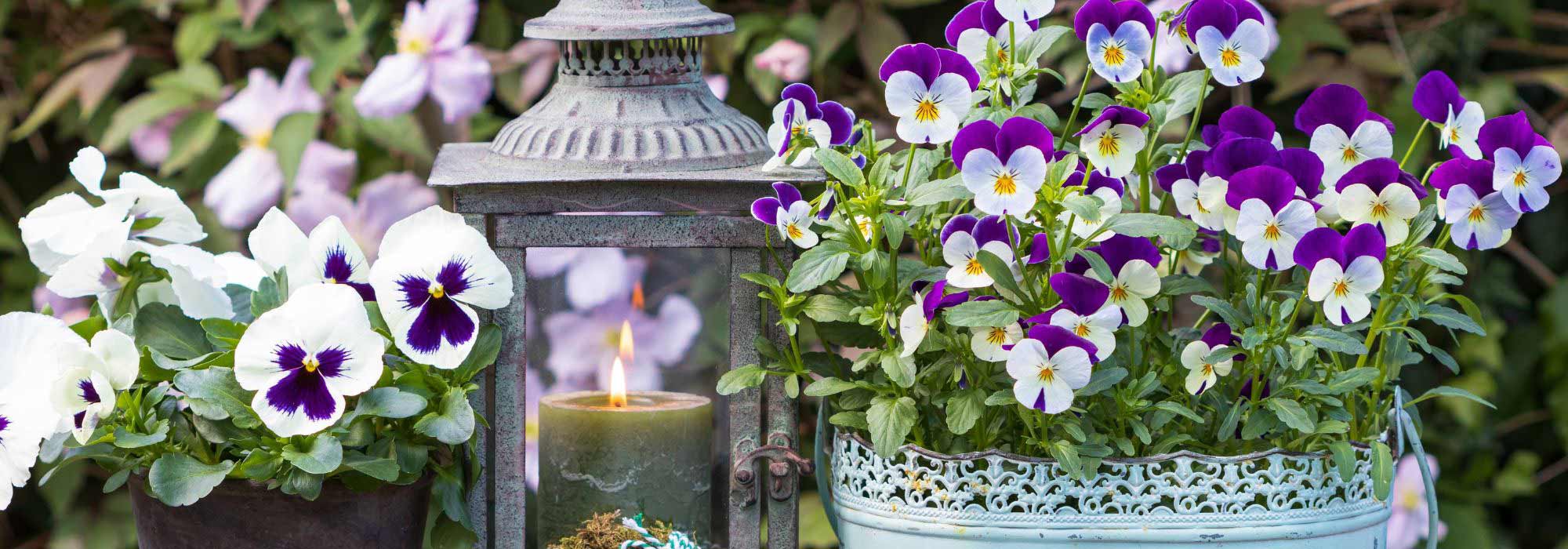
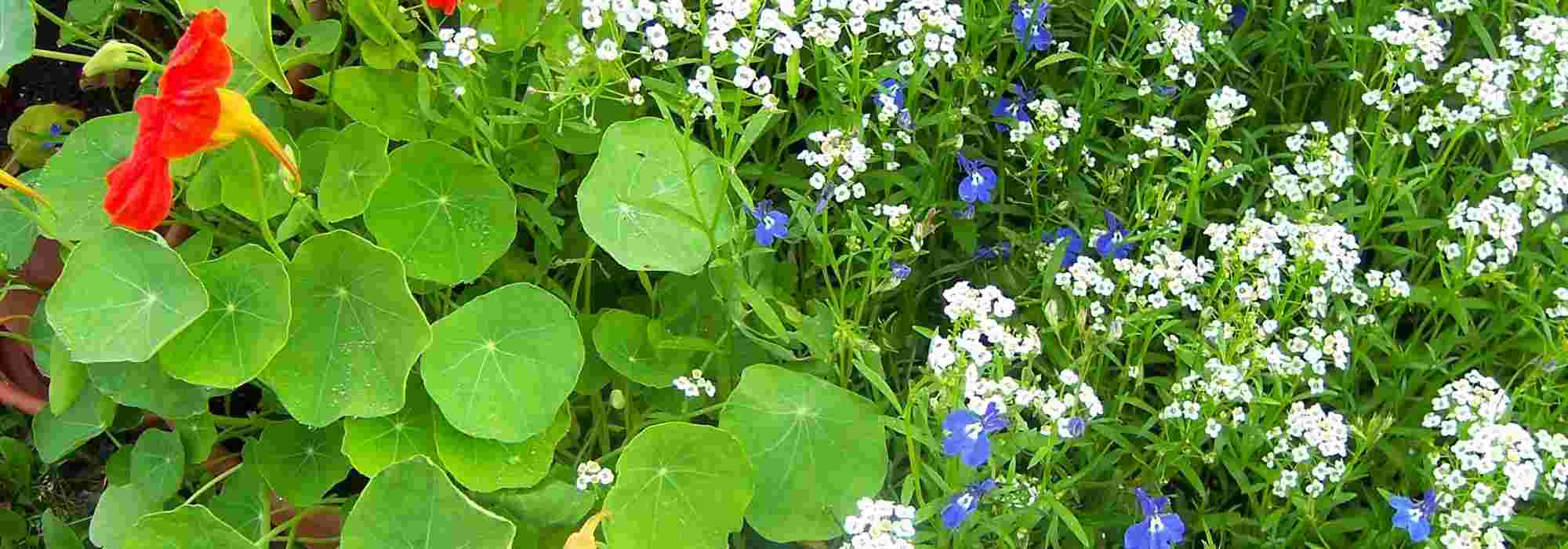
Dans un jardin soigné ou une scène plus libre, la pensée Inspire Peach Shades peut border une allée de gravier clair, glissée entre des touffes de myosotis bleus ou de narcisses pâles, pour un dialogue tendre entre les floraisons précoces. En pot, elle trouve toute sa grâce dans une coupe en terre cuite patinée, accompagnée de l’heuchère ‘Caramel’ dont les feuillages ambrés prolongent ses teintes chaudes, ou encore du carex ‘Evergold’ pour la légèreté et le contraste graphique.
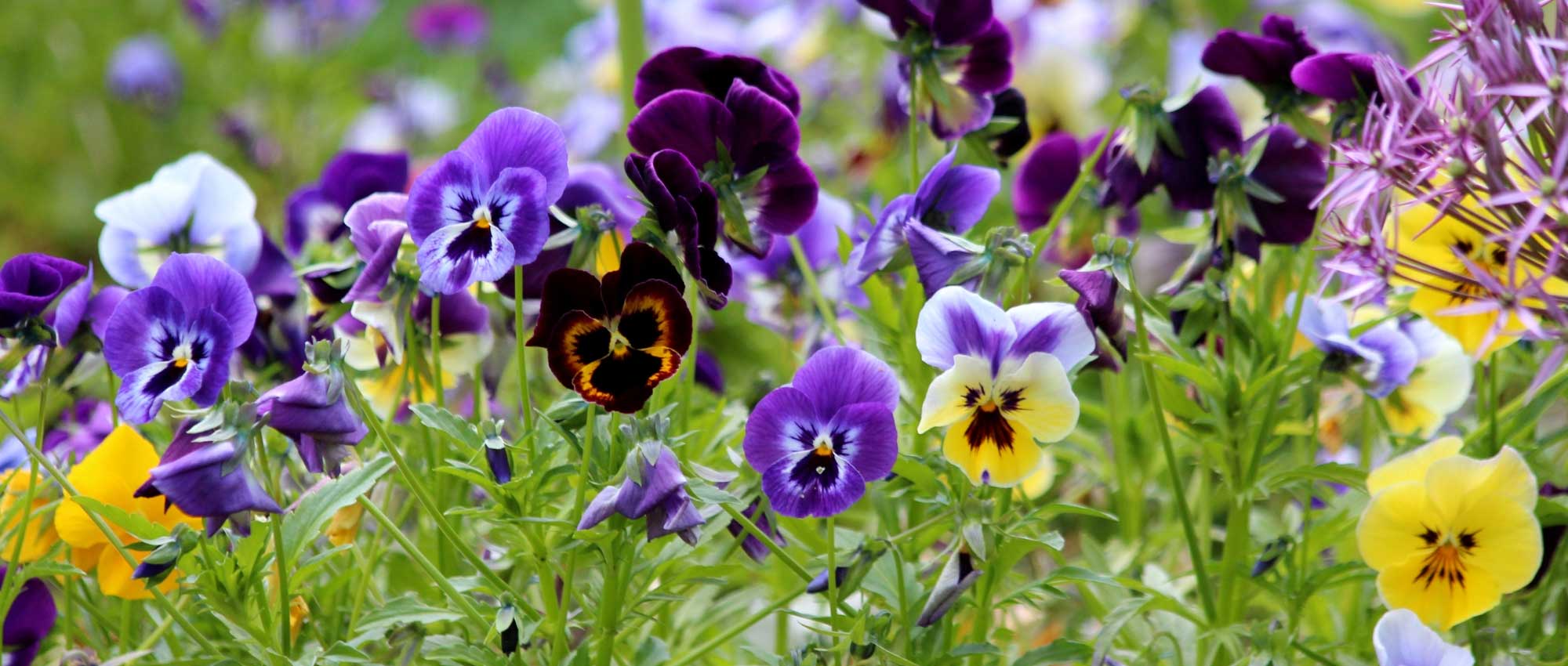
Viola x wittrockiana Inspire® Peach Shades - Pansy in pictures
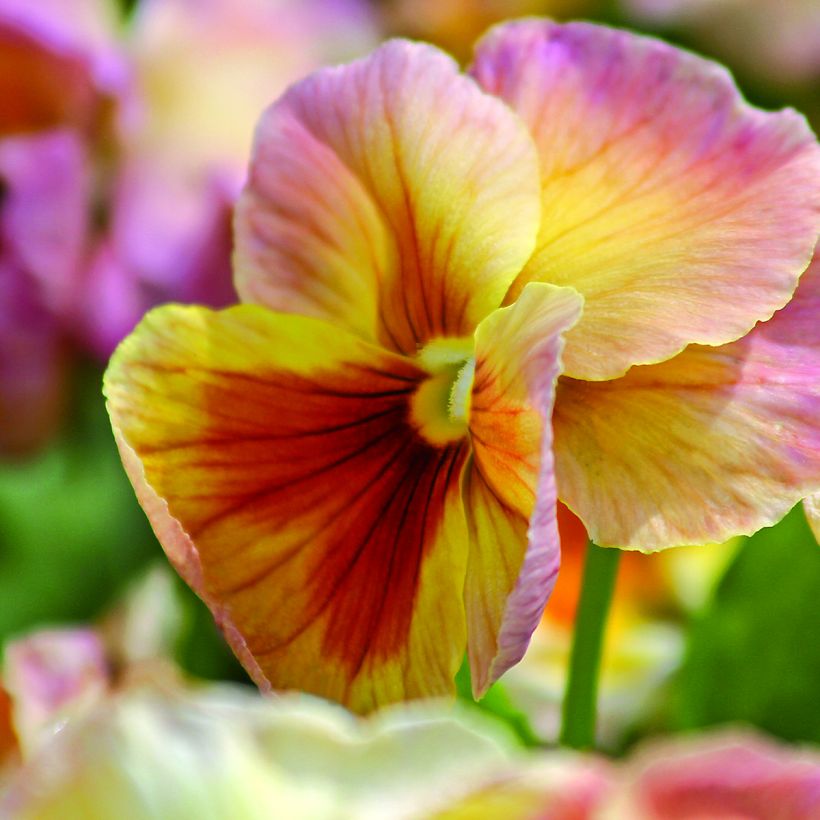
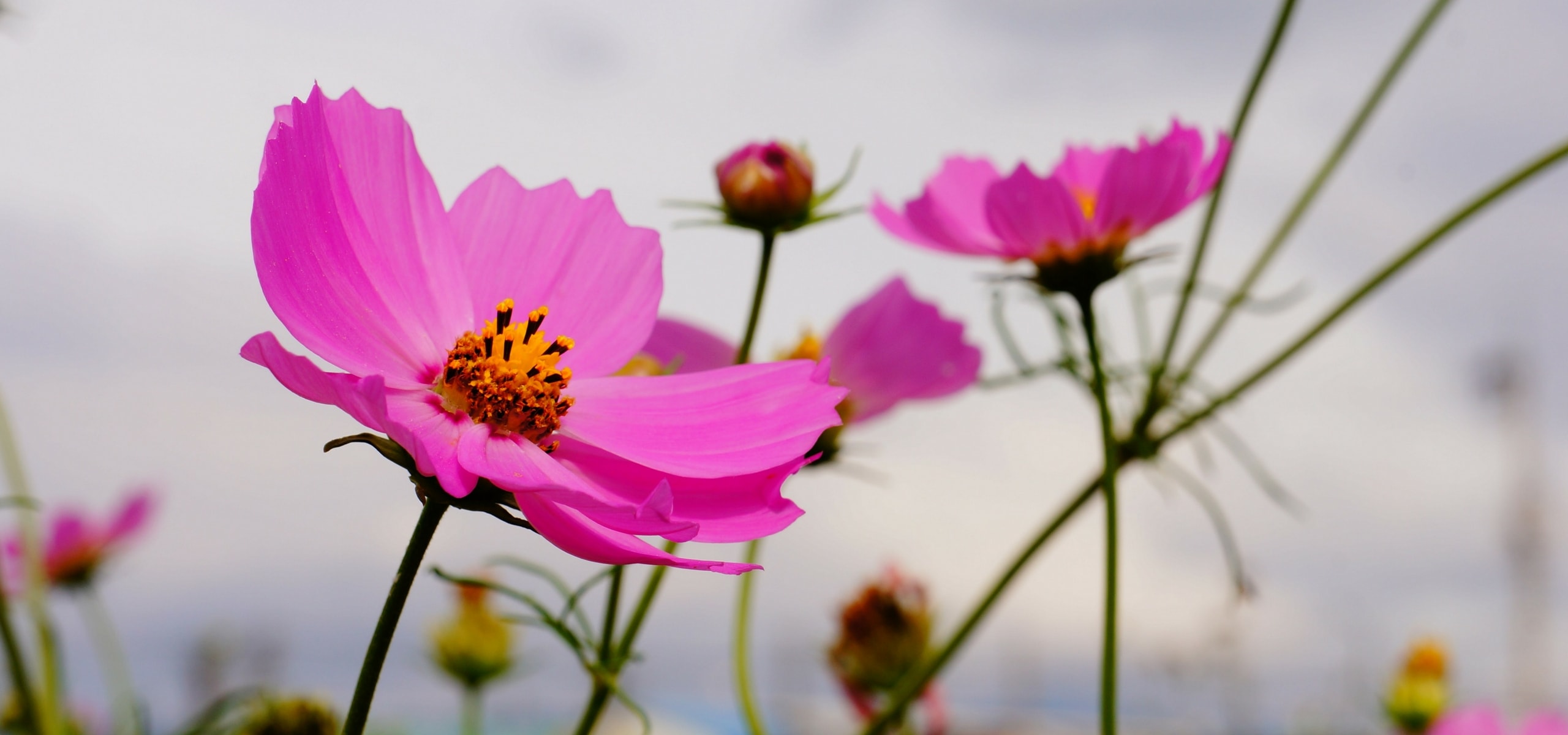
Flowering
Foliage
Plant habit
Botanical data
Viola
x wittrockiana
'VW0102R/E' Inspire® Peach Shades
Violaceae
Garden Pansy
Cultivar or hybrid
Planting and care
Calendar: sow 'Inspire Peach Shades' pansies from February to April for summer flowering, or from June to August for flowering the following spring.
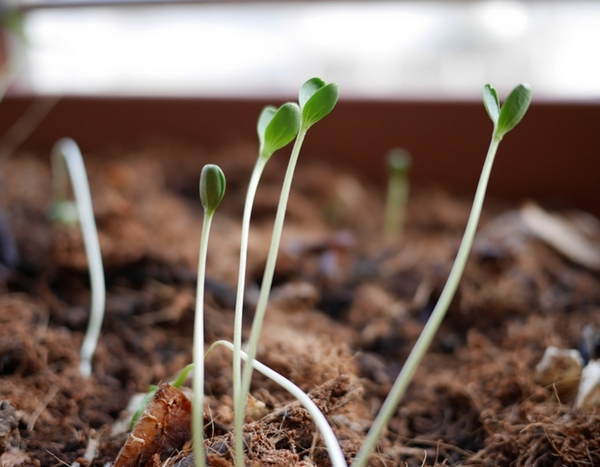
In a tray filled with good sowing compost, bury the seeds at a depth of 1.5 mm and cover, with a sheet of newspaper for example, as darkness is beneficial for germination. Maintain at a temperature between 15-18°C while keeping the soil moist. Germination takes between 14 and 21 days. Be careful of temperatures that are too high, which prevent seedling emergence.
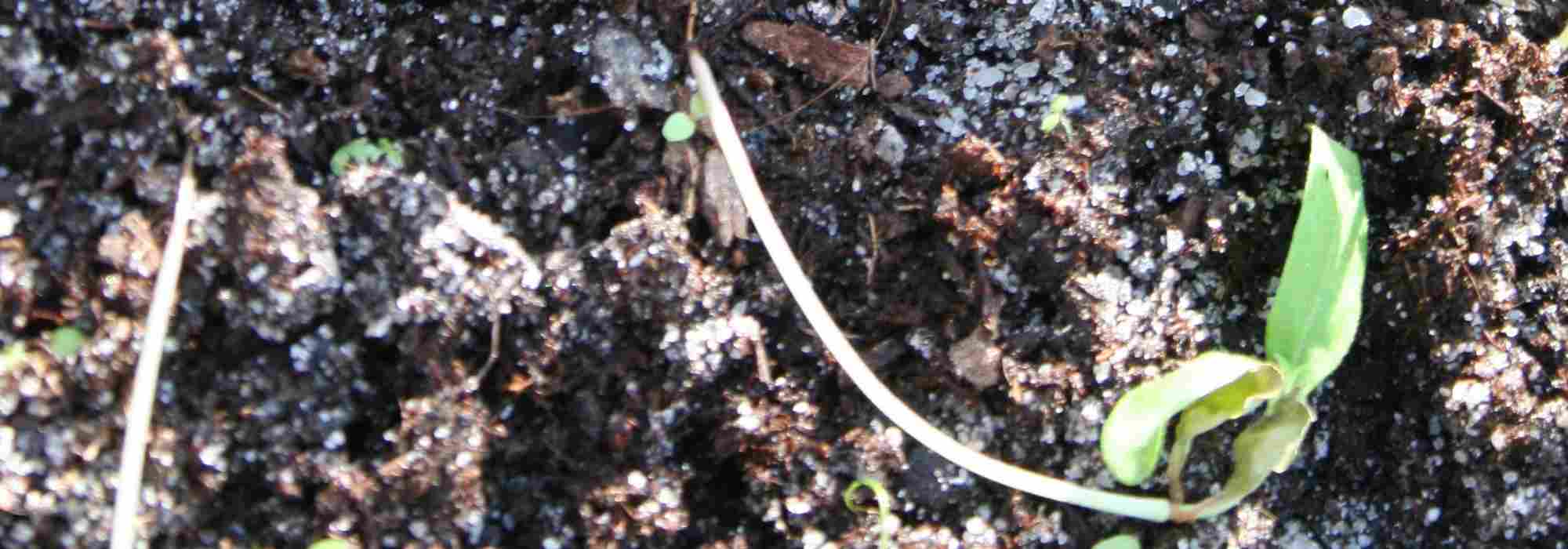
When the seedlings are developed enough to be handled, transplant into pots and allow your young plants to develop by gradually acclimatising them to outdoor conditions over about two weeks. Plant your pansies in the garden, 25/30 cm apart, in sun or partial shade.
For late winter/early spring sowings, wait until all risk of frost has passed.
Sowing period
Intended location
Planting & care advice
-
-
-
-
-
-
-
-

This item has not been reviewed yet - be the first to leave a review about it.
Recently viewed products
Haven't found what you were looking for?
Hardiness is the lowest winter temperature a plant can endure without suffering serious damage or even dying. However, hardiness is affected by location (a sheltered area, such as a patio), protection (winter cover) and soil type (hardiness is improved by well-drained soil).
In temperate climates, pruning of spring-flowering shrubs (forsythia, spireas, etc.) should be done just after flowering.
Pruning of summer-flowering shrubs (Indian Lilac, Perovskia, etc.) can be done in winter or spring.
In cold regions as well as with frost-sensitive plants, avoid pruning too early when severe frosts may still occur.
The harvesting period indicated on our website applies to countries and regions in USDA zone 8 (France, England, Ireland, the Netherlands).
In colder areas (Scandinavia, Poland, Austria...) fruit and vegetable harvests are likely to be delayed by 3-4 weeks.
In warmer areas (Italy, Spain, Greece, etc.), harvesting will probably take place earlier, depending on weather conditions.
The sowing periods indicated on our website apply to countries and regions within USDA Zone 8 (France, UK, Ireland, Netherlands).
In colder areas (Scandinavia, Poland, Austria...), delay any outdoor sowing by 3-4 weeks, or sow under glass.
In warmer climes (Italy, Spain, Greece, etc.), bring outdoor sowing forward by a few weeks.
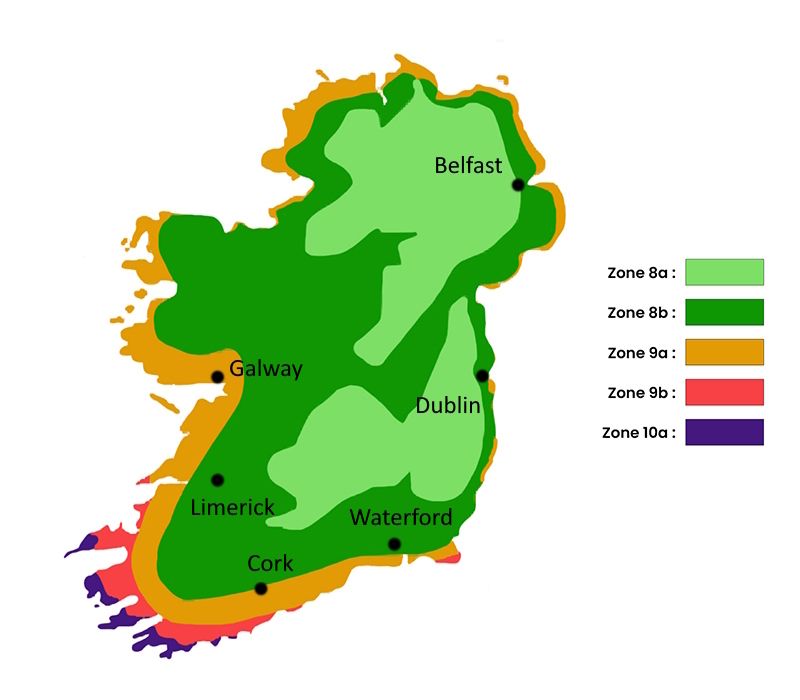
The planting period indicated on our website applies to regions in USDA Zone 9a (East Coast and Midlands: Dublin, Wexford, Waterford, Kilkenny, Portlaoise). It will vary depending on where you live:
- On the west coast and in the north-west (Galway, Limerick, Sligo, Donegal, Westport), delay planting by 1 to 2 weeks in spring and bring it forward by 1 to 2 weeks in autumn compared to the dates given, preferably choosing periods without strong winds.
- In the inland hills and plateaus (Wicklow Mountains, Macgillycuddy’s Reeks, Connemara, Killarney), it is best to plant in spring (April–May) or autumn (September–October), avoiding periods of waterlogged soil in winter and strong winds, which pose the main risk to newly planted trees in these areas.
The flowering period indicated on our website applies to regions in USDA Zone 9a, such as the East Coast and Midlands, including Dublin, Wexford, Waterford, Kilkenny and Portlaoise.
This will vary depending on where you live:
- On the west coast and in the northwest (Galway, Limerick, Sligo, Donegal and Westport), it will be delayed by one to two weeks compared to the given dates, due to stronger Atlantic winds and less spring sunshine.
- In the inland hills and plateaus (the Wicklow Mountains, the Macgillycuddy's Reeks, Connemara and Killarney), flowering will be delayed by two to three weeks. Flowering mainly occurs between May and July, with the limiting factors being less frost and more of the excessive humidity, strong winds and lack of sunshine that are characteristic of these areas.
Shipping country and language
Your country of residence may be:
Your country of residence is:
For a better user experience on our website, you can select:
Your shipping country:
-
 Austria
-
 Belgium
-
 Bosnia & Herzegovina
-
 Bulgaria
-
 Croatia
-
 Cyprus
-
 Czechia
-
 Denmark
-
 Estonia
-
 Finland
-
 France
-
 Germany
-
 Greece
-
 Hungary
-
 Iceland
-
 Ireland
-
 Italy
Italy
-
 Latvia
-
 Liechtenstein
-
 Lithuania
-
 Luxembourg
-
 Malta
Malta
-
 Netherlands
-
 Poland
-
 Portugal
-
 Romania
-
 Serbia
-
 Slovakia
-
 Slovenia
-
 Spain
Spain
-
 Sweden
-
 Switzerland
Language:
-
French
-
 English
-
Spanish
-
Italian
-
German
-
Portuguese
-
Dutch
-
Finnish
My Account
Hello
My wish lists
My cart
Log in / Register
Existing customer?
This form is protected by reCAPTCHA - the Google Privacy Policy and Terms of Service apply.
New customer?
Create an account to track your orders, access our customer service and, if you wish, make the most of our upcoming offers.