





























Which cabbage to choose for cooking?
Choosing your cabbage according to your recipe
Contents
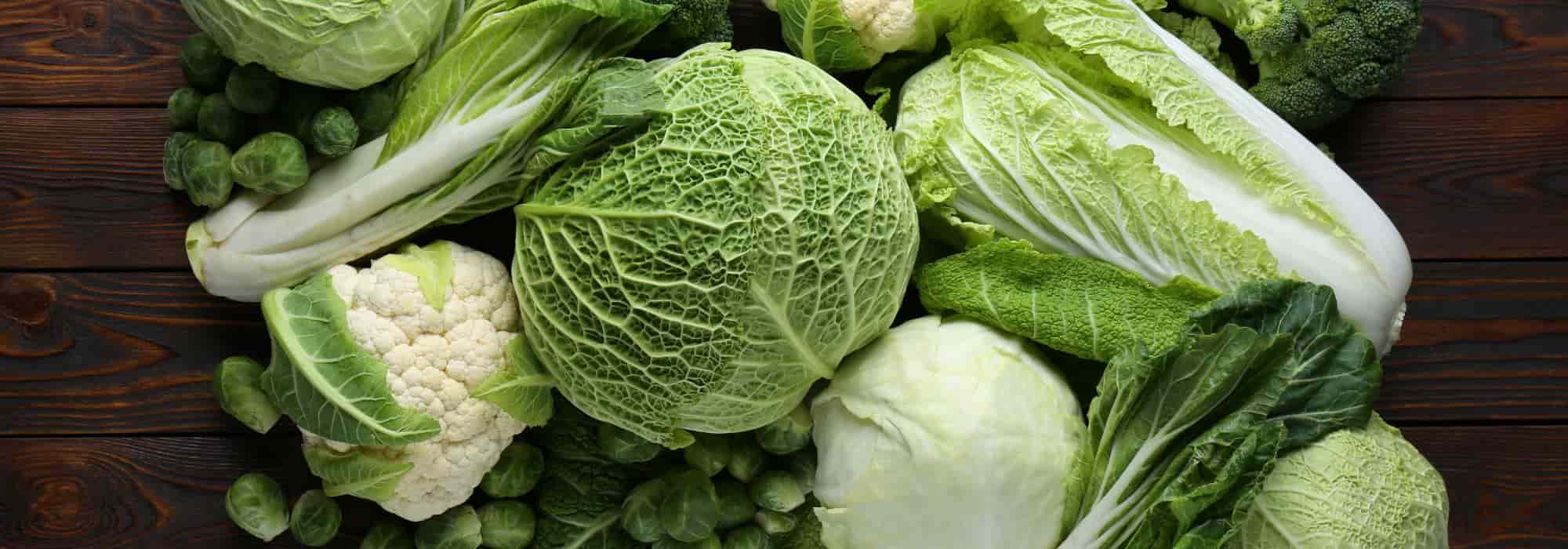
Cabbages come in all shapes and sizes! From small Brussels sprouts to large Quintal d’Alsace cabbage, not to mention Chinese cabbage, curly kale, or cauliflower, it can be tricky to know which one to choose based on your preferences and dishes. And, each variety of cabbage has its own texture, taste, and culinary use: raw, as a snack, in salads, in sauerkraut, braised, in soups, baked, or in gratins. Discover which cabbage to use (and plant) according to your recipes.

For sauerkraut
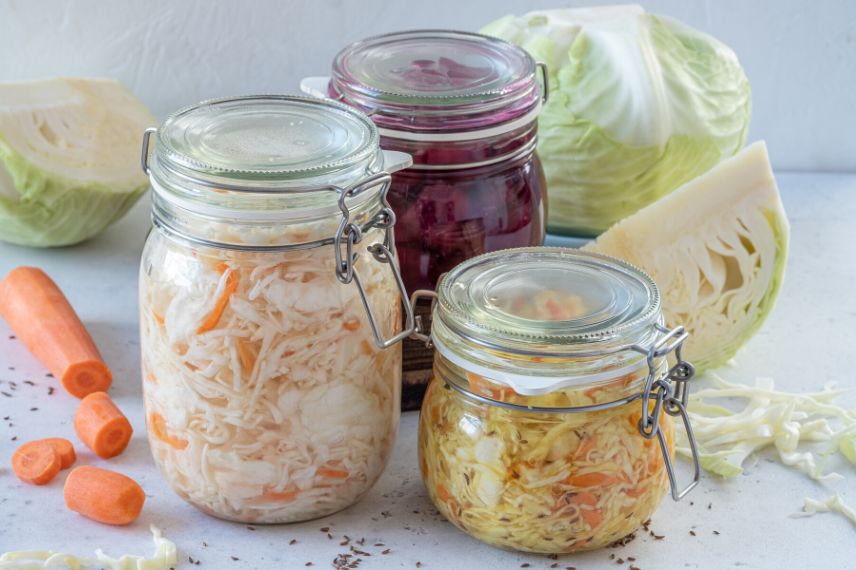
Originating from Alsace, sauerkraut is a culinary specialty made with raw fermented cabbage. It is often served with bacon, cold cuts, sausages, or fish. Traditionally, cabbages known as white cabbages or headed cabbages are used for preparing sauerkraut. Indeed, with their firm texture and slightly tangy flavour, these are the most commonly used cabbages, such as Quintal d’Alsace cabbage, Filderkraut cabbage, and Brunswick Cabbage.
Red cabbage (Large Red Cabbage) also belongs to the category of headed cabbages. Red cabbages have a sweeter flavour than white cabbages and provide a lovely dark pink colour when prepared as sauerkraut.
The Milan cabbage can also be used in sauerkraut preparation. However, it tends to have a much stronger taste and emits a strong odour during fermentation, which may not be pleasant for delicate palates. Instead, reserve it for gratins, stuffed cabbage, and creamy soups.
For salads
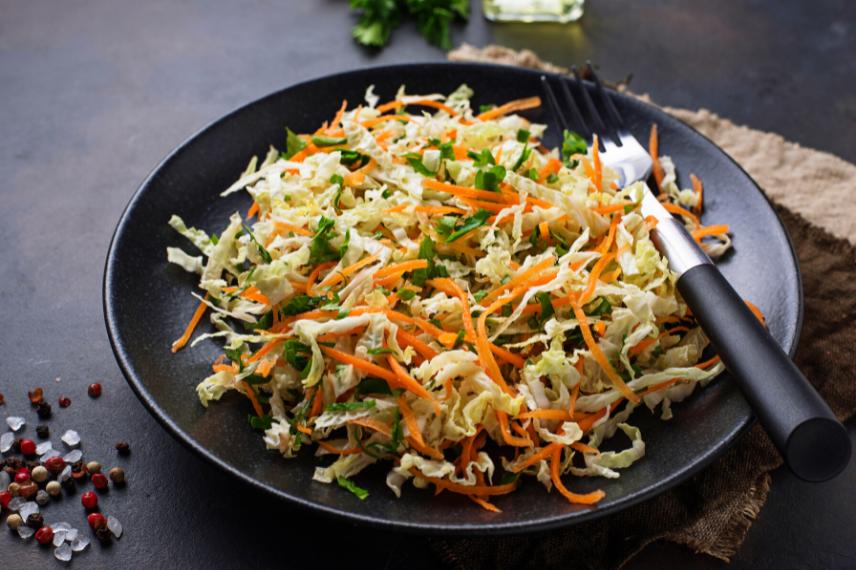
Some varieties of cabbage can be enjoyed raw, typically shredded into julienne, to enhance beautiful composed salads. Here are a few ideas:
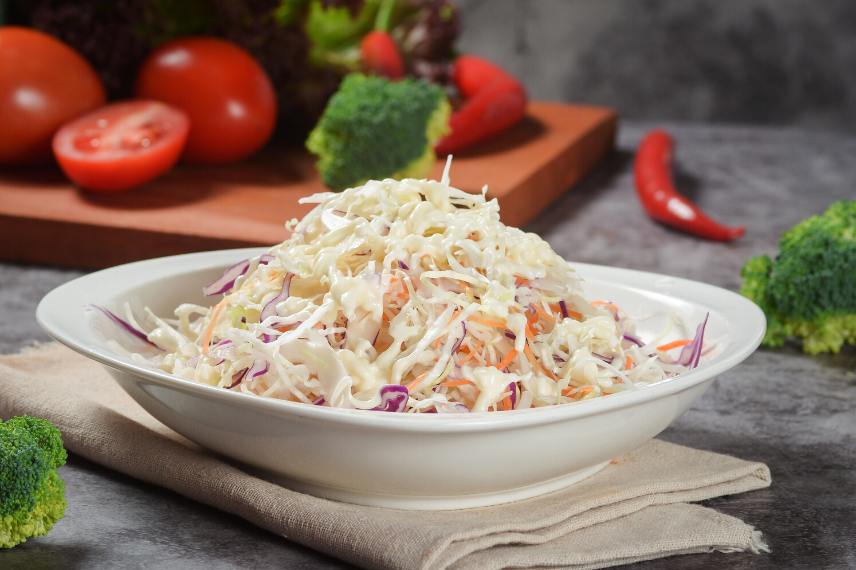
- For instance, white cabbage (or round-headed cabbage) is used in coleslaw, that famous white cabbage salad combined with grated carrots, sometimes accompanied by chopped bell pepper, all elevated by a mayonnaise dressing. And why not add a bit of grated celery?
- Simply grated and dressed or incorporated into a composed salad, red cabbage adds crunch and colour to the plate. Its slightly sweet flavour also pairs very well with pieces of apple and hazelnuts.
- Broccoli and its cousin Romanesco can be prepared both raw and cooked. We can break their florets into small pieces to serve in a salad, with rocket or young lettuce shoots, parmesan, and a few walnut halves or cherry tomatoes.
- Kohlrabi is consumed raw, finely chopped, in salad or carpaccio with a drizzle of olive oil and a few capers. Its delicate taste has a flavour reminiscent of chestnut, hazelnut, and radish.
- With its crunchy texture, curly kale is eaten in salad, when finely sliced. It can be accompanied by fresh nuts, raisins, and pieces of apple, all dressed with vinaigrette.
- Chinese cabbage is highly valued for its much milder flavour compared to other varieties of cabbage and its crunchy leaves. It is mainly shredded into julienne to prepare delicious Asian salads, accompanied by bean sprouts, cashew nuts, all enhanced with soy sauce or nuoc-mâm.
In a pot of cabbage
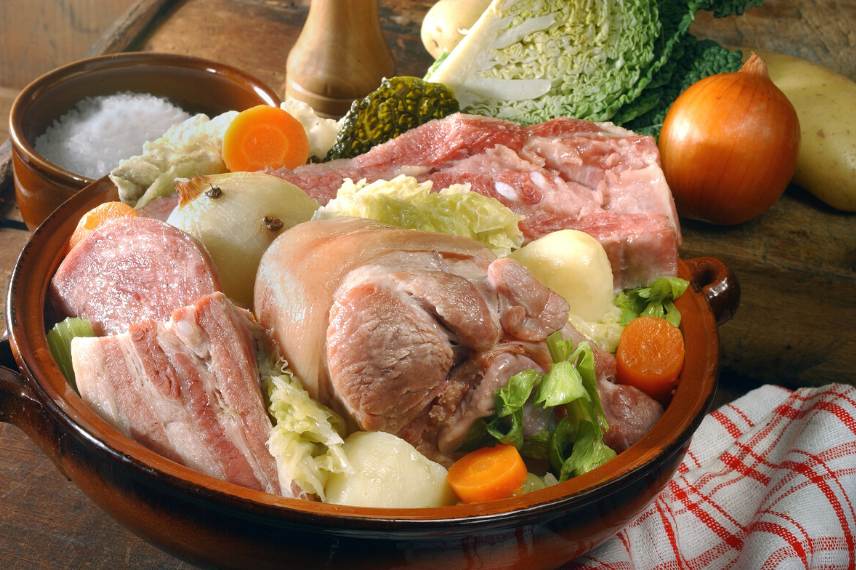
Traditional European dish, potée is a recipe that combines cabbage, carrots, turnip, celery, and meat, mainly bacon, sausages, or ham. Pork is sometimes replaced by mutton, beef, or veal, somewhat like a stew. This potée can also be enhanced with potatoes. It is sometimes referred to as Auvergnate, Lorraine, or Limousine potée depending on the region and the recipe.
The cabbage used for homemade potée is generally curly kale or green cabbage (Milan cabbage). These varieties of cabbage have a crunchy texture and a slightly bitter flavour, which pairs well with the other ingredients in the potée. It is possible to use other types of cabbage such as red cabbage, white cabbage, or cauliflower to vary the recipes and flavours. And these cabbages can even be included in the stew! So, let your creativity flow and get cooking!
Read also
6 Chinese cabbages to discoverBraised stir-fry
Braised cabbage is a recipe or rather a way to cook cabbage: the vegetable is first cut into julienne, then cooked with fat in a pan. To achieve braised cabbage, you can use white cabbage, but also red cabbage, or Milan cabbage. The advantage of this cooking method is its speed, but also that you can pair cabbage with many other ingredients: potatoes, carrots, lardons, sausages, tomatoes, etc. This allows for a variety of recipes based on your preferences.
With its slightly sweet flavour, red cabbage is delicious when slowly cooked with pieces of apples. Also add some onions to create a delightful cabbage confit that will perfectly accompany a roast or poultry.
You can also braise broccoli, in a delicious sauté with onions, lardons, and potatoes or with tomato sauce.

For Asian recipes
To create delicious Asian recipes, the main ingredient used is a cabbage native to Asia, the Chinese cabbage. Resembling an elongated lettuce, Chinese cabbage, also known as Pak Choi or Pé Tsaï, has a head that is light green to pale yellow in colour, with a milder flavour than other cabbages. Raw, it can be shredded into julienne to enhance mixed salads, with grated carrots, bean sprouts, sesame oil, peppers, soy sauce, or nuoc-mâm. It can also be replaced (or combined) with white cabbage (cabbage) or red cabbage.
Cooked, it is stir-fried in a wok with various ingredients, such as carrots, sugar snap peas, peppers, onions, black mushrooms, soy sauce, oil, all complemented with meat, fish, or prawns.
Steamed
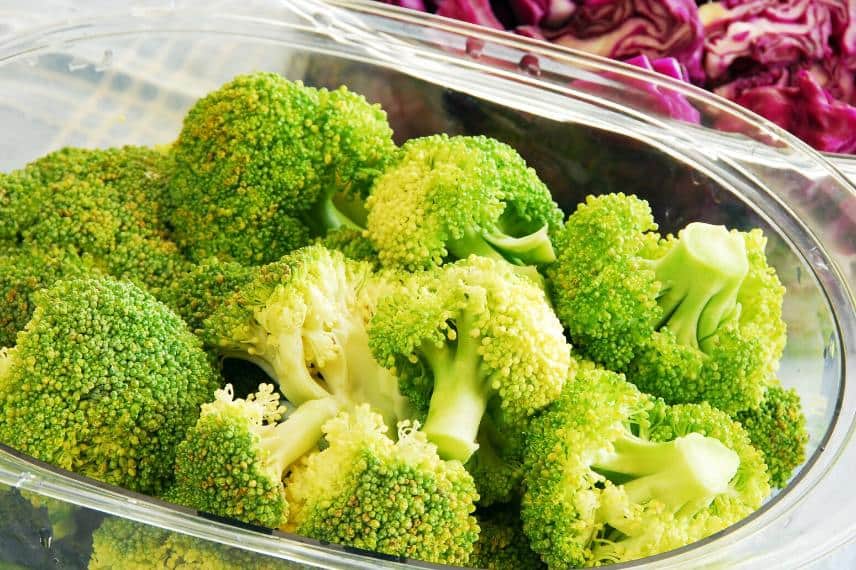
Steaming helps to preserve the nutrients in our food, and this is fortunate, as some cabbages enjoy this cooking method. In particular, the cauliflower, broccoli, and Romanesco cabbage retain their lovely shapes, unlike boiling, which tends to make them wilt. They become tender, ready to be enjoyed or transformed into gratins and purées.
The Milan cabbage, kohlrabi, and Chinese cabbage are also easily cooked by steaming. Once cooked, they can be simply seasoned to complement a salad or to accompany cold cuts or smoked fish.
Brussels sprouts are much more digestible when cooked “al dente”, meaning neither overcooked nor undercooked. Steaming allows for this optimal cooking before serving them with lardons, onions, or in a salad once cooled.
Stuffed cabbage
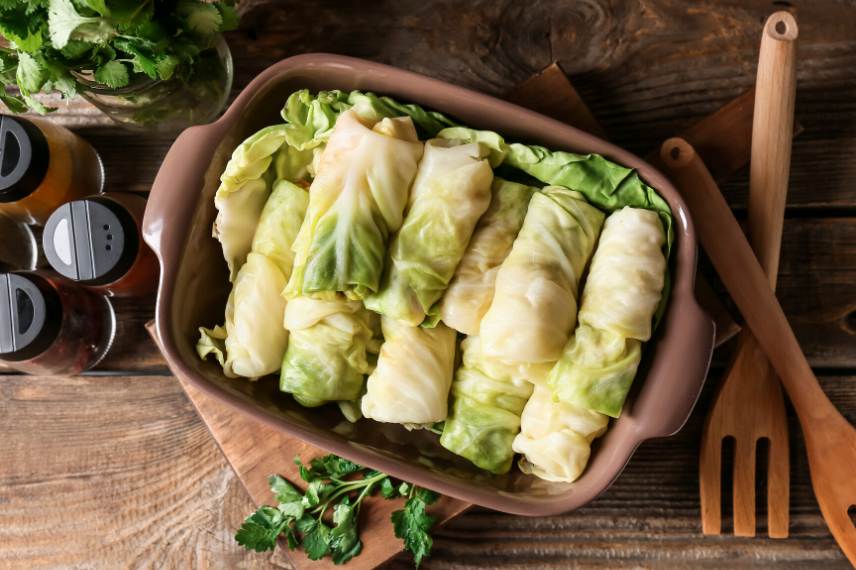
Stuffed cabbage is typically prepared with a filling of beef or pork, seasoned with onions, tomatoes, spices, and possibly mushrooms and rice. This filling is then wrapped in cabbage leaves, and these cabbage rolls are steamed or boiled. Traditionally, leaves of Milan cabbage or curly kale are used for their crunchy textures, as well as for their good cooking stability.
This delicious recipe can also be made with the leaves of a red cabbage for its slightly sweeter taste or a white cabbage for its slightly tangy flavour.
For soups
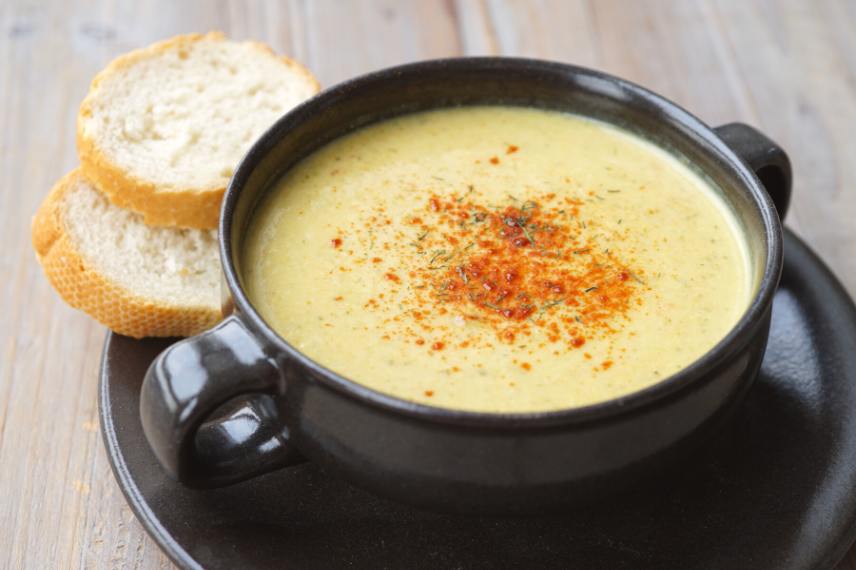
There are several types of cabbage that can be used for a delicious soup recipe, each with different characteristics and flavours.
- The white cabbage is the most common for cabbage soup. It is appreciated for its tender texture, mild and light flavour. It pairs very well with ingredients like potatoes, onions, and carrots.
- The red cabbage is more colourful, but also a bit sweeter, making it the perfect companion for onions.
- The cauliflower is also a good choice for a creamy soup with potatoes and onions as companions.
- The curly kale and the Milan cabbage, which are crunchier and slightly bitter, can add a touch of flavour to a cabbage soup. Add some bacon bits and toasted croutons on top of your bowl for extra indulgence!
In a gratin
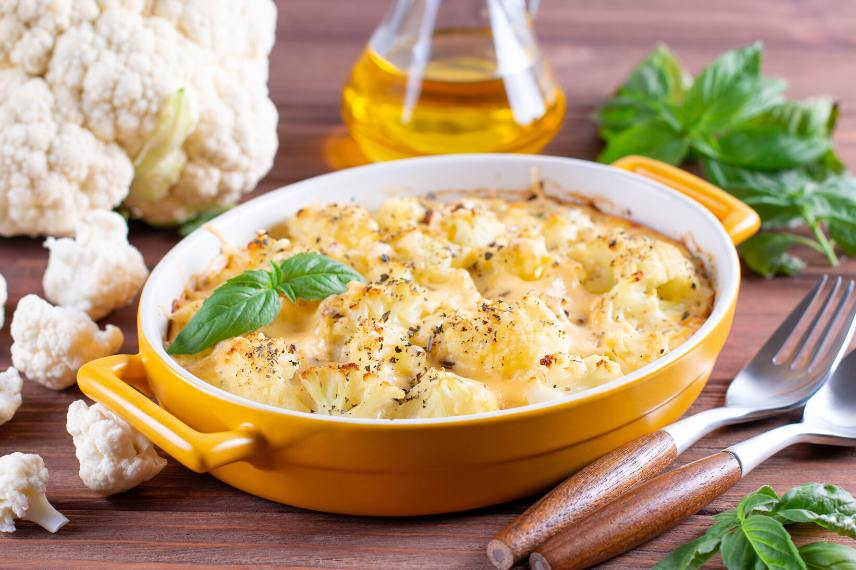
Cabbages are also delightful when baked in a gratin! For a creamy gratin, nothing beats the famous cauliflower, whose tender texture pairs wonderfully with béchamel, milk, grated cheese, and a hint of nutmeg. It can also be combined with potatoes, onions, and lardons for a more complete dish. Note that cauliflower comes in white, orange, or purple to add colour to your plates! However, its colour fades slightly during cooking, leaving lovely pastel shades.
The broccoli and Brussels sprouts also shine in a gratin, under a delicious layer of melted cheese, but also with homemade tomato sauce, small onions, carrots, and potatoes.
And also...
While browsing through cookbooks and the depths of the internet, one quickly realises that there is an astronomical amount of cabbage recipes (not to mention those from my grandmother!). You can even make delicious purées with romanesco cabbage, cauliflower fritters, an apple and red cabbage crumble, or simply enjoy raw cauliflower as a snack with a little herb dip. Broccoli also makes its way onto “four seasons” pizzas, in risottos, or tossed with pasta. So, let your culinary creativity and tastes shine as you try out new recipes. Feel free to share your ideas in the comments!
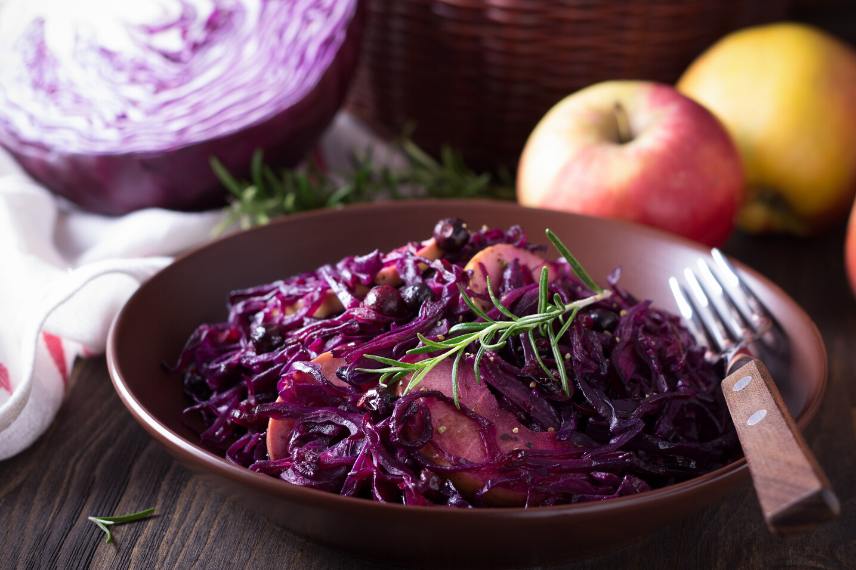
Apple and red cabbage compote
- Subscribe!
- Contents

Comments