





























Do not prune these plants in spring
Mistakes to avoid for a flourishing garden
Contents
As spring arrives and nature wakes up, many amateur gardeners follow suit. They have a sudden desire to buy plants, a wild urge to get back into the garden, feeling the early sunshine and the first shoots and flowering. Some haven’t set foot in the winter garden, so suddenly they’re itching to get back to it and they’re ready for big jobs! For pruning large trees and bushes, it’s often too late, especially if we’ve passed mid-March. A period of major pruning in the garden is February, and a bit of March, after the bulk of winter and the hard frosts. Then, once the vegetation has resumed, it’s usually too late to prune; you’ll have to wait.
Discover what not to prune in spring, even when seized with enthusiasm and a gardening frenzy. It’s better to focus on other tasks. But don’t worry, there is always so much to do in the garden! Here, why not start a vegetable patch?
Spring-flowering shrubs
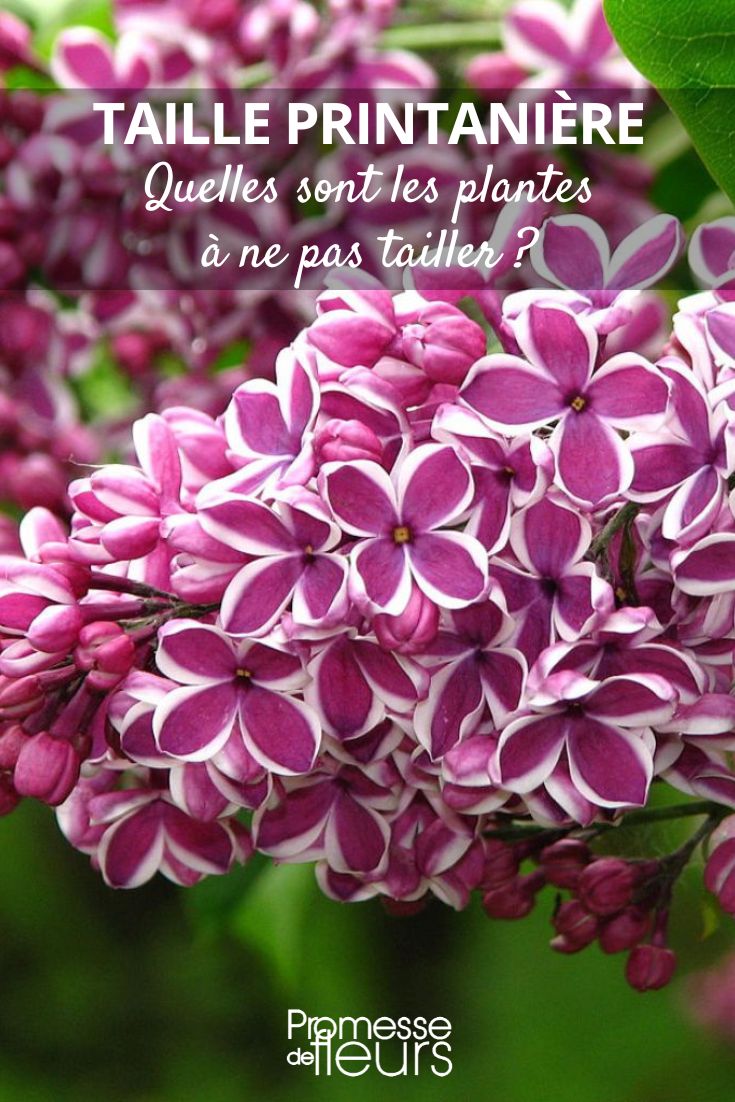
All shrubs that flower in spring, from March to June, should be left undisturbed in winter and spring, even if they flower late. They begin to form buds early, and from then on you should not touch them. The buds swell slowly, and the flowering is spread over the spring season. Pruning of these shrubs should be carried out once flowering has finished, in early summer. This includes the Lilacs, Mock oranges, Forsythias, ornamental plum, spring spireas, Viburnums, Weigela, Deutzia. Whether in beds or in a mixed hedge, if you don’t want to compromise their flowering, wait one to two months after the end of the flowering period.
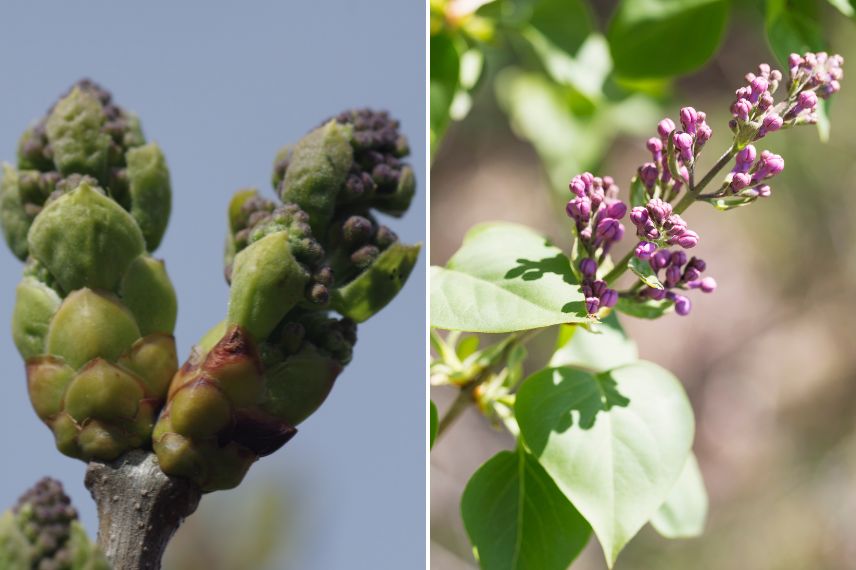
You don’t prune spring-flowering shrubs before summer; here are lilac buds
Hedge shrubs
Hedge plantings, whatever their type, must be pruned. They are often composed of vigorous species, there are neighbour regulations, and if one does not want to neglect their privacy protection, one aims to densify them with regular pruning. In short, hedges must be pruned (with the exception of rural hedges). From 15 March to 31 July, it is birds’ nesting season. Thus, to avoid disturbing them and to respect nature and biodiversity, the LPO and the French Office for Biodiversity (OFB) recommend not pruning hedges during this period. Depending on whether you have planted a hedge of evergreen shrubs, conifers, a diverse flowering hedge, or a defensive hedge, there are generally two recommended pruning periods: the end of winter in February and early March or the end of summer and autumn, between August and October depending on the plants.
→ See Sophie’s article to learn when and how to prune hedge shrubs: prune hedge shrubs.
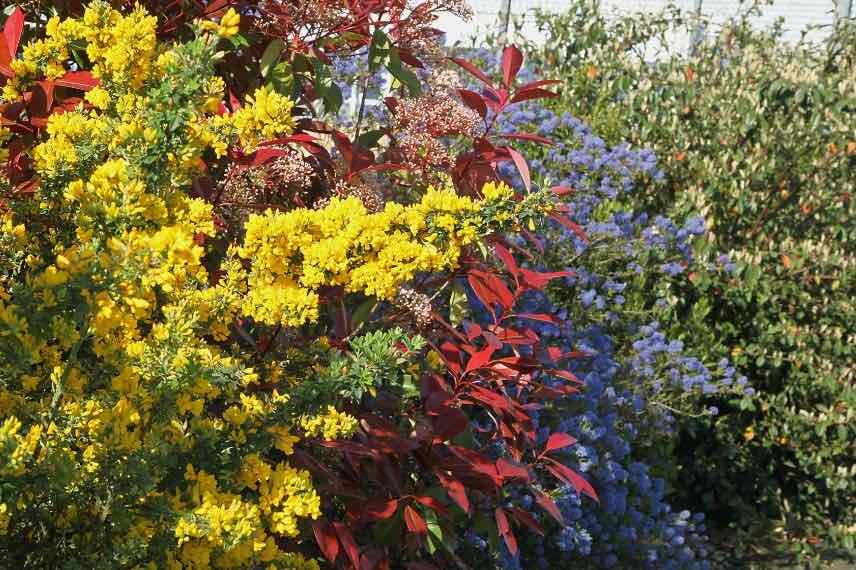
Leave hedges as undisturbed as possible between 15 March and 31 July, the birds’ nesting season
Trees
For the same reasons, we avoid pruning trees during the same period, between 15 March and 31 July, to avoid disturbing nesting birds. The pruning period for trees differs according to species. However, many trees are pruned during their dormancy period, i.e., in winter, on bare branches for deciduous species, which provides a clearer view of the operation. This minimises the stress caused by this action and allows the tree to concentrate its resources on wound healing, while the production and growth of leaves or flowers are not on the agenda. However, frost periods are avoided to prevent damage to the tree.
In cases of diseased, dangerous or dead branches, light, occasional pruning in summer can also be carried out.
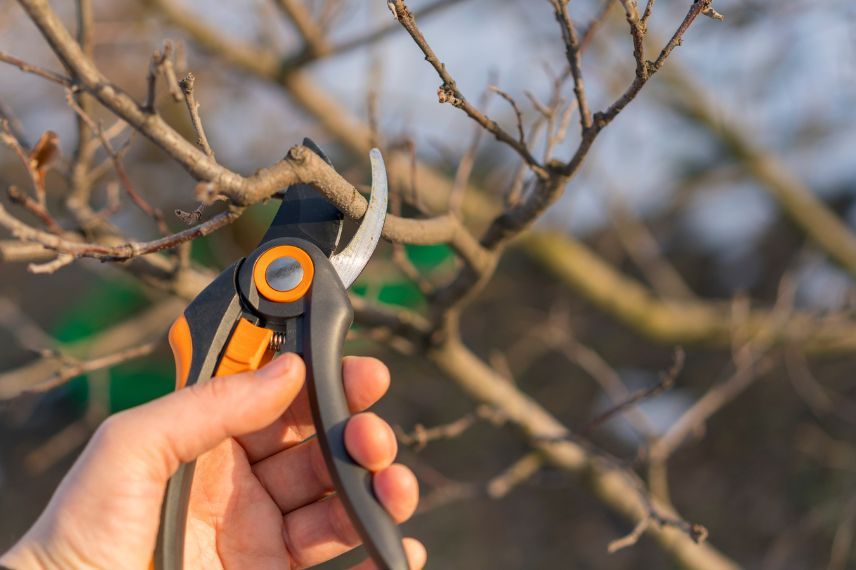
Many trees are pruned in the winter season, during dormancy, on bare branches
Read also
How to prune and care for clematis?Spring-flowering Clematis
Late-winter or spring-flowering clematis, as evergreen clematis such as Clematis armandii and Clematis cirrhosa, as well as the Clematis alpina, Clematis macropetala and Clematis montana and the large-flowered hybrids must not be pruned at this time. To avoid compromising their flowering, leave them alone all spring. We can, in any case, leave them alone all year round, but if we intervene, it is to remove deadwood or shorten the stems to give them a denser habit. We then perform this pruning after flowering, in summer.
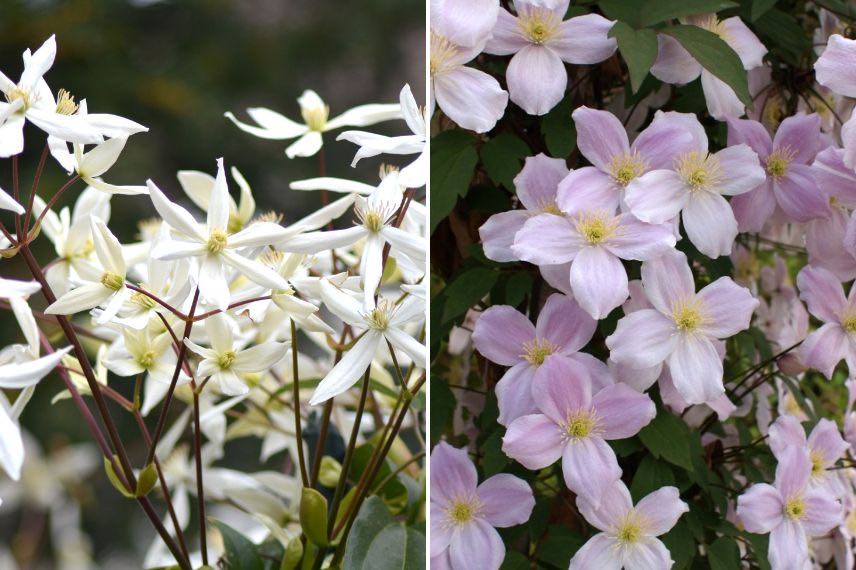
Clematis armandii and montana
Fruit trees
Spring is another quiet period—a season when we don’t touch anything. When it comes to fruit trees, we distinguish pip-fruit trees from stone-fruit trees (i.e., pip-fruit and stone-fruit). Pip-fruit trees are pruned at the end of winter, in February and March. Stone-fruit trees are pruned from August–September or at the end of autumn, after harvest. We prune outside frost periods anyway, during the vegetative rest for pip-fruit trees or during sap descent for stone-fruit trees. We then perform a formative prune to aerate the silhouette and a maintenance prune to remove dead or diseased wood.
We can also carry out what is known as green pruning, between June and September, to thin the trees to stimulate production and the size of the fruit.
→ See François’s article to learn all about green pruning of fruit trees.
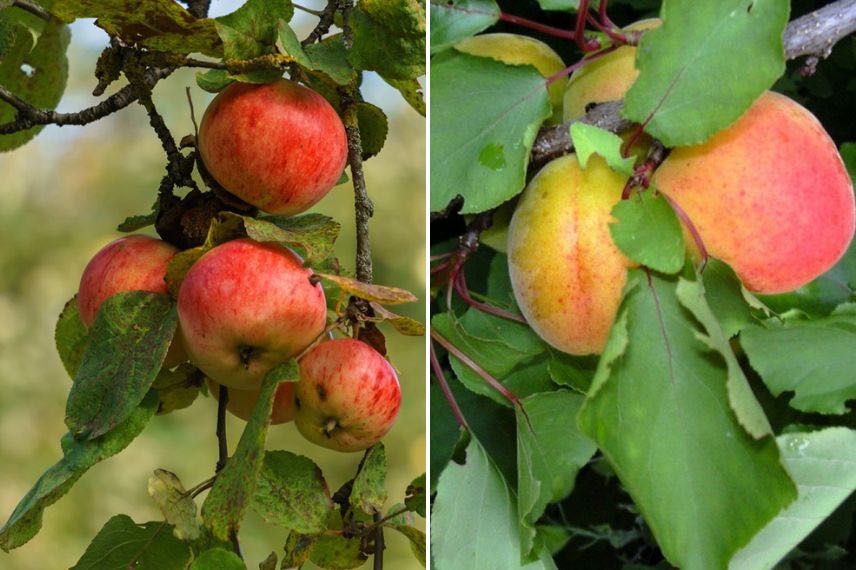
For pruning fruit trees, we distinguish between pip-fruit trees and stone-fruit trees
Bamboos
Bamboos require regular maintenance to keep them in good condition, avoid overtaxing them and preserve their ornamental qualities. Whether they form a hedge, a screen, or a border, they benefit from pruning. Thus, they can be rejuvenated, the tuft lightened, and, indeed, pruning for transparency. Pruning is carried out twice, around spring, a period when we leave them to themselves: the first time in February or early March, before the resumption of growth, to clean the dry and damaged culms from winter. In June and July, we roll up our sleeves and undertake more substantial work: we lighten and rejuvenate the tufts by removing the oldest culms (which are then used as supports or to create structures). Additionally, one may also perform pruning to level out or shape, but note that a topped culm will never regrow; it is the new culms that will rise above it. Finally, you can strip the canes to a height of one metre or to one-third of the total height of the culms to reveal their silhouette.
Thus, we do not intervene while the new shoots develop into culms: we do not crush them and we can gauge how many new culms there will be after spring.
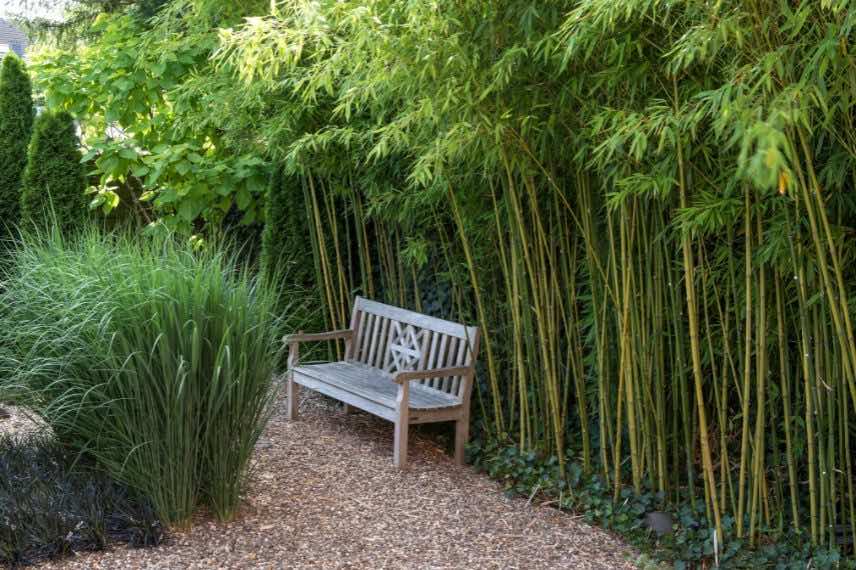
In addition to maintenance aimed at rejuvenating the tufts, these bamboos have been pruned for transparency, with leaves removed from part of the culms
Some summer-flowering shrubs
Summer-flowering shrubs benefit from winter pruning, before they begin their growth of new shoots, flowering buds and then flowers on the current year’s shoots. We anticipate their growth to ramify them or lighten them and avoid them becoming too large in size by the end of the season. This first pruning is carried out during the dormant period, before the resumption of growth, between December and March, depending on the shrub’s sensitivity to late frosts. We intervene as late as possible for the most sensitive, to delay their bud burst period, as pruning stimulates the start of growth.
Those with an overwintering fleece protection cape can be pruned before the fleece is applied.
These include Abelias, Shrubby Fuchsias, Buddleia, Spiraeas, for example. Eva explains in detail in her article on the pruning of summer-flowering shrubs, when and how to proceed.
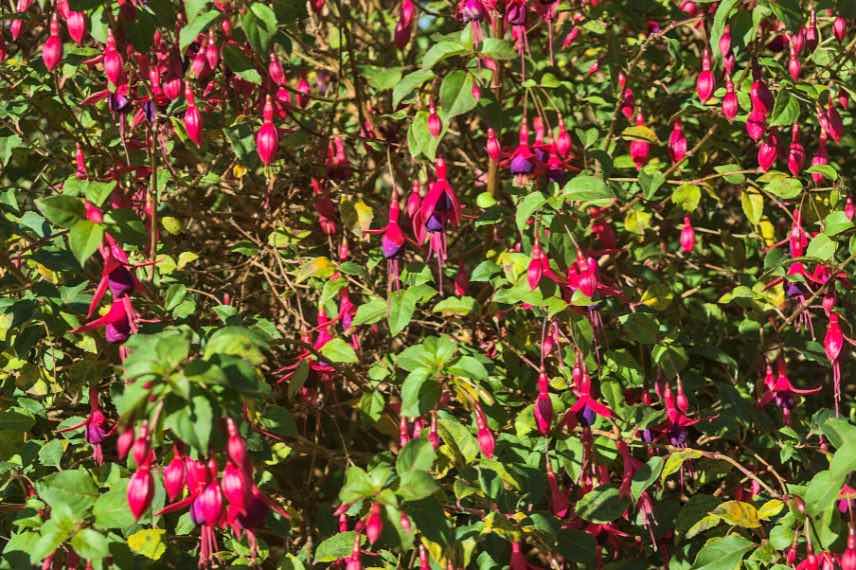
The Fuchsia magellanica, shrub-form, should not be pruned in spring
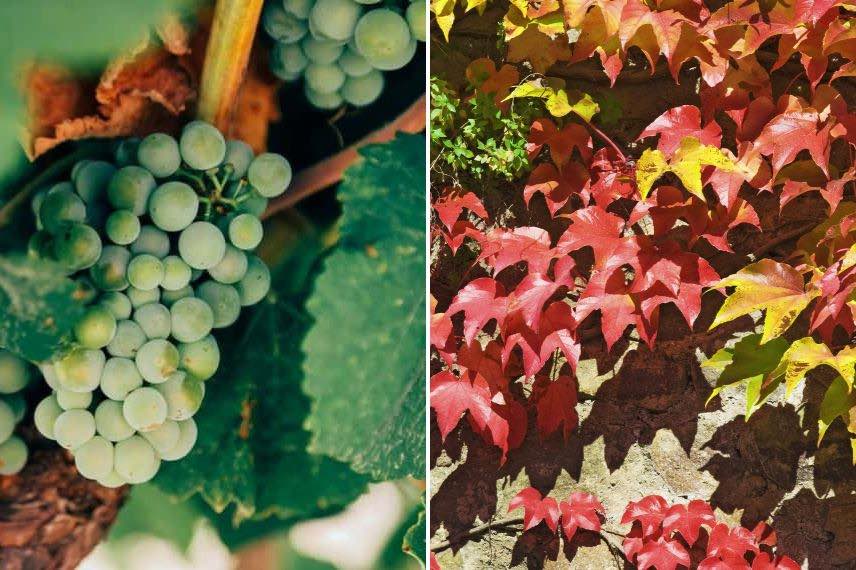
The grapevine and Virginia creeper
Spring-flowering bulbs
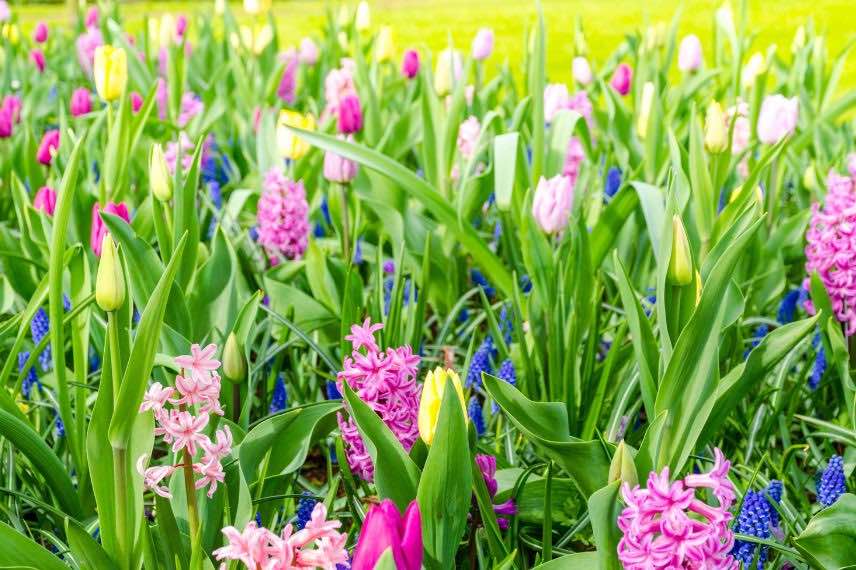
Do not cut back the foliage of spring-flowering bulbs too early, even if you’re tempted to remove it when damaged. Wait until this foliage is completely dry or yellowed before pruning it, as the bulb replenishes its reserves for the following spring. In practice, You should wait six weeks after the bulbs have finished flowering to prune back this type of plant. Bulbs that flower in April or May, such as Tulips, Muscari, Camassias, Alliums, among others, should patiently wait for the start of summer before being pruned.
It is therefore better to wisely plant perennials alongside them that hide this unsightly foliage and fill borders and beds with a continual display of flowers.
- Subscribe!
- Contents
Comments