





























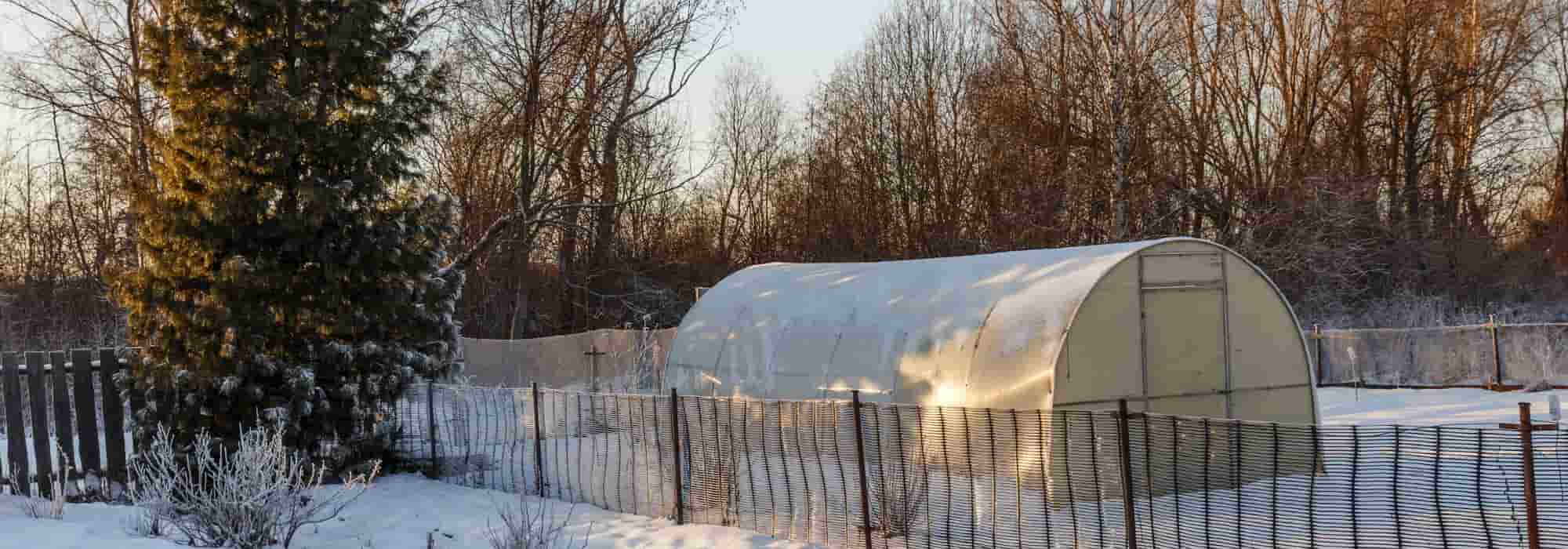
Vegetables to sow and plant in winter
With the new year, it's time to return to the vegetable garden to plant and sow in warmth, under cover, or in open ground
Contents
In winter, the gardener in you may imagine that it’s time to take it easy. Not at all! Indeed, even though the dreary weather, cold, frost, and perhaps snow… (not to mention the excesses of the festive season!) do not encourage stepping outside and into the vegetable garden, it’s time to get to work. Depending on the region you live in, and especially the climate that prevails there, some sowing and planting can be done as early as January, in February, and especially in March, either indoors, under cover, or even directly in the ground. In short, these three winter months should be utilised if you want to enjoy some early vegetables or simply prepare for the spring that is fast approaching.
Let’s take a tour of the vegetable garden in winter to discover the vegetables, herbs, and soft fruits that can be sown and/or planted.

Sowing to be done in the vegetable garden in winter
Whether you live in the Mediterranean region or in mountainous areas, January, February, and March are winter months for everyone! However, not everyone is in the same boat, especially when it comes to gardening and the vegetable garden… If in the south of the territory, it is already possible to do some sowing under cover, or even in open ground, in January and February, elsewhere, in regions with a harsher climate, you can still enjoy the warmth of your home. However, in March, things speed up and the sowing begins everywhere.
Sowing under cover
With a frame, a mini-tunnel, or a greenhouse, sowing can be anticipated. Indeed, during the day, temperatures can quickly rise a few degrees, especially in a frame or mini-tunnel where the air volume is less than in a greenhouse, allowing the temperature to increase thanks to the sun’s rays. If you wish to sow in the heart of winter, it is essential to have one of these gardening structures. 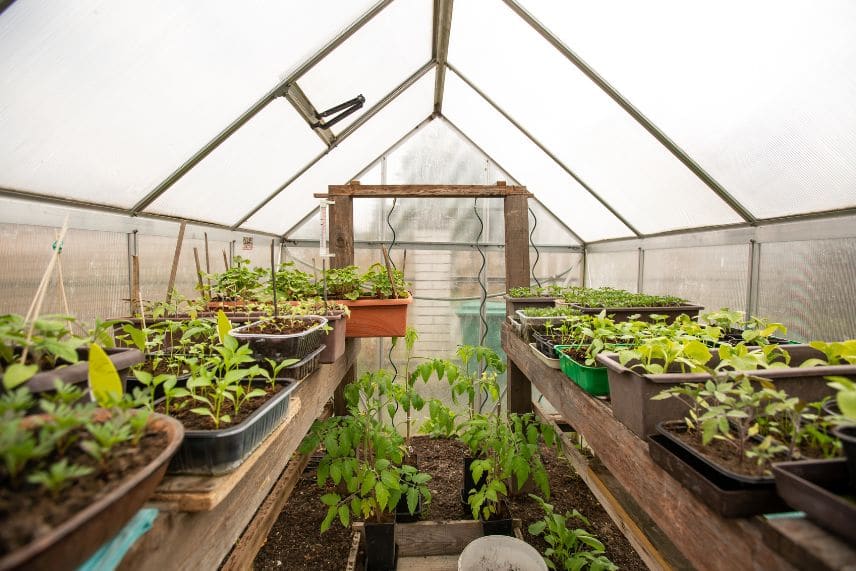
In regions where frost occurs at night, the frame can be easily covered with polystyrene sheets, blankets, or reed mats… And during the day, as soon as the slightest ray of sunshine warms the atmosphere, it is essential to open your frame, tunnel, or greenhouse to ventilate and prevent the development of fungal diseases.
Thus, under cover, in January, in regions with a continental climate, it is possible to sow some lettuces, cabbages, or leeks, as well as peas and broad beans. In February, you can add sowing the first radishes, early carrots, and spring turnips.
In regions with a milder, Mediterranean or oceanic climate, in February, do not hesitate to make the first sowings of summer vegetables (tomatoes, aubergines, courgettes, peppers, cucumbers, and gherkins…).
In March, however, the pace picks up. Under cover, you can continue to sow salads, cabbages, leeks… but also basil, parsley, and chervil.
Sowing in open ground
Between January and March, in most regions, the soil is cold, sometimes frozen or completely waterlogged due to the weather. Knowing that seeds need a certain temperature to germinate, it is often impossible to sow in open ground in the middle of winter. For all the details on temperatures and germination times for vegetables, I invite you to read my article: Germination of Vegetable Plants: Our Tips for Ensuring Your Seeds Germinate Every Time.
However, in a broad Mediterranean region, sowing in open ground can be considered from January for a few vegetables such as spinach, broad beans, and peas. In March, the luckiest gardeners in terms of location can sow tomatoes, aubergines, courgettes, as well as cabbages and leeks in open ground. Or even salsify.
Sowing warm indoors
Throughout March, warm at home or in a conservatory, it is time to think about summer! In regions with less clement climates, it is time to sow the vegetables for ratatouille. Start with peppers and chillies, which take longer to develop, then follow with various varieties of tomatoes, aubergines, courgettes, cucumbers, and gherkins, as well as melons and watermelon, basil, and oregano…
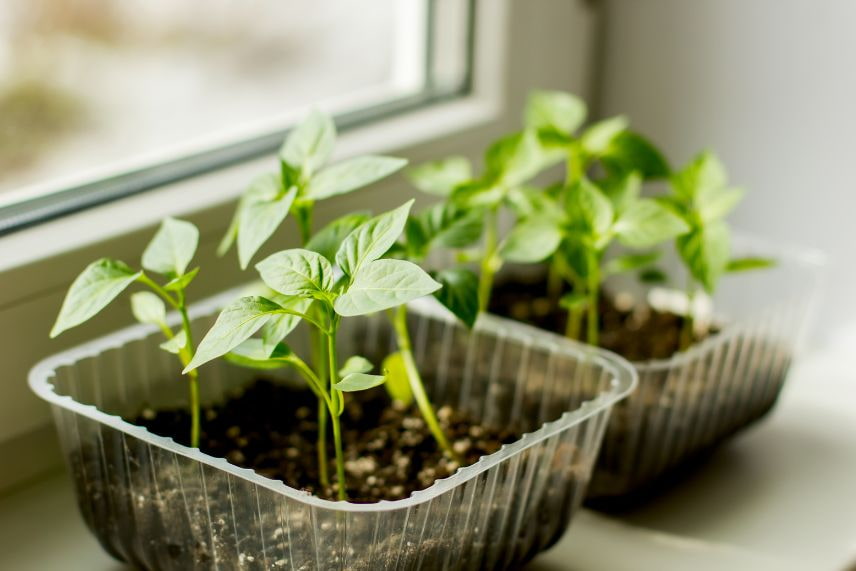
Sowing tomatoes, courgettes, peppers… is done indoors
To learn more:
Read also
Sowing vegetable seedsPlanting in the vegetable garden in the heart of winter
Outside of frost periods, it is possible to plant some vegetables directly in the vegetable garden. This can start as early as January in regions with a Mediterranean climate. In January, you can plant the crowns of asparagus and the eyes of artichoke, as well as certain perennial aromatic plants like thyme, tarragon, summer savory, and chives. Some gardeners even attempt to plant the first potatoes that will be enjoyed as early crops. In January, you can also plant the bulbils of shallots, onions, and spring garlic.
In February and March, the planting of garlic, shallots, and onions continues throughout France, as does the planting of sprouted tubers of potatoes. Everywhere, the planting of artichokes and asparagus can also continue from the end of March.
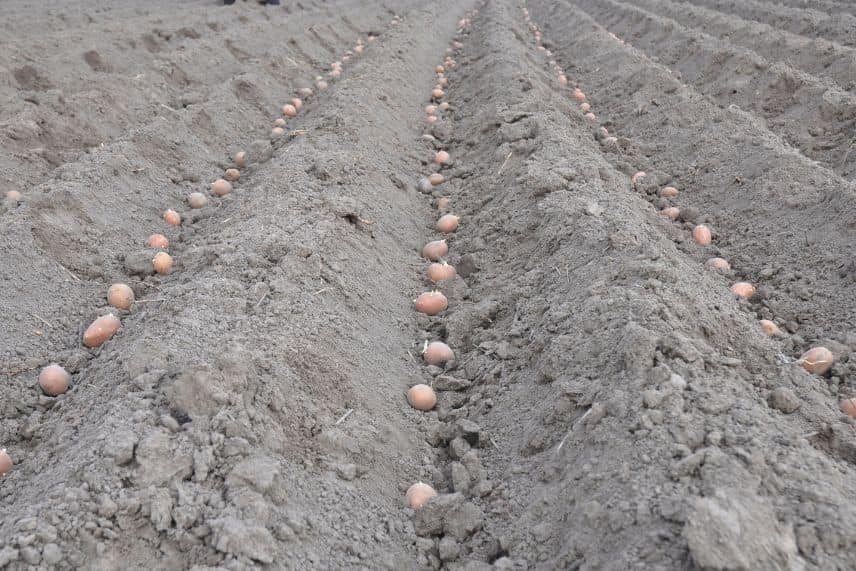
In March, it’s time to plant potatoes
In the south, you can also start planting the tubers of sweet potatoes and crosne. You can also plant the first chards. As for summer vegetables, sown indoors in January or February, they may be sufficiently developed to join the vegetable garden. Of course, in most parts of the territory, you will still have to wait a bit longer to plant tomatoes, courgettes, peppers… as no one is immune to late spring frosts.
To learn more:
- Planting potatoes
- Growing crosne in the vegetable garden
- Planting sweet potato plug plants
Winter tasks for the vegetable garden
Winter is also the ideal season for the vegetable garden to do what you haven’t had time to do in spring, summer, or autumn. So think about:
- Planning on paper the layout and planting scheme of your vegetable garden, taking into account the association of vegetables and crop rotation
- Carefully clean, sharpen, and disinfect your gardening tools
- Take stock of your seed packets and place an order for vegetable seeds on Promesse de fleurs!
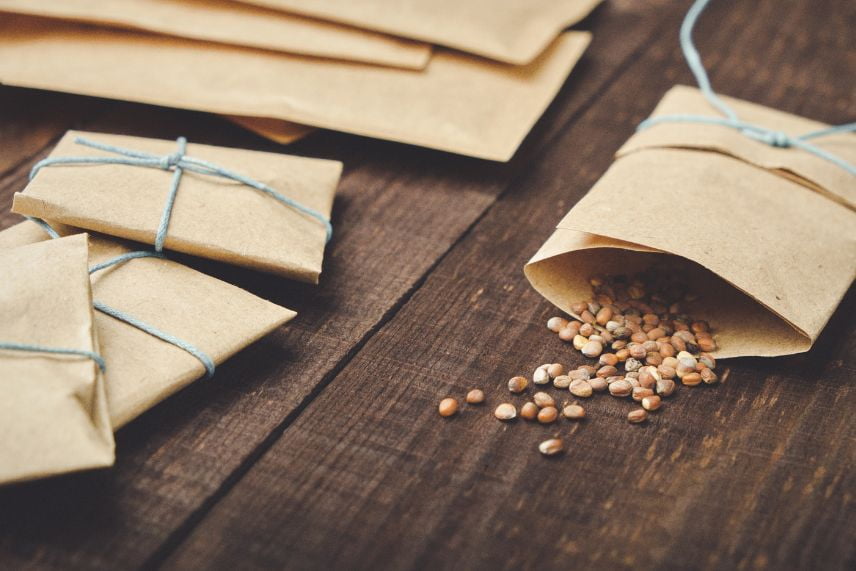 Take advantage of winter to order your vegetable seeds</caption]
 - Install a rainwater collector and/or a drip irrigation system or microporous hose if you don’t have one yet
- Incorporate organic matter and fertilisers into the soil of the vegetable garden (compost, decomposed manure, ground horn, ash from the fireplace…)
- Remove the remnants of mulching to allow the soil to warm up and slightly loosen the soil (in March)
- Keep an eye out for the first pests (snails, slugs…) (in March)
And also remember to clean your strawberry plants and blanch the curly chicories and escaroles.
- Subscribe!
- Contents

Comments