





























Leek moth in the kitchen garden: prevention and treatment
Prevent and control this allium pest with eco-friendly methods
Contents
The leek moth or leek worm, this small, discreet but formidable moth, can quickly devastate your allium crops such as the leek, garlic or the onion. Fortunately, there are natural and eco-friendly solutions to prevent and combat this damaging pest.
In this care guide, you will learn to identify the symptoms of an infestation, understand the favourable conditions for its development and adopt effective methods to protect your young plants. And let’s not forget the best cultivation practices, organic treatments and tips to avoid reinfestation.

What is leek moth?
Leek moth or leek worm, scientifically named Acrolepiopsis assectella, is a small butterfly in the family Acrolepiidae. This pest primarily attacks plants in the Alliaceae family, such as leek, garlic, onion and shallot.
Identification of the insect
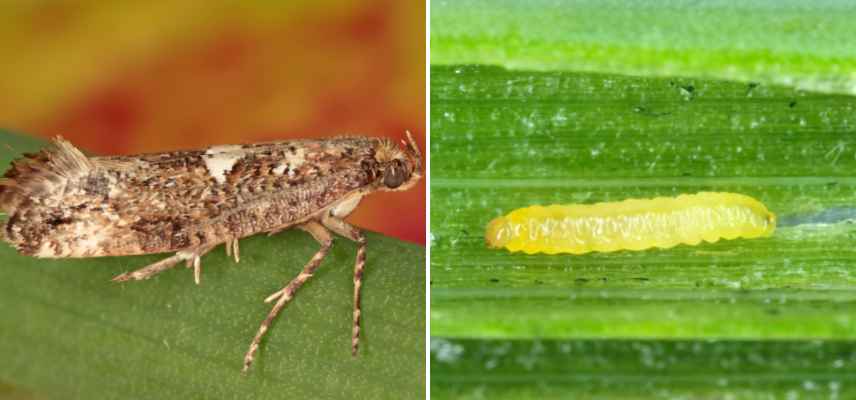
- The adult : the butterfly has a wingspan of about 12 to 14 mm. It is brownish in colour, with slender and veined wings, marked by slightly silvery patterns. Although it is discreet and nocturnal, this is the key stage in reproduction.
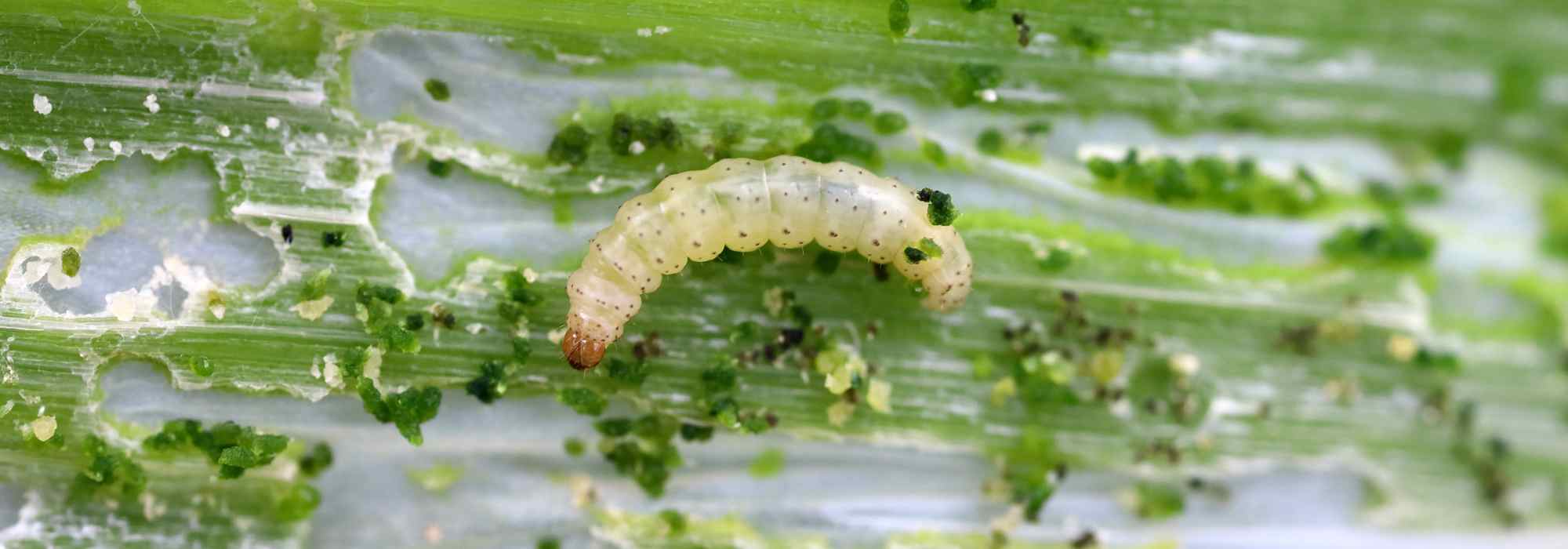
- The larvae : these are the caterpillars that cause the real damage. They are small (up to 8 mm), pale yellow to pale green, with a brown head. They develop by tunnelling into galleries in the leaves or stems.
Life cycle
- Adults lay their eggs on the leaves of host plants (Alliaceae).
- Eggs hatch after a few days, giving rise to larvae that feed on the foliage or the stems for 2 to 3 weeks.
- The larvae then form cocoons in which they transform into chrysalises, before giving rise to new butterflies.
- This cycle can reproduce several times a year, particularly in regions with mild climates, making control difficult if no measures are taken.
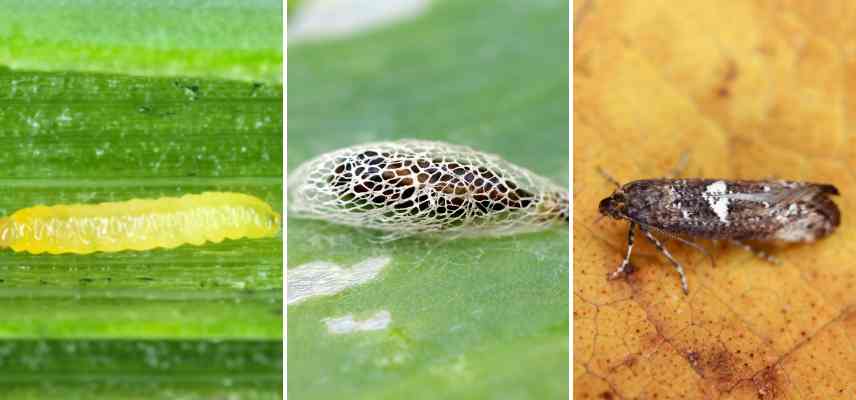
Larva, chrysalis and butterfly
Optimal development conditions
Moderate temperatures, between 15–25 °C, are ideal for its proliferation. These conditions allow rapid development of eggs, larvae and adults and can lead to several generations per year in regions where winters are mild.
Moderate to high humidity also favours the hatching of eggs and the development of larvae. Spring and autumn periods, where temperatures and humidity are often optimal, generally correspond to peaks in leek moth activity. Conversely, extreme conditions, such as excessively hot weather or harsh winters, will slow its life cycle.
How to recognise a leek moth infestation?
The leek moth leaves characteristic signs on your plants, which should be spotted promptly to limit the damage. Here are the main symptoms to watch for:
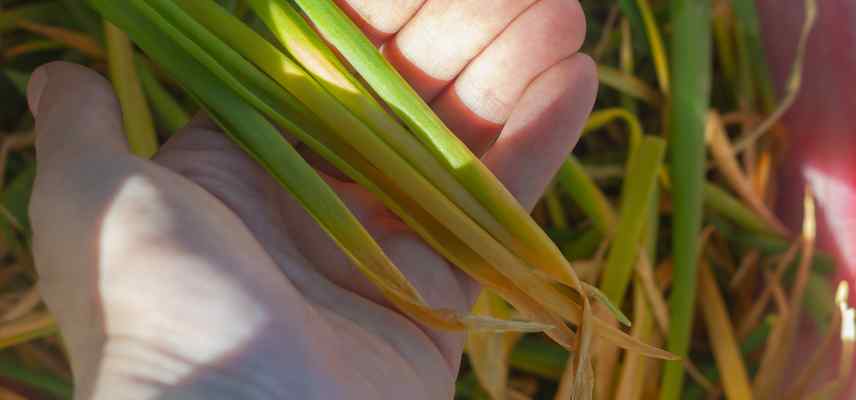
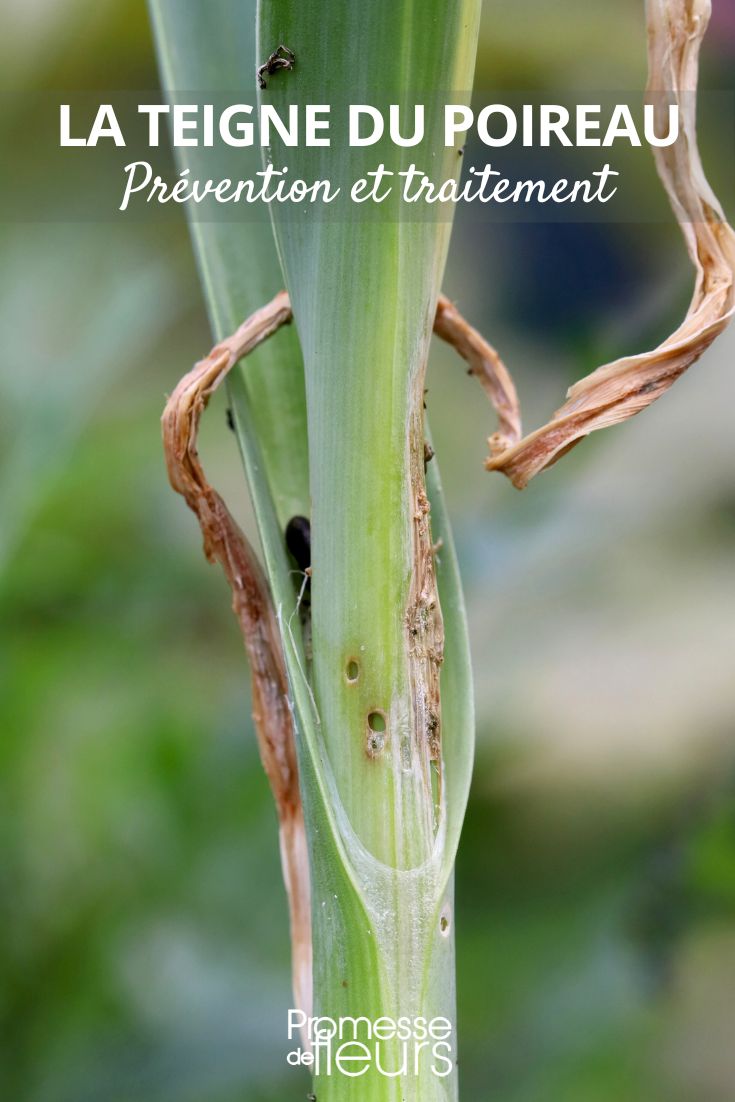
- Holes and galleries in the leaves : the larvae bore irregular holes or galleries in the leaves, visible on the surface. These damages impair photosynthesis and weaken the plant.
- Deformation and yellowing : the leaves may start to warp, dry out or yellow, indicating that the larvae are attacking the internal tissues.
- Presence of caterpillars : when inspecting your leeks, you may find small yellowish or pale green larvae, up to 8 mm long, often in the galleries or at the base of the leaves.
- Silky filaments : the larvae sometimes produce filaments resembling small webs, visible between the leaves.
- Secondary rot : injuries caused by the leek moth can promote the entry of fungi or bacteria, resulting in heart rot of the plant, accompanied by a foul odour.
- Adult moths : if you observe small brown moths with silvery markings around the crops, especially at dusk or early in the morning, these are likely adults ready to lay eggs.
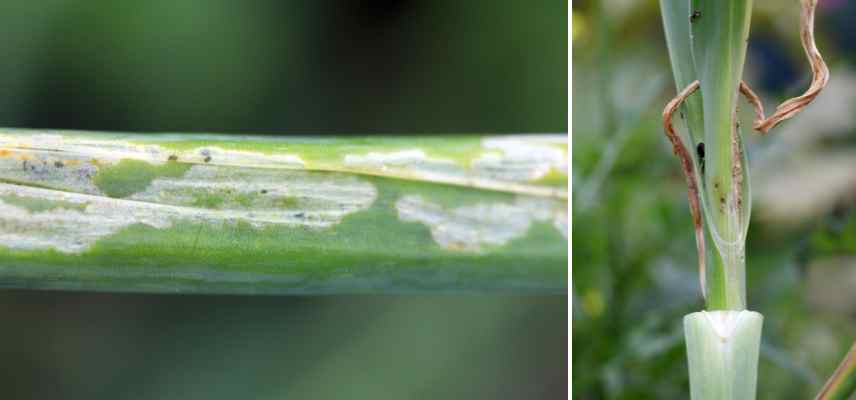
Importance of the issue: damage to leek crops and other alliums.
Without intervention, leek moth attacks can lead to substantial losses, or even total destruction of crops. The larvae of this insect perforate the leek leaves, creating holes and galleries that weaken the plant by compromising its ability to carry out photosynthesis. In some cases, they penetrate to the heart of the stem, making the leek unfit to eat. These injuries also open the door to secondary infections caused by fungi or bacteria, accelerating the deterioration of the plant.
Other alliums, such as garlic, onion and shallot, are not spared. The larvae attack both the foliage and the bulbs, causing losses in both quantity and quality. When infestations are severe, these crops may never reach full ripeness.
Economically, the consequences for market gardeners are particularly severe. Yields can plummet, directly impacting their income. Amateur gardeners, for their part, often experience the frustration of seeing their efforts go to waste, which can discourage the practice of environmentally friendly gardening.
Read also
Growing summer leeksPrevention: how to prevent an infestation?
To prevent infestation by leek moth, several complementary strategies can be implemented. The choice of leek varieties that are resistant or less susceptible (for example, “Winter Giant” or leek ‘Armor’) is an essential first step. Associated with regular crop rotation, this practice disrupts the leek moth’s life cycle, reducing its ability to reproduce and establish itself.
Next, spacing the plants correctly limits the zones of larval proliferation, while thorough upkeep, including weeding and the removal of infected residues, reduces infestation risks. Association with beneficial plants, such as carrots, can also deter pests.
Finally, the physical protection of crops, notably by using insect nets, constitutes an effective barrier. These nets should be installed at the right moment, covering the crops during the critical periods, to prevent adult moths from laying their eggs on the plants.
Oliver’s little note: nettles seem to attract leek moth strongly. Avoid using it as manure or as mulch in your leek or onion beds.
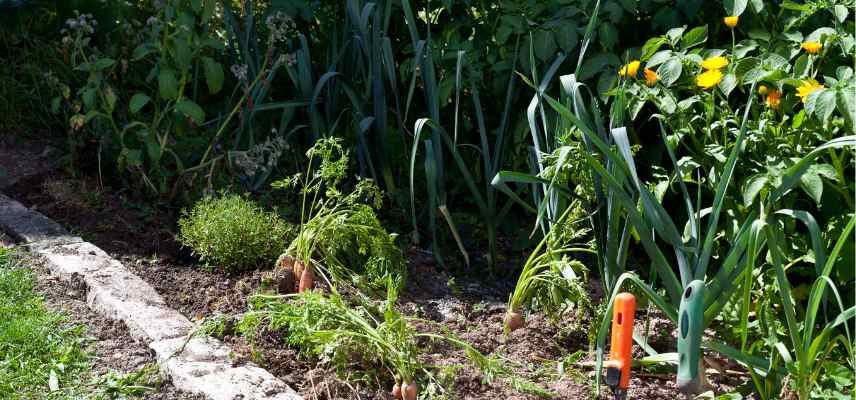
Proximity to carrots in the vegetable garden is one of the ways to counter leek moth
Monitoring: early detection
Pheromone traps for leek moths are particularly useful for monitoring the presence of adult moths and trapping a few male individuals. These devices attract males by releasing substances that mimic female pheromones, allowing an assessment of the population and the determination of the optimal moment to intervene. Meanwhile, regular monitoring of the plants is important. Inspect the foliage for holes, tunnels or larvae to help quickly identify the first signs of infestation.
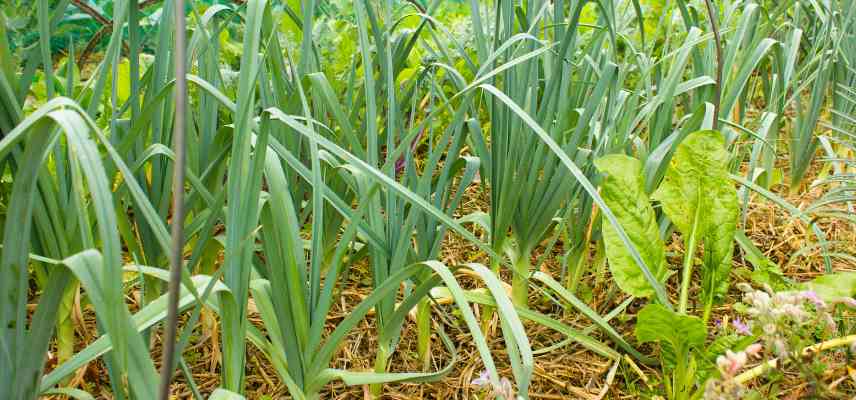
Regularly monitor your leek rows
Biological control of leek moth
Biological and ecological control is an environmentally friendly approach that effectively manages leek moth while preserving biodiversity. Here are the main strategies to adopt:
Natural predators: the garden’s allies
- Identification of beneficials : parasitoid wasps, such as Trichogramma, play a key role by parasitising leek moth eggs, preventing their hatching. Ladybird larvae and some insectivorous birds also consume larvae and moths, helping to limit their numbers.
- Strategies to attract these beneficials : maintain a diversified ecosystem with refugia for beneficial wildlife is essential.
Biological products: gentle and targeted treatments
- Use of Bacillus thuringiensis (Bt) : this bio-insecticide is a natural and specific treatment, which acts by destroying leek moth larvae after ingestion. It is safe for other organisms and can be used preventively or at the first signs of infestation. However, avoid treating near a water source.
- Essential oils and repellent macerations : neem oil-based preparations have repellent and natural insecticidal properties. These solutions can be regularly sprayed onto the plants to limit attacks.
Repellent plants and companion planting: the art of mixing
- Examples of repellent plants : thyme, the lavender, the rosemary or mint are known to deter pests thanks to their strong scents. These plants can be used along the border of cultivation or interplanted among the leeks.
- Effective integration techniques : alternate leek rows with carrots or flowers such as the nasturtium, which attract beneficial insects or deter pests.
Post-infestation management
Once a leek moth infestation has been detected, the affected plants must be removed immediately. Do not compost them, as larvae or eggs could survive and spread. Instead, opt for a deep burial well away from the garden.
To prevent reinfestation in subsequent years, practice crop rotation by avoiding replanting alliums (leeks, onions and garlic) in the same location for at least two years. This strategy disrupts the leek moth’s life cycle. Pair it with early monitoring and the installation of anti-insect filaments during critical periods.
The thorough cleaning of tools that have been in contact with the infested plants is essential. Disinfect them with a vinegar-based solution to remove any trace of eggs or larvae. If the soil seems contaminated, consider mulching it or covering it to limit the emergence of adult moths in spring.
- Subscribe!
- Contents
Comments