





























How can raspberry leaves help digestion?
recipe, benefits and tips
Contents
Who hasn’t experienced bloating, an upset stomach or capricious digestion after a meal that was a little too hearty? These discomforts can be a daily nuisance… Fortunately, nature (and the garden) offers natural yet effective solutions to aid digestion.
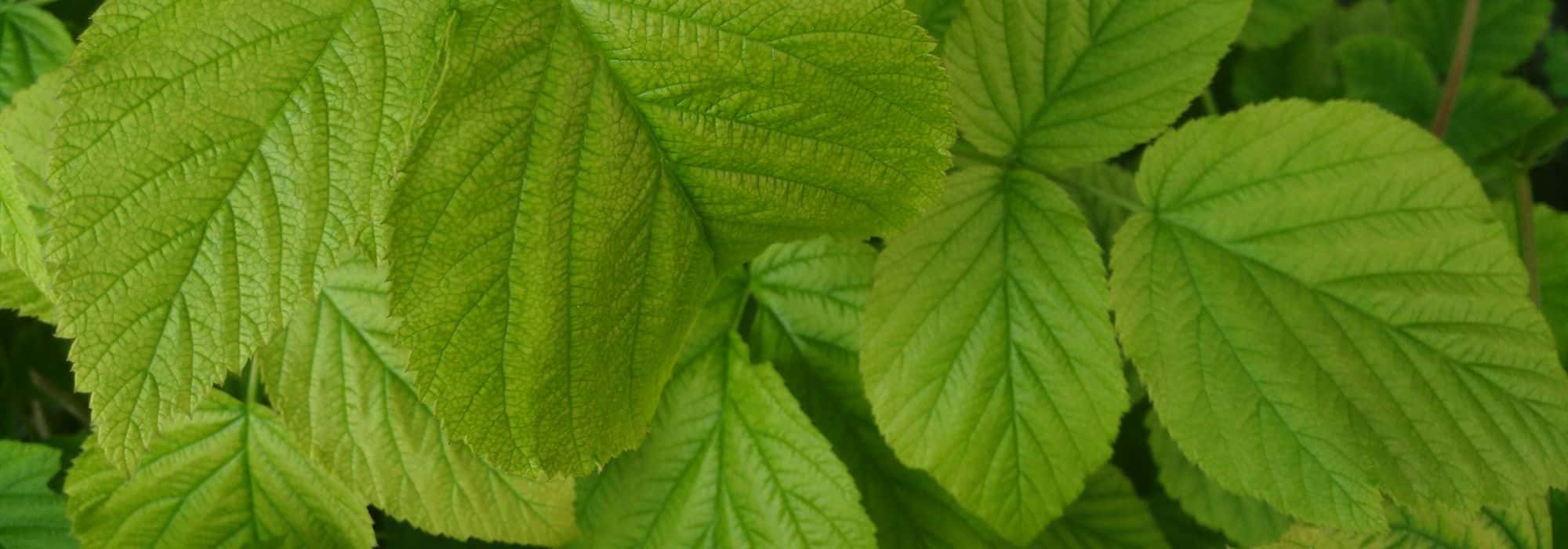
And among these solutions, we find raspberry leaves (Rubus idaeus). Often recognised for their benefits to women’s health, particularly during late pregnancy and the menstrual cycle, they are also a real ally of the digestive system. In tea, they help digestion, reduce minor intestinal disturbances, and ease mild inflammations.
In this article, we will explore how to prepare a raspberry leaf tea, its health benefits, and how to use it effectively to look after our bodies.

How do raspberry leaves aid digestion?
Display and active ingredients
- Raspberry leaves are traditionally used for their richness in tannic acids and flavonoids, plant compounds with properties of interest for digestive balance. They would contribute to limiting intestinal discomfort such as mild diarrhoea.
- Beyond their medicinal properties, these leaves would be an interesting source of minerals such as calcium, iron and magnesium, essential for the body’s balance and the immune system.
Specific digestive benefits
Thanks to this display, they would offer several advantages for digestion:
- Regulation of transit, helping to avoid both mild constipation and intestinal disorders such as transient diarrhoea.
- Reduction of bloating and mild digestive discomforts, thanks to their soothing effect on the intestine.
- Support for the digestive system, contributing to smoother and more comfortable digestion.
In short, these medicinal leaves would be a real ally for calm digestion and a light tummy.
Read also
Choosing raspberry plantsHow to use raspberry leaves to improve digestion?
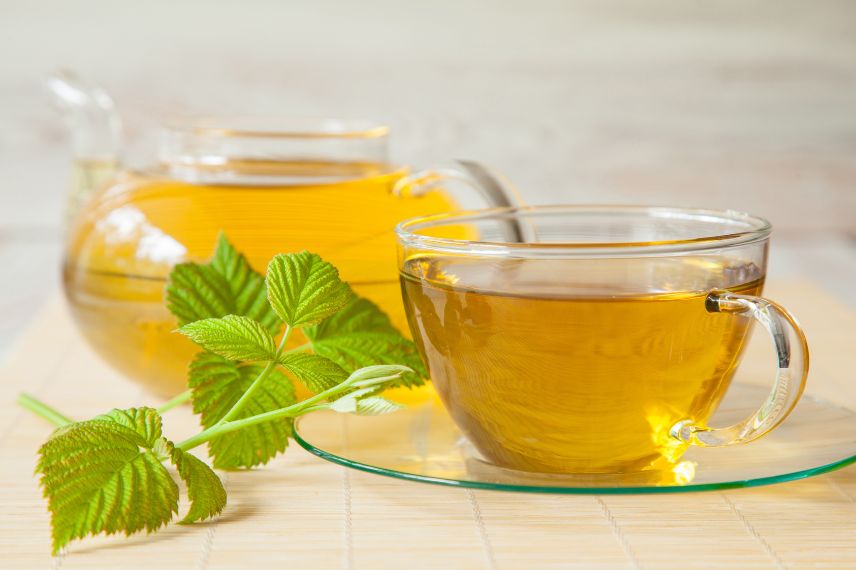
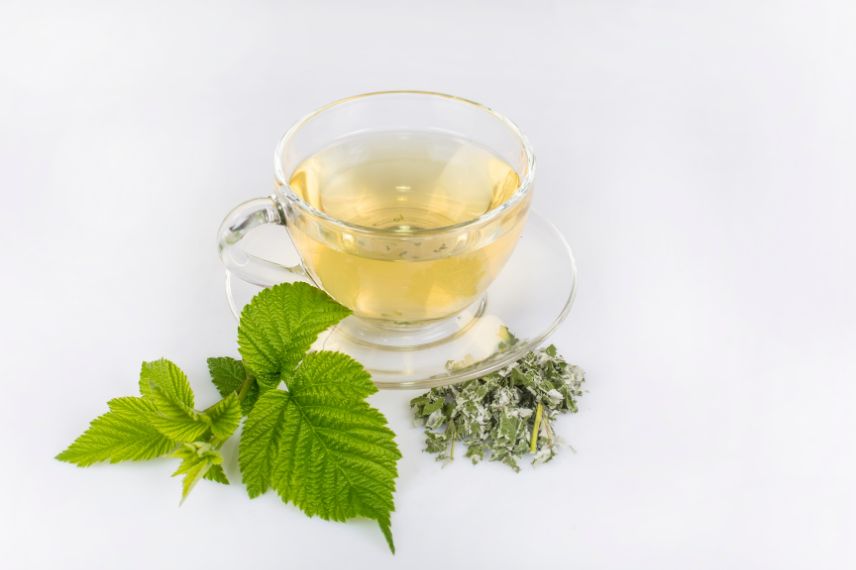
One of the best ways to enjoy the benefits of raspberry leaves is to drink them as a herbal tea. This preparation is simple to make and helps extract the active compounds that support digestion.
Raspberry leaf digestive infusion recipe
Ingredients :
- 1 tablespoon of dried raspberry leaves (or 2–3 tablespoons of fresh leaves)
- 250 ml of boiling water
- Optional: a little honey or cider vinegar to enhance the digestive effect
Preparation :
- In a saucepan, heat the water until it just begins to simmer.
- Remove the pan from the heat, add the dried leaves and steep for about 10 minutes.
- Strain the infusion to remove the leaves and pour into a cup. This infusion should be consumed after meals to relieve mild digestive discomfort.
This raspberry leaf tisane is an excellent natural remedy for reducing bloating and promoting smooth digestion.
Tip: you can pair raspberry leaves with mint, fennel or chamomile—three plants that are also allies of digestion.
When and how to take them?
- Raspberry leaves are particularly useful for occasional digestive disturbances. For optimal effect, it is advised to drink this infusion after meals and limit to 2–3 cups per day. A course lasting one to two weeks helps balance digestive transit and reduce digestive discomfort.
- After a two-week course, it is recommended to take a break of at least three weeks to prevent the body from becoming accustomed and to preserve the effectiveness of raspberry leaves.
- After the break : If mild digestive disturbances persist, you can undertake another course. However, if the disturbances worsen, seek your doctor’s advice.
What precautions and contraindications apply to the use of raspberry leaves?
Although raspberry leaves are a great aid to digestion, it is important to take a few precautions before consuming them regularly.
Who should avoid consuming raspberry leaves?
- Pregnant women in early pregnancy should avoid drinking them, as the leaves have a tonic effect on the uterine muscle, which could pose a risk of contractions. However, they are often recommended in late pregnancy to help prepare for labour.
- If you have allergies to Rosaceae family plants (such as Ida Mountain bramble or strawberry), be mindful.
- People with severe gastric ulcers: The tannin-rich content may worsen some ulcers by increasing gastric acidity.
- Interactions with certain medications: As they can have an astringent effect and modulate intestinal absorption, raspberry leaves may interfere with some medical treatments. If you are undergoing medical treatment, it is advisable to seek advice from a healthcare professional.
Possible side effects
Although generally well tolerated, raspberry leaves can, when consumed in excess:
- Cause stomach cramps or digestive upset in sensitive individuals.
- Have a mild diuretic effect, which can be uncomfortable if you are prone to urinary troubles.
- In cases of severe constipation, their astringent action could worsen the problem.
- Subscribe!
- Contents

Comments