





























Bitter orange tree: growing tips
Tips for container gardening and planting in the ground
Contents
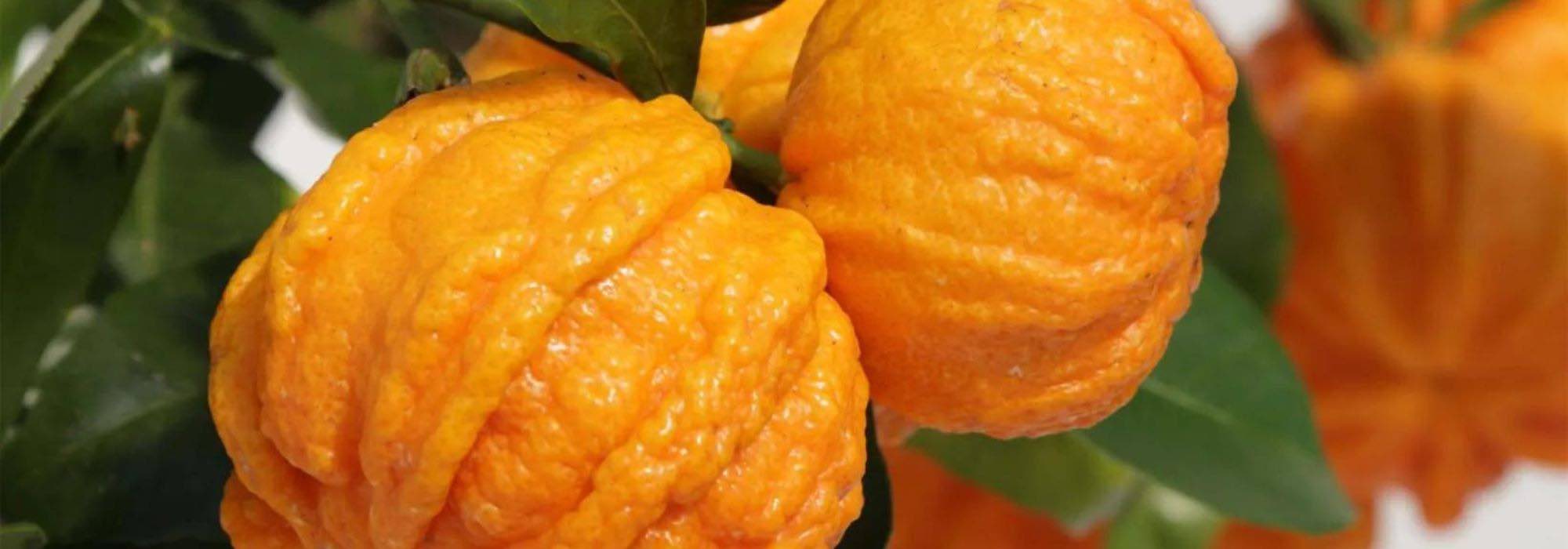
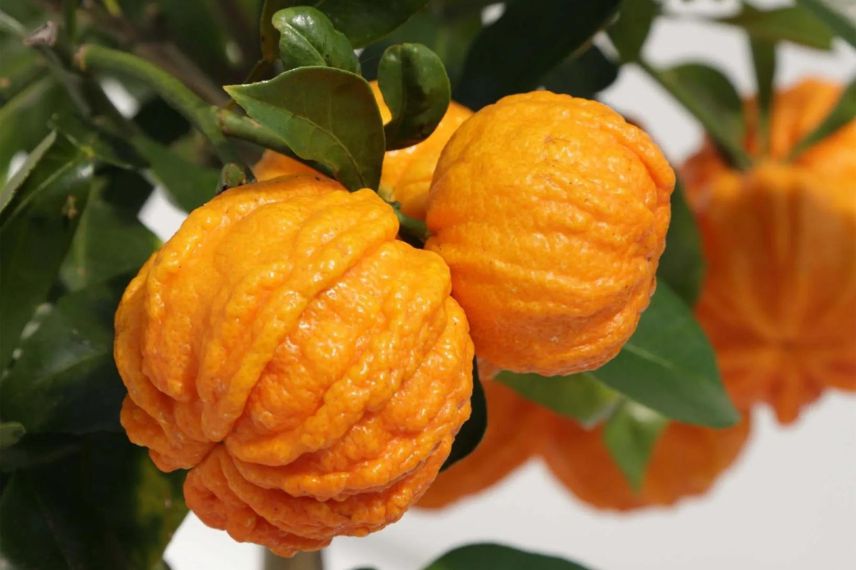
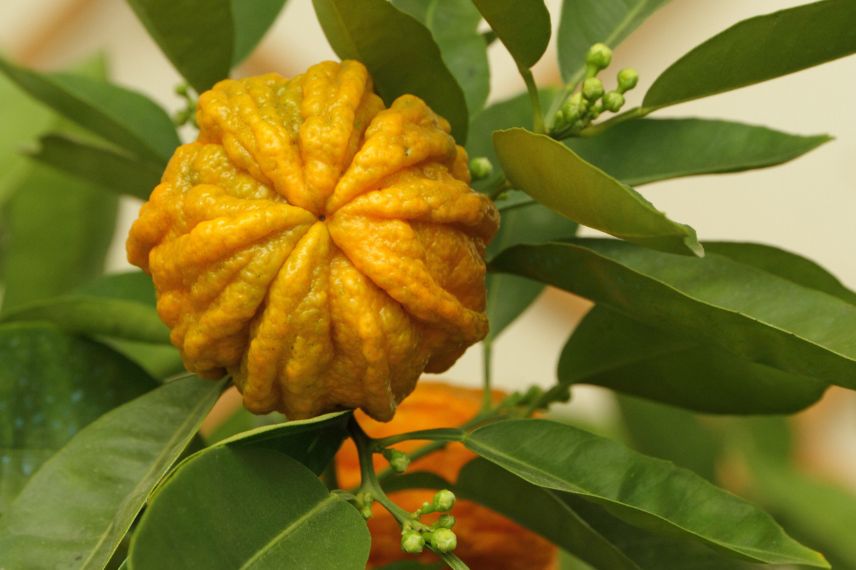
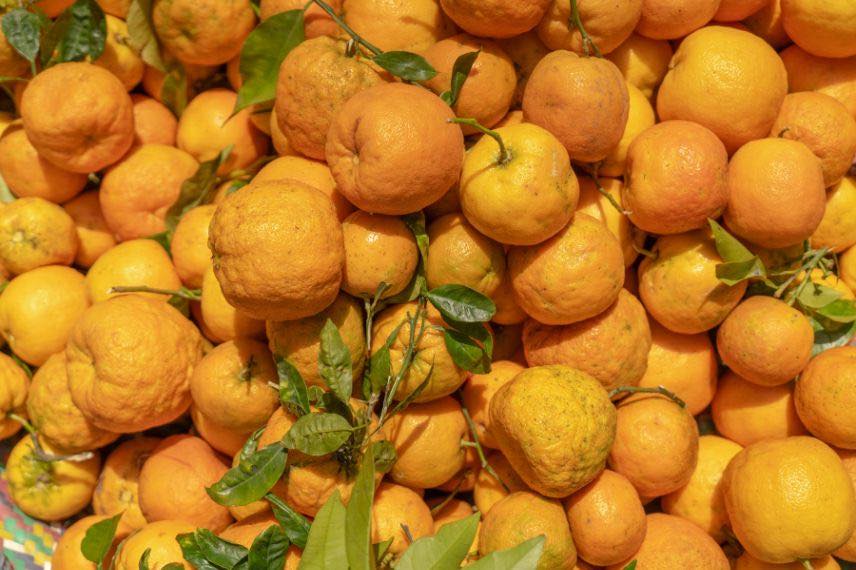
The bitter orange tree, also known as the bitter orange or Seville orange, under its Latin name Citrus aurantium, is a citrus tree known for its bitter fruits and fragrant flowers. It is mainly cultivated for marmalade production, essential oils and as a rootstock for other citrus varieties. Its fragrant flowers are used to produce orange blossom absolute in perfumery, orange blossom water and neroli essence. Its twigs allow the extraction of petitgrain essential oil, while its fruits are used to make jams and bitter orange essential oil. Hardy to around -7°C and resilient, the bitter orange tree is an excellent choice for citrus enthusiasts, with ornamental, knobbly fruit, even in less-than-ideal conditions. However, it requires tailored care, particularly regarding soil, sun exposure and watering. Discover all our tips for growing it in the ground or in a pot.
Where to plant a bitter orange tree?
Growing bitter orange in the open ground is suited to the Mediterranean coast and to south‑west France, provided winter protection against the cold is installed. It thrives in regions with mild winters and hot summers. Plantings in the open ground should therefore be limited to southern coastal areas where the climate is conducive to its cultivation. In other regions, growing in pots is preferred so that the tree can be protected from cold during winter.
The bitter orange prefers soils that are not acidic, near neutral, non-calcareous, rich and well-drained. If the soil is naturally calcareous, the addition of Heather soil can help correct this imbalance. Good drainage is crucial, as the bitter orange does not like its roots to be waterlogged. In heavy or compact soils, adding mature compost helps to aerate the soil and improve drainage.
Exposure also plays a major role in the success of growing bitter orange. Choose a sunny spot, but shielded from strong winds. Desiccating winds, particularly along the coasts, can damage foliage and harm the tree’s health. It is therefore important to protect the orange tree from sea spray and marine winds if you are by the sea.
In-ground planting
The best time to plant the bitter orange tree in open ground is between March and April, when the soil begins to warm and the risk of frosts has passed.
Here’s how to proceed:
- Dip the root ball in a bucket of water for about ten minutes to ensure it rehydrates well;
- Dig a planting hole roughly three times the size of the root ball;
- Mix your soil with well-rotted compost, river sand, and, if desired, potting compost. Also consider applying a special citrus fertiliser, preferably of organic origin ;
- Install a drainage layer at the bottom of the planting hole (gravel, pozzolana, clay balls) ;
- Add a portion of your soil mix ;
- Place the root ball in the centre of the hole, add your mix until it covers the roots, but do not bury the collar ;
- Firm down to avoid air pockets ;
- Create a wide, rimmed basin around the base of your orange tree to help retain watering ;
- Water generously ;
- Mulch carefully to limit water evaporation and space out the watering.
Container gardening
Pot culture of bitter orange is ideal outside coastal areas of the southwest and the Mediterranean. It enables the tree to be moved to a sheltered place, such as a cold greenhouse or an orangery, during winter.
Pot up in spring, between March and May, after last frosts in your region. Repotting bitter orange can be carried out in late summer in frost-free regions.
Choose a pot slightly larger than the root system, as citrus trees do not like being cramped. A pot that is too small would limit root development and hinder the tree’s growth. Terracotta pots or breathable materials should be preferred, because they promote root aeration and limit moisture buildup.
When potting, line the bottom of the container with clay pebbles to improve drainage. Use a special citrus potting mix to ensure a nutritious and well-drained base.
Choose a container two to three times the size of the root ball, ideally pre-drilled or one that you can drill yourself, to prevent roots from sitting in water.
Prepare a special citrus potting mix or mix a substrate consisting of 50% potting mix, 30% compost and 20% sand.
- Soak the root ball in a bucket of water for about ten minutes to rehydrate it and facilitate removal from the nursery pot;
- At the bottom of the pot, place a drainage layer of clay pebbles or gravel a few centimetres thick (pouzzolane is heavier, to be avoided in pots);
- Fill with potting mix or the substrate mixture up to about halfway up the pot. You may also add a citrus fertiliser.
- Remove the nursery pot and loosen the roots at the base of the root ball;
- Place your bitter orange tree in the pot;
- Fill with your substrate, taking care not to bury the collar;
- Tamp down;
- Water generously;
- Mulch carefully with a thick layer several centimetres deep.
Watering and maintenance of the bitter orange tree
The bitter orange tree, whether in a pot or in the ground, needs plenty of water to grow well, especially during active growth. In summer, during hot periods, it may be necessary to water the tree daily, particularly if you are growing it in a pot. The soil or potting mix should always remain slightly moist, but water must never stagnate in the saucer or around the roots. Excess moisture could cause root diseases, notably root rot.
In winter, you should reduce watering, while ensuring that the substrate does not dry out completely. In a greenhouse or indoors, the air can be dry, so it is advisable to maintain adequate ambient humidity by lightly misting the tree’s foliage.
Preferably use non-calcareous water; rainwater is ideal.
Fertiliser application is also crucial for growing the bitter orange. A citrus fertiliser, rich in potassium and nitrogen, will support growth and fruit production. In the ground, an amendment every six months is sufficient, but in a pot, it is recommended to use a liquid fertiliser every three waterings to ensure continuous nutrition.
In winter, the potted orange tree must be protected from frost. Place it in a cold greenhouse or a bright location where temperatures do not fall below 5°C. Ideally maintain moderate humidity and avoid any excess watering during this dormancy period.
For bitter orange trees in the ground, mulch at the base and a winter fleece.
Diseases and pests of bitter orange
Like all citrus trees, the bitter orange tree can be susceptible to certain pests and diseases. Among the most common pests are scale insects and aphids, which can attack young shoots and weaken the tree. red spider mites, on the other hand, are particularly dreaded in dry air.
To prevent these infestations, it is important to regularly monitor the condition of the leaves and branches. A preventive treatment based on black soap or nettle manure can help deter these pests. In the event of an infestation, biological treatments based on essential oils or natural insecticides are preferable to chemical products, in order to protect the surrounding ecosystem and preserve the fruit quality.
→ For more information, see our articles: Diseases and pests of lemon trees and Citrus: 15 questions and answers about their cultivation
Pruning and harvest of bitter orange
Pruning bitter orange trees is not essential, but it can help maintain a harmonious shape and stimulate fruit production. It is advised to prune at the end of winter, before growth resumes. This mainly involves removing dead or damaged branches and opening up the centre of the tree to promote better light penetration.
The harvest of bitter oranges takes place in winter, between November and March, when the fruits have reached full ripeness. Fruit ripeness takes between 10 and 12 months. They generally ripen from January, when the juicy pulp has turned red. Unlike other citrus trees, bitter oranges are not eaten fresh due to their bitterness, but they are perfect for making marmalades, floral waters and essential oils. Green oranges can be harvested from November to December to produce essential oil.
- Subscribe!
- Contents
Comments