





























Growing Chinese artichoke in the vegetable garden
Planting and growing crosne, a root vegetable with the flavour of artichoke, salsify, and Jerusalem artichoke
Contents
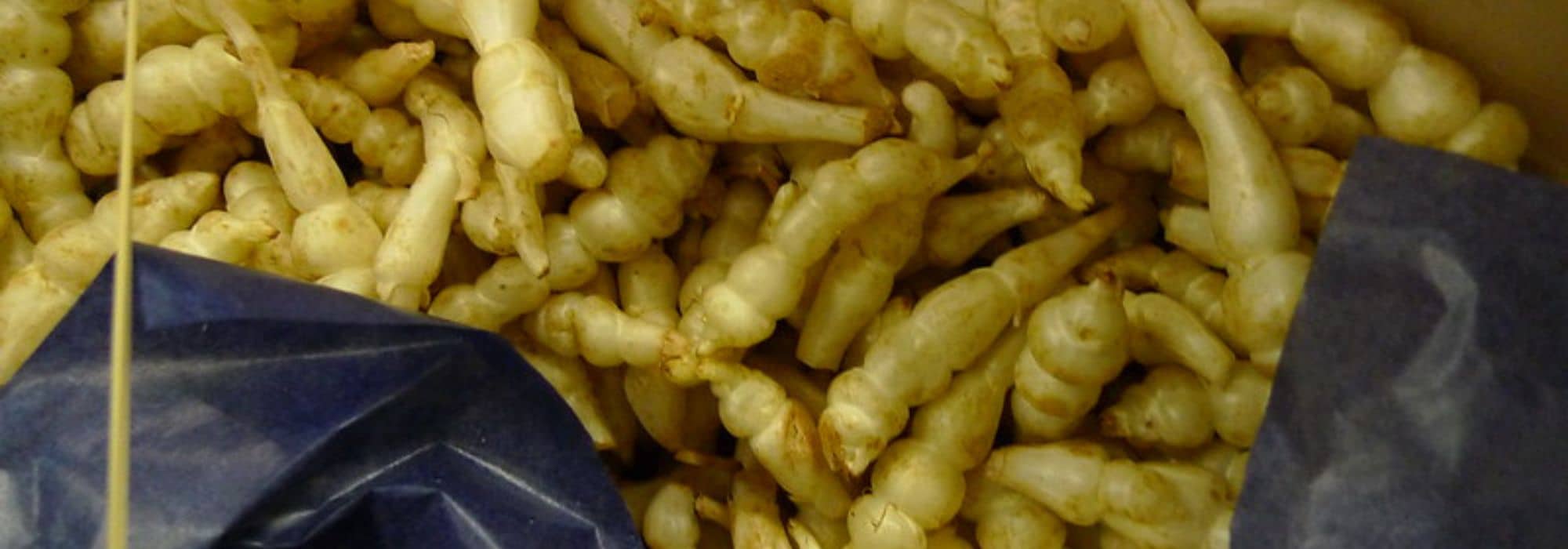
Perhaps you have already seen, at the stall of a curious greengrocer or on the plate of a top chef, this small root vegetable with cream-white, intricately shaped tubercles? Even though the crosne (Stachys tuberosa), long classified among forgotten heirloom vegetables, has made a significant comeback in recent years, it remains rare… and expensive! Perhaps because it has a very short shelf life and must be consumed quickly. So if you enjoy the small tuberous rhizomes of the Japanese crosne, the best way to savour them is to grow them in your vegetable garden. Cultivation is relatively simple, somewhat akin to that of potatoes. However, you will need to wait 7 to 8 months before harvesting the crosne in the heart of winter. This wait is rewarded by the unique flavour of crosnes, which are also lipid-free and quite energising.
Discover how to plant, cultivate, and harvest the Japanese crosne.
→ Learn all about the crosne in our comprehensive guide: the crosne, sowing, growing, and harvesting

Why plant Chinese artichoke in your vegetable garden?
Why grow Japanese crosne (Stachys tuberosa) in your vegetable garden? This question certainly deserves consideration when looking at this root vegetable with its larva-like tubers measuring a few centimetres… Creamy white, these crosnes, consumed for centuries in China and Japan, were long cultivated by our market gardeners until the 1960s. Then, they fell into obscurity, to the point of being classified among the forgotten ancient vegetables (which are making a comeback). It must be noted that crosne should be consumed within 48 hours of harvest, which greatly complicates transport and handling. On greengrocers’ stalls, crosne is therefore a relatively expensive vegetable, costing over £15 per kg.
This is certainly the first argument in favour of growing crosne in your garden. Indeed, you can obtain crosne in pots or crosne tubers at a relatively affordable price.
Another reason to grow crosne is to introduce a lesser-known root vegetable to festive tables during the holiday season. The harvest of crosne occurs in November and December, allowing these tuberous rhizomes to be (re)discovered for Christmas dinner, served alongside poultry, simply sautéed with parsley.
The argument of flavour should not be overlooked, as crosne offers a delicate taste reminiscent of artichoke, salsify, and Jerusalem artichoke, enhanced by a hint of roasted hazelnut. This fine flavour has captivated many Michelin-starred chefs. Moreover, it is a very dietary and energising vegetable.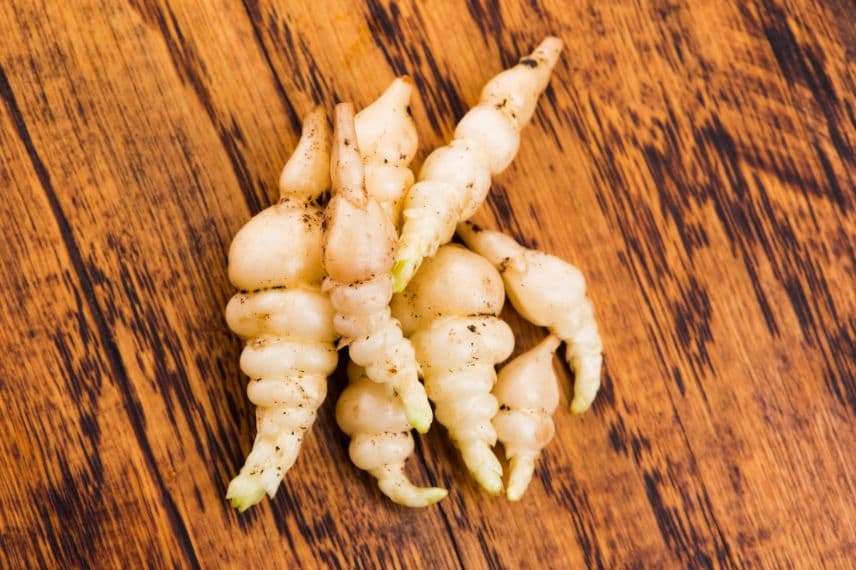
Finally, if you enjoy crosne, growing them in your garden means you can savour them whenever you like. Indeed, crosne, being hardy, can be harvested as needed throughout the winter. A harvest on demand that helps to overcome the short shelf life of these small tubers.
Planting Chinese artichoke: where, when, and how?
Chinese artichoke is a herbaceous plant, perennial by its tubers but grown as an annual in our climate, forming a clump of foliage 30 to 40 cm high, quite similar to that of mint (both artichoke and mint belong to the same family, Lamiaceae). Tuberculate rhizomes develop along its roots in a beaded shape. They are cultivated in the same way as potatoes.
Where to plant?
Artichokes thrive in all types of soil, but a light, sandy soil is preferable… at least for harvesting. Indeed, in heavy soil, tubers a few centimetres long can be difficult to extract. The soil should crumble quite easily. However, it must remain moist.
As for the location, it should be rather sunny, although the artichoke can adapt to partial shade.
Be sure to follow a crop rotation of 3 years to avoid the transmission of diseases to which the artichoke is relatively resistant.
When to plant?
The planting of tubers should be done by the end of April, but can take place in February or March in regions with mild winters. It takes 7 to 8 months for the tubers to reach ripeness. 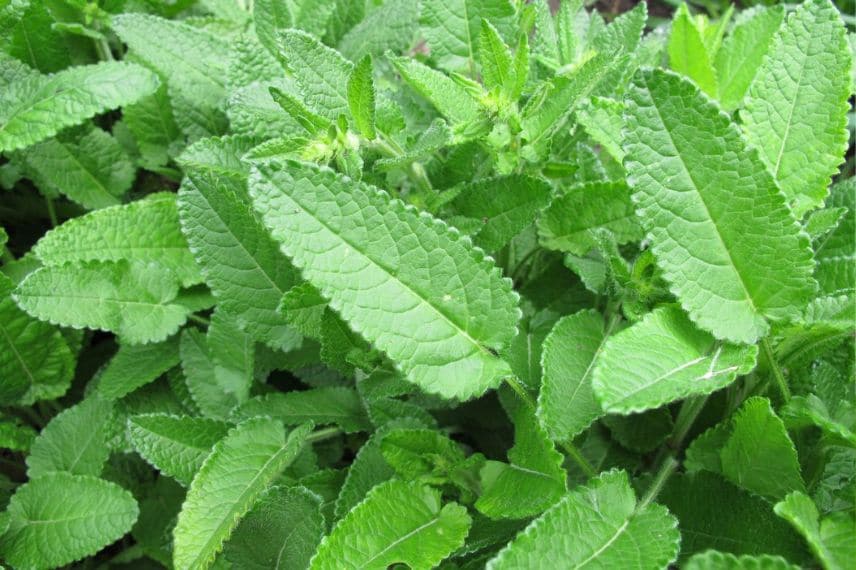
How to plant?
Before placing the tubers in the ground, it is essential to work the soil well with a fork or a broadfork to loosen and aerate it. Likewise, it is imperative to thoroughly remove weeds and stones that artichokes dislike. It is also possible to add a fertiliser rich in potash, such as seaweed or wood ash.
- Make furrows spaced 35 to 40 cm apart
- Every 15 to 20 cm, dig holes 10 to 15 cm deep with a bulb planter or trowel
- Place 2 or 3 artichoke tubers in each hole
- Cover the holes with soil without compacting
- Water.
It is also possible to sow artichokes in pots under cover from February and transplant them in April.
Discover other Traditional, unusual, exotic vegetable tubers
View all →
Available in 1 sizes

Available in 2 sizes

Available in 1 sizes

Available in 1 sizes

Available in 2 sizes
Available in 1 sizes
Available in 1 sizes
Available in 1 sizes
Available in 1 sizes
Available in 1 sizes
What care does Japanese crosne require in the vegetable garden?
Without being particularly difficult to grow, Chinese artichokes do require a minimum of maintenance, mainly due to the relatively long time they spend in the soil:
- Water to keep the soil moist, especially in summer during heatwaves or drought
- Hoe in May-June to remove the weeds that grow
- Apply mulch to counteract weeds, which are detrimental to the development of Chinese artichokes, and to maintain some moisture
- Loosen the soil in September by hilling the clumps of Chinese artichokes as you would with potatoes. Be careful not to damage the tubercles that may be close to the soil surface
- Apply another layer of mulch about twenty centimetres thick in early autumn to protect the Chinese artichokes from frost and prevent the soil from freezing to facilitate harvesting.
Harvesting and Storing Crosnes
From November onwards, when the foliage begins to wither, crosnes can be harvested. The harvest will continue until February. Often the clump disappears, which is why mulching is essential. Otherwise, remember to mark your ranks with stakes or hessian sacks placed on the ground, which will help protect the tubercules from the cold. The harvest is done with a digging fork that allows you to lift the soil.
If you forget some tubercules in the soil, they may sprout the following year. Similarly, feel free to keep a few that you will store in a ventilated, dark room, frost-free, in a box filled with damp sand. These tubercules can be replanted from February.
As for storage, it lasts a maximum of 48 hours. Beyond this time frame, crosnes dehydrate, soften, and lose their flavour. To keep them longer, simply freeze them.
- Subscribe!
- Contents

Comments