





























5 medicinal herbs against fatigue
Selection of plants for temporary fatigue
Contents
Frenzied pace, stress, lack of sleep… Fatigue can have various causes and degrees. In cases of mild and temporary fatigue, certain medicinal plants are renowned for helping to boost our energy levels. In herbal medicine, there are plants known as “adaptogens,” defined as those that can assist the body in responding to the aggressions and imbalances it faces. There are also plants reputed to be rich in stimulating substances like caffeine or vitamin C, which can provide a “pick-me-up” effect. Ginseng, Eleutherococcus, Rhodiola, coffee, Dog Rose, Rosemary… discover a selection of plants used in herbal medicine to combat mild fatigue.

Ginseng
Description
Ginseng is a medicinal plant renowned in Asia and has been used since antiquity in traditional Chinese medicine. It is part of the adaptogenic plants that stimulate the body against external attacks. Standing at 50 cm tall, it produces small white flowers in umbels during spring and summer, followed by red berries.
Virtues
Ginseng is used in phytotherapy for its tonifying properties, in cases of physical or intellectual fatigue. It is said to help combat stress and stimulate the immune system, particularly during a recovery period.
Usage
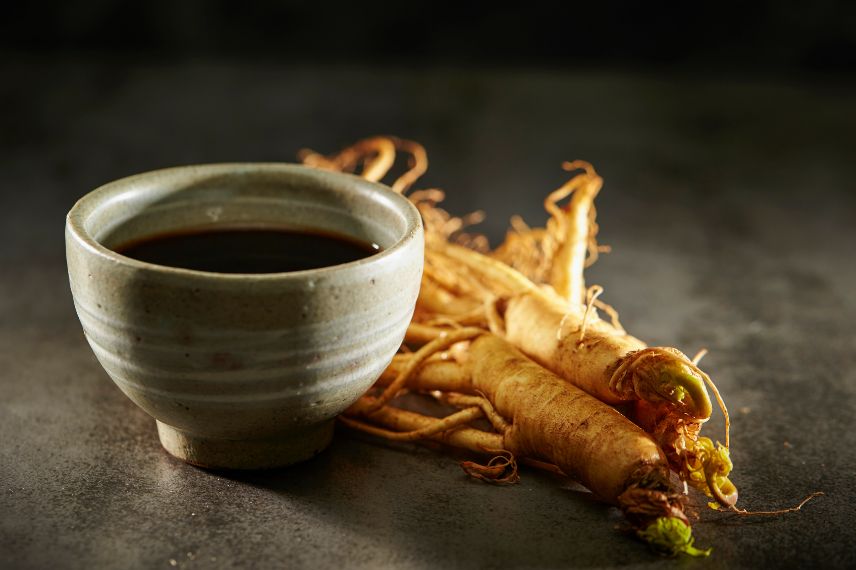
It is the root of ginseng that is used, either ground into powder or whole, to prepare herbal teas or decoctions. It is harvested from the fourth year of cultivation and then dried or steamed. Given its tonifying properties, it is preferable to consume ginseng in the morning to avoid sleep issues at night.
Ginseng can be used in herbal tea or decoction. Preferably use organic ginseng root. It is recommended to seek medical advice before consuming ginseng.
Culture
Ginseng is a woodland plant. It grows in light, moist, well-drained, acidic soil and thrives in shade. Hardy down to -15°C, ginseng grows slowly.
Eleutherococcus
Description
Eleutherococcus, also known as “Siberian ginseng,” is also an adaptogenic plant. This thorny shrub, ranging from 50 cm to 2.5 metres in height, is native to Siberia. It bears palmate leaves and flowers in July, producing purple and yellow flowers. It produces black berries.
Virtues
Eleutherococcus is said to stimulate immune defenses and enhance intellectual and physical performance.
Usage
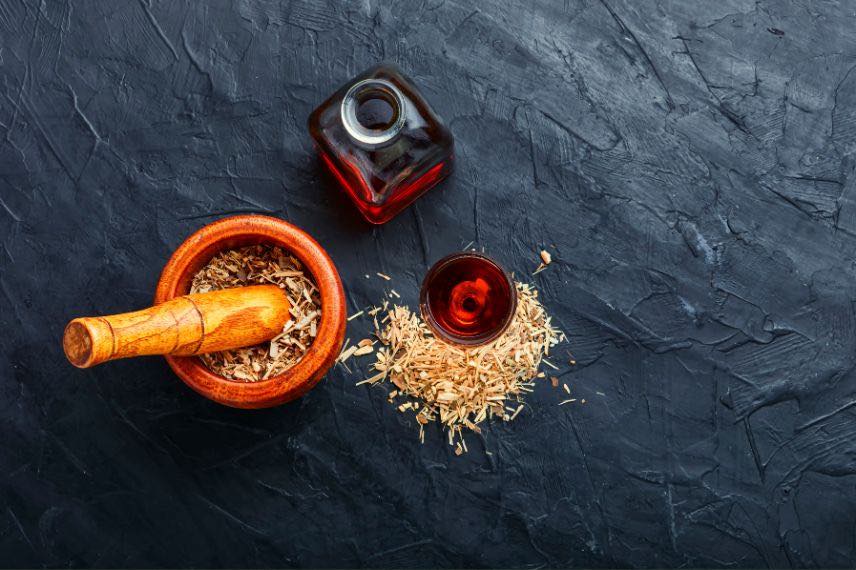
It is again the root of Eleutherococcus that is used in phytotherapy, either as a decoction or ground into a herbal tea. Due to its tonifying qualities, it is best consumed in the morning. It is recommended to seek medical advice before consumption.
Culture
Eleutherococcus prefers cool, well-drained soils and can be planted in full sun or partial shade. Very hardy, it withstands frost.
Rhodiola or Rhodiola rosea
Description
Rhodiola or Rhodolia rosea is also one of the adaptogenic plants. This succulent plant with thick, water-filled leaves reaches a height of 20 to 40 cm. It produces pink flower corymbs in July and August, which turn yellow.
Virtues
Rhodiola may help reduce fatigue and combat stress. It is said to stimulate the nervous system and have a positive effect on blood pressure.
Usage
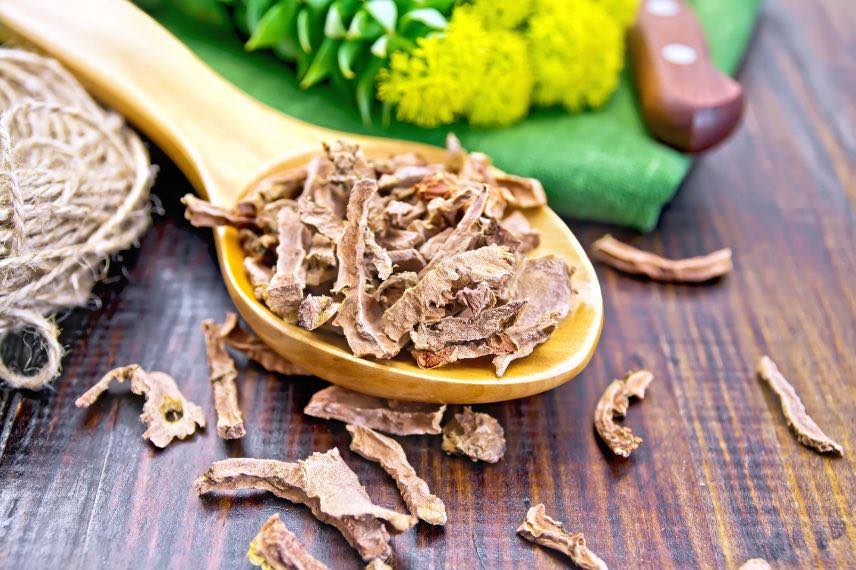
The rootstock of rhodiola is harvested in August. It is prepared as an herbal tea from a piece taken from the root. Use one teaspoon of root for two cups of water.
Cultivation
Rhodiola thrives when planted in full sun in stony soil, where it grows without the need for special maintenance.
Read also
7 medicinal plants for a beautiful skinCoffee plant
Description
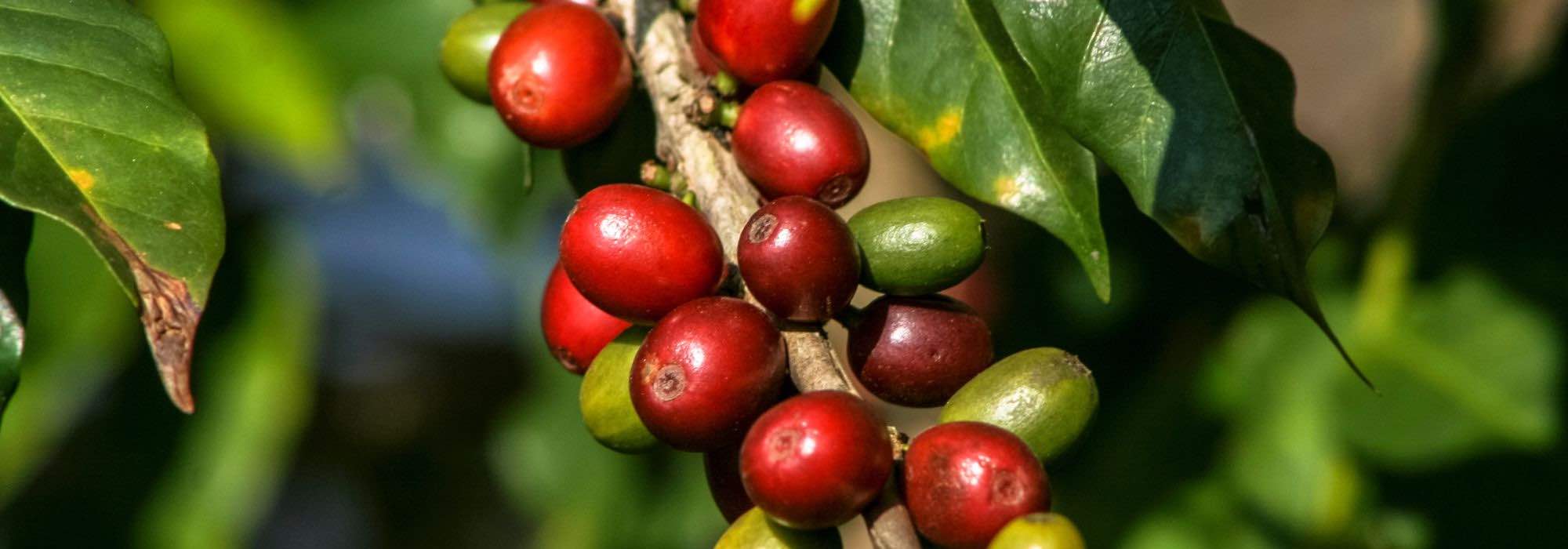
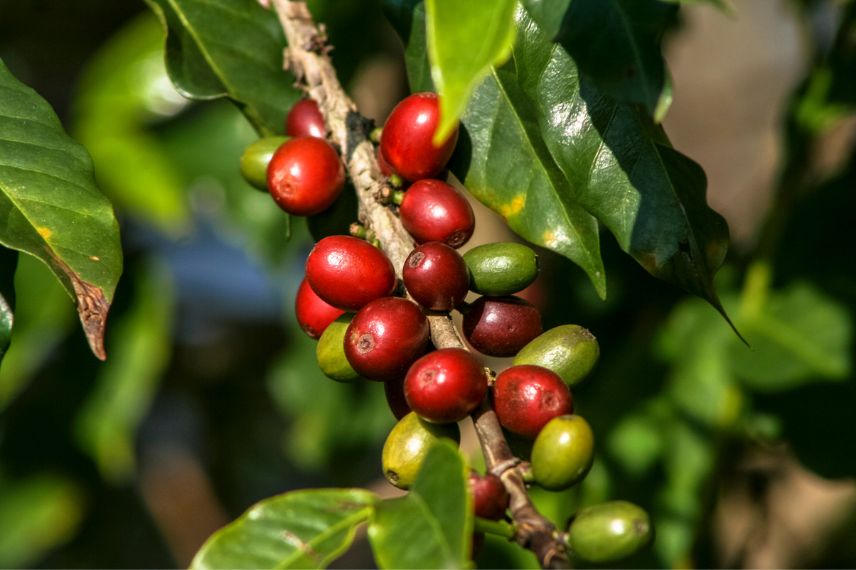
The coffee plant is a shrub that can reach 10 metres in height in its native regions of East Africa. It bears evergreen leaves of a beautiful glossy green and produces fragrant white flowers from June to October, before red berries called drupes appear. It is these fruits that give rise to coffee beans.
Virtues
Coffee is well known for its stimulating properties, which are thought to be due to the presence of caffeine and may help combat temporary fatigue.
Usage
It is the roasted and ground coffee beans that are consumed. Each person can measure their coffee as they wish to give themselves a temporary boost! To be consumed preferably in the morning and in moderation, as coffee is not recommended for those with issues such as gastric acidity, palpitations, or high blood pressure.
Culture
In our regions, the coffee plant is grown in pots, exposed to light but without direct sunlight, in a slightly acidic, rich, and well-drained substrate. This tropical plant is sensitive to frost and thrives at temperatures between 20 and 25°C.
Dog Rose – Rosa canina
Description
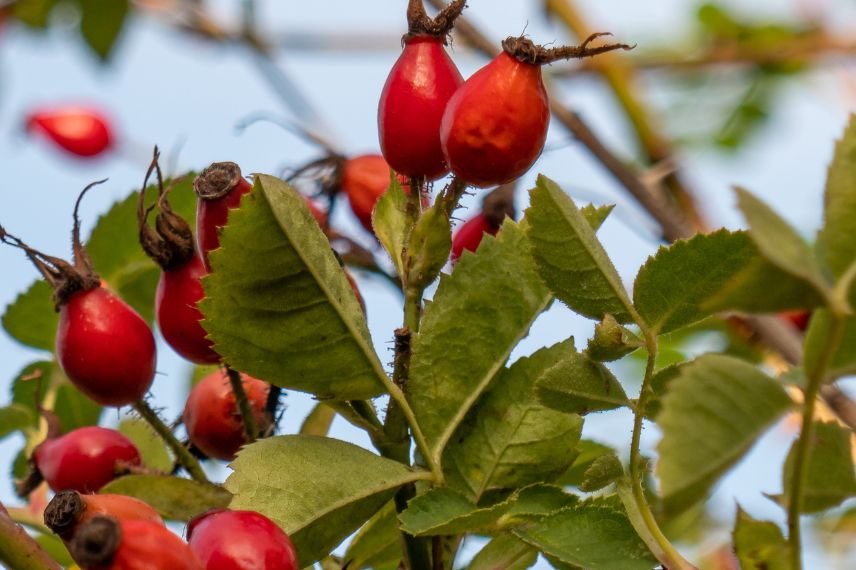
The dog rose or Rosa canina is the most well-known and widespread species of wild rose in France. It is a shrub with long, arching thorny stems. It can reach a height of 3 metres and flowers from May to June. It bears small, single flowers with 5 pink and white petals and a heart of golden stamens. In late season, small scarlet fruits called hips appear. They are edible.
Virtues
The fruits of the dog rose – Rosa canina or hips are reputed to be rich in vitamin C.
Usage
The hips of the dog rose are harvested in autumn and can be consumed as herbal tea, jam, or syrup.
Culture
The dog rose is hardy, vigorous, and grows in any soil, provided it is not too acidic and is well-drained. It prefers sunny locations.
For further reading
There are other plants known to help combat temporary fatigue. For example, other adaptogenic plants such as Ashwagandha (Withania somnifera) and Schisandra, plants renowned for being rich in vitamin C like acerola and the sea buckthorn, or rich in caffeine like guarana. Also mentioned are rosemary, dioecious nettle, lesser centaury, red vine, ginger, and maca.
Consuming organic plants is of course recommended. Before consuming herbal teas, it is also advisable to check for any contraindications and consult a healthcare professional.
For further reading: Encyclopaedia of Medicinal Plants, Larousse, 2001
- Subscribe!
- Contents

Comments