





























The Kalanchoe is a fleshy houseplant highly valued for its fleshy leaves and colourful flowers. There are three methods of Kalanchoe propagation by cuttings: stem cuttings, leaf cuttings, and separation of suckers. Here’s how to carry out these operations, with our practical tips!
When to propagate Kalanchoe?
Kalanchoe propagation is ideally carried out in spring or summer. During this season, cuttings root more quickly and young Kalanchoe plants establish themselves quickly.
- The Kalanchoe propagation (stem or leaf) is preferably carried out between March and July.
- Separation of suckers can be performed as soon as the mother Kalanchoe plant produces well-formed shoots with a few roots.
- For plantlet-bearing varieties, such as Kalanchoe daigremontiana, you can collect them year‑round if the plant is healthy.
How to propagate Kalanchoe?
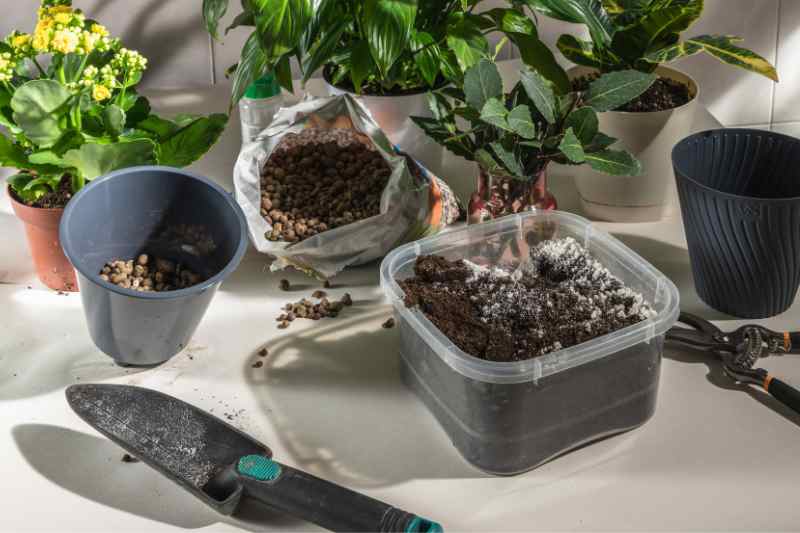
What you’ll need
- A garden knife or disinfected secateurs
- Small pots with drainage holes to prevent excess moisture
- A draining substrate: 2/3 cactus and succulent potting mix, and 1/3 coarse sand or perlite, a few clay pebbles
- A spray bottle to humidify without waterlogging
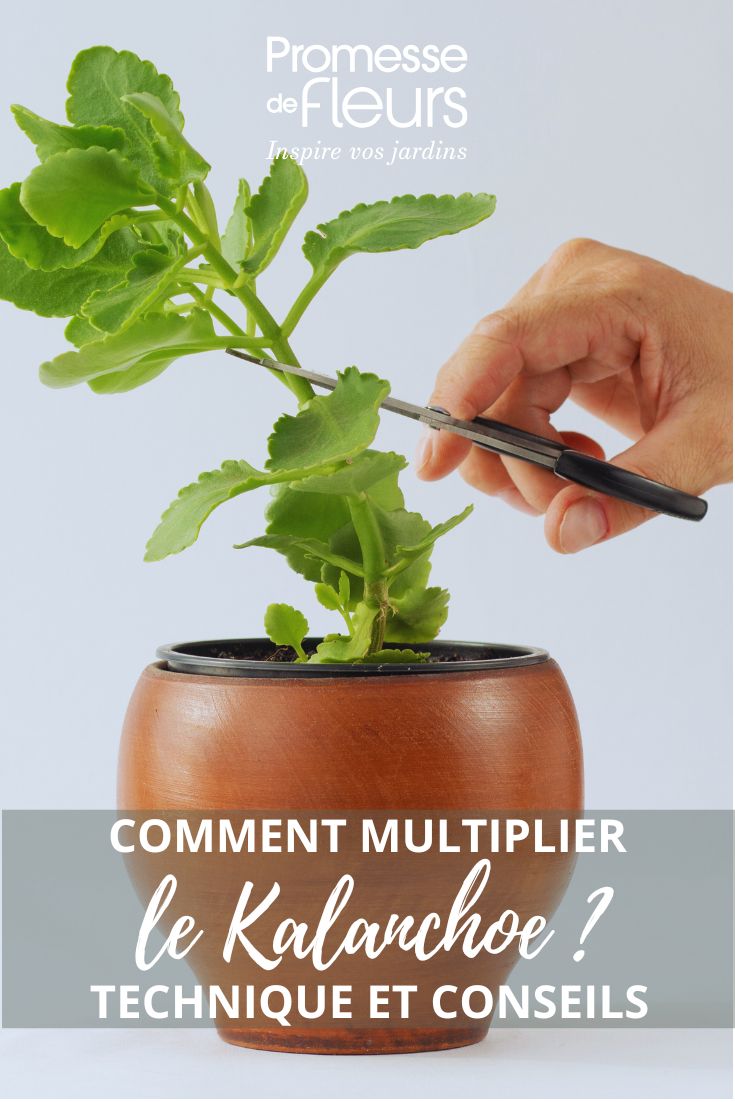
1. Stem cuttings: the simplest method
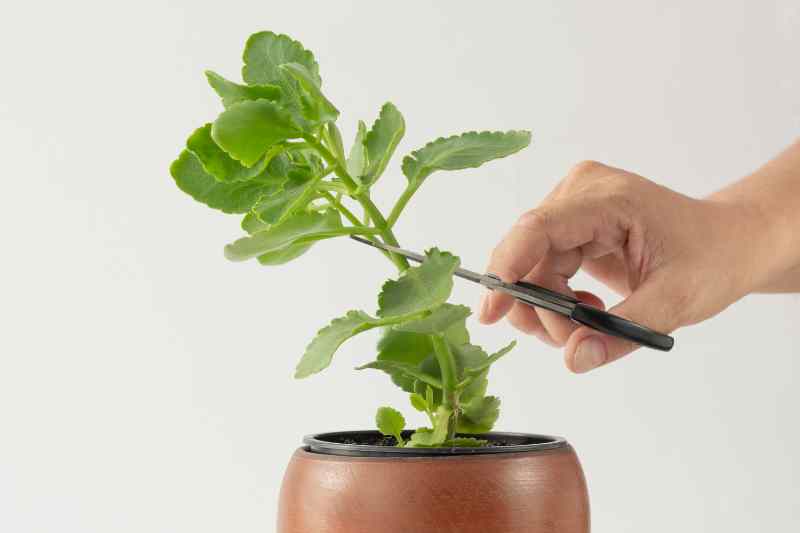
The Kalanchoe propagation by stem is suitable for most species.
- Take a healthy (not flowering) stem, 5–10 cm long, with a clean pair of secateurs.
- Allow to dry for 24–48 hours in a dry place to callus.
- Plant into the draining substrate.
- Water lightly and place in indirect light, away from direct sun.
- Monitor rooting (2–3 weeks) before treating as a mature plant.
2. Leaf cuttings of Kalanchoe: a slower method
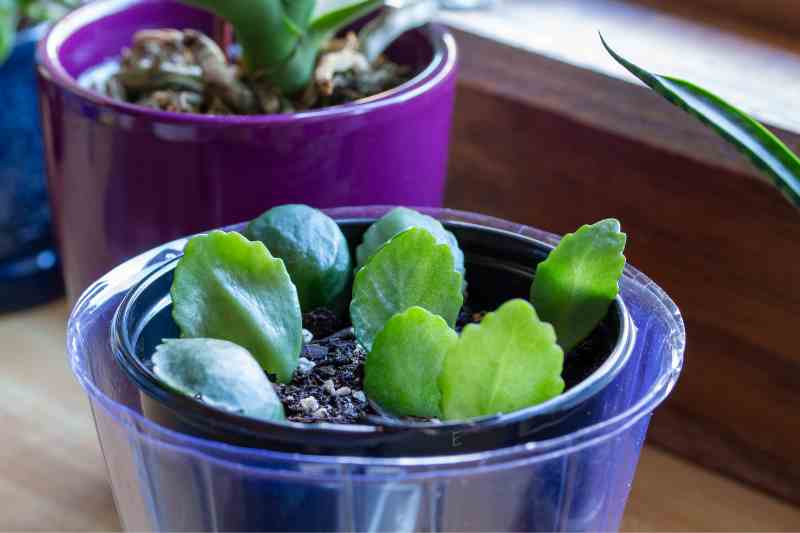
Some species, such as Kalanchoe tomentosa or Kalanchoe thyrsiflora, are suited to leaf propagation by cuttings:
- Detach a healthy leaf and let it dry for a few days.
- Place the leaf flat or press it into a slightly damp substrate.
- Wait several weeks until roots and a new rosette appear.
Separation of suckers: for species that sucker
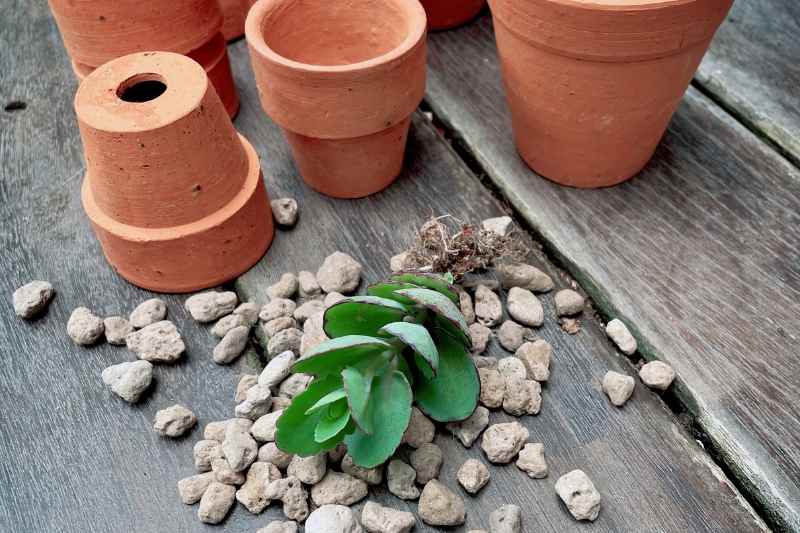
The separation of suckers from a Kalanchoe is ideal for species that naturally produce basal shoots at the base of the parent plant, such as the Kalanchoe thyrsiflora.
- Carefully lift the mother plant and identify suckers that are already rooted.
- Carefully cut the sucker with a sterilised knife.
- Replant each young Kalanchoe plant in a pot with a draining substrate.
- Water moderately and keep in a bright area away from direct sun.

Comments