





























Vermicompost: a natural and eco-friendly fertiliser for your plants
The benefits of this soil amendment for the garden.
Contents
Vermicompost, worm compost or vermicompost, often nicknamed the black gold of gardeners, is a 100% natural soil amendment resulting from the transformation of organic waste by worms. Produced by the vermicomposting process, it is rich in humus, enzymes, plant hormones and beneficial bacterial flora, creating an ideal soil environment for plant growth. In accordance with Regulation (EC) No 834/2007, vermicompost is a preferred choice for organic farming, offering a healthy and balanced fertiliser for plants, the vegetable garden or the lawn while respecting the environment. Let us explore its exceptional properties, how it is produced, and its multiple benefits for eco-friendly and sustainable gardening.
What is vermicompost?
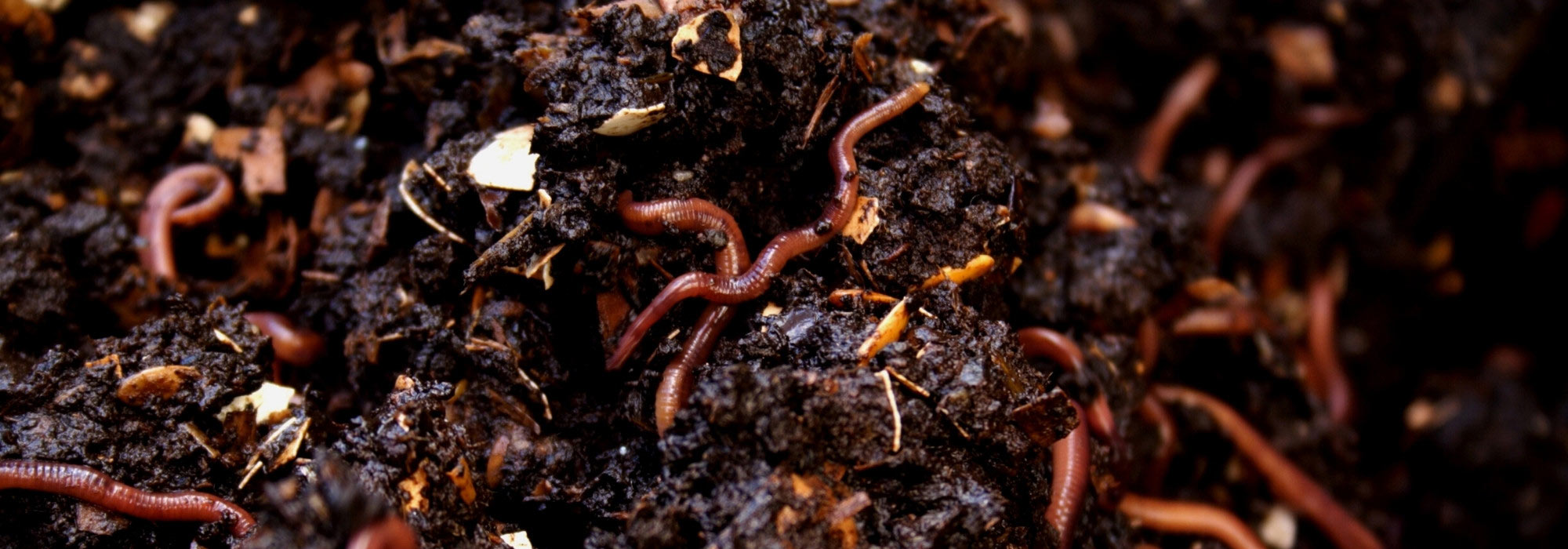
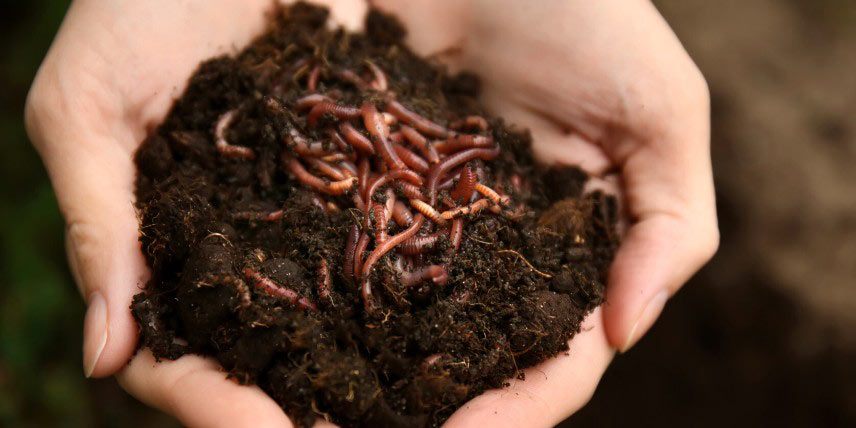
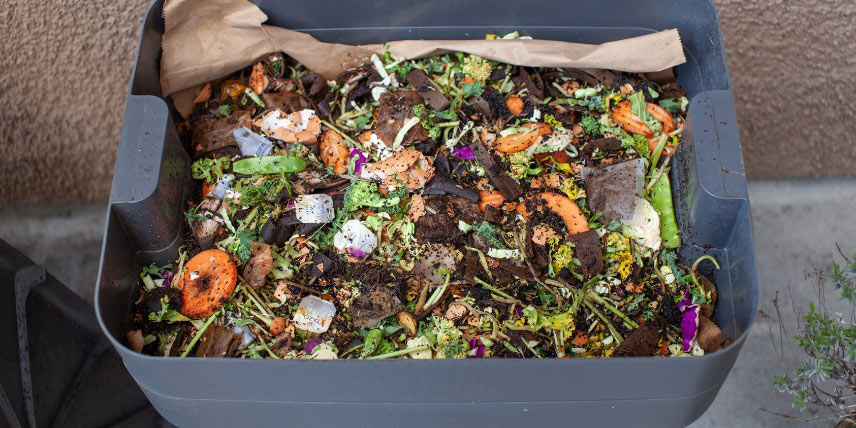
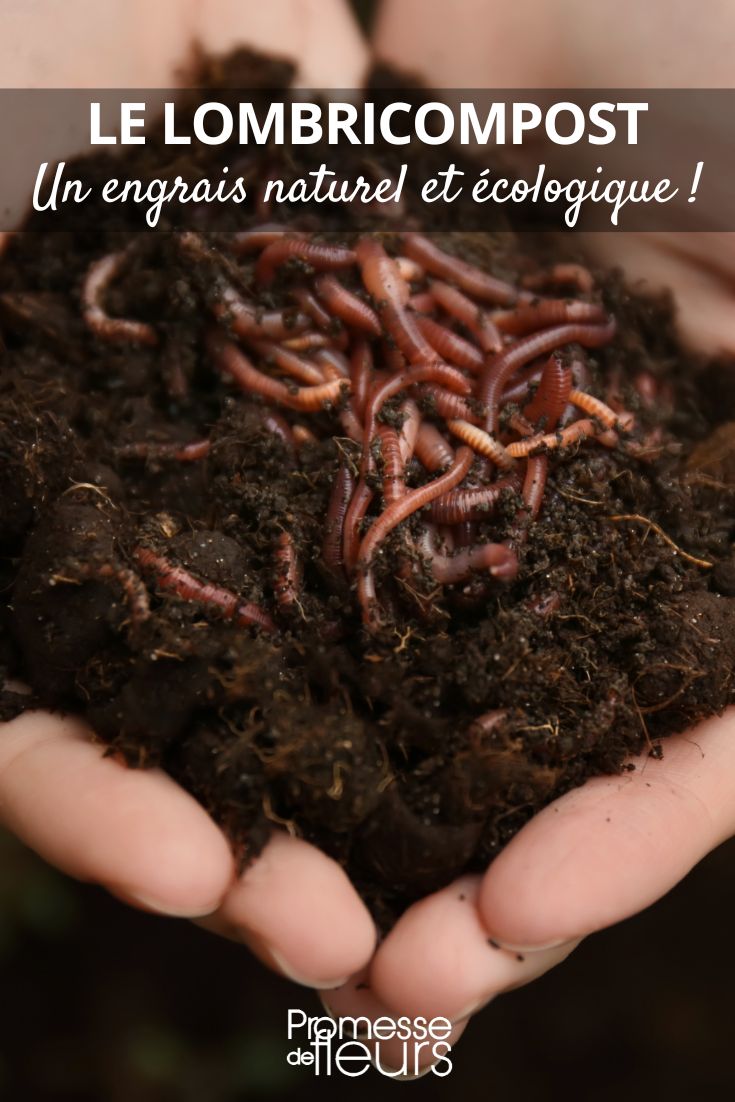
Vermicompost results from the breakdown of organic waste by the action of earthworms. The vermicomposter can break down most foods (peelings, eggshells, coffee grounds…). The worms used in vermicomposting are specific earthworm species, adapted to the rapid breakdown of organic matter. The most common are Eisenia fetida, the manure worm, and Eisenia andrei, the California red worm. These two species are the most commonly used for vermicomposting due to their ability to consume large quantities of organic matter (roughly equal to their own weight in a day), to thrive in composting environments and to reproduce rapidly. These worms are chosen for their efficiency in transforming kitchen and garden waste into a nutrient-rich, finely granular compost. This breakdown yields a nutrient-rich substrate, dark in colour, light, soft to the touch, with a pleasant odour.
Read also
Vermicompost, midrib practicalWhat is vermicompost composed of?
The vermicompost is a nutrient-rich concentrate, stable and rich in humus, immediately absorbable by plants. Its nitrogen content promotes vigorous growth of plants. Phosphorus plays an essential role in the development of roots and flowers, while potassium strengthens plants’ resistance to diseases and drought stress. It also contains fungi and bacteria. The exceptional quality of vermicompost stems from its unique production process, in which the worms enrich the compost with their droppings, extremely rich in nutrients and beneficial microorganisms.
What is the role of vermicompost?
Vermicompost improves and enriches the soil. Thanks to its high humus content derived from the decomposition of organic matter, this natural fertiliser gradually and steadily releases the essential nutrients for healthy plant growth. By enriching the soil, vermicompost promotes a healthy root system, essential for the absorption of nutrients and water. This improved root health leads to better seed germination and more vigorous plant growth.
In addition to these nutrients, vermicompost significantly improves soil structure, increasing its drainage. Its granular texture helps to aerate the soil and limit problems with waterlogged soils while retaining the moisture necessary for plants. This improvement in soil structure is crucial for healthy plant growth and the prevention of root diseases.
Vermicompost helps balance soil pH and prevent nutrient deficiencies that can make plants more susceptible to certain diseases. It also contains beneficial microorganisms to combat soil pathogens. Vermicompost reduces the risk of certain diseases, notably those linked to poor or unbalanced soil, or caused by excess moisture such as root rot and collar rot, downy mildew and powdery mildew.
Rich in microorganisms, it helps to combat or reduce the impact of certain soil parasites such as nematodes that can cause significant damage to plant roots. It is a valuable ally in integrated pest management.
Read also
How to fail at composting in 6 lessons?How to use vermicompost in the garden?
Introducing vermicompost into your gardening routine is straightforward. This eco-friendly fertiliser is useful when preparing soil just before sowing and planting. It can be used as a supplement to potting compost. However, we recommend using it in moderation; an excess of vermicompost could saturate soil with nutrients. It can be used:
- for seed germination: Vermicompost is ideal for covering the seeds. Its ability to retain water and warm soils creates a microclimate conducive to germination. By using vermicompost as a top layer, the seeds benefit from a humid and stable environment, essential for successful germination.
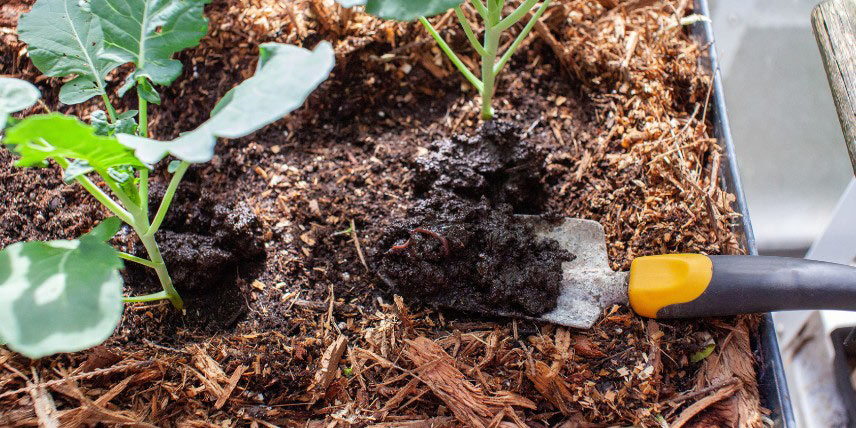
- when planting vegetables: Vermicompost can be used as is for planting or for transplanting vegetables. This will provide plants with an immediate supply of essential nutrients and will improve the contact of the roots with rich, fertile soil.
- for ornamental planting: For ornamental plantings, it is advisable to incorporate about 1.5 to 3 kg of vermicompost per hole, mixed with the soil. This amount enriches the soil, promoting healthy growth of bushes, trees and perennial plants. It can also be used as a top-dressing for established plants. Flowers will benefit from the addition of up to 1 kg of vermicompost per square metre. This amount is sufficient to enrich the soil without risking overloading it, which could be counterproductive.
- for lawn establishment: When creating or renovating a lawn, apply 1 to 2 kg of vermicompost per square metre, spread on the surface to ensure rich soil and a vigorous start for the grass.
Why use vermicompost?
Vermicomposting is a technique accessible to all.
- It is perfect when you don’t have a garden, as it allows year-round recycling of organic household waste instead of filling up your bins. This is a type of composting perfectly suited to city dwellers, as it is odourless, and allows rapid decomposition of kitchen waste. It takes up little space and can be set up indoors as well as outdoors in a house or flat.
- It is used to fertilise most potted plants, flowers or vegetable plants.
- It can significantly reduce the volume of household organic waste, by about 30 to 60 per cent, depending on your lifestyle. By turning kitchen and garden waste into a natural fertiliser, vermicomposting supports a sustainable gardening cycle. This helps reduce waste on site which, as a result, does not go to landfill or incineration, and therefore will not generate CO2.
- Vermicomposting therefore forms part of an environmentally responsible approach, helps reduce the use of chemical fertilisers and promotes eco-friendly gardening practices.
- Subscribe!
- Contents
Comments