





























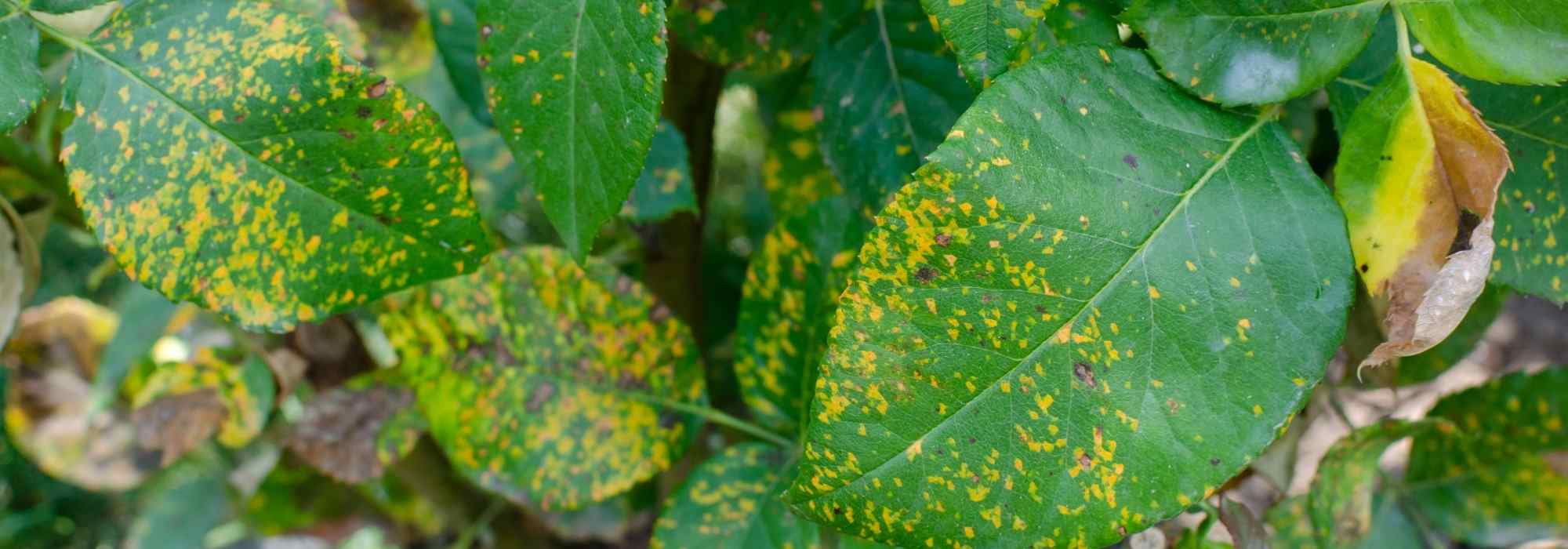
Rust
Identification, treatment and prevention
Contents
Rust is a very common cryptogamic disease in the garden caused by microscopic fungi. Trees, bushes, flowers, houseplants, vegetables, and fruit trees can all be affected, whether in ornamental gardens, vegetable patches, or orchards. It manifests as orange pustules on the leaves that burst and spread spores to nearby plants at the slightest contact or gust of wind. The fungus can then spread rapidly throughout the garden.
Discover our tips for spotting it, treating it naturally, and preventing its spread in the garden!

What is plant rust?
Identification
Rust is a disease known as cryptogamic, meaning it is caused by various fungi. In reality, there are a large number of rusts. Some rusts are often specific to a species: leek rust (Puccinia porri, Puccinia allii), rose rust (Phragmidium tuberculatum), potato rust… Rose rust will not attack your mint plants or potato plants, and vice versa.
The Symptoms of rust
Rust is a disease that is very easy to identify. It is characterised by the appearance of yellow-orange, red, or brown spots on the upper side of the leaves. On the underside, the leaves show orange, whitish, or brown-rust pustules (hence the name rust). These can also be observed on stems and pods, depending on the type of plant. Symptoms can vary significantly from one plant to another. They may take the form of open cracks on leek leaves or a wooly appearance on the branches of currants. These prominent pustules become powdery at maturity and burst. They release spores that are transmitted to other plants by the wind or through simple contact.
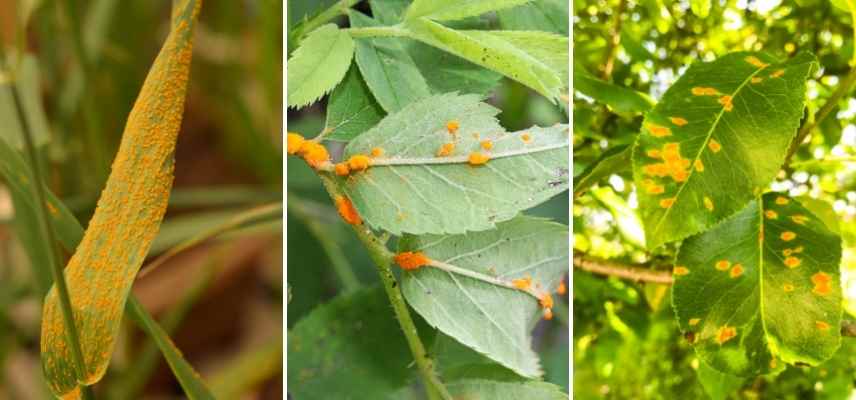 Rust on wheat leaf, on the underside of a rose leaf, and on the leaves of a pear tree
Damages
In the case of a severe attack, the affected leaves turn yellow, dry out, undergo necrosis, and then fall prematurely. Photosynthesis is hindered. In the long term, the plant weakens, growth slows, flowering decreases, as does fruit production. On ornamental plants, the issue is mainly aesthetic; it is rare for the plant to die. Its presence on vegetables and fruits is more concerning as it can render them unfit for consumption. Generally speaking, the survival of the plant is rarely threatened.
Read also
How to make horsetail manure?Which plants are most susceptible to rust?
Rust can affect many plants in ornamental gardens, vegetable patches, or orchards. Among the most sensitive are primarily:
- Flowering plants: roses, hollyhocks, hyacinths, pelargoniums, chrysanthemums, carnations, pansies, alyssum, snapdragons
- Vegetables: garlic, leeks, potatoes, beans, peas, mint, asparagus, salsify.
- Fruit trees: plums, pears, peaches, apricots, currants.
- Trees and bushes: conifers, junipers, birches, mahonias, fuchsias.
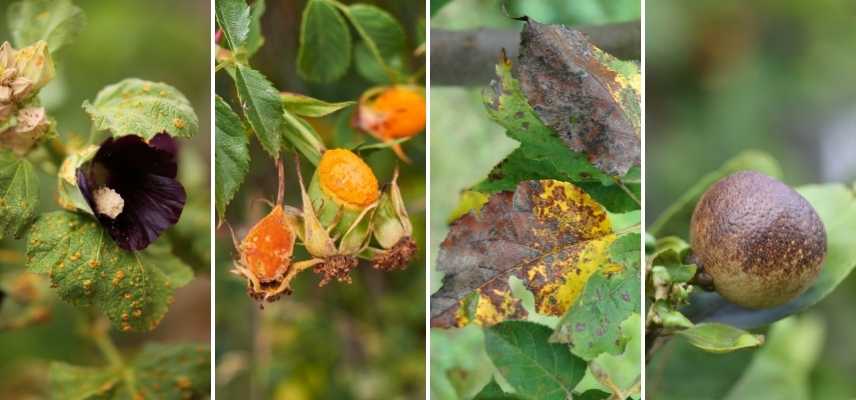
Hollyhock, rose, plum, and lime attacked by rust
Factors favouring the appearance of rust
Rust fungi spread from spring, benefiting from warm and humid weather. Humidity is a key factor in the development of the disease. Rust is also encouraged by a confined environment and overly dense plantings. Secondary infections occur throughout the summer. In winter, spores hibernate in plant debris such as dead leaves. The fungi withstand cold and then enter dormancy to resume activity the following spring.
Read also
Nettle manure: how to make it?How to treat rust in the garden?
Preventive Actions
You can prevent the appearance of rust in your garden by following these few preventive tips:
- Carefully monitor your plants
- Space your plants to allow air circulation around them; avoid planting too closely
- Water in the morning, avoiding wetting the leaves
- Remove affected leaves as soon as spots appear to reduce proliferation
- Disinfect pruning shears and shears to prevent transmitting the disease from one plant to another
- Regularly collect dead or affected leaves and burn them to prevent the winter survival of the fungus
- Choose resistant or less susceptible varieties to rust
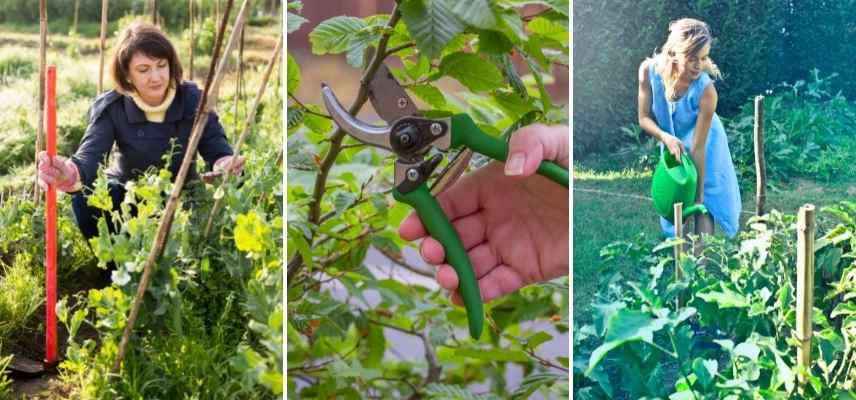
Regularly inspect plants and vegetables, use disinfected pruning shears, and water in the morning without wetting the leaves
Natural Treatments
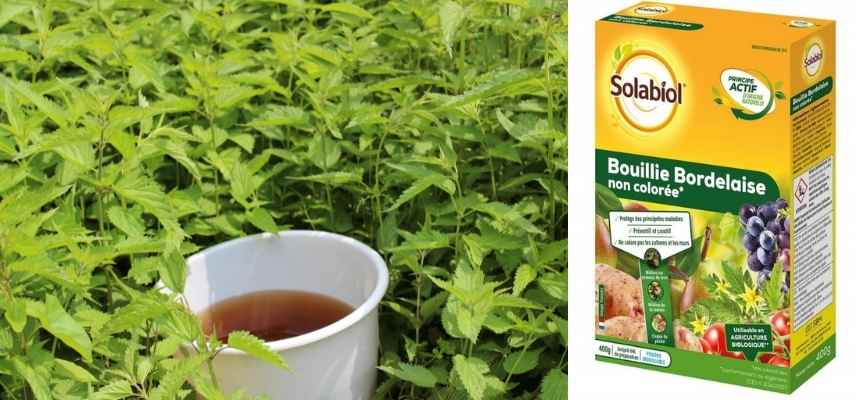
- In case of a rust attack, you can make sprays of horsetail decoctions or nettle manure. You can also carry out these treatments preventively every 15 days, in the morning.
→ Discover our tips for making your homemade horsetail manure and your nettle manure
- Sulphur-based fungicides can neutralise rust; they have fungicidal and disinfectant properties and provide both preventive and curative action. They are usable in organic farming. They are effective when temperatures are between 18 and 25°C. Beyond that, they may cause leaf burn. We recommend spraying sulphur powder or sulphur to dissolve in water from a sprayer.
- Copper-based substances like Bordeaux mixture are also effective.
→ All about Bordeaux mixture and other copper-based treatments
- Subscribe!
- Contents
Comments