





























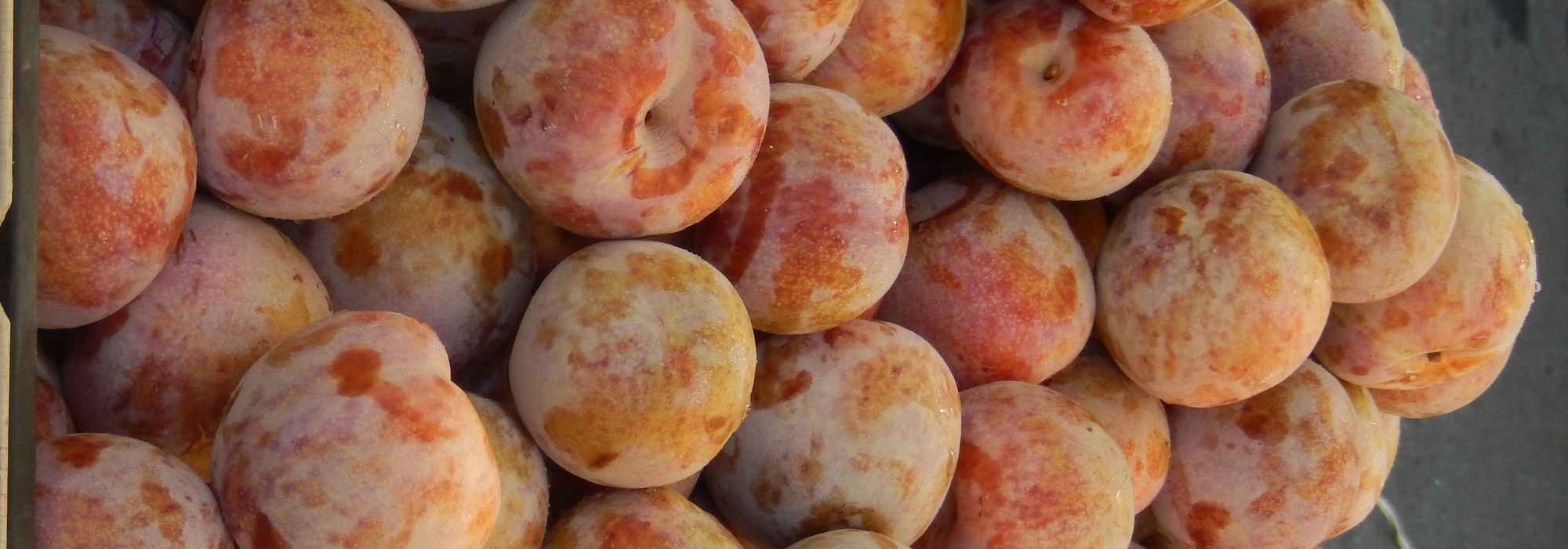
Pluot or plumcot: the best varieties
Discover the top pluots
Contents
The boundaries between fruits sometimes seem to blur, giving rise to astonishing hybrids in terms of flavour and appearance. One of these botanical wonders is the pluot, a cross between a plum and an apricot. More than just a curiosity, the pluot has carved out a place of honour on market stalls thanks to its exquisite flavours and its unique texture. Over the years, various varieties have emerged, each bringing its own touch of originality. So, how can you distinguish the best pluots among this diversity? Let’s dive into this flavourful world to discover the must-have varieties of this fruit treasure.

Pluot or apricot-plum in a nutshell
The pluot or apricot-plum or even plumcot is a botanical marvel resulting from the complex cross-breeding between the plum and the apricot. This genetic fusion has allowed the most appealing characteristics of the two fruits to be combined to create a new variety with exquisite flavour. First created in the 20th century by Floyd Zaiger, an innovative Californian horticulturist, the pluot shares plum genes (about 70% to 75%) and a smaller proportion of apricot genes (25% to 30%).
Pluot fruit, about 6 cm in diameter, can vary in colour, ranging from bright red to green, through dark purple, often with smooth skin. Their flesh is juicy, sweet and can display hues ranging from pink to red, depending on the variety. The flavour of the pluot is often described as mainly that of the plum with a hint of apricot, thus combining the best of both worlds. The pluot can be eaten raw at the foot of the tree, in fruit salads, but also in desserts, pastries, as an accompaniment to meats and dishes. It can, of course, be turned into jams, but also into fruit in syrup, compotes, juice…
It is a medium-to-small tree, not exceeding 3.5 m in height, making it ideal for small gardens.
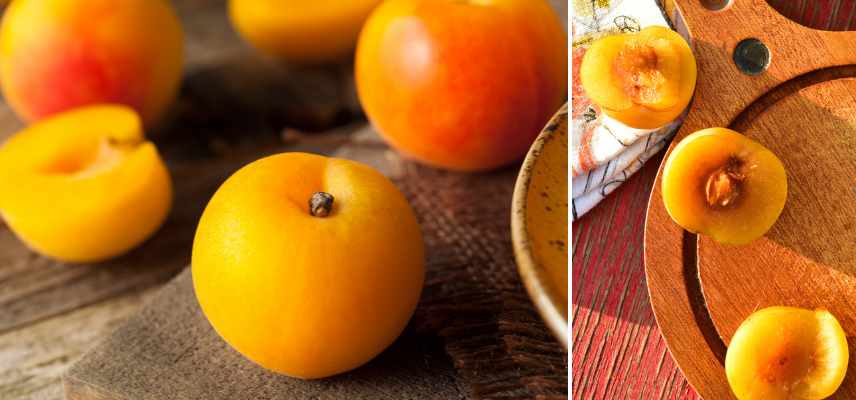
Pluots require a climate similar to that required by plums and apricots to grow, that is, a climate where winters are cold enough to meet their dormancy requirements, but without late frosts that could damage the blossoms. These small trees prefer sun and loose, rich, deep soils, and they dislike excess water as well as heavy, compact soils. Note that, as they are the result of a cross-breeding, they may require another variety for pollination.
Read also
Pluot : planting, cultivation, harvestThe Pluot 'Flavor Supreme'
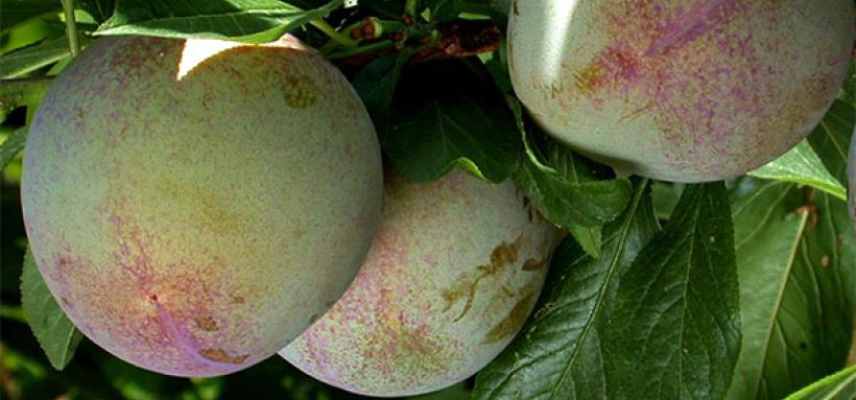
The Pluot ‘Flavor Supreme’ is the first pluot variety to appear on the market. It is particularly appreciated for its exceptional flavour and succulent texture. Its fruit has a green to violet-red skin, which darkens as it ripens. Its flesh is reddish, dense and juicy. It is also an incredibly sweet fruit with a rich prune flavour and a hint of apricot. The ripening period for this variety generally falls in early summer.
Note that this pluot is not self-fertile. For effective fruiting, it will therefore require the presence of another pluot variety or plum for cross-pollination. The Pluot ‘Flavor King’ is one of the pollinators commonly recommended for the ‘Flavor Supreme’.
The tree will reach a height of 3.5 m and a width of 2.5 m after a few years.
The Pluot 'Flavor Candy'
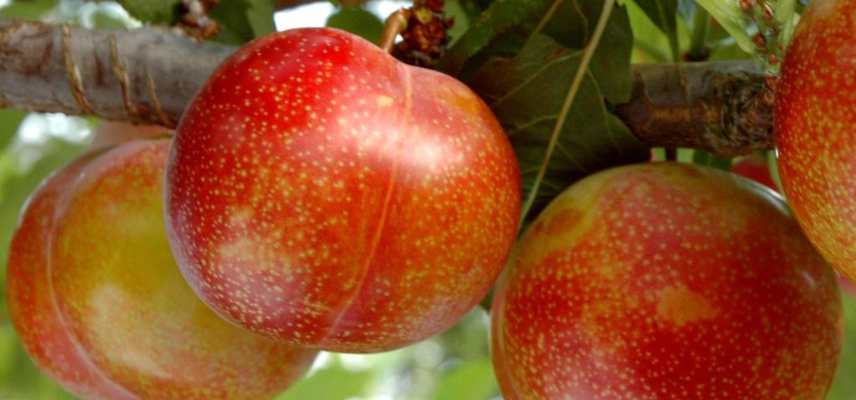
The fruit of the Pluot ‘Flavor Candy’ has a beautiful skin that ranges from pale yellow to pink-red. Its flesh is typically a golden colour with pink highlights, making the fruit visually appealing. As its name suggests, the ‘Flavor Candy’ fruit is remarkably sweet, almost tasting like a candy. It offers a delicious combination of plum and apricot flavours, with a clear predominance of the plum flavour. Ripening generally occurs in mid-summer.
The Pluot ‘Flavor Candy’ is self-fertile. However, the presence of another pluot or a plum tree that blooms at the same time (April–May) will be beneficial for better fruiting.
This pluot is medium-sized: 2.5 m tall by 1.5 m wide.
pluot 'Pink Candy'
The Pluot ‘Pink Candy’ is a very productive variety that produces sweet and sugary fruit. Its skin is smooth like a plum’s, and it is as large as a peach, but its flavour comes from the apricot. The fruit’s skin is pink and its flesh is coloured a striking pink-red. Smelling the fragrance of this pluot reveals aromas of exotic fruits. Harvesting takes place in August.
The Pluot ‘Pink Candy’ is self-fertile. But as with the Pluot ‘Flavor Candy’, the presence of another Pluot or a flowering plum at the same time (April–May) will be beneficial for better fruiting.
This pluot is of medium size: 2.50 m high by 1.50 m wide.
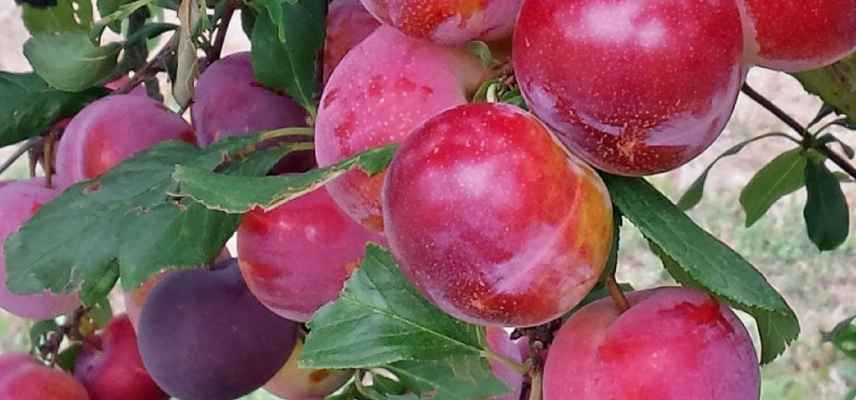
Pluot 'Purple Candy'
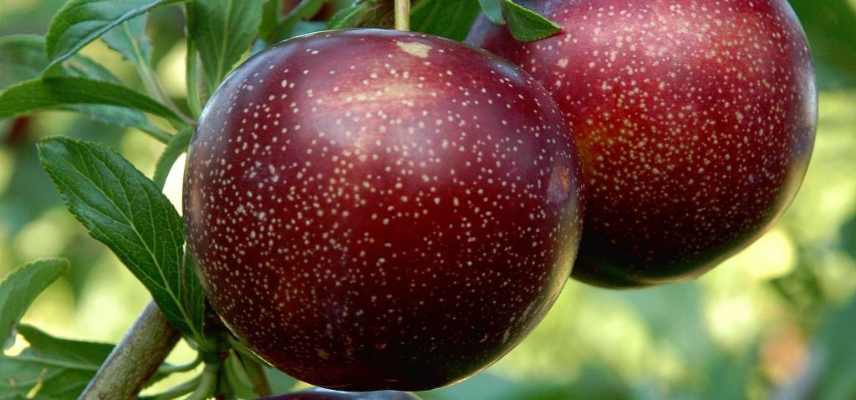
The Pluot ‘Purple Candy’ is very similar to the variety ‘Pink Candy’, apart from the colour of the fruit: its skin is dark violet-blue and its flesh yellow. The fruit is very sweet, of good flavour. Harvesting takes place in August.
The Pluot ‘Purple Candy’ is also self-fertile, but the presence of another pluot will be beneficial for a good yield.
This pluot is medium-sized, but appears slightly more compact than other pluots: 2.50 m tall by 1.50 m wide.
- Subscribe!
- Contents
Comments