





























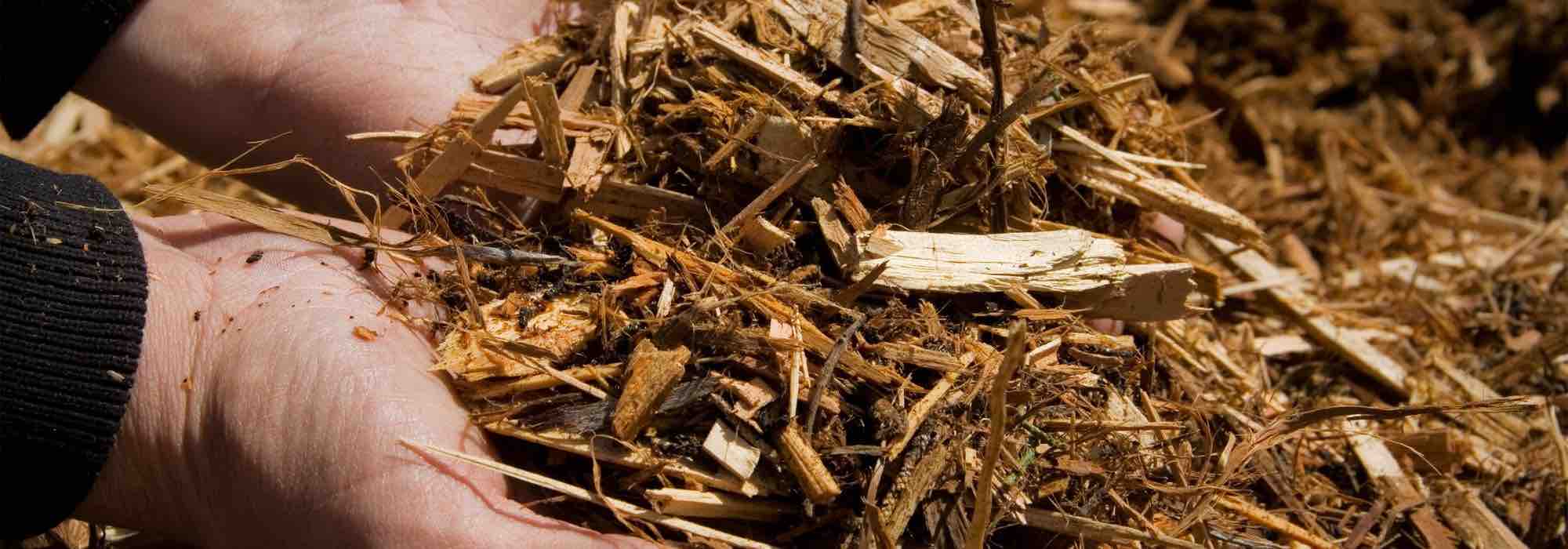
Mulching: how to protect young plants in the garden?
and improve the regrowth of young shoots
Contents
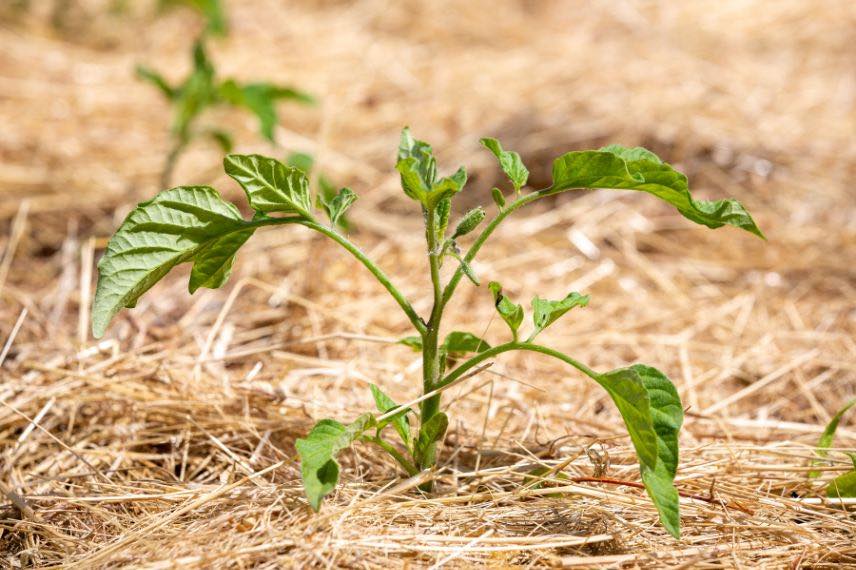
Young shoots in the garden are particularly vulnerable to outdoor conditions: invasive weeds, water shortage, high temperatures, extreme cold…
To give them every chance to get off to a good start, mulching proves to be a simple and natural method for protecting them.
By covering the soil with suitable materials, mulching provides effective protection against weeds, helps retain soil moisture, improves soil structure and regulates temperature.
It is particularly useful for young plants, which need this leg up to grow in optimal conditions.
In this article, explore the types of materials to prioritise and the best practices for applying it effectively.

What is mulching, and why mulching young shoots?
Mulching is a simple, natural technique that involves covering the soil around plantings with a layer of organic or mineral materials. This practice, inspired by natural processes observed in forests (where fallen leaves and other plant debris naturally cover the soil), is used in gardens to protect plants and improve soil health.
Young plantings are particularly sensitive to outdoor conditions, and mulching proves to be an effective solution to provide them with a stable environment conducive to their development.
- Protection against weeds: Weeds are genuine competitors for young plants. They compete for water, nutrients and even light, thereby slowing the growth of young shoots. By covering the soil with mulch, we block the light that promotes the germination of adventive weeds. This significantly reduces their emergence around young plants.
- Moisture retention: Young shoots, with their roots still underdeveloped, require constant moisture to develop well, without suffering from an excess of water. Mulching helps retain moisture in the soil by reducing evaporation. However, it is essential to choose mulches that do not trap too much moisture, as excessive moisture could lead to root rot. Airy materials such as finely chipped wood chips or flax shives are interesting options: they let the soil breathe while maintaining a moderate level of moisture.
- Improvement of soil structure: Organic mulching offers a double benefit: it protects plants while enriching the soil in the long term. As it decomposes, an organic mulch such as shredded fallen leaves, finely chopped straw or coconut fibres releases nutrients that improve soil fertility. This stimulates microbial life, promotes earthworms and improves the overall soil structure, making nutrients more accessible to the roots.
- Protection against temperature fluctuations: Young shoots are particularly vulnerable to sudden changes in temperature. Mulching acts as an insulating blanket, protecting the roots from cold at night and from excessive heat during the day. In autumn and winter, it helps prevent soil freezing, while in spring and summer, it prevents overheating. This thermal-regulating role is essential to maintain a stable environment around young plants, which do not yet have the strength to withstand large temperature swings. Materials such as hemp mulch, fine and light, are perfect for this use, as they insulate well without suffocating the roots.
- Reduction of water stress: With their root systems still limited, young plants are very sensitive to drought periods. By retaining moisture in the soil and reducing losses to evaporation, mulching helps limit water stress. This prevents plants from having to draw on their reserves to survive hot or dry days.
Read also
How to lay mulch properly?Which mulching materials should be used for young plants?
Young plants have delicate roots and vegetation that must not be smothered by materials that are too heavy or thick. That is why it is recommended to favour fine, lightweight mulches that allow the soil to breathe while providing effective protection. Biodegradable mulches are particularly attractive for young plantings, as they provide immediate protection while enriching the soil over time. These mulches break down naturally, releasing essential nutrients to support the growth of young shoots.
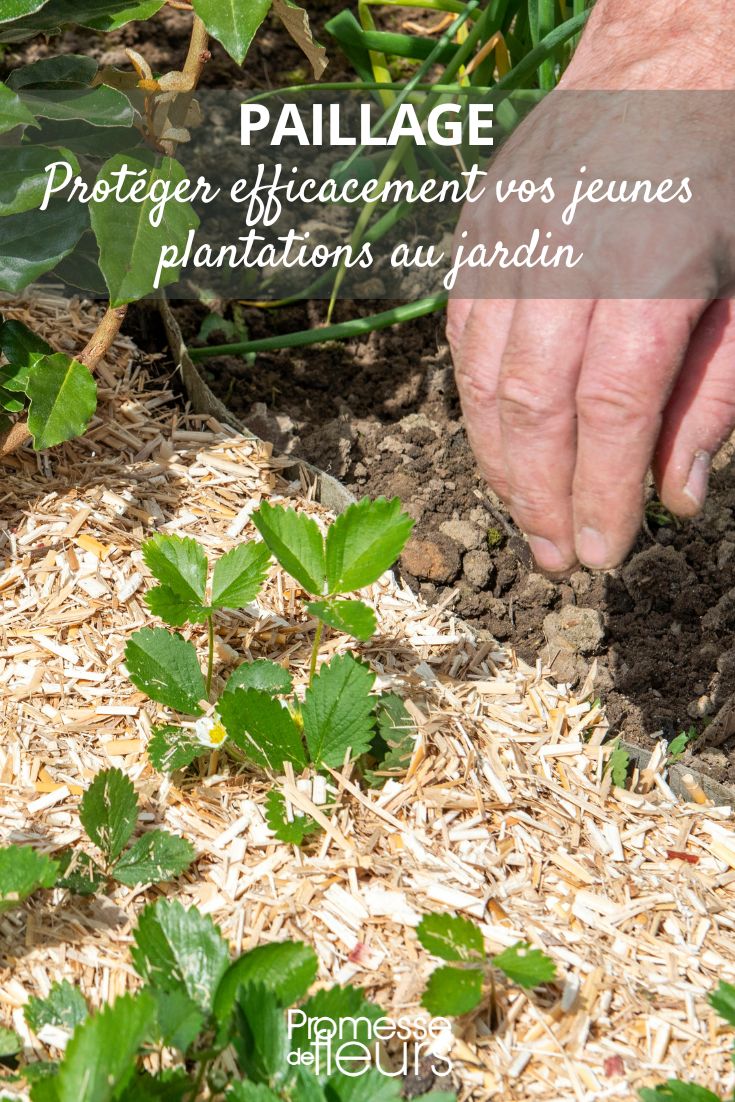
- Buckwheat hulls or Flax shives: these very light and fine mulches are perfect for young plantings. They create an airy layer that helps retain moisture while preventing weed growth.
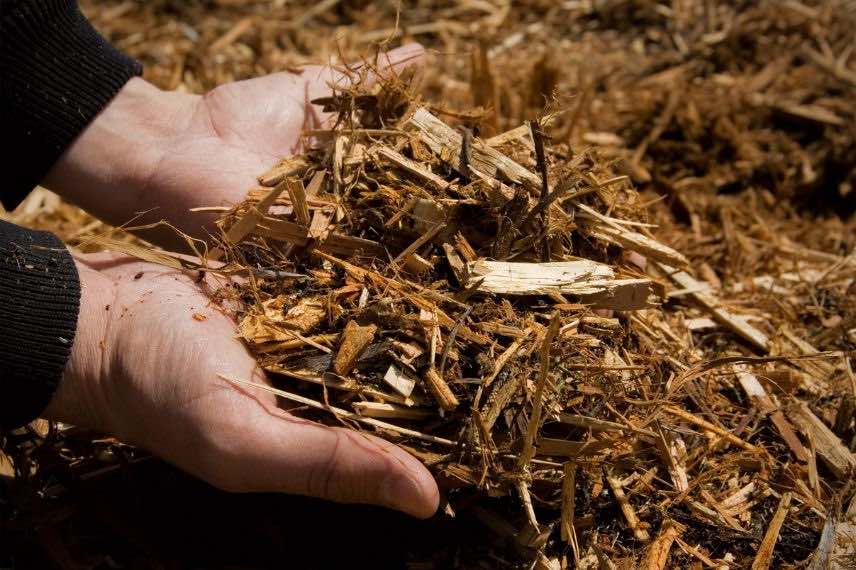
- Dead leaves, wood chips, straw: these materials are often available in large quantities and at low cost. However, it is important to shred them finely before using as mulch for young shoots.
- Mulching collars in hemp or in jute: these pre-formed collars are very practical for protecting each young plant individually. Hemp, naturally durable and biodegradable, forms a barrier against weeds while allowing air and water to pass through.
- Cocoa hulls: Derived from cacao processing, this mulch is the most fertilising of vegetable mulches, as it decomposes within around 10 months, while also forming an effective weed barrier. It also helps retain moisture without suffocating the roots.
- Hemp mulch: Hemp, in fibre form, is another excellent choice for young plantings. It combines lightness and durability, while decomposing slowly to nourish the soil. Hemp is particularly effective at maintaining moisture and protecting young plants from temperature fluctuations.
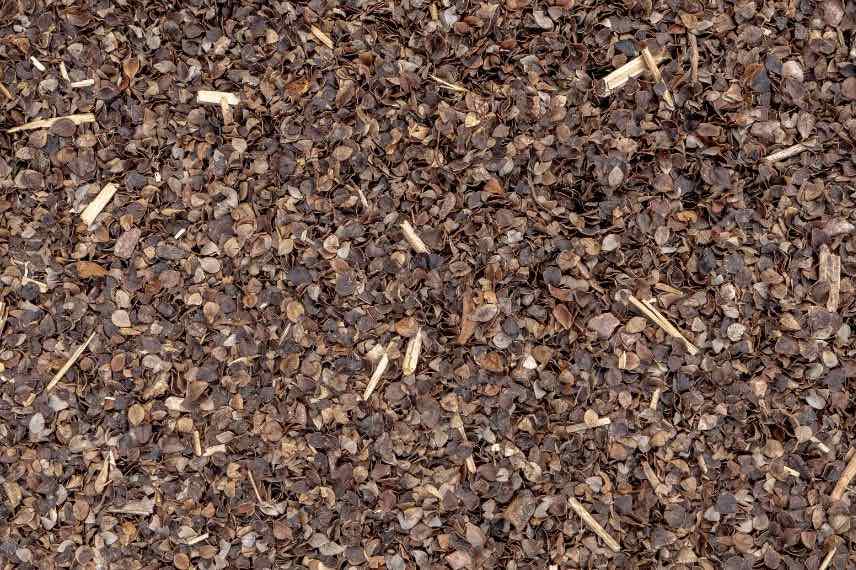
Buckwheat hulls
When and how should you mulch young plants effectively?
When to mulch young shoots?
- Spring: it’s the ideal time to mulch after the first plantings. Once the soil has warmed sufficiently, you can apply the mulch to maintain this warmth and prevent weed competition. However, be careful not to mulch too early: if the soil is still cold, the mulch could slow the regrowth of young plants.
- Autumn: mulching in autumn helps protect young plants from the rigours of winter. The mulch will act as insulation against frost, while continuing to improve soil structure during the cold period. This autumn mulching is particularly useful for perennial plants or young bushes planted late in the season.
- In summer: mulching at the start of summer can be beneficial for conserving moisture and protecting roots from overheating in hot summers. Make sure to water sufficiently before application.
Ideal mulch depth
A mulch layer that is too thin will not adequately protect plants, while a layer that is too thick could smother the roots and encourage diseases. Between 3 and 5 cm deep is needed to be effective on young plants, depending on the plant type. This will effectively suppress weeds while regulating moisture.
For mulches in the form of carpets or collars, ensure each young plant is well surrounded, but leave a small gap around the stem, about 2–3 cm clear.
Application
- Before mulching, ensure the soil is well moistened. Mulch will retain water in the soil, but if it is already dry at the time of application, it will be difficult to rehydrate your young shoots properly. It is therefore recommended to water generously before laying the mulch.
- A common mistake is placing mulch too close to the stems or trunks of the young plants. This can lead to rot by retaining too much moisture around the bases of the plants. Always leave a 2–5 cm gap around each stem to allow air to circulate.
- After applying mulch, if you notice it starting to compact or form a crust, you can aerate it lightly with a garden tool to avoid soil suffocation. It is also wise to check that moisture remains well regulated underneath the mulch, especially after frequent rains or dry spells.
- Fine organic materials decompose gradually and should be renewed every 6 to 12 months, depending on the rate of decomposition. The thicker, tougher mulches also degrade over time and may need replacement every 2 to 3 years.
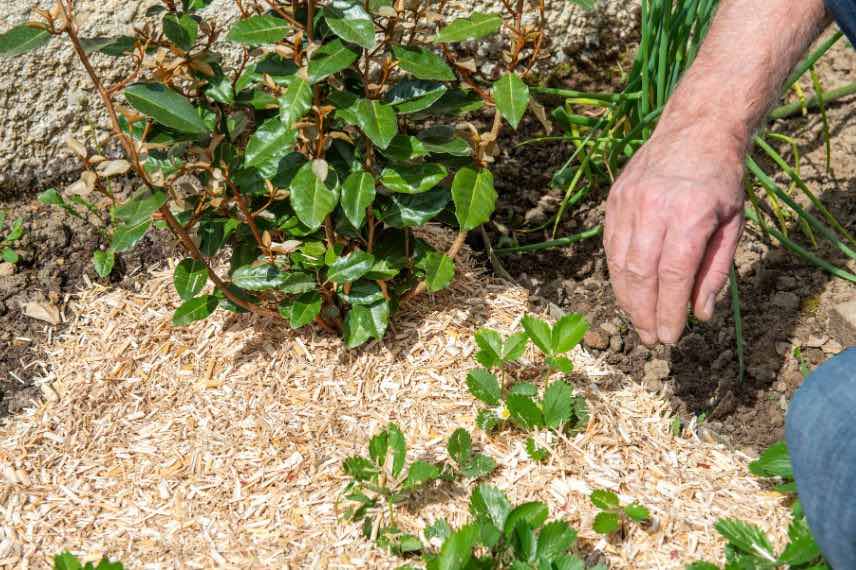
Eco-friendly DIY mulches for an eco-conscious garden
Why buy mulch when you can make it yourself from simple materials, often already in the garden? Here are some DIY mulches that are economical and environmentally friendly while being suitable for young shoots.
- Do not throw away dead leaves! They make an excellent natural mulch, provided you shred them finely to prevent forming a dense layer. Finely shredded dead leaves decompose quickly, enriching the soil while retaining moisture and suppressing weeds.
- After mowing your lawn, allow the grass clippings to dry for a few days before using them as mulch. The dried clippings provide a thin protective layer, rich in nitrogen, ideal for young shoots. However, be careful not to use too many at once, as they can form a dense mat that smothers.
- If you prune your trees or shrubs, collect the branches and shred them to obtain a home-made mulch. Wood chips are durable and help regulate soil temperature as they slowly decompose to improve soil structure.
- Subscribe!
- Contents
Comments