





























Kitchen garden: why and how to choose seeds suited to climate change?
Resilient seeds for a resilient vegetable garden
Contents
Climate change is no longer simply a forecast for the future; it is already a tangible reality. And as a gardener, you have surely already observed or felt these changes up close in the vegetable garden. Adaptation is the key to survival, even in our gardens. With increasingly unpredictable weather conditions, the choice of seeds suited to your vegetable garden is no longer optional but a necessity.
In this article, we will explore the impact of climate change on the growth conditions of your vegetable garden. We will highlight why and how choosing resilient seeds can make all the difference in ensuring a bountiful harvest, whatever the weather.

Understanding climate change
If you’re concerned about ecology and nature, I won’t be telling you anything you don’t already know: climate change refers to long-term changes in the average weather conditions on our planet. These changes are largely due to human activity, such as the emission of greenhouse gases. They manifest themselves in various ways: rising global temperatures, altered precipitation and an increase in extreme weather events.
Although we are all affected, these changes also affect the growth conditions for plants. Hotter summers and milder winters disrupt the planting and harvesting calendars, as well as flowering. An early start to spring or a late autumn can disrupt plant growth cycles, making garden planning difficult. Insect populations migrate with the warmth, and new pests, previously unknown in some regions, are appearing.
Violent storms, droughts and floods are becoming increasingly unpredictable and intense. They can not only damage plants, but also erode soil and reduce nutrient availability.
Our cherished vegetable plants suffer from the heat and water shortages that affect yields, even in winter! Not to mention watering restrictions that have become virtually standard across regions. The vegetable garden is thirsty, and it’s not going to change if we keep sticking to our old habits!
Importance of resilience in the kitchen garden
What is resilience in gardening?
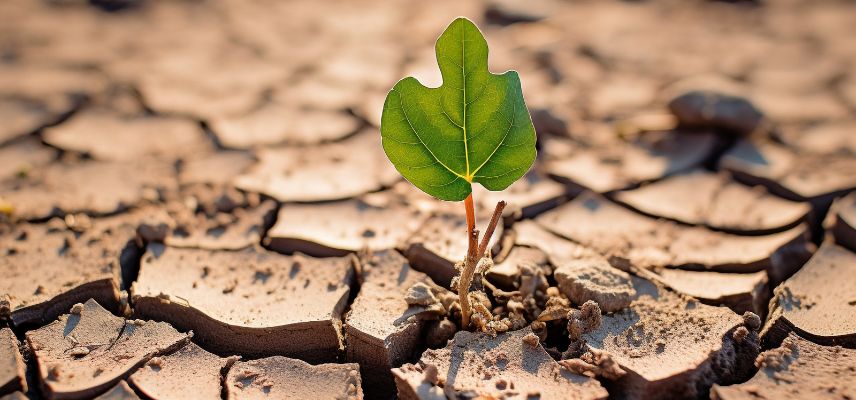
Resilience in gardening refers to the ability of a garden to recover from adverse conditions and to adapt to changing environments. The more resilient your vegetable garden is, the better equipped it is to cope with constraints such as diseases, parasites, water shortages, and climate changes. And this resilience starts with a choice of plants that are more robust and suited to these conditions: less water-hungry, better adapted to variations in rainfall or heat, and to diseases.
Why is it important?
A resilient vegetable garden enables you to maintain, or even improve, your yields in the face of increasingly variable climatic conditions. For example, if you have chosen tomato varieties that can tolerate drier conditions, your harvest will be less affected by an especially hot and dry summer.
The long-term benefits of a resilient garden
Investing in the resilience of your vegetable garden can yield long-term benefits, including better soil health, plants that are more suited and a more stable yield year after year. And by including biodiversity into the mix, we increase our long-term benefits.
How to choose the right seeds?
As you’ll no doubt have gathered, for a more resilient garden, you should start by choosing good seeds! But what criteria should you inspect under the magnifying glass? Here are a few pointers to help you:
Seeds tolerant of extreme weather conditions
For regions subject to extreme climate variations, it is wise to choose seeds that can tolerate those conditions, particularly drought and heat. For example, some varieties of lettuce and salad greens tolerate heat well and bolt less readily, such as the ‘Grosse Blonde Paresseuse’ or the ‘Merveille des 4 Saisons’.
Des semences résistantes aux maladies
Some seeds have been selected for their resistance to common diseases, which can be a valuable asset in a wetter or hotter climate. Blight-resistant potatoes can save you from a ruined harvest in wet years. Another example, some varieties of beans are less prone to diseases, such as the climbing bean ‘Planeta’, ‘Oxidel 2’, or ‘Morgane’.
Des semences à croissance rapide
The climate is making seasons increasingly unpredictable. Sometimes gardeners find themselves with a shorter growing window due to unfavourable weather at the start or end of the season. Fast-growing seeds can help you maximise your harvest in these conditions by reducing the time needed to reach maturity. For example, the Oak Leaf lettuce is renowned for its quick growth, in addition to being bolting-resistant.
Privilégiez les semences locales
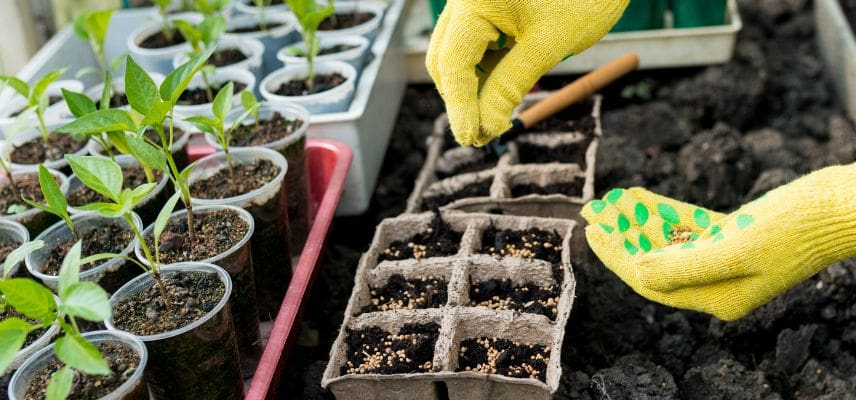
Generally, locally produced seeds will be much more suited to your region. For example, if you live in an area where summers are short, fast-maturing vegetables may be more suitable. Another example: a carrot variety accustomed to clayier soil will be more likely to thrive in regions where that soil type is prevalent.
Don’t hesitate to chat with and swap seeds with fellow gardeners nearby, or to attend your region’s plant fairs. You can also benefit from other gardeners’ experiences to learn which varieties have performed well under similar growing conditions.
Faites vos propres semences
Another option is to save your own seeds, which gives you the opportunity to grow plants that have already thrived in your garden. This can increase your chances of future success! In addition, it lets you select the particular traits you want to preserve, whether disease resistance, fruit size or even colour.
For example, on your five tomato plants this year, one of them proved particularly drought-tolerant and productive. By saving the seeds from one of these tomatoes, you will have a good chance of obtaining future plants with that trait.
→ For more information, browse our article: Saving seeds, harvesting them and storing them properly.

Changer vos cultures
There comes a time when you need to ask yourself: are all the plants in my garden really suited to the current conditions? For example, if you have always grown sweetcorn, but summers are becoming drier and your harvests are disappointing, it might be time to consider a less water-hungry alternative. Millet, for example, can be a good option.
Similarly, if your region becomes wetter, crops such as potatoes, which are susceptible to certain diseases in overly wet soils, could be replaced. Cabbages can be an interesting alternative in this case.
The important thing is to be ready to make adjustments and to try new plants. That way, your garden will stay productive, even as the climate continues to change.
Further reading
If climate-adapted seeds are a key element in facing a changing climate, they are not the only solution. There are other gardening practices gaining traction in the face of climate change that can boost the resilience of your vegetable garden:
Mulching
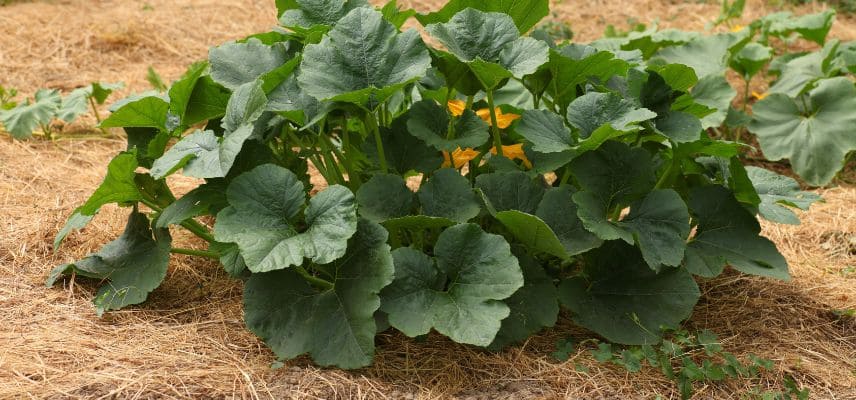
Mulching is a technique that involves covering the soil with organic materials such as straw, fallen leaves or compost. This method helps to retain soil moisture, reduces evaporation and lowers the need for irrigation, which is particularly useful during dry spells.
→ Read our article on the topic: What mulch for the vegetable garden?
Permaculture
Permaculture is an approach to gardening that aims to create self-sustaining and sustainable ecosystems. It encompasses techniques such as crop rotation, polyculture, and even aquaponics to create a more balanced environment. Permaculture is especially relevant for anticipating climate change, as it relies on diversity and plant resilience.
→ Read our article on the topic: Vegetable garden in permaculture: where to start?
- Subscribe!
- Contents

Comments