






























Kitchen garden: crop rotation in autumn
Our tips for a successful crop rotation
Contents
The leaves on the trees are turning red, just like the pumpkins in the vegetable garden. And yes, autumn is here and it’s time to harvest the last vegetables of the season! But autumn also means: preparing the garden for winter! And this lovely period is ideal for planning and implementing crop rotation in the vegetable garden, to maintain healthy soil and a bountiful harvest. In this article, discover why crop rotation is so important for the health of the garden, and how autumn offers favourable conditions for this practice. All of this with our tips to plan and carry out a successful rotation, from soil preparation to choosing new plants to grow.
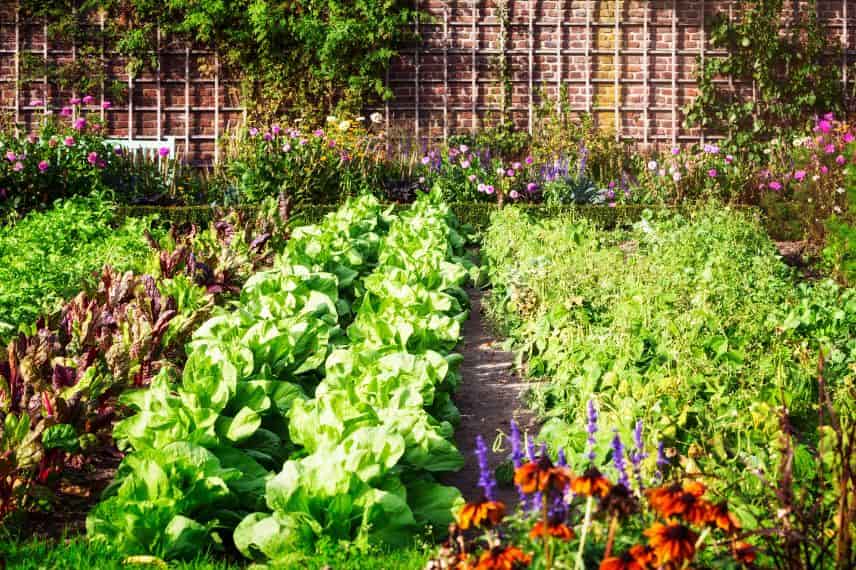

Why rotating crops in the vegetable garden?
Disease and pest prevention
One of the most obvious benefits of crop rotation is the reduction of disease and pest risk. Indeed, some soil-borne diseases and pests specialise in attacking particular plant families, such as the dreaded late blight that affects tomatoes and potatoes, both from the Solanaceae family.
By changing where you plant each year, you reduce the likelihood that these diseases or pests establish themselves permanently in your soil and attack future plants again.
Improving soil quality
Each type of plant has its own nutrient requirements. By practising crop rotation, you can help balance soil nutrient levels. For example, legumes fix nitrogen in the soil, which can then benefit nitrogen-hungry plants such as sweetcorn.
Similarly, some plants, such as tomatoes, can quickly deplete soil nutrients, while others, such as carrots, have less demanding needs. By alternating these crops, you can get the best from your vegetable garden all year round without exhausting it!

Why in autumn?
Autumn is a transitional period for the vegetable garden. Often we harvest the last vegetables of the season, and some areas lie fallow or are replaced by cover crops. The winter vegetables already in place are growing slowly, and most diseases or pests have completed their life cycle, which allows identifying problem areas. It is therefore a relatively calm period for observation.
Autumn also offers milder temperatures and soil that is more moist (and therefore looser), which makes garden work easier. It is also the ideal season to enrich your soil with organic matter such as compost or manure. They will have all winter to enrich the soil and will help improve its structure as well as soil fertility, making your crop rotation even more effective.
For example, if you have grown leafy vegetables such as lettuce or the spinach in spring and summer, autumn would be the ideal time to apply compost rich in phosphorus and potassium to prepare the soil for root vegetables such as carrots or beetroots.
All in all, autumn gives you the time and space to work more efficiently!

Steps to plan your crop rotation
One of the keys to successful crop rotation is careful planning. To maximise the benefits of this practice, follow these steps:
Identify plant families
Before deciding where to plant what, it is crucial to know the families of the vegetables you want to grow. Each family has specific nutritional needs and is prone to particular diseases or pests. Here is a simplified classification of the main vegetable families you can grow:
- Solanaceae: tomatoes, potatoes, aubergines, peppers, chillies…
- Fabaceae (Leguminosae): peas, beans, broad beans, lentils…
- Apiaceae: carrots, celery, parsley, parsnips, fennel…
- Brassicaceae: cabbages, radishes, broccoli, turnips, swede…
- Cucurbitaceae: squashes, courgettes, pumpkins, melons, cucumbers…
- Asteraceae: lettuces, chicory, lamb’s lettuce
- Amaryllidaceae (formerly Alliaceae): leeks, onions,
Note: there are other families as well, for example the Poaceae (maize), the Convolvulaceae (sweet potato), etc.
Establish a crop rotation plan
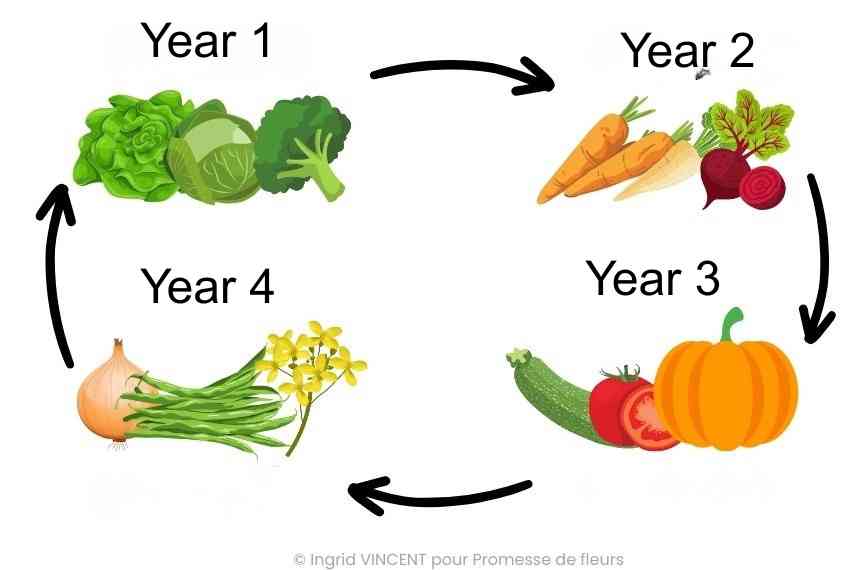
- First year: leafy vegetables (Brassicaceae and Asteraceae)
- Second year: root vegetables (Apiaceae and others)
- Examples: carrots, parsnips, beetroot, sweet potato.
- Third year: fruiting vegetables (Cucurbitaceae and Solanaceae)
- Examples: courgettes, pumpkins, tomatoes, aubergines.
- Fourth year: grain vegetables or bulb vegetables or green manures (Legumes and Amaryllidaceae)
Ingrid’s tip: this plan runs over four years, but nothing prevents you from applying it over three years, five years, or several years depending on the vegetables chosen.
Reorganising space in the vegetable garden
The implementation of your crop rotation plan requires thoughtful organisation of your vegetable garden space. Position your vegetables so as to respect not only the rotation but also to make the most of the benefits of companion planting, which brings together plants with beneficial interactions.
Example: If you plan to plant carrots this year in a particular plot (second year of rotation), consider pairing them with onions. Carrots can repel onion fly, while onions can repel carrot fly. By growing these two vegetables in the same area, you maximise space while naturally protecting your crops against these pests.
→ For more information, read our article: Companion planting in the vegetable garden.
Putting crop rotation into practice: what to do in autumn
Une fois votre planification en place, le véritable travail commence au jardin. Sortez bottes et bêche, on passe à l’action !
A. Soil preparation:
Soil health is paramount for a successful rotation. Before planting anything, make sure the soil is well prepared.
- A soil test can be useful to determine the pH as well as nutrient levels. This will help you determine whether amendments are necessary.
- Based on the test results, add compost, manure or other amendments to enrich the soil.
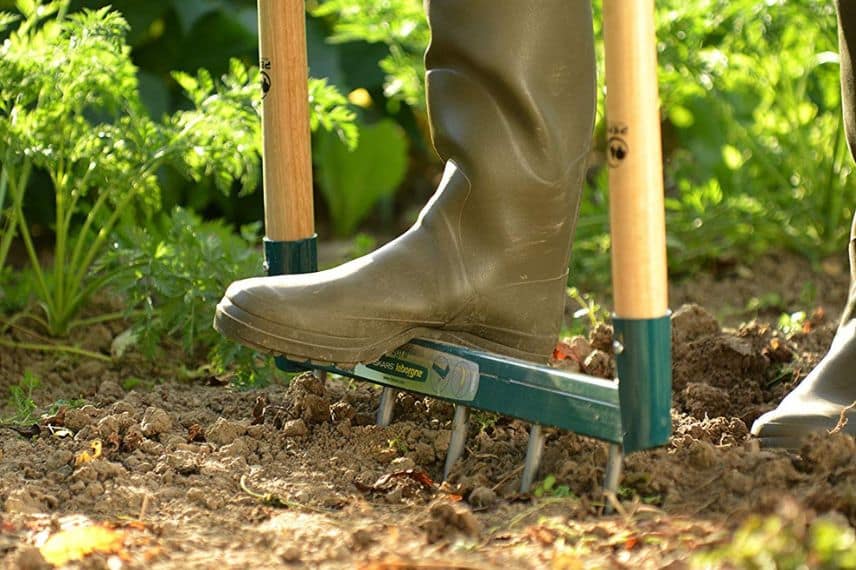
- Loosen the soil, avoiding over-tilling. Use tools such as the broadfork or the spading fork to aerate the soil without turning it over and disturbing it excessively.
B. Transplantation:
If you plan to move existing plants to respect your rotation, autumn is the ideal time. The milder temperatures and moist soil make moving plants easier.
- Water well beforehand: Water the plants well before transplanting to reduce stress.
- Handle roots carefully: Handle the roots with care to avoid damage. Make sure you take as much of the root system as possible when moving.
- Placement: Place transplanted plants at a depth similar to their previous location and water them well.
C. Selection of new plants:
When selecting new plants to introduce after the rotation, several criteria should be considered.
- Soil compatibility : Some plants prefer acidic soils, others alkaline. Ensure that your new plants are suited to the pH and the display of your soil.
- Light requirements : Take into account how much light each area of your vegetable garden receives. Some plants need full sun, while others tolerate shade.
- Disease resistance : If possible, choose varieties resistant to common diseases in your region.
Thoughts and adjustments for the years ahead
After implementing crop rotation over a full cycle, it is essential to take a step back, assess what worked and make the necessary adjustments.
- Keep a gardening journal: Note what you have planted and where, the problems you encountered, and the successes you achieved. This will provide you with valuable data for the coming years.
- Assess soil health: At the end of the season, it may be useful to carry out a new soil test to see how nutrient levels have evolved and whether any further amendments are needed.
- Adjust your rotation: If you have noticed that some plants did not perform well in a particular spot or if you have encountered recurring disease problems, consider adjusting your rotation plan for the coming year.
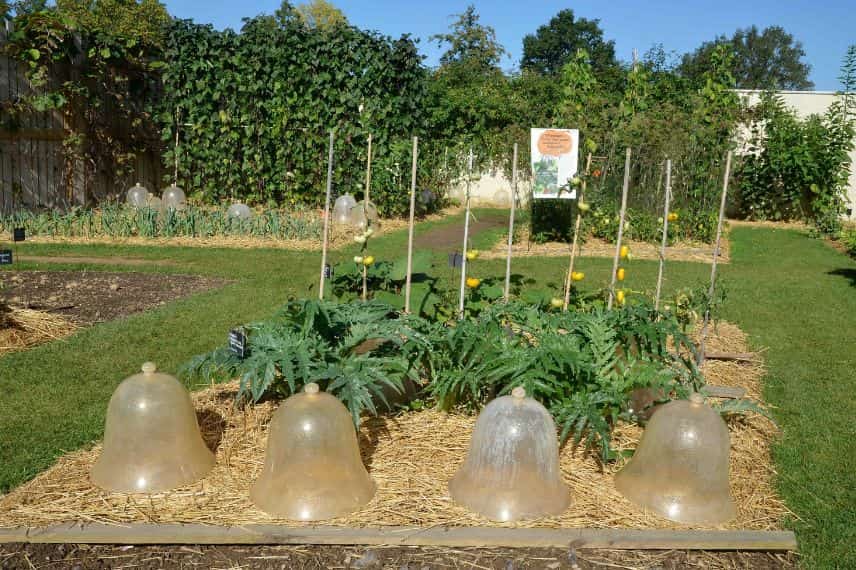
- Soil should never be left bare: If parts of your vegetable garden are not used over winter, sow green manures. These plants, such as mustard or phacelia, will help improve soil structure and fix certain nutrients. In spring, they can be dug in to enrich the soil. You can also mulch the soil to protect it from the cold, retain moisture and prevent erosion.
→ For more information, browse our article: “Green manures: everything you need to know!
- Subscribe!
- Contents
Comments