





























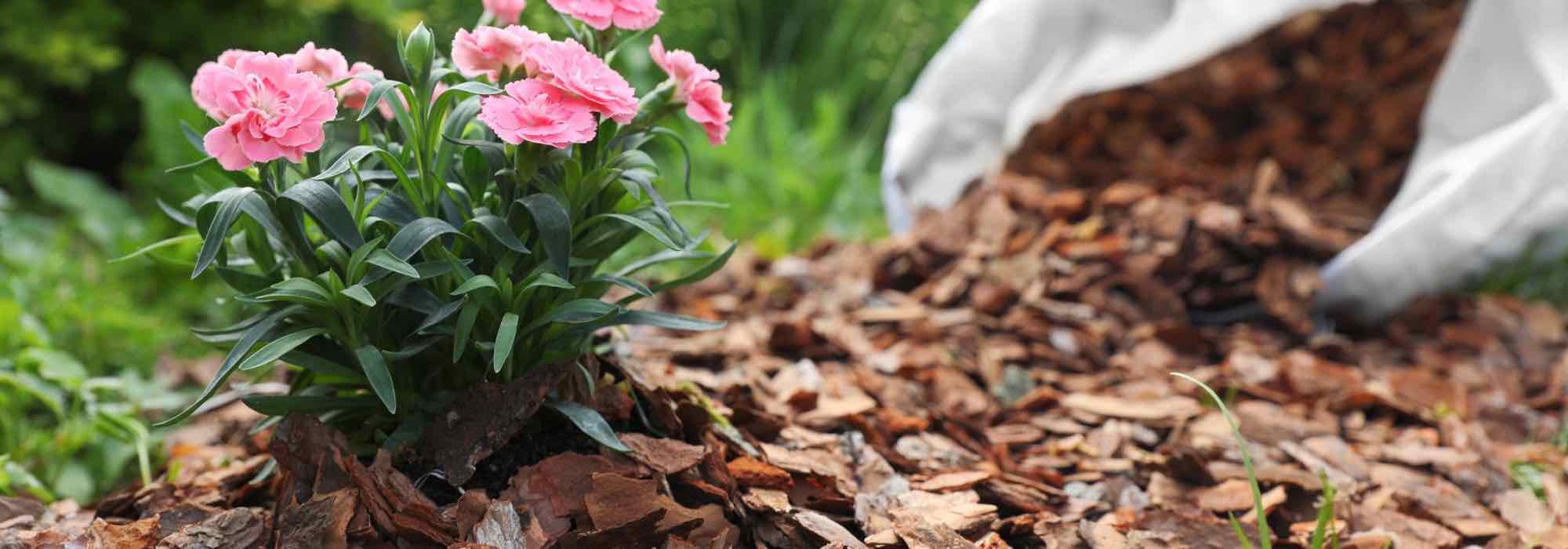
How to use wood chips as mulch?
Strengths, limitations and tips
Contents
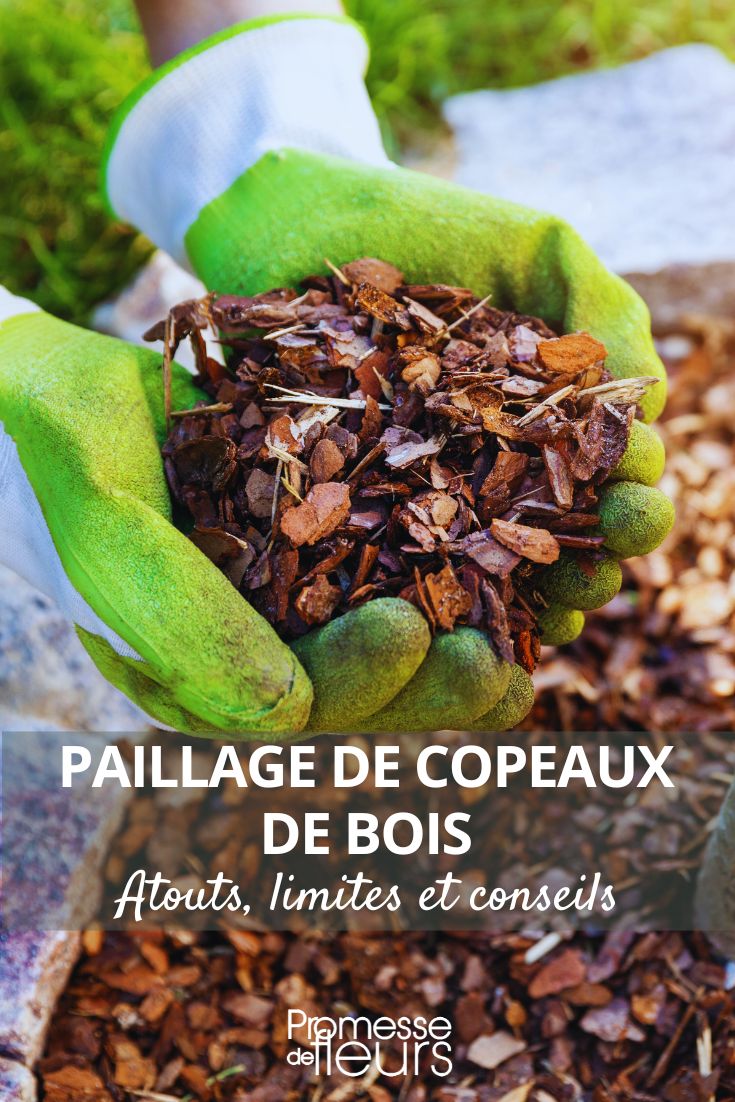
Mulching is an essential technique for any gardener concerned with the health and beauty of their garden. It involves covering the soil with a protective layer, usually organic, to improve its quality and promote plant growth. Among the different types of mulch available, wood chips are popular and versatile. Used in both flower borders and vegetable beds, they not only provide an effective solution for suppressing weeds and maintaining moisture, but also a natural aesthetic that is highly appreciated.
This article aims to explore in detail the benefits and drawbacks of wood chips, along with some tips for using them effectively in your garden.

Benefits of wood chips as mulch
Weed suppression
One of the main benefits of wood chip mulch is its effectiveness in limiting weed growth. By forming a dense layer on the soil surface, they block the light required for weed seed germination. As a result, they struggle to break through the surface and grow much more slowly.
This physical barrier not only reduces the effort needed for manual weeding, but it also reduces competition between cultivated plants and adventive weeds for water and nutrients available in the soil. Thus, cultivated plants benefit from improved growth.
Maintaining soil moisture
Wood chips are also excellent at retaining moisture in the soil. By covering the soil, they provide protection against evaporation caused by sun and wind. This helps maintain a steady moisture around the roots, which is particularly beneficial during dry periods or in summer.
Less water is therefore required for irrigation, which is a major advantage for gardeners looking to save water, while ensuring good hydration for their plants. This is also beneficial for plants sensitive to water stress, which can suffer from too frequent fluctuations between soil moisture and drought.
Protection against temperature fluctuations
In addition to retaining moisture, wood chips play a crucial role in regulating soil temperature. In summer, they protect the soil from excessive heat by blocking direct solar radiation, which keeps plant roots cooler and less prone to heat stress. This can promote healthy and steady growth, even during heatwaves.
In winter, the chips provide thermal insulation which limits drastic temperature fluctuations, especially during frosty periods. By protecting the soil from frequent freeze-thaw cycles, they safeguard plant roots, avoiding thermal shocks that can damage them.
Enrichment of soil organic matter
Wood chips are an organic mulch, which means that‘they gradually decompose over time. This decomposition process releases organic matter into the soil, enriching it with humus. Humus improves soil structure by increasing its ability to retain water and nutrients.
This improvement in soil structure also promotes better aeration, which allows plant roots to spread more easily and beneficial microorganisms to thrive. By nourishing the soil, wood chips contribute to the overall health of the garden in the long term, even though their immediate effect is not as visible.
Aesthetic appeal
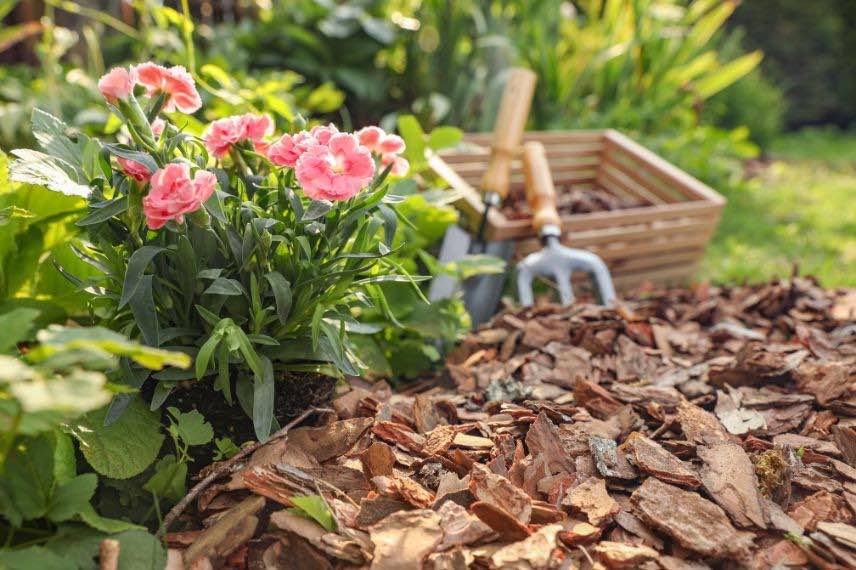
Finally, wood chips are often valued by gardeners for their aesthetic qualities. They give a neat and natural appearance to borders, paths and vegetable plots. Their brown colour blends harmoniously with the garden’s natural surroundings. There are also different types of chips varying in hue and texture, depending on the wood species used, offering gardeners a wide choice to personalise the appearance of their outdoor spaces.
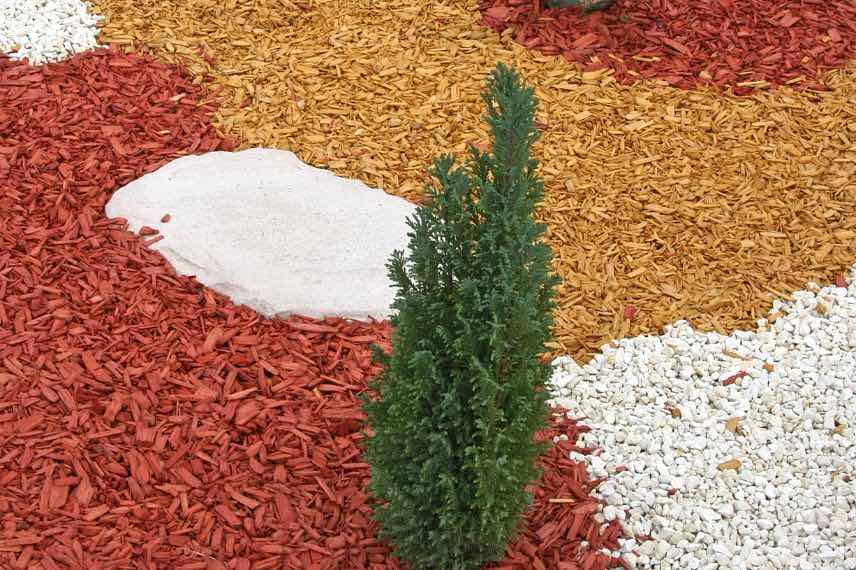
Two shades of wood chips
Read also
Mulching: Why? how?Some limitations
Wood chips, though effective, are not permanent. They degrade naturally over time, gradually losing their structure and their ability to perform their protective role. This decomposition depends on the thickness of the layer, climate conditions (heat and moisture accelerate decomposition) and the type of wood used. For example, pine or poplar chips decompose more quickly, while other wood types such as alder last longer.
Good-quality wood chips should be replaced only every 3 or 4 years if the initial layer is thick enough, i.e., 4 to 9 cm at the start depending on conditions and plants. An extra layer is added each year as maintenance.
Wood chips are the organic mulch with the longest lifespan without renewal, and therefore the slowest to enrich the soil.
Wood species: advantages and disadvantages
The choice of wood species used for chips has a direct impact on their durability and their behaviour in the soil. Mulches in Alder chips mulch are particularly interesting for durability, because this species is known for its resistance to rot, which reduces the need for frequent renewal and limits adverse effects linked to rapid decomposition.
However, some species may have drawbacks. For example, pine chips can slightly acidify the soil as they decompose, which may not be suitable for plants that prefer alkaline soils.
Temporary nitrogen depletion
One of the main drawbacks of wood chips lies in their effect on soil nitrogen at the time of decomposition. Indeed, when the chips begin to degrade, soil micro-organisms responsible for this decomposition use the available nitrogen to break down the carbonaceous organic matter of the chips. This leads to competition between these micro-organisms and the plants for nitrogen, which can trigger a phenomenon called ‘nitrogen deficiency’.
This temporary depletion of nitrogen can affect plants by slowing their growth, as nitrogen is an essential nutrient for their development, particularly for the growth of leaves and above-ground parts. Fortunately, this effect is reversible. Simply adding extra nitrogen, in the form of compost or nitrogen fertiliser, can compensate for this loss during the decomposition period.
Other limits and precautions to take
Excessive moisture retention
Wood chips help to maintain soil moisture, but in some cases they can retain too much, especially if the soil below is poorly drained. An excessive accumulation of moisture can create overly damp conditions around the roots, thereby promoting the development of fungal diseases, such as root rot.
To avoid this problem, do not apply wood chips to heavy or poorly drained soils. Good drainage is essential to ensure that the moisture retained by the wood chips is beneficial rather than detrimental to plants.
Plants sensitive to stagnant moisture are likely to suffer in these conditions. In addition, excessive moisture can slow soil warming in spring, delaying the growth of some crops that are cold-sensitive.
To avoid these problems, it is recommended to use wood chips on well-drained soils. Also ensure you do not compact the mulch layer too much, to allow good air circulation and adequate evaporation.
Source of the wood chips
Another factor to consider is the origin of the wood chips. If they come from treated wood or wood contaminated by chemical products, such as fungicidal treatments or pesticidal residues, they may introduce unwanted substances into the soil, which could harm plants or long-term soil health.
It is therefore strongly advised to buy chips from certified sources or to use wood chips from sustainably managed forests, or untreated trees.
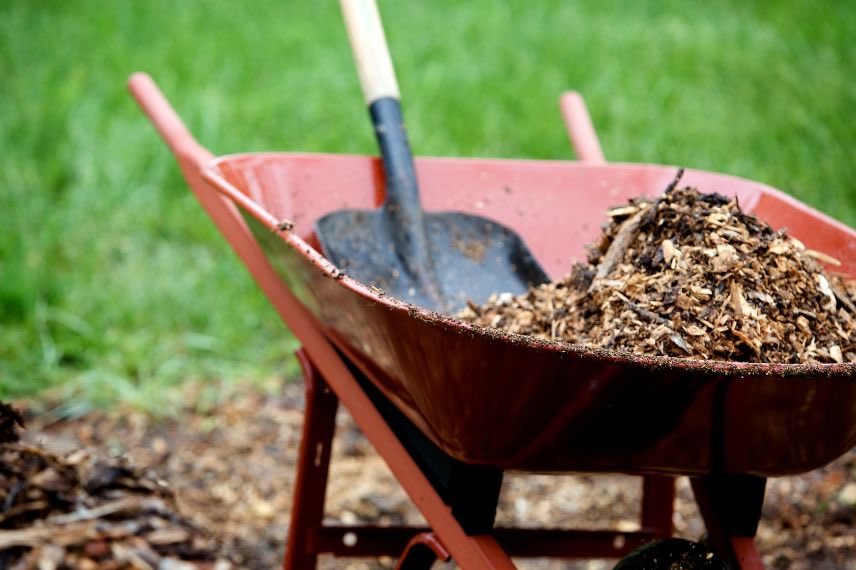
You can also produce your own chips by using branches and pruning residues from your own garden, thereby ensuring there are no chemical treatments.
- Subscribe!
- Contents
Comments