






























How to use greywater in the garden?
In periods of drought, the use of grey water in the garden is possible under certain conditions
Contents
Saying that water is a precious resource seems obvious today. With climate change becoming more pronounced year by year, with drought affecting certain regions as early as spring, and with heatwaves becoming recurrent, preserving this limited resource that is water is becoming obligatory. In recent years, in response to dry rivers and declining groundwater levels, local authorities have been increasing water restrictions.
Across the territory, for many gardeners, rainwater harvesting has become essential over the summers. This rainwater collected during autumn and winter allows for watering the vegetable garden during spring and summer when the precipitation deficit becomes alarming. Similarly, many gardeners are evolving their gardening practices solely to save water in the garden. It’s a simple way to conserve mains water, and in doing so, save money. At the same time, it provides these vegetable plants with perfect water, low in pH and free from lime.
Another resource could be used to address the water shortage: greywater from sinks, showers, bathtubs, as well as from washing machines and dishwashers. Can we really use this greywater in the garden or vegetable patch? And if so, with what precautions? All our tips and tricks for making the most of greywater from the kitchen and bathroom.

What exactly are grey waters?
Grey water refers to domestic wastewater, specifically the wash water that comes mainly from the kitchen and bathroom. In summary, it is the water from sinks and basins, used for washing vegetables and fruits, as well as hands and faces. This grey water also includes water from showers or baths, as well as that from washing machines and dishwashers. This water can potentially be laden with grease, debris, food scraps, and additional products such as detergents, as well as microplastic fibres, microscopic human skin cells, and hair.
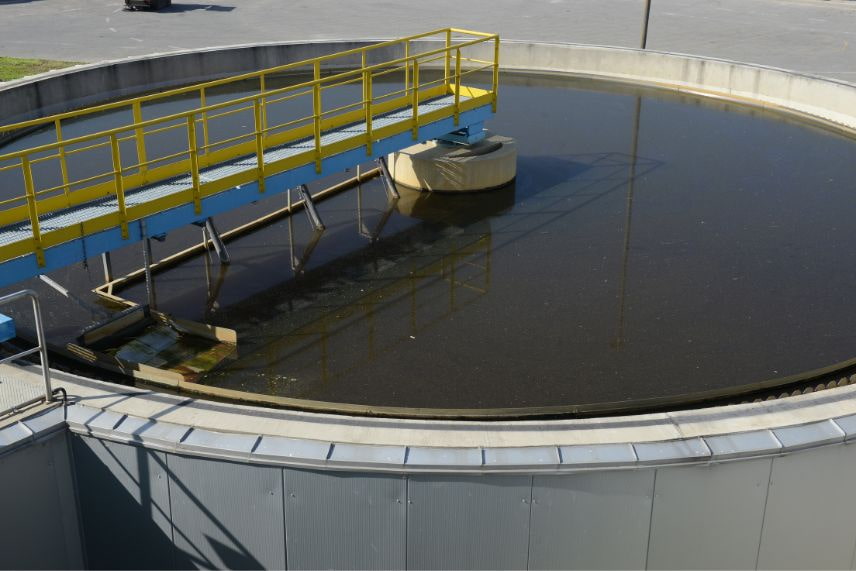 The majority of grey water is treated at wastewater treatment plants
This grey water is opposed to white water and black water. White water refers to potable water from precipitation, a spring, or a well, or from the mains, while black water comes from toilets and contains faecal matter.
Both grey and black water are treated at wastewater treatment plants or through a non-collective sanitation system such as phytodepuration before being released back into nature to rejoin rivers, streams, seas, and oceans.
Read also
Watering the vegetable garden: our tipsThe benefits of using greywater
It is difficult to accurately quantify the amount of grey water sent to the sewers each day, as it depends on individual usage and lifestyles. However, the figure of 150 litres per day per person seems reasonable. This means that the potential represented by this grey water is enormous, both for the environment and for the wallet:
-
- Preservation of water resources: in the current context of climate change, aquifers are quickly depleting due to recurring drought episodes. Meanwhile, water needs are increasing, for example, due to the rise in private swimming pools. Grey water could be considered a substitute resource for certain water needs.
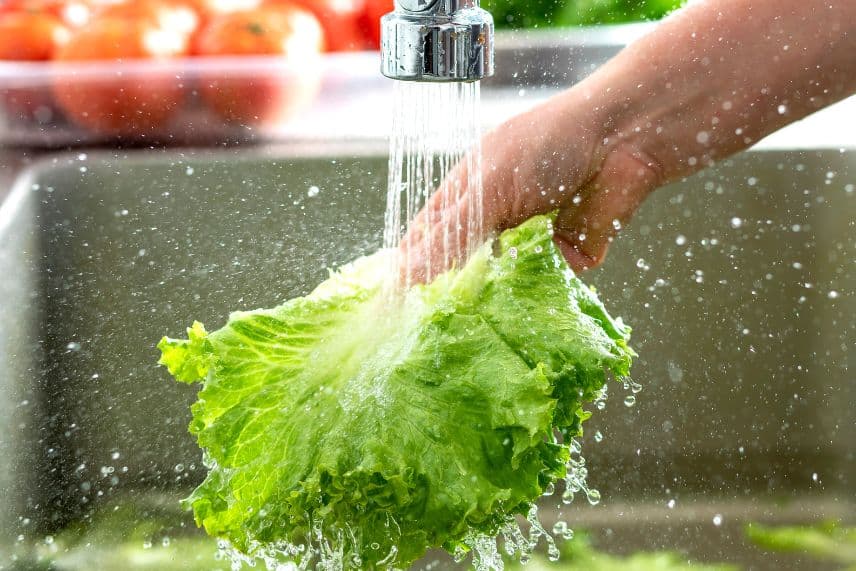 A simple gesture with significant consequences…
- Reduction of drinking water consumption: reusing grey water for certain needs (toilet flushing, washing vehicles and outdoor equipment, watering the garden…) would logically reduce the consumption of drinking water that is unnecessary in some cases, particularly in toilets.
- Decrease in greenhouse gases in the atmosphere: treating grey water in wastewater treatment plants consumes energy and therefore produces greenhouse gases. Reusing grey water helps promote sustainable development and environmental preservation.
- Significant savings in budget: collecting and using grey water would reduce consumption from the network and thus lead to considerable savings on the family budget.
What precautions should be taken to make the most of greywater?
Previously, we saw that grey water is the result of a household’s daily activities. However, this grey water can potentially pose a danger to humans and the environment due to the substances it contains, such as detergents, soaps, shower gels, and textile fibres…
To consider using this grey water in the garden or even in the home, it is essential to take some precautions beforehand. In particular, it is important to avoid cleaning and hygiene products that contain chemicals or toxins, such as bleach, products containing sodium (like those used in dishwashers), bath salts, bleaching agents, disinfectants, artificial dyes, and detergents containing boron, which can be toxic to plants at certain concentration levels. 
Thus, it is preferable to use natural and organic hygiene and cleaning products that are fully biodegradable and carry an ecological label ensuring they are free from chemicals.
Similarly, it is advisable to use this grey water within very short timeframes. Indeed, it can potentially harbour bacteria (such as Salmonella or E. coli) that can develop very quickly if the water is stored for more than 24 hours. This phenomenon remains rare, but the precautionary principle prevails.
Read also
Watering the garden: how to do it?How and where to use greywater in the garden?
Là encore, le principe de précaution prévaut. Et les préconisations de l’ANSES (Agence nationale de sécurité sanitaire de l’alimentation, de l’environnement et du travail) vont dans ce sens. L’Anses estime qu’une réutilisation des eaux grises dans l’habitat ne doit être envisagée que pour des usages strictement limités, dans des environnements géographiques affectés durablement et de façon répétée par des pénuries d’eau. À savoir l’alimentation de la chasse d’eau, le lavage des surfaces extérieures et l’arrosage des espaces verts (excluant potagers et usages agricoles).
Concrètement, it is entirely possible to use grey water for watering a large area such as the lawn, hedges, fruit trees, or flower beds. Thus, the microscopic materials or moderately biodegradable products contained in grey water will not be concentrated on small areas. Drip irrigation or manual watering is recommended for recycling grey water. However, avoid spray systems.
Conversely, it is not recommended to water leafy vegetables or root vegetables, especially if they are not cooked, with this raw grey water. Similarly, avoid using grey water to water fruits in contact with the soil, such as strawberries.
That said, one can find a balance between careless use and complete drainage. It is very simple and safe to collect the water that is usually used for washing vegetables and salad. Just wash your vegetables in a basin rather than in the sink.

Simply washing your vegetables in a basin rather than in the sink allows you to collect some grey water that is easy to use for watering.
Similarly, the water used for cooking vegetables, once cooled, can be used to water your beds, borders, or planters. Another gesture to recycle grey water is to place a bucket in the bathroom to collect the cold water from the shower before the hot water arrives.
Feel free to also discover our water retention solutions for your plants.
Methods for recycling grey water
Currently, grey water and black water often flow into the sewers. However, alternatives are beginning to emerge and can be implemented individually, in compliance with regulations. Especially since grey water is significantly less polluted and easier to treat than black water. Of course, even when recycled, this grey water can never be used for human consumption. However, it can certainly be used for irrigation.
The systematic collection and recycling of grey water relies on three key steps: separating the pipes to isolate those from toilets and those from other grey water sources (sink, basin, bathtub, shower…), filtering, and storing.
The separation of pipes requires a certain investment in an existing property, but it can be straightforward to implement during construction. Next, various filtering systems can be employed, either mechanical (sand or gravel filtration) or biological through plants or aerobic and anaerobic biofilters. The key is to filter this grey water to remove the particles and substances it contains. Additionally, it is essential to store this water under proper conditions to prevent the development of bacteria and unpleasant odours.
- Subscribe!
- Contents

Comments