





























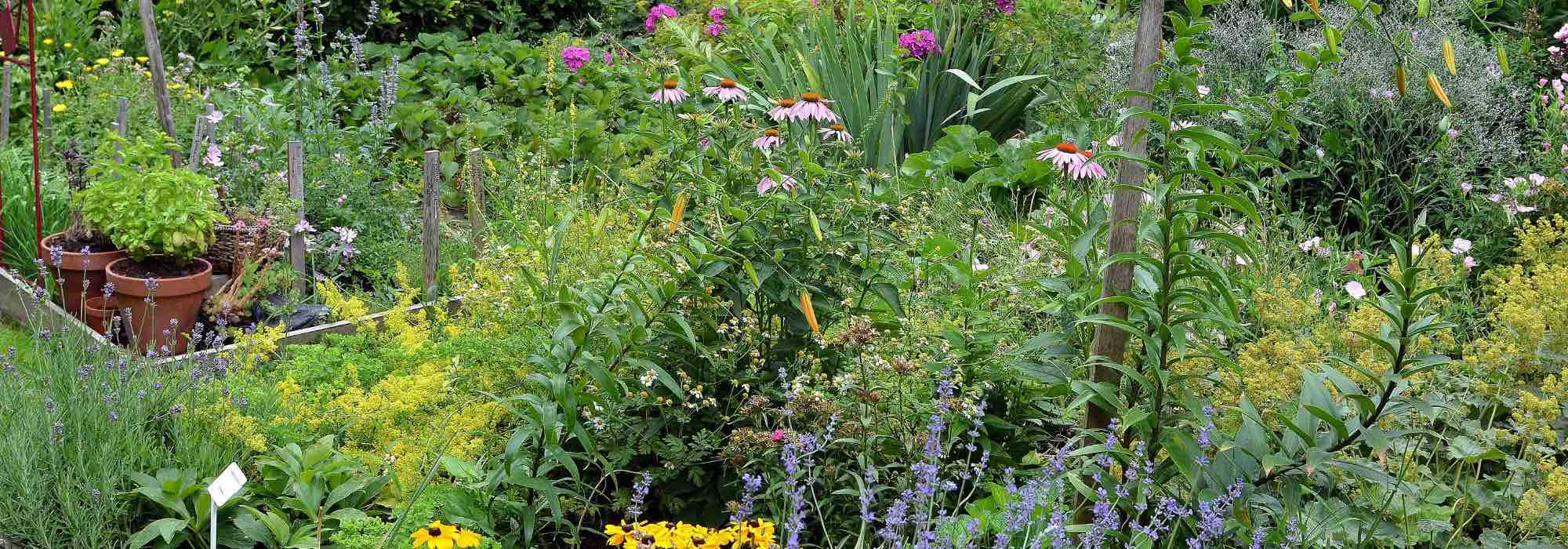
How to transform your garden into a permaculture system?
Our tips for creating a sustainable, eco-friendly, and productive environment
Contents
Permaculture is a gardening method that aims to recreate the natural balance between plants, animals, and soil. This approach is becoming increasingly popular among gardeners who wish to grow fruits and vegetables and, more generally, their garden in a healthy and environmentally friendly way. In this article, we will explain how to transform your garden into a permaculture system using the methods and practices that characterise this cultivation approach.

Observer
Observation is the starting point before transforming your garden into permaculture. This observation takes place over one or two years to identify key points, such as the sunny or shaded areas of the garden. It is also essential to know the prevailing winds, the nature of the soil, the flow of runoff water, to observe the plants already present (organic indicators), and the wildlife that may impact your garden and crops (insects, birds, rabbits, large game such as wild boar, etc.).
Caring for the design
Permaculture is a cultivation system that focuses on sustainability, resource conservation, and long-term food production. If you wish to transform your garden into a permaculture system, it is important to understand that it involves a holistic approach to planning, design, and management of your garden. It is not simply about replacing chemical fertilisers with compost or planting organic vegetables. On the contrary, it requires designing a coherent and functional ecological system, considering the interactions between plants, animals, and soil.
Firstly, as mentioned, assess your outdoor space to understand the characteristics of your garden, such as the condition and quality of the soil, sun exposure, topography, rainfall, etc. This will help you determine the plants and techniques that are best suited for your garden.
Next, you will need to design a plan, in other words, a comprehensive layout: you should create this plan using the principles of permaculture, such as diversity, regeneration, optimal use of space and resources, etc. This plan should include the key elements of your garden: a pond, a water point, a composting area, a shelter for hedgehogs… etc.
→ My advice: You can use online drawing tools like Google SketchUp to design a detailed plan… or take a sheet of paper and some pencils that you can erase!
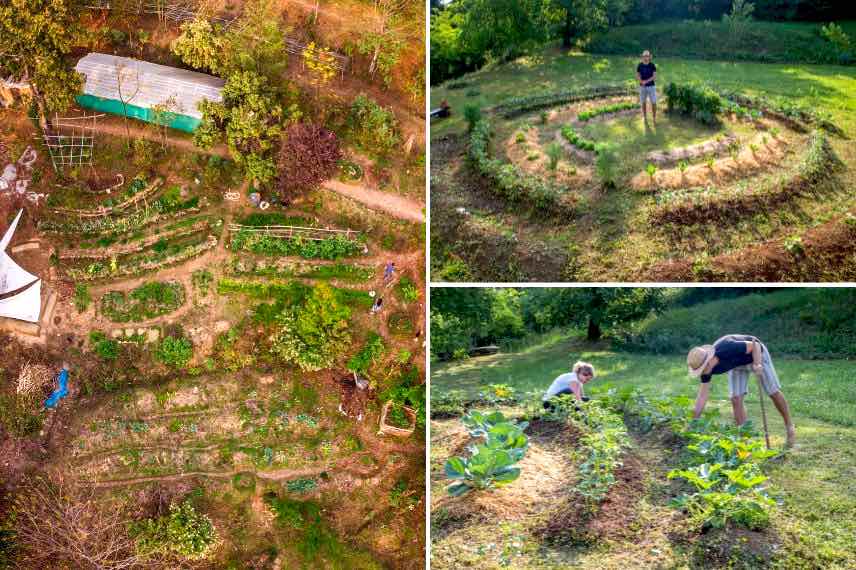
The design – in other words, the overall conception and organisation – is at the heart of permaculture principles.
Discover other Vegetable gardens
View all →
Available in 1 sizes

Available in 1 sizes
Available in 1 sizes
Available in 1 sizes

Available in 1 sizes

Available in 1 sizes
Available in 1 sizes

Available in 1 sizes
Available in 1 sizes

Install a variety of plants and use sustainable growing methods.
Plants are the key element of permaculture. You should plant a variety of plants including vegetables, fruit trees and bushes, perennials, heritage vegetables, herbs and medicinal plants, etc., for maximum diversity.
In permaculture, plants are also used for soil conservation, nitrogen fixation, and attracting pollinators. Avoid invasive species or F1 hybrids, which are not suitable for permaculture.
Next, to grow these young plants, permaculture involves using sustainable cultivation methods such as:
- planting hedges,
- creating an orchard,
- lasagne gardening,
- mound gardening,
- growing in a raised bed, etc.
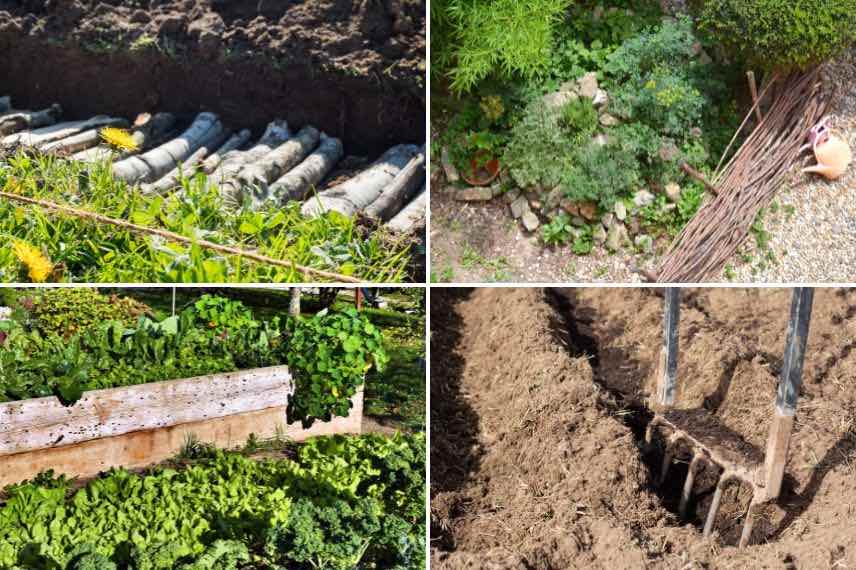
Cultivation methods practised in permaculture minimise soil disturbance, increase fertility, and allow for better water retention
Manage water effectively
In a permaculture garden, water management is essential. You can use methods such as rainwater harvesting, creating water retention areas, swales, drip irrigation, using oyas, and planting plants with high drought tolerance.
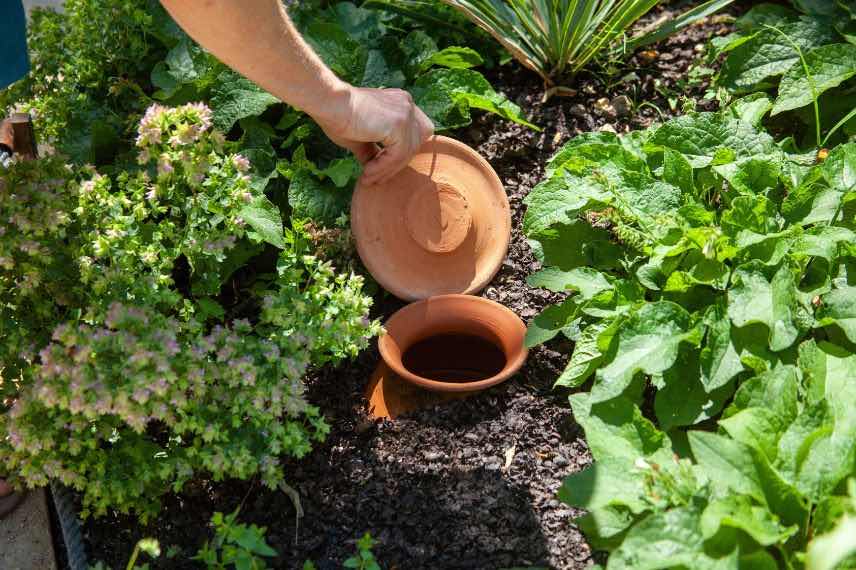
Oyas are one of the preferred watering solutions in permaculture
Enriching and respecting the soil
Compost is an essential element of permaculture: you should compost all garden and kitchen waste to produce quality compost that can be used to nourish soil and plants. You can also amend your soil with manure or green manures to provide the nutrients necessary for the growth of your plants.
Additionally, use ecological soil working methods, such as using a grelinette, which allow you to avoid turning the soil and preserve it.
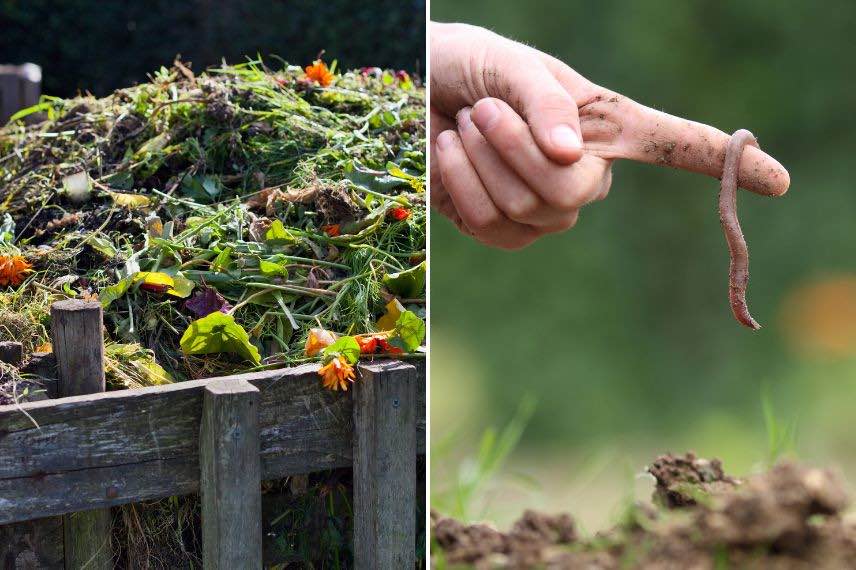
Compost enriches the soil year after year
Maintenance
Gardening in permaculture involves specific maintenance practices, such as mulching, watering with rainwater, biological pest control, and selective harvesting of adventive plants. Mulching helps retain soil moisture and reduce weeds, while natural allies, such as predatory insects or birds, help regulate pest populations.
Once the time for harvest arrives, to avoid wasting food, it is essential to harvest vegetables and fruits as they reach their ripeness.

- Subscribe!
- Contents
Comments