





























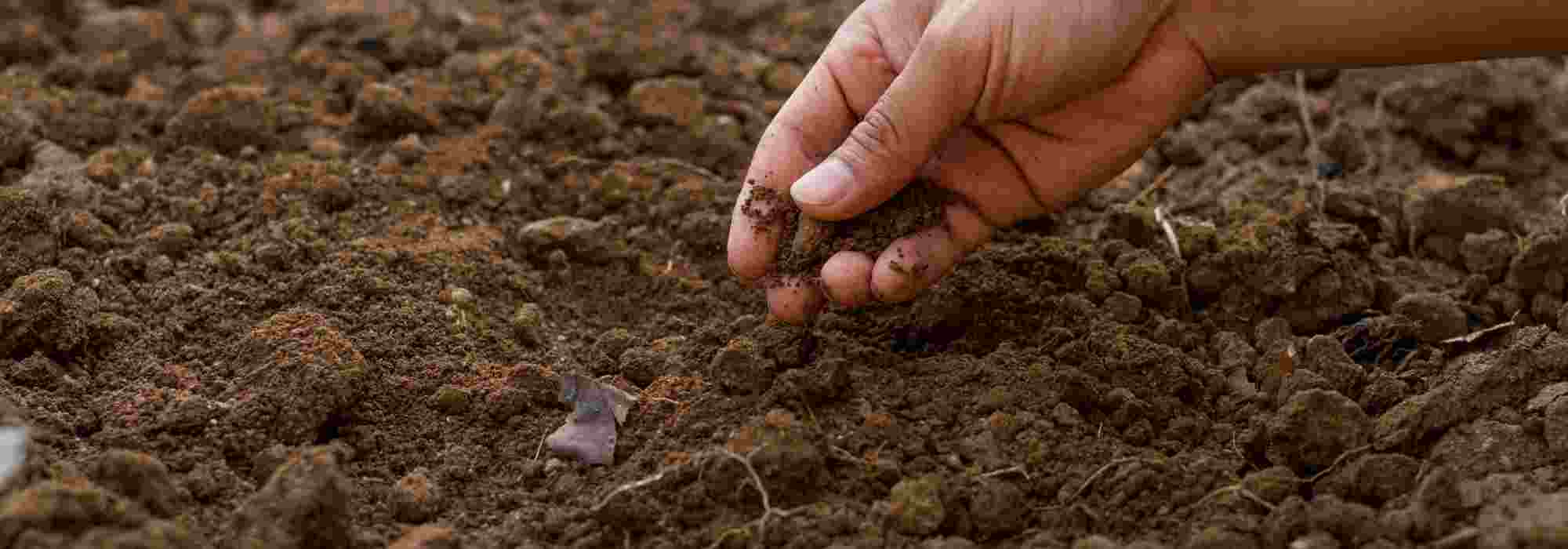
How to prepare soil to start your vegetable garden?
And achieve productive harvests
Contents
Have you always dreamt of growing your own vegetables and now finally have the space to do it? But at the moment, this patch of land isn’t exactly a vegetable garden bursting with fresh vegetables. Fallow or lawn, this small patch of land requires meticulous work (and a bit of effort) to become a space suitable for sowing and planting a few vegetables, herbs and small fruits. And the first step in soil preparation is essential to obtain aerated, rich and fertile soil, and perfectly healthy.
Discover the essential steps to prepare the soil for your future vegetable garden and give vegetable plants the best growth conditions.
Further reading: Starting your first vegetable garden – A guide for beginners

A moment's reflection before we begin
Growing a few vegetables or small fruits in a garden space is an achievable dream. But to prevent the dream from turning into a nightmare, it’s best to think things through a little before you start. Indeed, although maintaining a vegetable garden presents few difficulties in itself, it does require some care and a minimum of upkeep. So, before starting your first vegetable garden, it is prudent to weigh up the pros and cons to know exactly what you want.
In the first place, it is essential to choose the right location, ideally sunny and sheltered from prevailing winds. This future vegetable garden should also be near a water source (ideally a space to install a rainwater harvesting system). Set aside a spot to install your compost heap and arrange the surroundings so you can move around with a wheelbarrow.
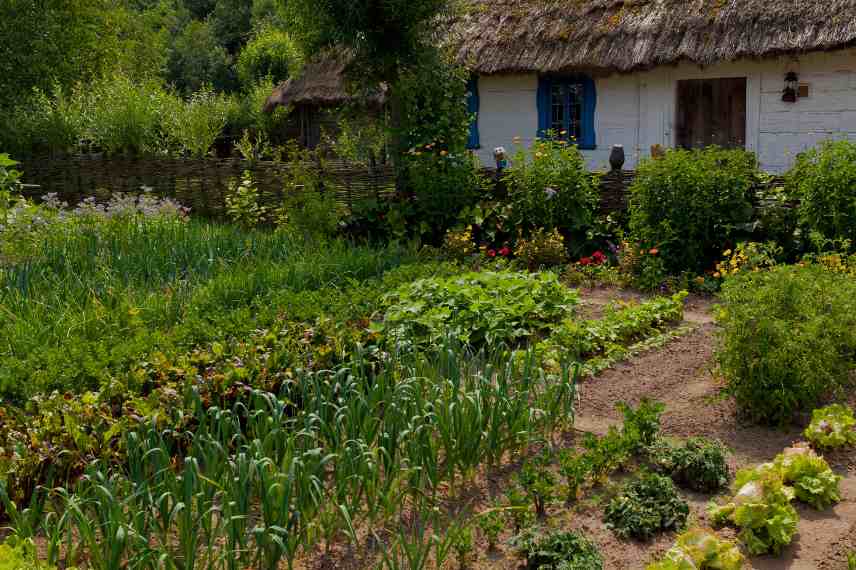 Before getting started, it is essential to consider the size of your vegetable garden.</caption]
Next, you need to consider the size of this vegetable garden in relation to your needs: do you simply want to grow a few vegetables for pleasure? Or do you want to feed your whole family? Whatever your needs, it’s best to start with a small area (50 to 100 m²), with the possibility of expanding it later.
Finally, you need to draw up a brief plan for your vegetable garden to plan your crops and optimise your space taking into account the crop associations and rotations.
But before dreaming of your lovely vegetables, perhaps it’s time to get to work!
When should you prepare the soil for your first vegetable garden?
Ideally, spring is the perfect season for starting your first vegetable garden. In regions with harsh winters, you often have to wait for the end of late spring frosts, that is, May. Elsewhere, in regions with milder climates, the first plantings can be carried out as early as April. As for sowing, you can start in March.
However, before sowing or planting, you must prepare the soil. It is an essential, fundamental step. For the success of your crops depends on this proper soil preparation.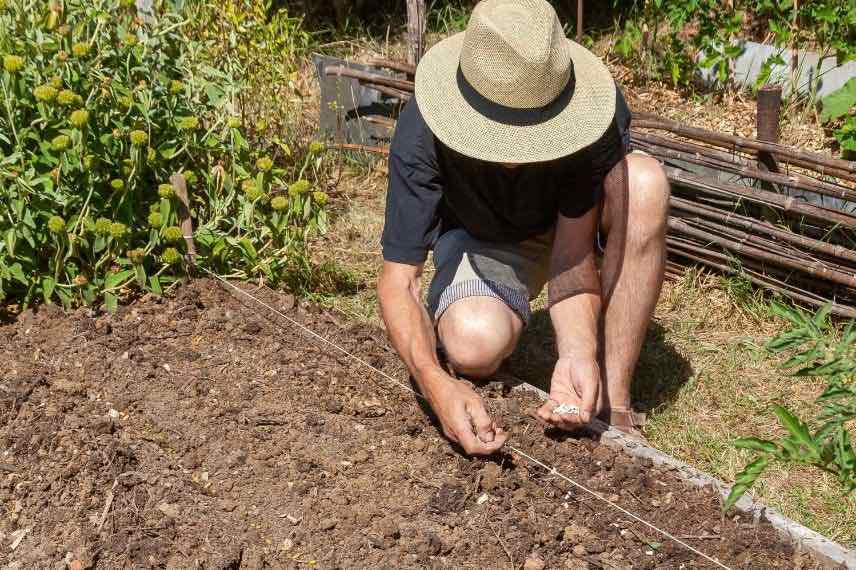
Whichever method you choose to weed the soil, you will need to plan ahead to a greater or lesser extent. Thus, you can start preparing the soil for your future vegetable garden as early as autumn. It’s even an excellent solution, provided you do not leave the soil bare over the winter. Otherwise, you can begin soil preparation from the end of winter, when the soil has warmed sufficiently. To make the work easier, wait for a day with a bit of rain. The following day, it will be time to fetch your tools; the soil will, in fact, be a little less dry, and therefore easier to work.
Key steps in soil preparation
First of all, it may be prudent to take a few minutes to analyse and understand your soil in terms of texture and acidity. Because you do not cultivate sandy soil and clay soil in the same way, acidic soil and calcareous soil. To do this, a few simple tests can be carried out, which our editors explain to you in these two articles: Acid soil, neutral soil or calcareous soil: how to tell? and Determining the texture of your soil: clayey, sandy, silty.
Now for the serious stuff! Time to sharpen up and do a few warm-up exercises.
Weed the soil
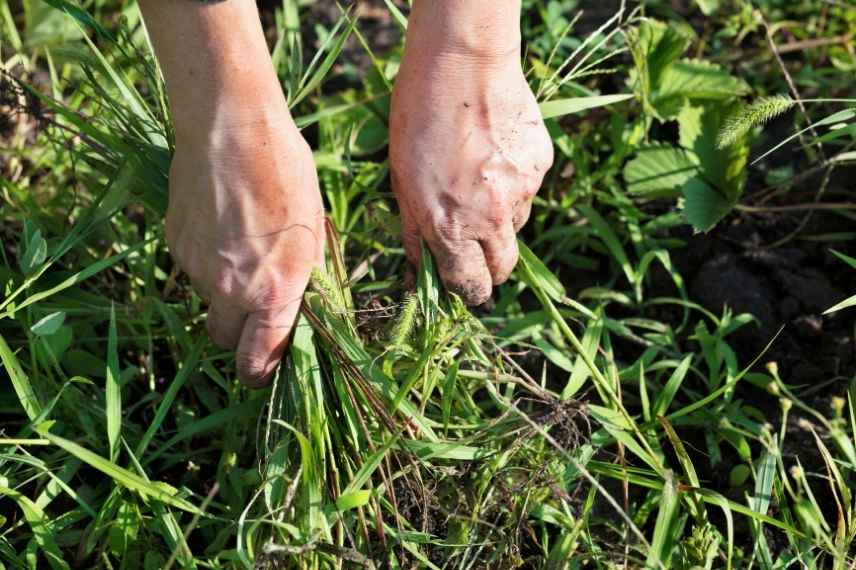
Whether you’ve decided to create your first vegetable plot on a fallow patch or on a lawn, you will need to remove the grass and clear out the adventive weeds that have sprung up spontaneously. In this respect, several techniques are feasible. Of course, you should rule out herbicides that would merely pollute the soil:
- The release of chickens who will happily peck at the slightest blade of grass, scratch the soil in search of insects, larvae and worms, and fertilise the soil. In a few weeks, your chickens should have got rid of a large portion of these adventive weeds.
- The method of occultation is to be implemented in early autumn. This technique involves depriving your future vegetable plot of light. Consequently, the adventive weeds will die back on their own, as photosynthesis will not occur. To cover the soil, you can use ink‑free cardboard, an opaque sheet, or, better still if you have them, a thick layer of lawn clippings, straw, dead leaves, pruning remnants… Expect at least six months for the weeding to be effective. However, the most persistent adventives, such as bindweed or couch grass, resist.
- Manual weeding with the hoe which will allow you to remove the grass by scraping it off. Admittedly, this method requires effort, but it is certainly the most effective. Indeed, the root system will be removed to a depth of at least 10 cm.
If you have a large area, you can always use a rotavator or tiller to turn the soil. But these motorised machines completely disrupt the soil structure, kill the microfauna essential for soil health, and especially chop the roots of bindweed and couch grass which will spread all the more.
Aerate and loosen
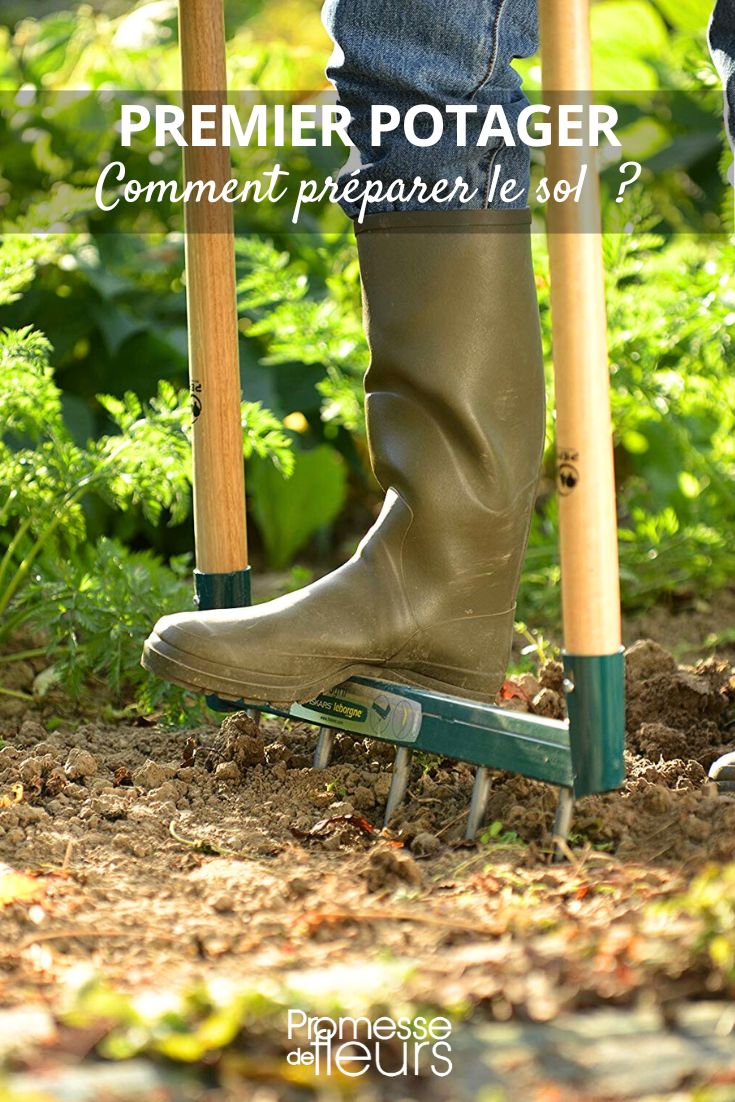
Once your soil is free of weeds, you will need to work it at least a little. Particularly if it has been compacted from foot traffic. Again, two methods are possible: traditional digging with a spade or a spading fork, or simple decompacting with a broadfork or grelinette®. This latter method has the advantage of not disturbing the different layers of soil and the microorganisms that inhabit it.
Once the soil is decompacted and well aerated, a simple poke with a fork helps break up the smallest clumps. You can also rake to remove the last stones or weed debris.
This is the longest and most tiring stage, but the work will certainly be rewarded in the best possible way.
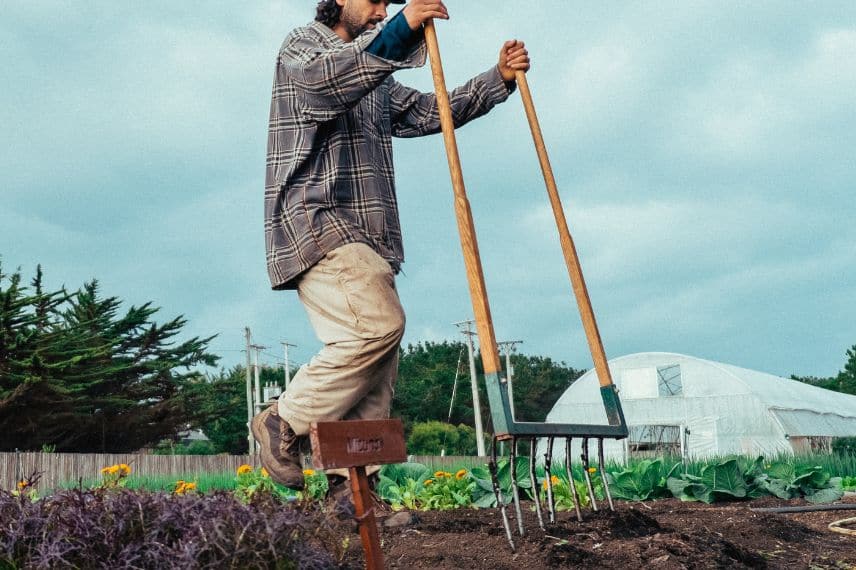
A large broadfork for a large vegetable garden
Enrich and improve the soil
The next step is to fertilise this soil, which may be a little poor for vegetable crops. The best method is to make amendments, such as compost (at a depth of 5 to 10 cm), leaf mould, or alternatively fresh manure (in autumn) or pelleted manure. This amendment is worked in with a croc, then with a rake.
Your plot is now ready to welcome the first sowings and plug plants of vegetables. If your preparation was done in autumn, to avoid leaving the soil bare, cover it with a good layer of straw or dead leaves that will decompose over the winter.
- Subscribe!
- Contents
Comments