





























How to grow mizuna successfully?
Our tips for growing this Japanese lettuce with exceptional flavour
Contents
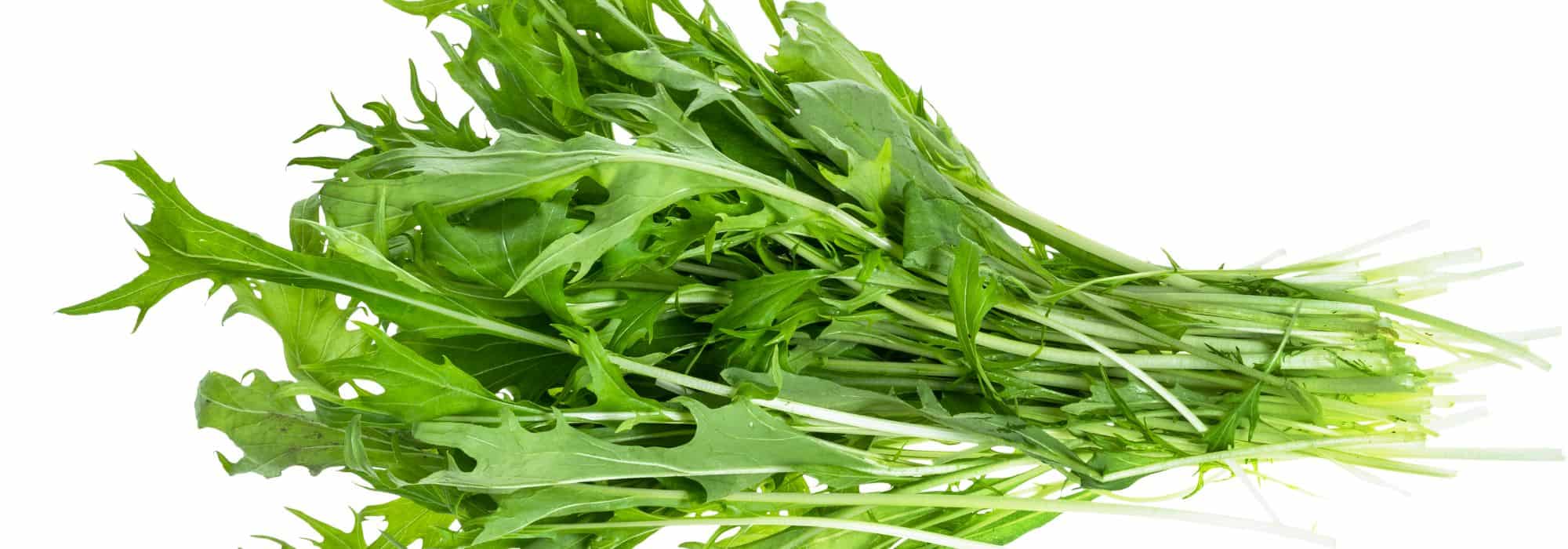
Its deeply cut leaves resemble those of rocket, and their slightly peppery flavour too… At first glance, this vegetable plant looks like lettuce, but it isn’t one! Indeed, mizuna (Brassica rapa var. nipposinica) is a salad cabbage. But its leaves can be eaten raw, like a salad, or cooked in a wok. As its name suggests, this salad cabbage is of Japanese origin. It is also known as Japanese mustard. In that country, this leafy vegetable is widely grown; in Europe and in France it is less well known. But in recent years, this leaf vegetable has nonetheless entered the kitchens of a few top chefs. So why not make its entry into your vegetable garden?
For, in the garden as on the plate, mizuna has many advantages: easy to grow, hardy to -10°C, low in calories, nutritionally excellent…
Discover all our tips and tricks for growing mizuna.

What exactly is mizuna?
If you like Asian cuisine, you’ll surely be familiar with mizuna (Brassica rapa var. nipposinica). This vegetable plant in the Brassicaceae family is therefore a cousin of cabbage, mustard and turnip… On Asian supermarket shelves, mizuna is sometimes sold under the names “salad cabbage” or “Japanese mustard”. Mizuna is therefore a cabbage whose leaves can be eaten raw, like salad leaves, or cooked like spinach leaves, traditionally stir-fried. They harbour a subtle peppery flavour, similar to rocket but milder. 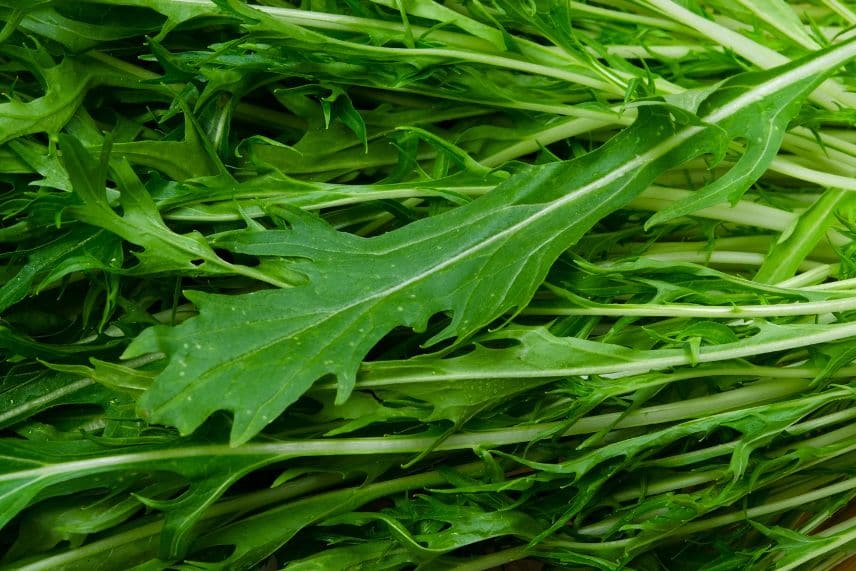
In Japan, mizuna belongs to the ‘Kyo-Yassai’ category, vegetables privileged to be grown within the Imperial City near Kyoto, a recognition of the exceptional flavour of this vegetable plant that was found on the emperors’ table until the first half of the 19th century. Today, mizuna can easily be found on your table. Not to mention it boasts undeniable nutritional virtues. Mizuna is indeed rich in antioxidants, vitamins A, C and K, fibre and folic acid.
Mizuna could be mistaken for rocket, with rosettes of laciniate leaves, strongly pinnate and deeply incised, carried on long white petioles. Leaves display a pale green colour, but some varieties offer purple foliage. They reach 15–25 cm in height and width.
Read also
Mizuna: sowing, growingSowing mizuna: when, where and how?
Very easy to grow, mizuna can be cultivated almost anywhere in the country, from the warmest southern regions to regions with a less forgiving climate. Indeed, mizuna is frost-tolerant down to -12 °C. By contrast, it is more sensitive to heat and tends to bolt easily.
It fits easily into any vegetable plot, but can also be grown in a pot on a balcony, a terrace, or even on a windowsill. It can even grow indoors.
When to sow?
Because of its sensitivity to summer heat, mizuna is sown at two times of the year: in April for a harvest at the very start of summer before the peak heat, or in September for a more wintry harvest. Autumn sowing can continue until December.
As mizuna seeds germinate very quickly, it is recommended to stagger sowings every two to three weeks to ensure a continuous harvest in the vegetable plot.
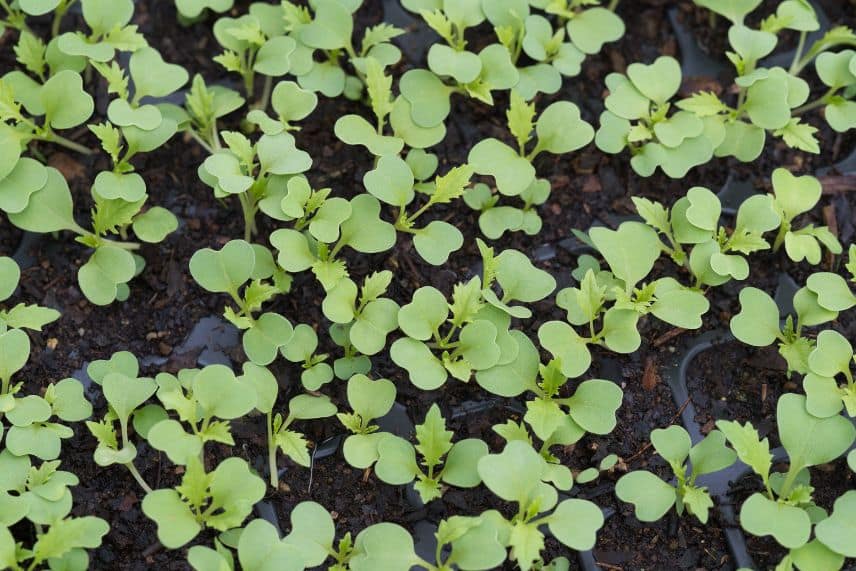
Mizuna sowing
Where to sow it?
Mizuna prefers deep, well-drained soil that is fairly cool. Ordinary garden soil suits it perfectly, provided it has been enriched with compost. It does fine in full sun or partial shade (partial shade is recommended for spring sowing)
Spring sowing should be done in open ground. However, in regions with cold winters, it is advisable to sow mizuna seeds under a cloche or tunnel to protect them from overly harsh cold. Mizuna germinates at around 14 °C.
How to sow it?
- Till the soil finely and deeply to loosen it
- Add compost
- Make furrows 2 cm deep, spaced 20–25 cm apart
- Sow mizuna seeds with a seed drill
- Cover with a fine layer of soil
- Lightly firm the soil and water with a fine spray
Mizuna seeds germinate in about 2 to 3 weeks. It is time to thin out every 20 cm, keeping the best seedlings. The others can be replanted.
For container growing, sow mizuna in a seed compost that must be moist but not waterlogged.
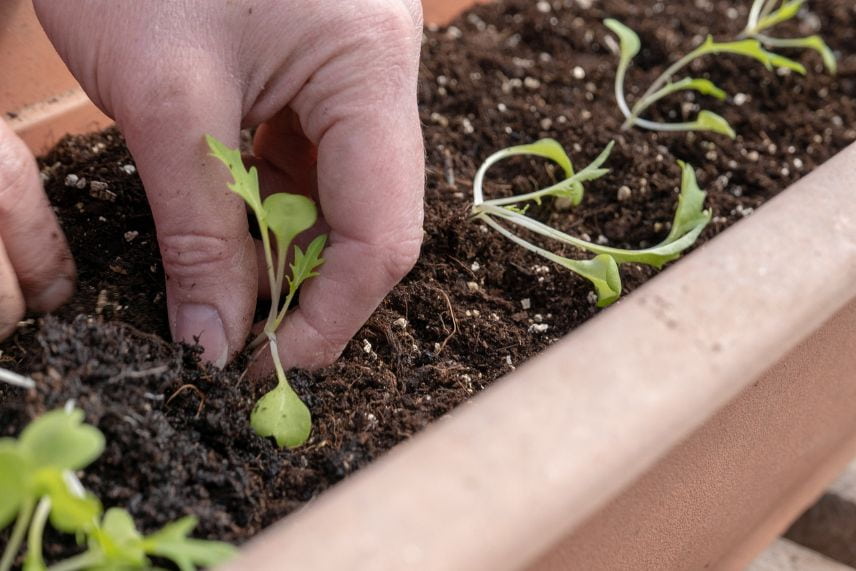
The thinned mizuna seedlings can be transplanted into open ground or into a pot
Caring for Mizuna
Not a lot to do to properly maintain mizuna. To counter its fairly rapid bolting in very hot weather in summer, you need to water well to keep the soil moist. A good mulch helps retain a reasonable level of moisture. August and September sowings will also need watering if the end of the season is warm. Later, watering will be spaced out.
Although frost-hardy, mizuna should be protected with a frost protection veil in winter. 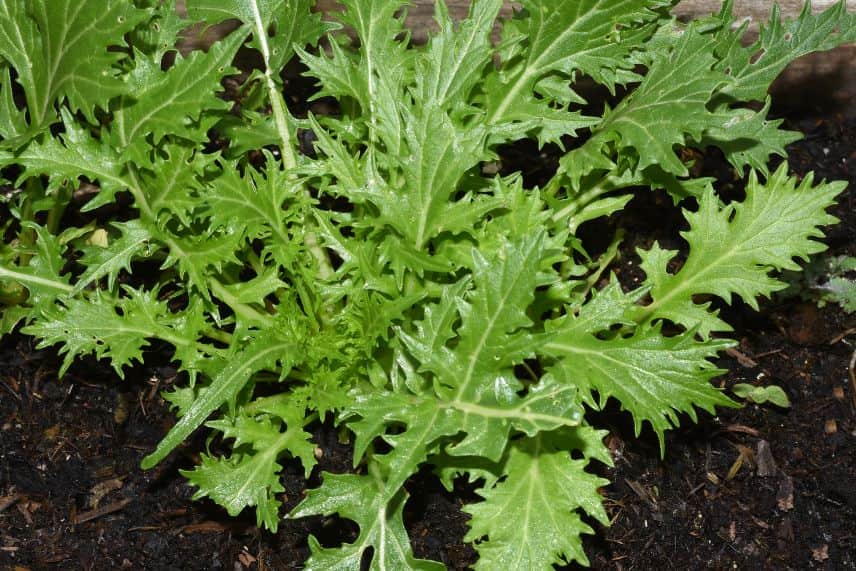
You will also need to watch out for slugs and snails, which greatly enjoy the young mizuna shoots. Find our 7 ways to fight slugs effectively and naturally.
Read also
Growing wasabiWhen and how to harvest and consume mizuna?
Four to six weeks after sowing, mizuna leaves can be harvested as needed. Simply cut the leaves at the base of the rosette with a knife. Leaves about 15 cm long are ideal, as they are still young and tender. The act of cutting the leaves at the base encourages the growth of new, more tender leaves.

Mizuna cultivation on a large scale
Mizuna should be consumed fairly quickly as the leaves wilt quickly. One to two days in the fridge is enough.
Leaves are eaten raw in a mesclun-style green salad, with rocket leaves and young spinach shoots. Leaves can be sautéed in a wok or steamed. Then, they can be used to accompany meat or fish, or with Chinese noodles. Leaves can also be made into pesto, or soup.
Which mizuna variety should I choose?
In the French market, two common varieties of mizuna are readily available:
- The mizuna type with light-green leaf rosettes
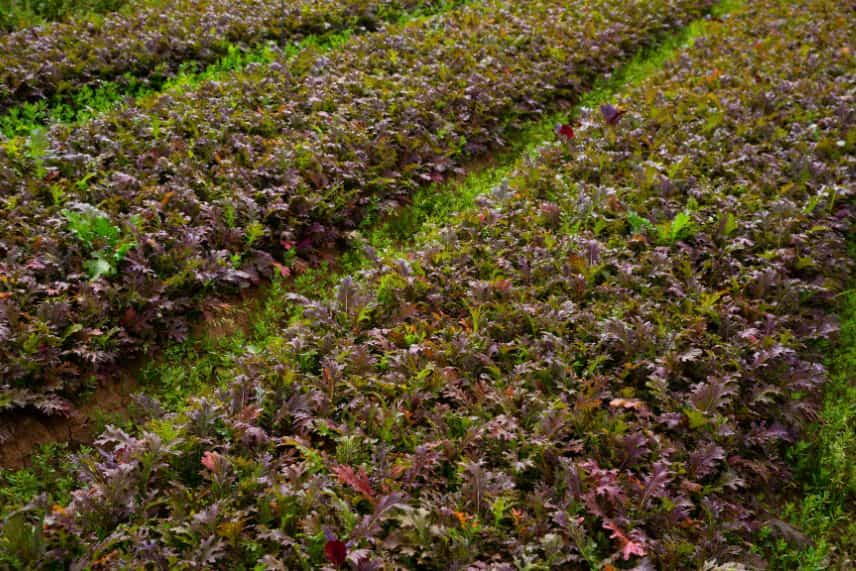
- The ‘Purple’ mizuna with leaves that are slightly purplish and green midribs
- Subscribe!
- Contents

Comments