

























How to grow hemp?
The come back of a plant with multiple uses
Contents
Growing hemp in the garden is an idea that is attracting more and more gardeners. This versatile plant, long-underestimated, has numerous ecological benefits and can be used in various applications, ranging from textile manufacture to food, as well as medicinal uses. In this gardening guide, we will walk you through the key steps of hemp cultivation, from seed selection to harvest, including care and maintenance. You will also discover the legal aspects to consider, as hemp cultivation is subject to certain regulations. Whether you want to grow hemp for its fibres, seeds or therapeutic properties, this guide will provide you with all the sound advice to succeed. So, ready to discover the secrets of hemp cultivation? Follow the guide!
What is hemp?
Hemp, whether agricultural, textile or industrial, is a subspecies of Cannabis sativa: Cannabis sativa subsp. sativa. This subspecies has been selected over the years for the size of its stem and its low content of tetrahydrocannabinol, or THC, the psychoactive substance contained in the type species Cannabis sativa.
The plant belongs to the Cannabaceae family, as does a well-known plant in these parts, hops (Humulus lupulus).
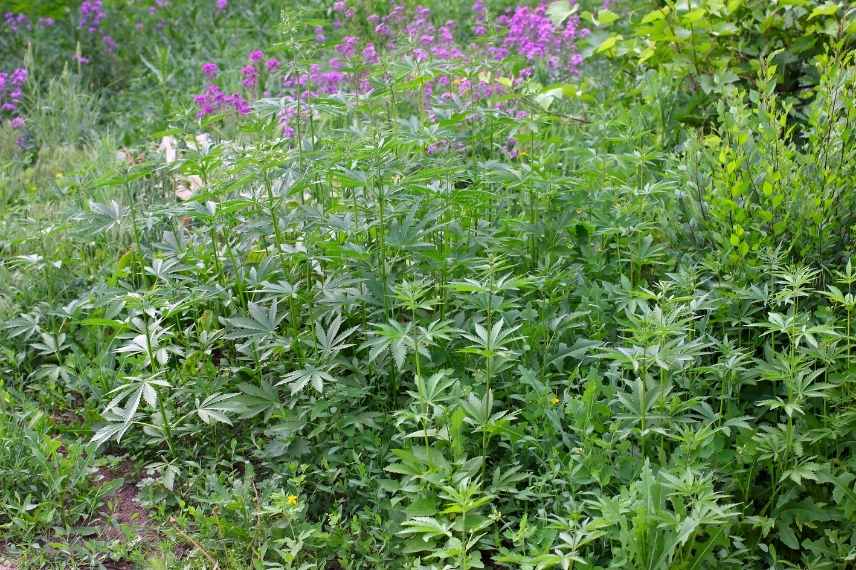
Cannabis sativa is an annual plant, originally from the foothills of the Himalayas and which can reach in a few months a height of several metres, sometimes up to more than six metres. The leaflets of its leaves are slender. The channelled stem is flexible and hollow.
Hemp has been cultivated since the Neolithic in Asia (used since the Middle Ages in these parts), but has been somewhat forgotten in recent decades in favour of other textile fibres, and especially because of regulations on the use of psychoactive substances.
However, cultivation of hemp is experiencing renewed interest due to environmental awareness and the new, more productive hybridisations containing very little THC. European countries are therefore attempting to promote hemp cultivation again, as the plant possesses multiple advantages.
N.B.: By metonymy, the term “chanvre” also refers to the textile fibre derived from the plant.
Why is hemp cultivated?
Hemp cultivation offers numerous ecological, economic and practical advantages that make it an attractive option for farmers, but also for gardeners. Here are some reasons why hemp cultivation can be beneficial:
- Sustainability: Hemp is a low-impact crop. It requires few pesticides or chemical fertilisers, and it is also effective for crop rotation, helping to improve soil quality.
- Profitability: Hemp has a high yield and can be very profitable, especially if you can exploit multiple uses, such as fibres and seeds.
- CO2 absorption: Hemp absorbs a large amount of CO2 during its growth, helping to mitigate the effects of climate change.
- Hardiness: Hemp is a robust plant that can withstand varying climatic conditions, making it a viable option for farmers in diverse regions. It also has low soil and water requirements.
- Medicinal properties: Hemp is also cultivated for its medicinal properties, notably in the production of CBD, which is used to treat a range of conditions, including anxiety and chronic pain.
- Nutrition: Hemp seeds are rich in protein, essential fatty acids and other nutrients, making them a nutritious superfood.
In the garden or for DIY, hemp cords are commonly used. It is also used to make hemp mulch rolls, slabs or mulch pellets.
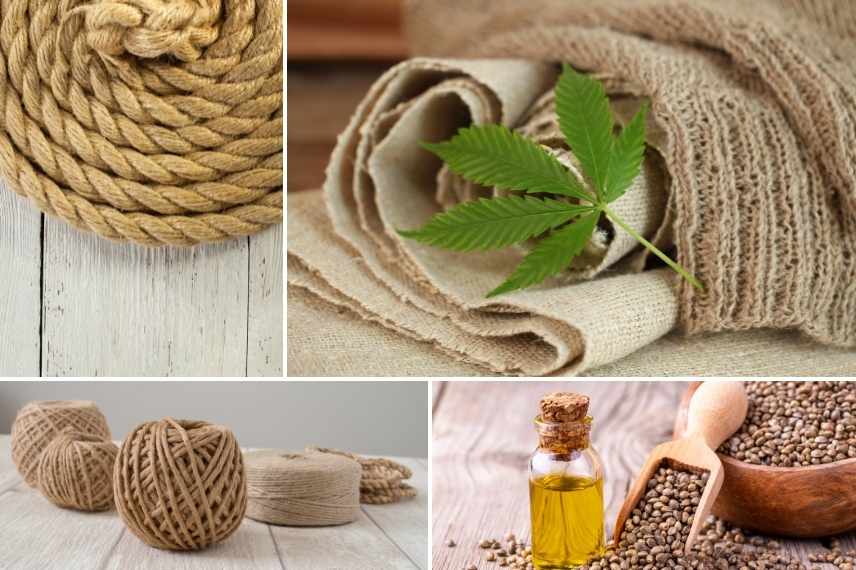
Among the possible uses of hemp: cords, fabrics and food
Update on legislation
In France as in Belgium, hemp cultivation legislation is fairly strict and differs depending on whether you are a farmer or a private individual.
In France, farmers must comply with European regulations and may cultivate only hemp varieties listed in the European Catalogue of Species and Varieties. These varieties must contain less than 0.2% THC, the psychoactive substance in cannabis.
For individuals in France, growing hemp for personal use is not explicitly regulated, but the THC level must be strictly below 0.2%.
However, the legislation is complex and may be subject to different interpretations, so it is advisable to check with local authorities.
In Belgium, the situation is fairly similar. Farmers must comply with strict rules regarding cultivated varieties and the THC level. A licence may be required for hemp cultivation for industrial purposes. As for individuals, although hemp cultivation for personal use is not explicitly prohibited, it remains heavily regulated, particularly regarding the permitted THC level, which must be below 0.2%.
In both countries, it is important to note that growing hemp for recreational purposes is illegal and may incur severe penalties. It is therefore essential to check the current legislation in your country and region before starting hemp cultivation.
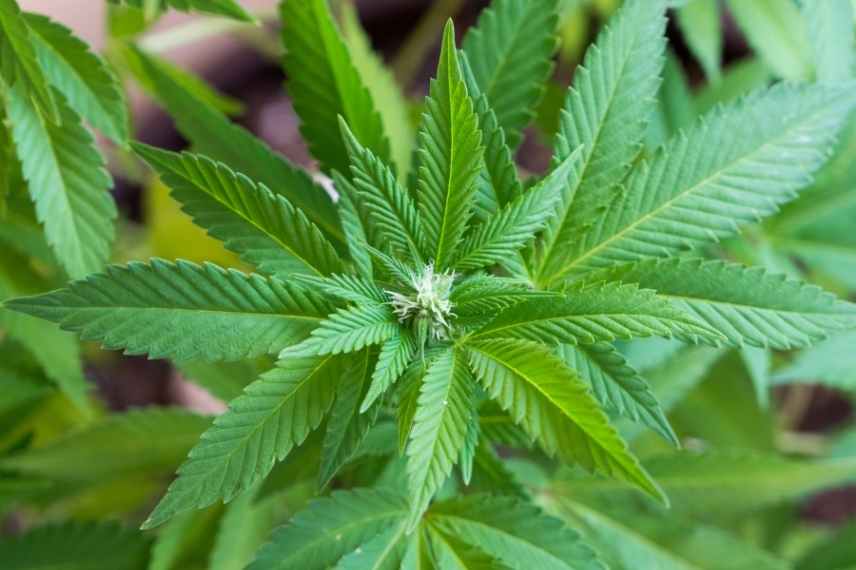
Leaves of Cannabis sativa
Read also
Flax, Linum: planting, sowing and careGrowing hemp in the garden
Sowing
To succeed with your hemp sowing, seed choice is a crucial step. Opt for seeds of varieties listed in the European Catalogue of Species and Varieties, which comply with legal limits for THC content, generally below 0.2%. Make sure to buy your seeds from reputable suppliers or specialist nurseries to guarantee quality. The choice of the right variety also depends on your aims, whether you are aiming to harvest fibre, seed or CBD. Additionally, each hemp variety has its own requirements in terms of soil, climate and care, so make sure to choose the one that best suits your environment.
Once you have the seeds, prepare a rich, well-drained soil in which to sow. Hemp being a hardy plant, it can adapt to different soil types, but prefers slightly acidic to neutral soils. For sowing, the ideal period is in spring, when soil temperatures stabilise around 10°C. Plant the seeds at a depth of about 1 to 2 cm and keep the soil slightly moist until germination.
Good sun exposure will promote vigorous growth. Indoor sowing is also possible, but ensure you transplant the young plants outdoors once they have developed a robust root system.
Care
Pruning is an important step in the care of hemp plants. It helps promote sturdier growth and better air circulation between the plants, thereby reducing the risks of fungal diseases. Remove the leaves and the lower branches of the plant to help prevent mould and insect infestations.
Harvest
Harvesting hemp requires careful attention to maximise yield and the quality of fibre, seed or cannabinoids such as CBD. The ideal time for harvest will depend on the use you intend to make of your plants.
If your aim is to harvest the fibres, the best moment is usually just before the flowering of the plant, when the stems are well developed but still pliant. For hemp seeds, wait until the seeds turn brown and detach easily. For CBD, concentration is generally highest just before the plant reaches full flowering.
Tools are also an important factor for hemp harvest. Sharp gardening scissors, pruning shears or even harvesting machines can be used depending on the scale of your cultivation.
Once harvested, the different parts of the plant must be properly dried and stored. Drying is particularly important to preserve the properties of hemp and reduce the risks of mould and decomposition. Drying should take place in a well-ventilated place, away from direct sunlight. Storage should be carried out in conditions that preserve the product’s quality, often in airtight containers to prevent any contamination.
- Subscribe!
- Contents
Comments