





























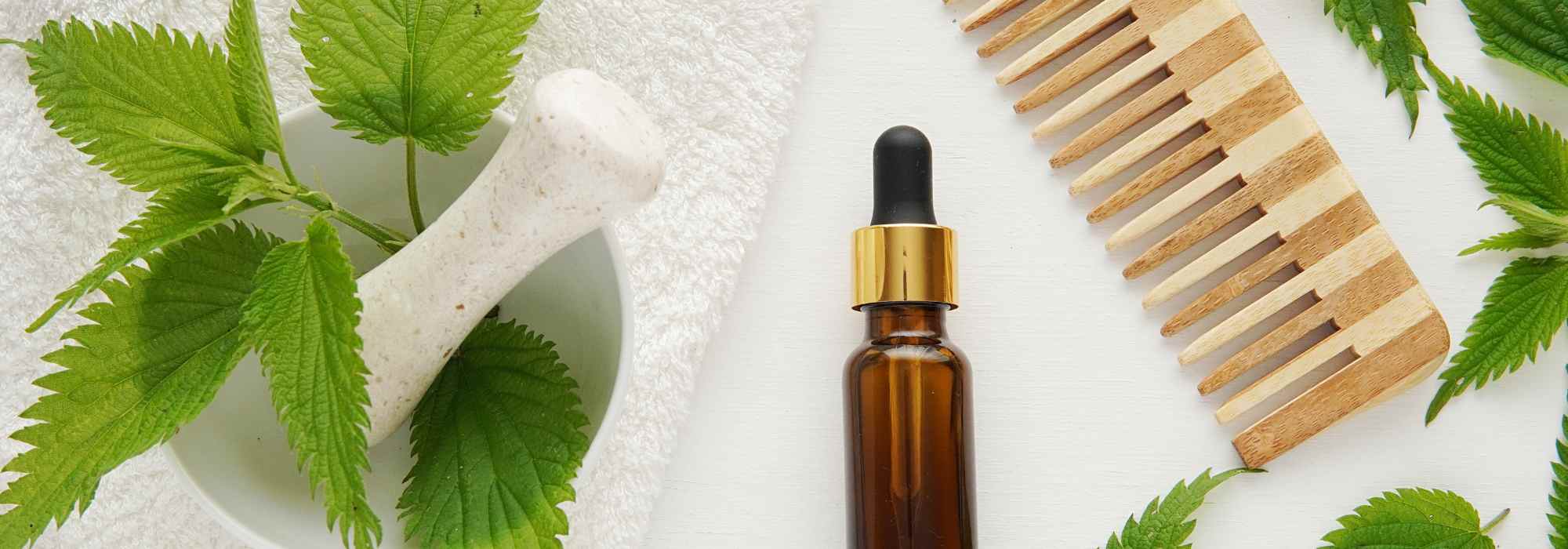
Healthy, thriving hair thanks to your garden plants
100% natural detox treatments for your hair
Contents
Women and men with an oily scalp are all faced with hair that becomes greasier more quickly, prone to dandruff or itching, giving an appearance that is often neglected. Urban pollution also takes its toll on our hair, as do the sun and salt, which, in summer, make hair brittle, dull or damaged.
Most commercial shampoos and hair-care products to purify the hair contain plants or minerals recognised for their cleansing and balancing properties such as nettle or clay, and many plants are used for their essential oils with balancing virtues.
So, which plants have proven their effectiveness, making our hair healthier and in great condition? Here are the secrets of plants that naturally cleanse our hair! We also give you a few homemade recipes: lotions, herbal teas, gels and hair masks.
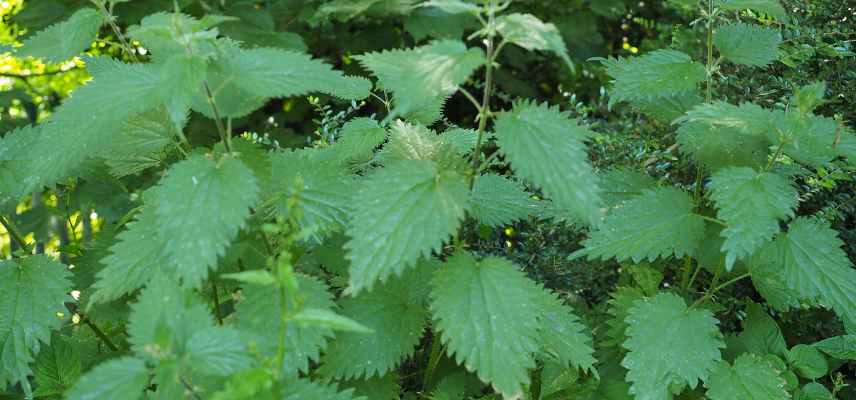
Nettle (Urtica dioica): a powerhouse of benefits for oily hair
THE cleansing and sebum-regulating plant, nettle, is unbeatable whenever we talk about an oily scalp. Nettles regulate through their richness in minerals; they are rich in iron, silica, magnesium and calcium. They are also rich in vitamins A, C and K. These nutrients notably stimulate hair growth and strengthen hair follicles. The fortifying and astringent benefits of nettle have long been known since Antiquity. The Greeks and Romans already used it for its medicinal properties, including for hair care.
When you have it in your garden (it’s an organic indicator plant for soils rich in organic matter and nitrogen), it’s a real boon! Besides its use to fortify garden plants with nettles manures, it is interesting to use it as a purifying plant in a hair lotion.
Please note: lotions, as we will see in this article, are the most suitable care to help damaged hair from pollution, salt or sun, and for oily scalps. They require no rinsing. You can also use nettle powder with nettle, which keeps a little longer, and incorporate it into aqueous macerates for later application to the hair.
Homemade recipe: nettle lotion
- Infuse a handful of dried nettle leaves in 500 ml of boiling water for 20 minutes.
- Strain and leave to cool.
- Apply the lotion to the scalp after washing and massage gently (store this lotion in a spray bottle, easier for application)
- Leave on for 10 minutes, then style as usual.
→ Also read: Nettle, a plant with many benefits.
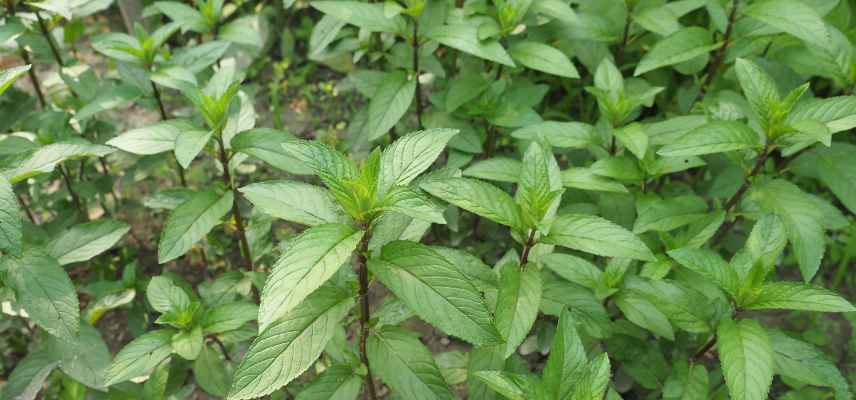
Peppermints and aquatic mints: refreshing and balancing
Another indispensable plant for cleansing the hair: mint. There are about twenty species and many varieties, but regarding its use for hair care, two species are preferred: the Mentha x piperita, or peppermint (resulting from a cross-breeding between spearmint and aquatic mint), and the water mint (Mentha aquatica). These two species are the most menthol-rich, an active substance that provides a refreshing effect, sought for hair. Mint is particularly suited for hair damaged daily by urban pollution and for those with greasy hair.
Why? Because mint possesses antiseptic and anti-inflammatory properties that help purify the scalp and soothe irritation. It also stimulates blood circulation, promoting hair growth, and is also effective against dandruff.
Just like nettle, mint is found in many modern cosmetic formulations. But mint has been used for centuries in traditional medicines for its numerous health benefits, and the Egyptians already used it, alongside argan and henna, for its refreshing and purifying properties. Essential oil can be used in combination with a shampoo, or a lotion or mask can be prepared.
Homemade recipe: the mint mask
- Mix a handful of fresh mint leaves, finely chopped, with a tablespoon of coconut oil and a tablespoon of natural yoghurt.
- Apply the mixture to the scalp and hair.
- Leave on for 30 minutes before rinsing lightly.
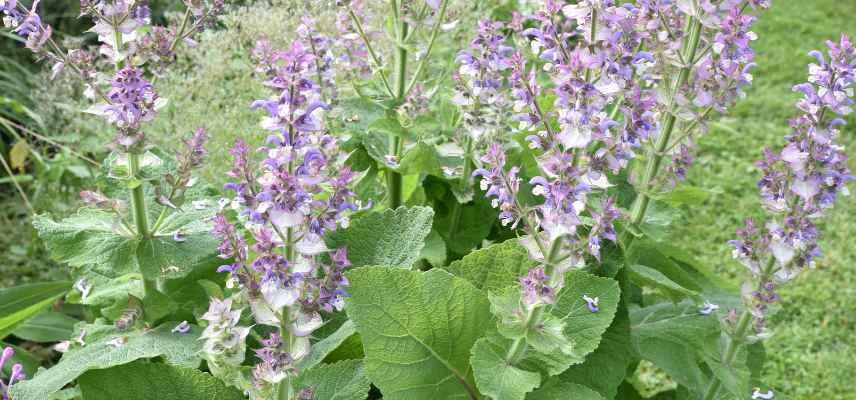
Clary sage (Salvia sclarea): the must-have among air-purifying plants
With nettles and mint, the clary sage is the third miracle plant for cleansing your hair. It is, moreover, often paired with one of these herbs in aromatherapy and cosmetics. Very ornamental in dry gardens, the garrigue gardens, the countryside gardens where it is planted at the back of the border (it can grow up to 1.5 m), it has the advantage of being melliferous and of offering its purple flowers for much of the summer.
Clary sage is a very good regulator of sebum, and it is therefore considered to purify without stripping our scalp! Its tonifying and purifying properties have long been used, since it was already employed in the Middle Ages in lotions and elixirs: its lemony and peppery scent left little doubt about its astringent qualities. Its action on seborrhoea is recognised to this day, and it is interesting for treating dandruff, but also for calming itching. It is usually found in essential oil form, derived from its leaves and flowering tops.
At home, you can fairly easily prepare a home-made sage water by boiling half a litre of distilled water and infusing, covered, for 1 hour a generous handful of freshly picked clary sage leaves. You will use it to massage into the scalp or as a rinse. Like other home-made lotions, be careful to strain the liquid before putting it into a glass bottle, and to use it within two weeks.
Note: Pregnant women, children, and women with hormone-dependent cancers: completely refrain from using sage in your beauty care.
Read also
How to make homemade floral water?Aloe vera: restorative
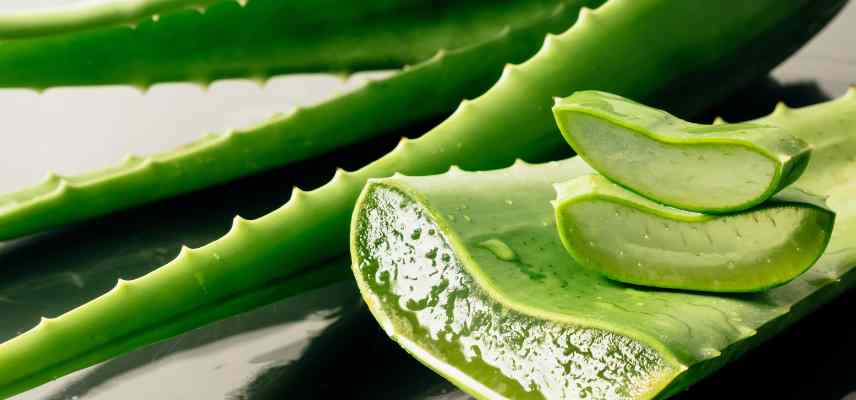
A succulent, striking plant, increasingly popular in our apartments or in the sheltered gardens of temperate climates, Aloe vera (also known as Aloe barbadensis) is making its mark in cosmetic formulations as well, thanks to its soothing action. If Aloe vera is renowned for its moisturising properties (notably thanks to polysaccharides) and skin-repairing properties, it soothes scalp irritations, reduces dandruff and promotes hair growth thanks to its enzymes and vitamins. The many virtues of Aloe vera have been known for more than 6,000 years. Ancient civilizations were already aware of the botanical power and therapeutic benefits of this plant.
It is the gel contained in the fleshy leaves that is used: it contains 98% water. It is effective against dandruff and forms a protective film on the hair fibre. It is best applied to the ends, but also sparingly on the scalp, with a gentle massage to soothe itching. We also use Aloe vera water, astringent, purifying and soothing.
Homemade recipe: Aloe vera gel
- Scoop out the gel from a leaf of Aloe vera and mix it with a tablespoon of honey, a spoonful of nettle powder or green clay.
- Apply the mixture to the scalp and hair.
- Leave on for 20 minutes.
- Rinse with lukewarm water.
→ Also read: Beauty, cooking: how to harvest and use Aloe vera?
Willowherb: soothing
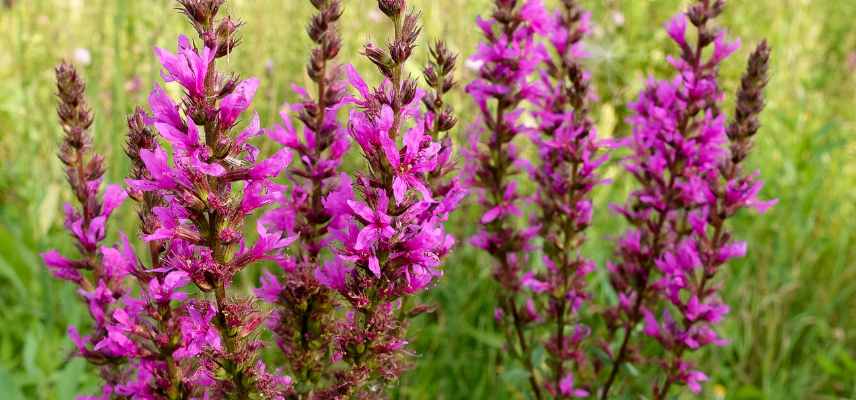
From the Onagraceae family, the willowherb is well known to people living at altitude, as its natural habitat is the mountains. This wild alpine plant is known for its antibacterial properties, but also for its seboregulating action. It was in the 19th century that its virtues were clearly identified, although Native Americans had already known of its medicinal properties. Rich in flavonoids, vitamins, tannins and polyphenols, it is beneficial for soothing scalp irritations, absorbing impurities and repairing damaged hair. It is also known for its anti-inflammatory properties, and it can be used, too, to rebalance the natural production of sebum.
Homemade recipe: willowherb lotion
- Infuse a handful of willowherb flowers in 500 ml of boiling water for 20 minutes.
- Strain and let cool.
- Apply the lotion to the scalp after shampooing and massage gently.
- Leave on for 10 minutes.
Rosemary: purifying and tonifying
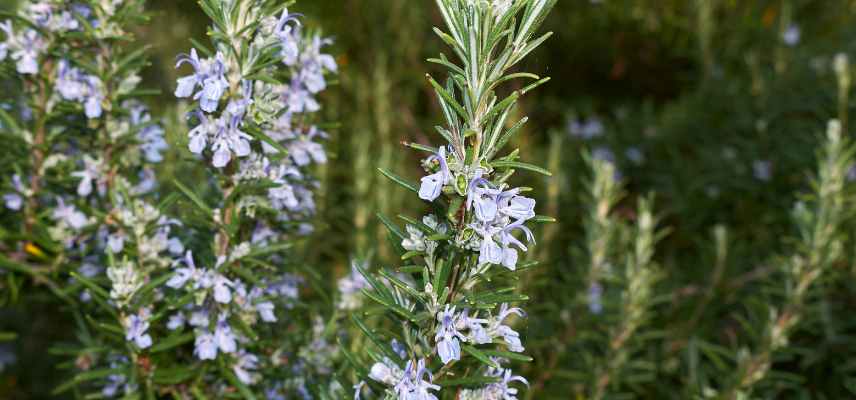
Beyond its culinary use for enjoying its intense fragrance, rosemary is among the aromatic plants of the Lamiaceae family that help regulate the secretion of the sebaceous glands. It was one of the first to be used by the dermatology and cosmetics industry in the early 20th century as a hair lotion.
Rosemary also stimulates blood circulation in the capillary scalp and has antiseptic properties that purify and cleanse the scalp. It is commonly used for itching and irritation.
Homemade recipe: Rosemary lotion
- Bring 250 ml of water to a boil and add a handful of fresh or dried rosemary leaves.
- Let steep for 15 minutes, then strain.
- Add 5 drops of rosemary essential oil to the cooled infusion.
- Apply the lotion to the scalp after shampooing and massage gently.
- Leave on for 10 minutes.
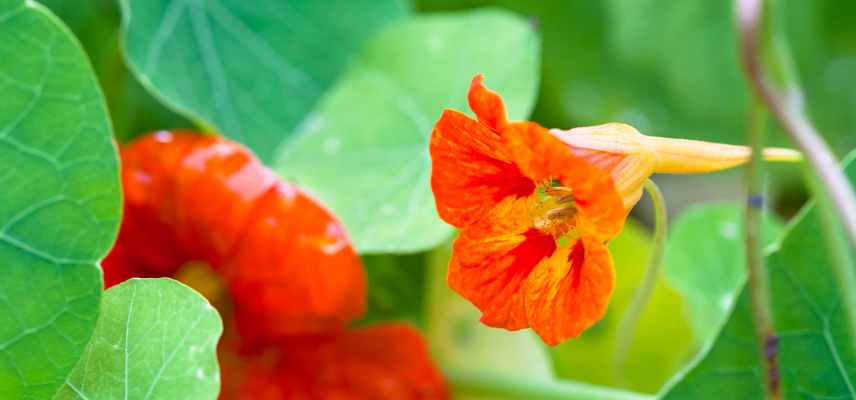
Nasturtium: sanitising and purifying
Nasturtium (Tropaeolum majus) is used in hair care for its anti-dandruff properties. Rich in vitamin C and antioxidants, it is a plant that restores shine and vitality to hair. It also has antiseptic and anti-seborrhoeic properties that purify the scalp, tannic acids in its flowers, and a high content of sulphur and zinc, which also confer anti-hair loss properties. Nasturtium benefits have been known for a long time, dating back to the 16th century.
Home recipe: nasturtium infusion
- Steep a handful of nasturtium flowers in 500 ml of simmering water for 15 minutes.
- Strain and allow to cool.
- Use this infusion as the final rinse after every shampoo.
Other plants and recommendations
There are other plants just as interesting for cleansing the scalp, which can be combined together in a decoction* to benefit from their virtues:
- common lavender with multiple virtues: it is soothing and purifying, ideal for sensitive scalps.
- yarrow, antiseptic and healing, helps purify the scalp.
- Field horsetail: rich in silica and magnesium, it regulates sebum production, strengthens damaged hair and gives it volume.
- lemon balm is effective too, for irritations and greasy hair that it purifies by its astringency and tannins.
- lady’s mantle: astringent and purifying, ideal for greasy scalps.
- comfrey : restorative and soothing, it is particularly suited to damaged hair.
- bay laurel: especially stimulating and purifying, it would also promote hair growth.
- lemon: a fruit, yes, but what a fruit! Lemon is incredibly effective when it comes to purification: it provides an astringent action, which helps normalise the secretion of the sebaceous glands.
* a pinch of each for 1 litre of boiling water, or two teaspoons for 2 cups of water (two herbs in a blend, for example). Let infuse for 20 minutes, then strain. Use this herb infusion as the final rinse after shampooing.
WARNING: all plants should be used with caution, some of them are contraindicated in cases of illness, pregnancy, breastfeeding or ongoing treatments. Before any experimentation, even with plants that seem harmless and for external use here, consult a health professional (pharmacist, GP, aromatherapist, dermatologist or naturopath).
Of course, only use untreated plants, and always perform a patch test on your skin.
Also adopt the right practices in your shampooing routine. Hair professionals emphasise these good habits:
- Prefer lotions to products that are often too rich and greasy, such as masks or shampoos combined with conditioners, which weigh down hair that is already fragile.
- Adopt the apple cider vinegar rinse: apple cider vinegar is particularly suitable.
- Space out your shampoos to three days ideally (no more than two washes per week), as the more you wash your hair, the more you trigger and stimulate sebum production.
- Avoid rubbing the scalp too hard: go gently, using pressing motions to massage the entire head (which also helps stimulate blood circulation).
- Use lukewarm water, not too hot, which tends to excite the sebum. Rinsing should not be neglected: the hair should squeak, and to achieve this finish with progressively colder water.
- Let your hair air-dry as soon as possible, as the warm blast from a hair dryer also stimulates the sebaceous glands.
- Finally, avoid running your hands through your hair, which activates sebum production.
- Subscribe!
- Contents
Comments