






























Growing a coffee plant in a pot
Comprehensive guide and tips for success
Contents
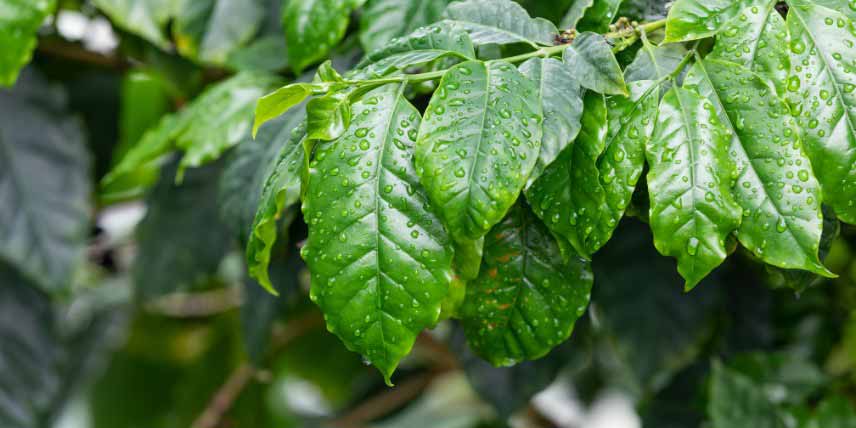
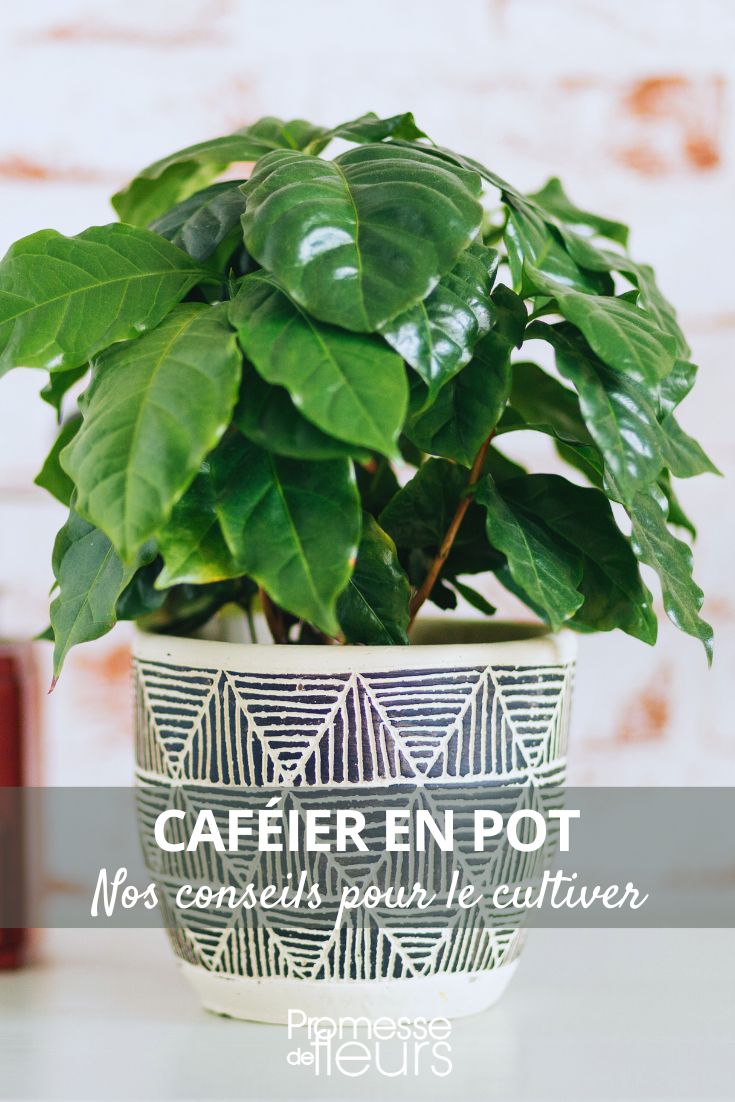
The coffee plant (Coffea arabica) is a tropical plant valued for its berries, known as ‘cherries’, which provide the coffee beans. Frost-tender, in our latitudes, it is grown exclusively in a pot, where it forms a small tree about 1.5 m tall. Its flowering, which appears in summer after 3 to 4 years, reveals small white, fragrant flowers on handsome glossy foliage. Not producing coffee beans in our climate, the coffee plant is primarily grown for its beauty and ease of care. It is an ideal houseplant, thriving easily in a bright room, a heated greenhouse or a heated conservatory. Indoor temperatures suit it well year-round, especially if the air remains slightly humid. Discover in this article how to grow this lovely little houseplant in a pot!

The coffee plant's needs
The coffee plant (Coffea arabica) is a tropical plant that requires specific conditions to thrive. It cannot tolerate frost. Never expose it to temperatures below 13°C, as it would lose its leaves, and below 0°C it dies. It prefers mild temperatures, which is why it is grown in pots in our latitudes as an indoor plant, in heated greenhouses or conservatories. The coffee plant requires plenty of light, but it prefers indirect light. In winter, avoid placing it near a direct heat source such as a radiator and in summer, spare it from the full sun to prevent leaf scorch. In addition to these light and heat conditions, the coffee plant enjoys a humid environment, ideally between 70% and 80% relative humidity.
When to plant coffee plants?
The ideal time to plant a coffee plant is in spring or early summer, from March to July. During this period, the plant enters an active growth phase, which helps it acclimatise more easily to its new environment.
What pot for a coffee plant?
It is important to choose a pot deep enough for the coffee plant’s roots to develop fully. A pot at least 30 cm high is perfect. Also ensure that the bottom of the pot is perforated, as good drainage is essential to prevent water accumulation, which could be fatal to the plant. A small layer of clay balls at the bottom of the pot will help improve drainage and protect the roots from excess moisture.
Read also
Misting indoor plantsWhat type of substrate should you choose?
Coffea plants require a light, well-drained substrate rich in organic matter. A mix of potting compost for indoor houseplants, sand or perlite, and a peat or coconut fibre is ideal. This type of substrate maintains a light moisture level without the risk of retaining too much water, which could cause the roots to rot. You can also add a little compost or decomposed manure to the bottom of the pot to enrich the mix and provide your coffee plant with a natural supply of essential nutrients.
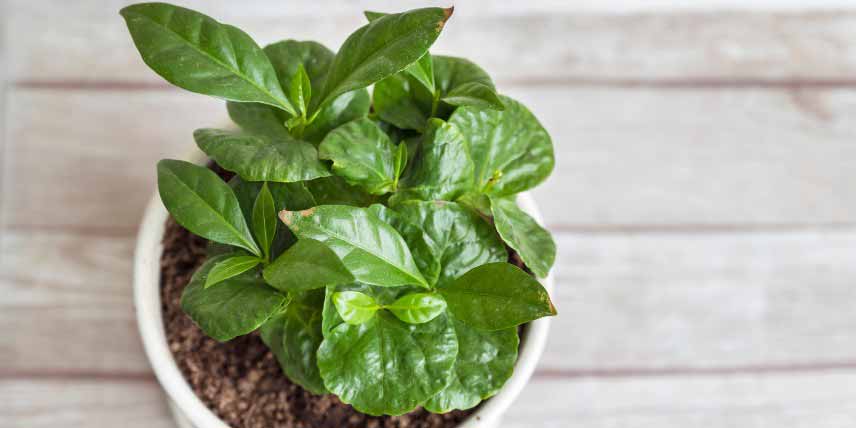
How to plant a coffee plant?
- Moisten the root ball lightly before transplanting to ease removal from the pot.
- Place a layer of clay balls or gravel at the bottom of the pot to improve drainage.
- Partially fill the pot with the prepared substrate.
- Place the coffee plant in the centre of the pot, taking care not to bury the base of the stem.
- Add substrate around the roots, lightly firming it to eliminate air pockets.
- Water after planting to thoroughly moisten the substrate, but not saturate it with water.
Where should I place a coffee plant?
The coffee plant prefers bright light, but not direct sun, which could scorch its leaves. Indoors, place it near a window facing east or west, where it will receive soft light. In summer, if you can take it outside, protect it from wind and direct sun. Start by placing it in a shaded spot for a few days to gradually acclimatise it to the outdoors. Avoid placing it in full sun, especially during the hottest part of the day. Prefer partial shade or indirect light. Keep the substrate moist, but not waterlogged.
⇒ Key takeaway: Place the pot in a bright spot, but sheltered from direct sun, especially in summer.
What temperature should a coffee plant be kept at?
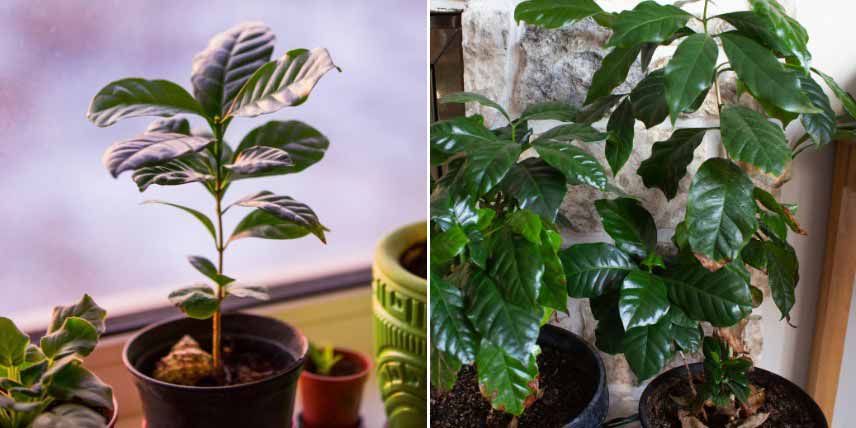
The coffee plant grows well between 15°C and 25°C. It can tolerate slightly lower temperatures, down to around 13°C, but it is important not to leave it exposed to temperatures below this threshold, as this could lead to leaf drop. That is why, indoor temperatures are generally well suited to the coffee plant.
Moving the coffee plant outdoors in summer allows it to benefit from natural light, essential for its growth and flowering. Summer temperatures are ideal for this tropical plant.
Care
Pot-grown coffee plants are relatively easy to care for.
Watering
Once the coffee plant is in a pot, regular watering is important, but in moderation, ideally with soft, room-temperature water. The substrate should remain slightly moist, without water stagnating at the bottom of the pot. In summer, water about 2 to 3 times a week. In winter, reduce watering to once a week. Ensure the substrate dries slightly between waterings. Coffee plants dislike overwatering, so make sure water drains well from the pot to prevent stagnation.
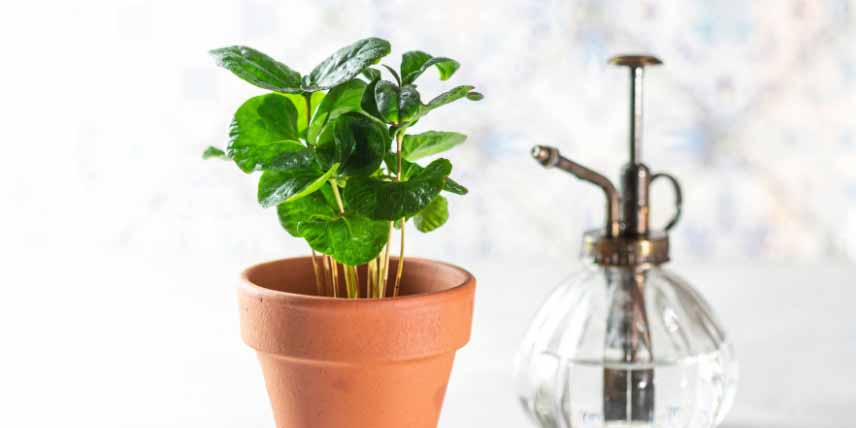
A slightly humid environment is essential, so it is advisable to spray the leaves regularly to recreate tropical conditions. You can increase humidity by placing under the pot a bed of clay pebbles.
Fertilisation
Coffea arabica in a pot requires regular feeding to grow properly. Use a balanced liquid fertiliser, high in nitrogen, one to two times per month during the growth period (spring and summer). In autumn and winter, stop applying fertiliser as the plant slows its metabolism.
Repotting
Although it grows slowly, consider repotting your coffee plant every two to three years, into a slightly larger pot, when the roots start to become cramped. In the meantime, each year, simply top-dress to refresh the old substrate with new material for a few centimetres.
Pruning
Pruning of the coffee plant is not essential, but it helps promote branching of the bush. To encourage this branching, we pinch the main trunk after the 3rd or 4th bud. When secondary branches appear, they are also pinched in the same way to stimulate the formation of new branches. Perform pruning in spring, just before growth resumes.
Diseases
Good ventilation in the room or on the balcony is essential to prevent attacks by pests such as mealybugs or red spider mites, common indoors. Regularly inspect the leaves for any sign of disease or damage. Treat with a natural insecticide or a diluted black soap if necessary. As a precaution, spray nettles manure or a horsetail decoction.
- Subscribe!
- Contents
Comments