





























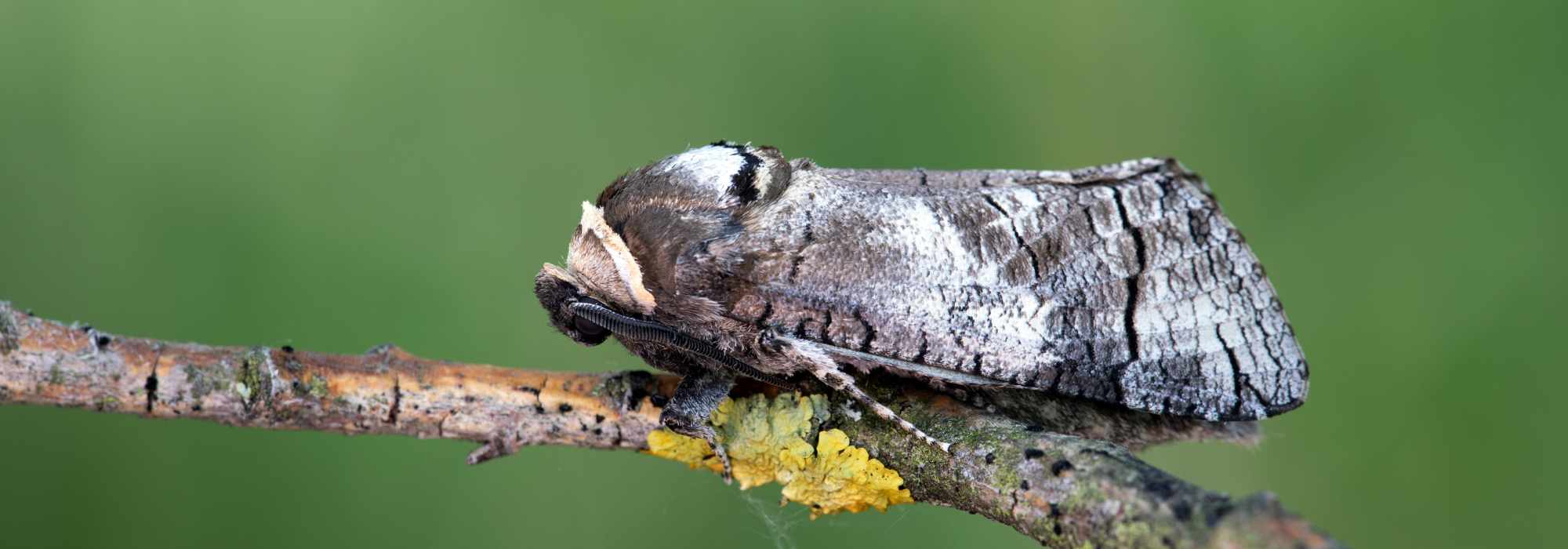
Garden pest: Cossus cocus, the goat moth
Everything you need to know about this parasitic insect
Contents
The Cossus gâte-bois is a feared pest that can inflict serious damage on your garden. This pest is capable of attacking a wide variety of trees, jeopardising their overall health. In this detailed fact sheet, you will learn how to identify this pest, the symptoms of a Cossus gâte-bois attack, and effective methods to control or eliminate it. Explore this comprehensive guide to learn everything about the Cossus gâte-bois and how to keep your garden thriving despite its possible presence.

Description and biology
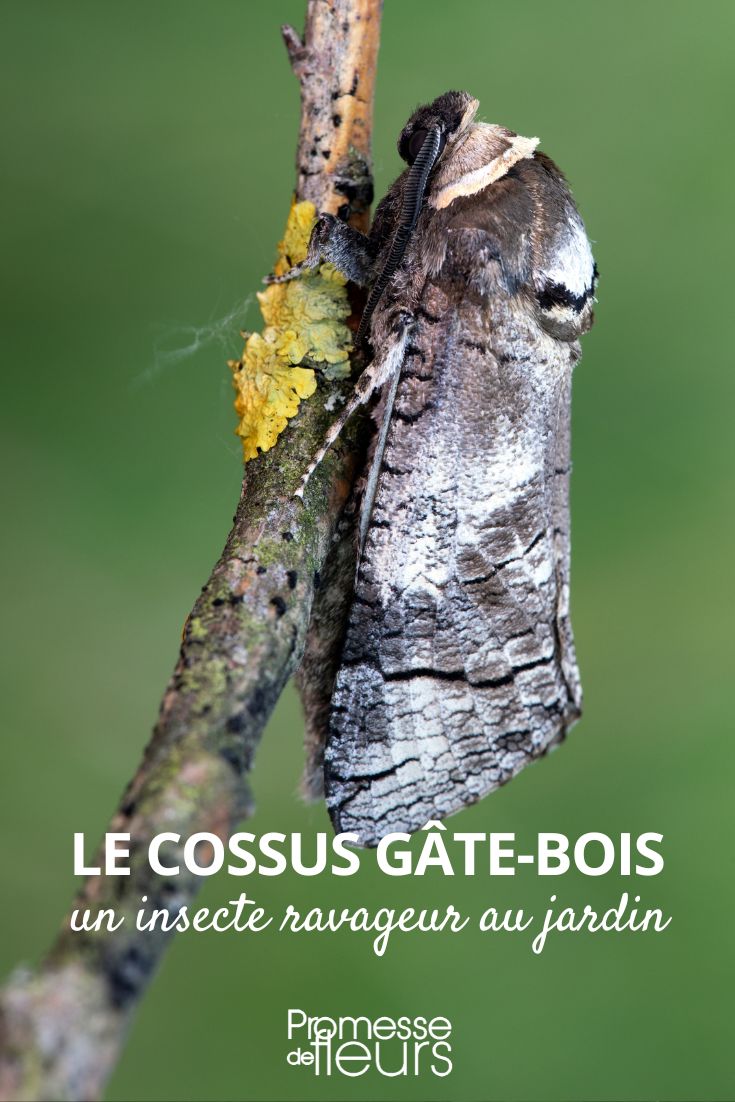
The goat moth (Cossus cossus) or wood‑borer is a lepidopteran insect native to Europe and a pest that is hard to ignore once you know what it looks like.
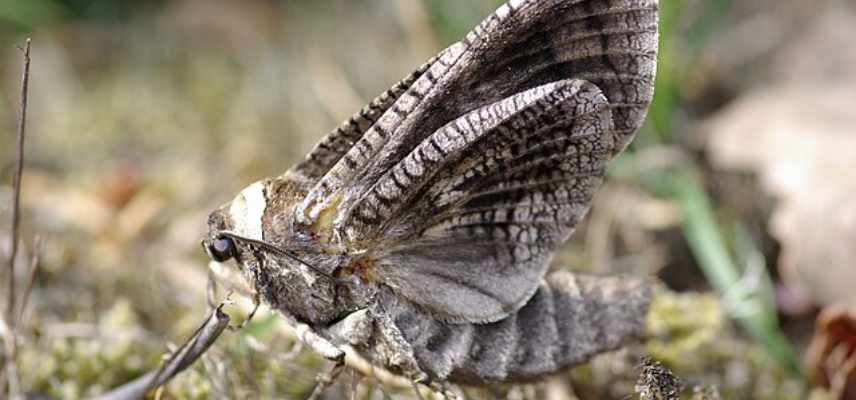
The adult goat moth is a robust moth with a wingspan of 75 to 105 mm. It displays fairly subdued colours, generally a dark brown or greyish hue, which help it remain inconspicuous. The male’s antennae are often feathery, while the female’s are straighter. Adults have no proboscis and do not feed; their sole purpose is reproduction. They are primarily active at night, which makes them difficult to observe.
The larva, or caterpillar, is the most destructive stage of the life cycle. It measures between 80 and 100 mm in length at maturity and has a cylindrical shape. Its skin is smooth and pale pink to brownish in colour, with darker patches. The head is relatively small and dark brown. It is these larvae that tunnel into the wood of host trees, causing structural weakening and sometimes tree death if the infestation is severe.
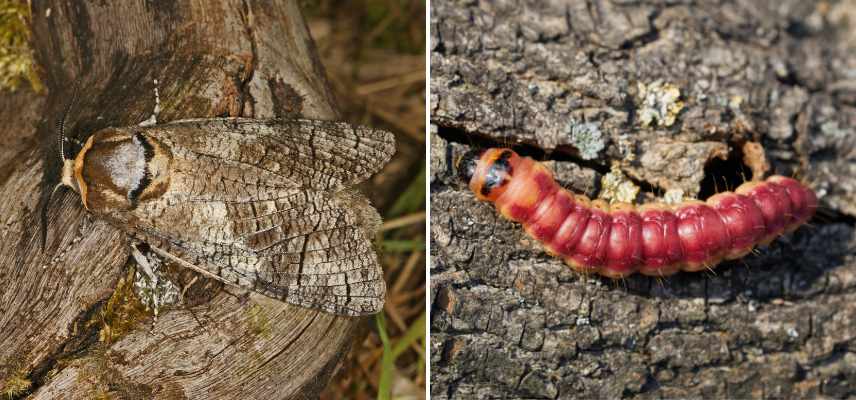
The adult insect and its larva
The life cycle of Cossus cossus
Regarding its biology, the goat moth’s life cycle generally spans two to three years. It all begins with egg laying. The adult female lays her eggs on the bark of host trees during the summer, mainly in crevices or cracks. The eggs are small and white to yellow in colour. The eggs then hatch into larvae. These larvae, or caterpillars, are the most damaging stage of this pest. They bore into the wood by tunnelling galleries, which can weaken the tree structurally. The larvae feed on the wood for several years, sometimes up to five years, before entering pupation.
Pupation, or the pupal stage, usually occurs inside the gallery excavated by the larva. At this stage, the insect is enclosed in a silk cocoon and undergoes metamorphosis to become an adult. This stage can last from a few weeks to a few months, depending on environmental conditions.
Finally, the adult emerges from the pupa and exits the gallery to seek a mate and reproduce, thus completing the life cycle. Adults are usually active from May to August, depending on climatic conditions. They do not feed and their main purpose is reproduction.
Types of trees affected
The goat moth is particularly versatile in the range of trees it can infest, making it a notably problematic pest for many types of gardens and cultivated areas. It shows a preference for fruit trees such as apple trees, cherry trees and pear trees, which can cause serious problems for those seeking to maintain a healthy orchard. Furthermore, this pest also attacks other types of trees such as oak, willow, poplar and even some conifers, such as pine, fir or larch. Also to be considered are linden trees, maples and sometimes even horse chestnuts. Other species such as catalpa, paulownia or even certain types of magnolias can also be affected.
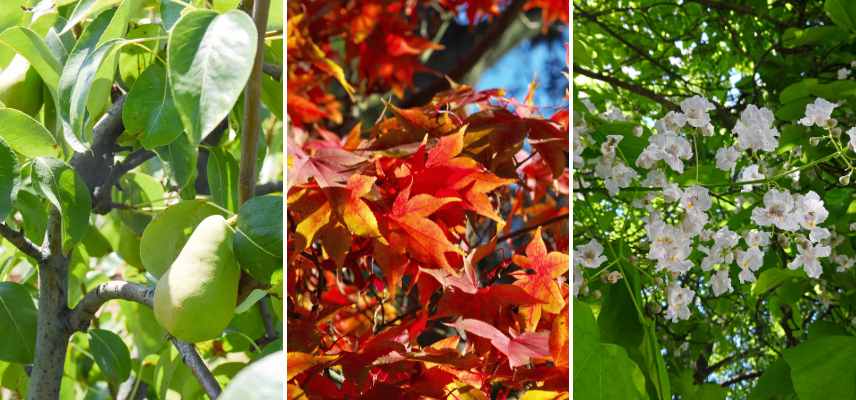
Among the trees infested by the goat moth are fruit trees such as pear trees and ornamental trees such as maples or catalpa
The symptoms of an infestation
Infestation by the Cossus gâte-bois can be devastating for trees, and its impact is often progressive, ranging from subtle symptoms to obvious damage. One of the first signs is the presence of resin or gum seeping from cracks or holes in the bark. This phenomenon is frequently accompanied by a general weakening of the tree, which may begin to show less vigorous, even yellowing foliage. The presence of sawdust at the base of the trees is also another characteristic symptom of an infestation by the Cossus gâte-bois. This sawdust results from the boring activity of the larvae inside the trunk or the branches.
Over time, the excavation of galleries by the larvae or caterpillars of the Cossus gâte-bois in the trunk and the branches affects the circulation of nutrients and water within the tree. This can result in slowed growth, dead branches or even the death of the tree in the most severe cases. The larvae’s droppings, also known as frass, may also be visible near the infested areas.
The damage caused by the Cossus gâte-bois should not be taken lightly, as it can make the tree more vulnerable to other types of environmental stress or to other diseases. Therefore, prompt intervention can often make the difference between saving your tree and losing it.
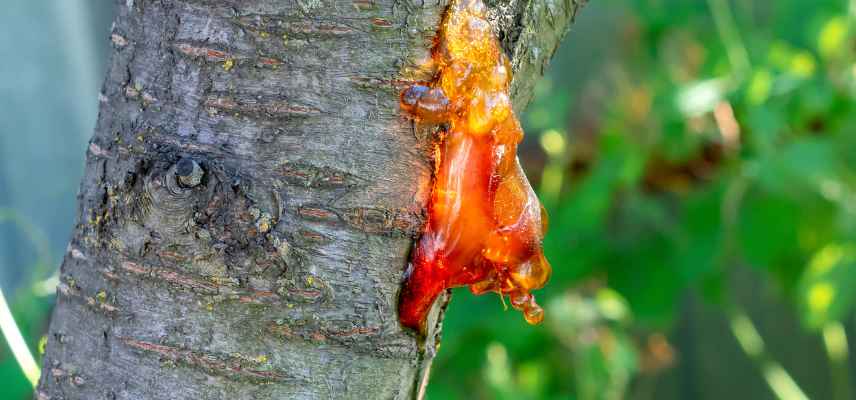
Resin oozing can be a symptom to take seriously
Read also
Major diseases and pests of conifersHow to control the Cossus gâte-bois?
Preventive measures
Managing the goat moth in your garden requires a comprehensive approach that combines prevention and control. First, a good practice is to inspect trees regularly to detect any sign of infestation, such as the presence of resin or foliage deterioration. Regular monitoring allows you to intervene quickly before the problem worsens.
Prevention is particularly important for trees that are already weakened or stressed, as they are more likely to be infested. Make sure to keep them healthy through regular watering and appropriate fertilisation. You can also use pheromone traps to capture adults, which will help you assess the level of threat in your garden.
Adult Cossus cossus
Techniques for controlling infestations
For control, felling and destruction of severely infested trees may be necessary to prevent the spread of the pest. Biological methods are also being studied, including the use of parasites or natural predators to target the larvae or eggs of the goat moth.
One biological means of combating this pest is the use of natural parasites such as certain types of parasitoid wasps. These insects lay their eggs inside or near the larvae of the goat moth, which leads to their death by parasitism. However, the effectiveness of this method can vary depending on many factors such as climate or the presence of other insect species in the same habitat.
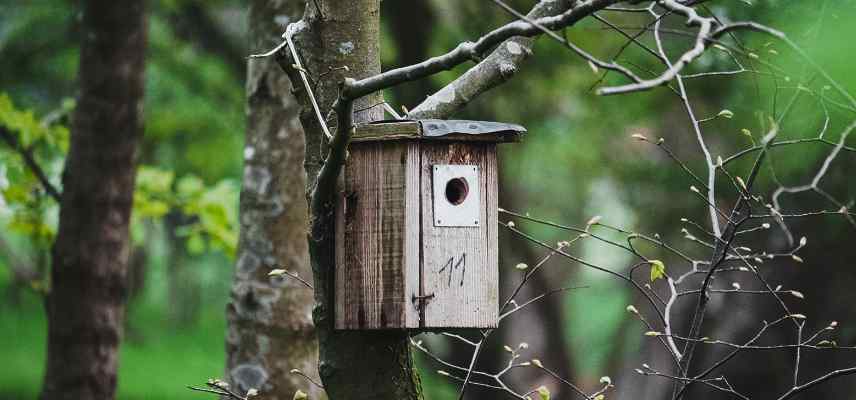
Natural predators such as certain birds or small mammals can also help regulate the population of this pest. Encouraging these predators to settle in your garden, for example by installing nest boxes or refuge areas, can therefore contribute to the biological control of the goat moth.
Another method under study is the use of entomopathogenic nematodes. These small worms parasitise the larvae of the goat moth by infecting them with bacteria that cause their death. Nematodes are generally introduced into the soil or directly into the galleries bored by the larvae.
If you are facing an infestation, it may be useful to consult an expert in arboriculture or gardening to assess the best strategy for your specific situation. The choice of control methods will depend on various factors, including the type of trees affected and the extent of the infestation. Local or regional initiatives for pest management are often carried out in collaboration with agricultural research institutions, universities and government agencies. These programmes aim to educate farmers and gardeners on best practices for pest control and may include case studies of local successes.
- Subscribe!
- Contents
Comments