





























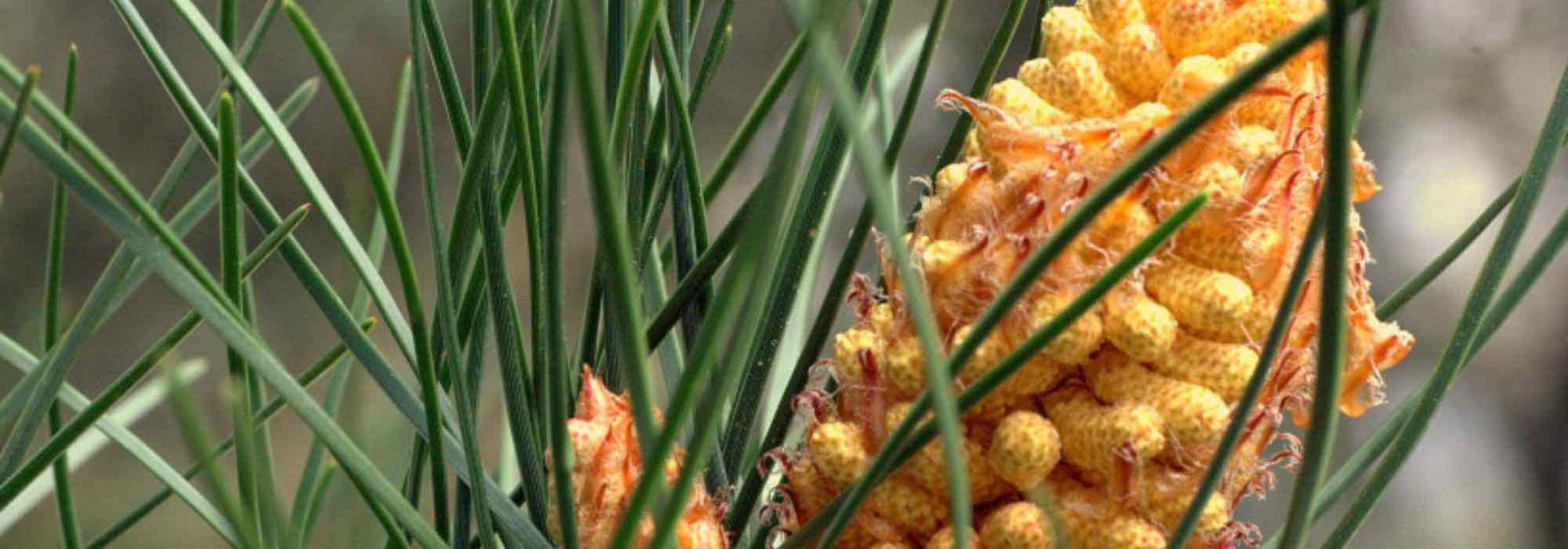
Fire risk: 10 flammable plants to avoid in the garden
Plants that burn quickly and intensely, to avoid in high-risk areas
Contents
With climate change, wildfires are becoming more frequent worldwide, exacerbated by heatwaves, heatwaves, and periods of drought. Last summer in France reminded us just how fragile some of our forests can be. The unfortunate record of over 62,000 hectares burned had already been reached in our territory before the end of summer.
In Gironde, the maritime pine forests ignited like matchsticks, resulting in a fire that lasted several days. All plants are flammable, but these plants are among the most sensitive species, burning quickly and intensely.
If you live in a region considered at risk of wildfires (check the natural risks related to your municipality on the Géorisques site), it may be wise to avoid these species that can promote fires. Here is our list of 10 trees or bushes considered particularly flammable.

The case of pyrophilous plants
Fires burn and have a fatal impact on vegetation, but some plants can indeed survive the flames, even benefiting from them. We distinguish between passive pyrophytes, which can withstand fire, and active pyrophytes, which promote the outbreak of fires.
Some plants actually need a fire to multiply or renew themselves. They spontaneously grow in dry areas that frequently experience natural wildfires, such as the Mediterranean region. They often possess tough tissues, well-protected storage organs, or fruits that only release their seeds in high temperatures. This is the case with cistus, which germination capacity increases with temperature. Only 10% of its seeds usually germinate, compared to 90% in the event of a fire. The same is true for the lovely Callistemon or bottlebrush, whose fruits can remain on the tree for a long time, patiently waiting for a fire. The flames will indeed allow the seeds to burst and disperse into the wild. In the case of the Aleppo pine, it is the cones that open when subjected to the intense heat of a fire, allowing the seeds to be released and scattered.
Read also
What to plant after a fire?Maritime pine
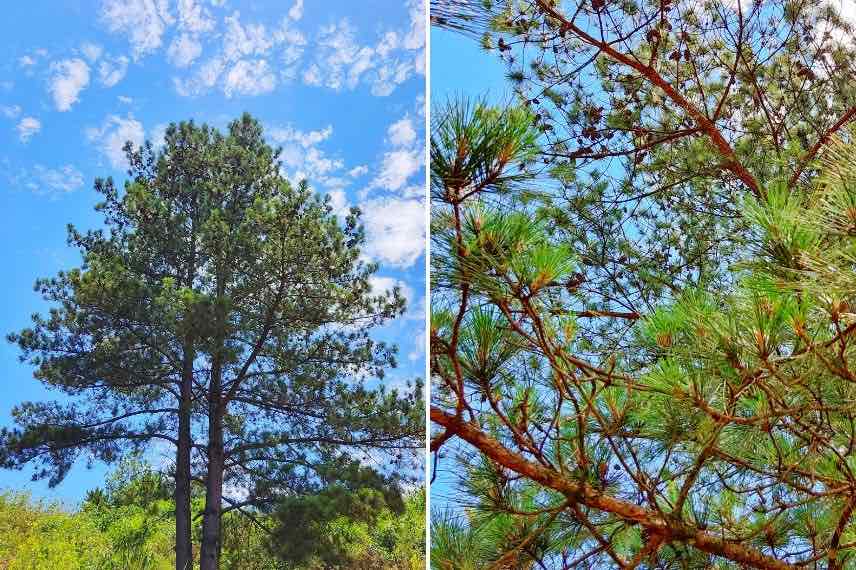
We mentioned it in the introduction: maritime pines (Pinus Pinaster) are particularly flammable trees, like many resinous species. They are among the main species that make up the Landes forests in the south-west, which are particularly susceptible to wildfires. This conifer is a beautiful tree with a vertical trunk, typically grown in large gardens, either as a specimen or at the back of a border. With a rapid growth rate, it can reach nearly 30 metres in just a few decades.
It is their small needles and bark that produce resin (used in the production of turpentine) that ignite easily. The needles also create a dry litter layer on the ground, which takes time to decompose and easily catches fire.
Cypress
The cypress (Cupressus) is a highly valued conifer in gardens for its understated elegance and rapid growth. There are various species, differing in shape and cultural requirements. The most well-known include the Italian or Provence cypress, Lambert’s cypress, and Leyland cypress. They are typically planted in groups, for example, to create a dense and opaque hedge.
Its aromatic evergreen foliage is particularly flammable. When the leaves die, they also have the drawback of remaining on the tree, accumulating over time. This forms a standing crop that is particularly conducive to fire, making the cypress one of the plants feared by firefighters.
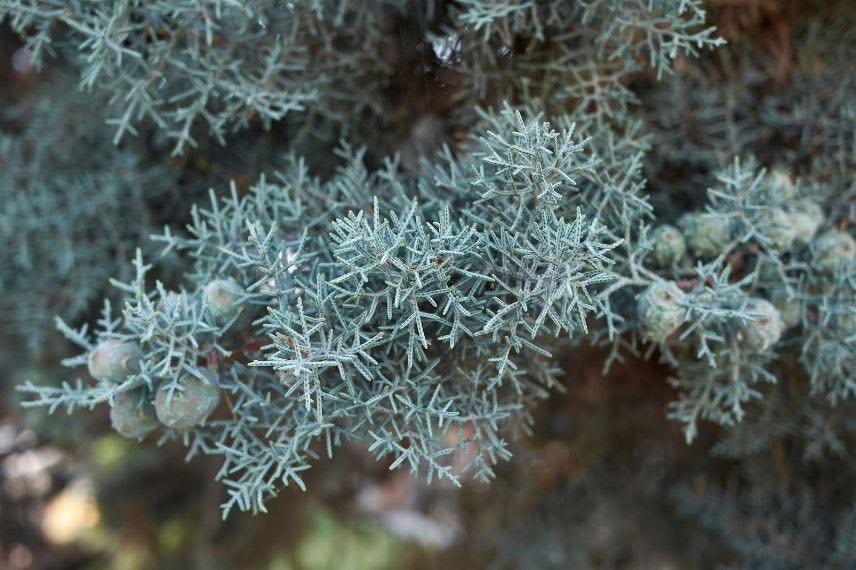
The foliage of Cupressus arizonica
Thuja
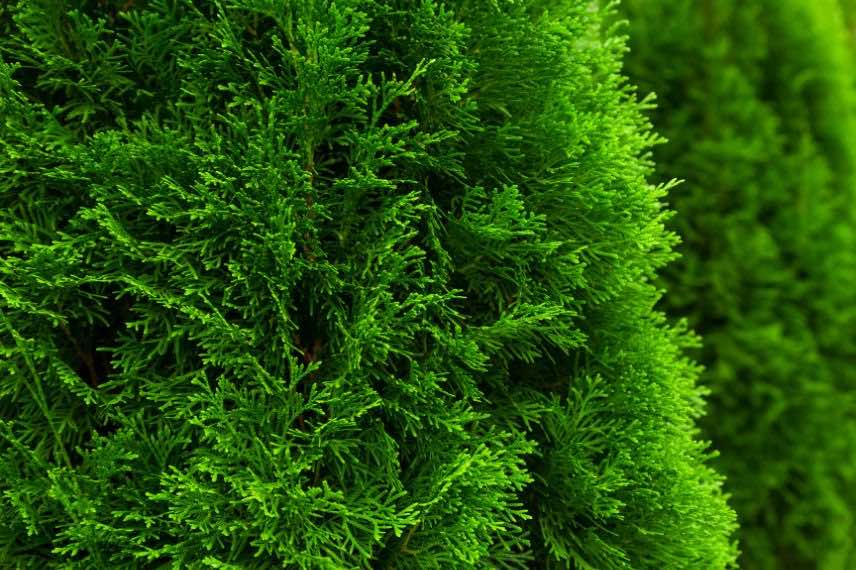
The thuyas (Thuja) are also conifers with evergreen foliage, highly adaptable and easy to grow. They are very popular in gardens, particularly for designing long privacy or windbreak hedges.
Once again, it is their foliage rich in aromatic essence that is highly flammable.
Eucalyptus
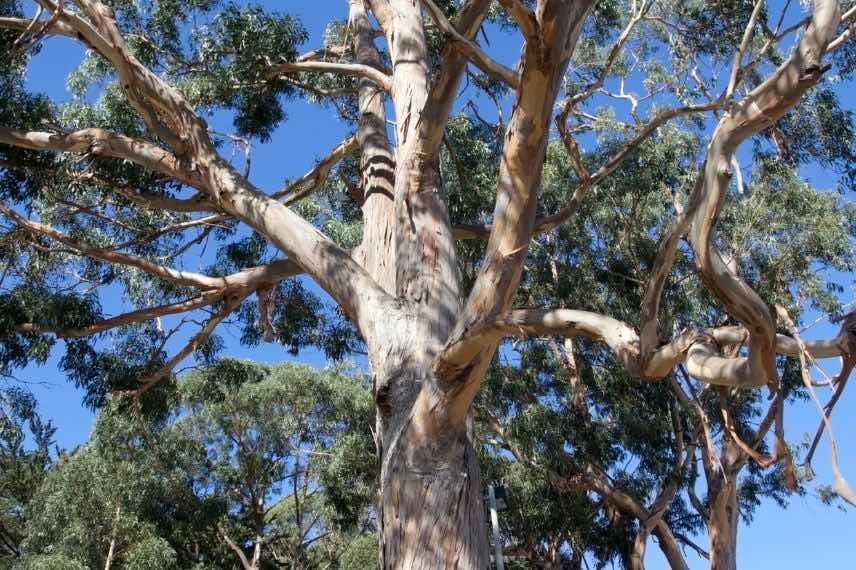
The eucalyptus, also known as gum tree, is a beautiful bush or tree with highly aesthetic evergreen foliage. It emits an aromatic fragrance, and its leaves are rich in essential oils, valued in phytotherapy.
This plant is known to release highly flammable vapours, promoting the spread of fires. The foliage also takes a long time to decompose, creating a dry litter layer conducive to ignition. It is an active pyrophyte, benefiting from fire to eliminate surrounding plant competition. Some species even possess a lignotuber (a swelling reserve bearing dormant buds), allowing them to regenerate quickly after a fire.
Wattle
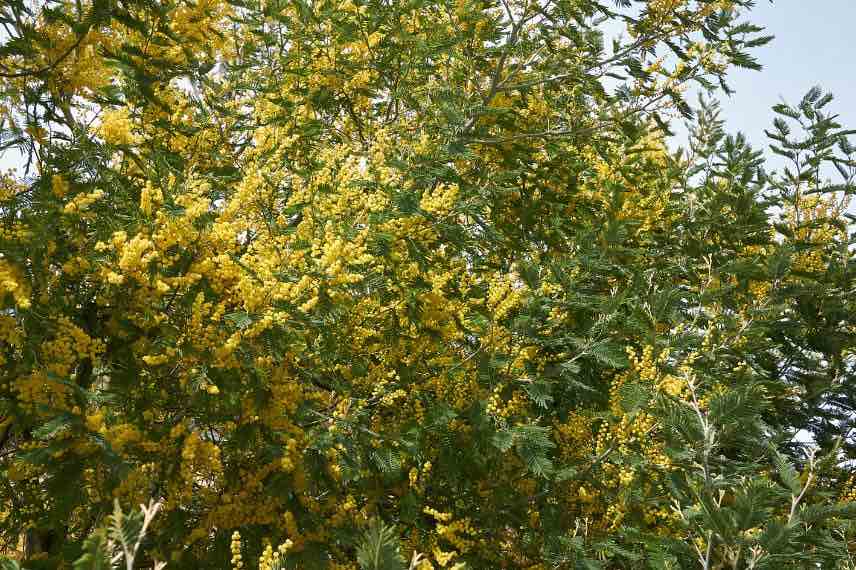
Wattle (Acacia dealbata) and its lovely yellow pom-poms are among the iconic plants of the French Riviera. Fast-growing, they can even become invasive.
These plants are considered flammable species, promoting the spread of fires. As they crackle, the foliage indeed projects numerous sparks in all directions and burns very intensely.
Bamboo
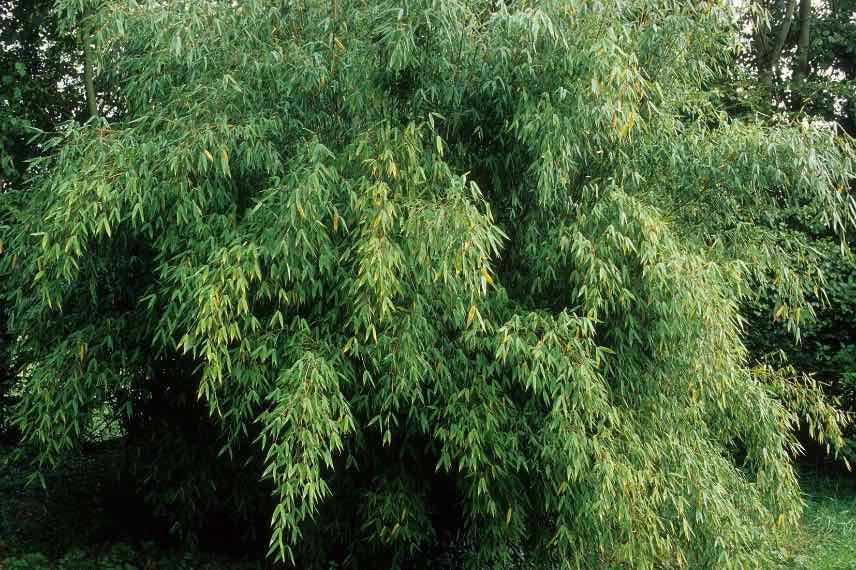
Bamboos are valued for their tall and elegant silhouette, as well as their exotic style. They can quickly colonise space, thanks to their suckers, which can sometimes be particularly invasive. They are generally used to create true green screens in the garden.
The very fine foliage ignites easily and burns quickly, especially during dry periods. The tall dry stems and their natural density also promote the spread of a fire, just like their dead foliage remaining as mulch on the soil.
Bay laurel
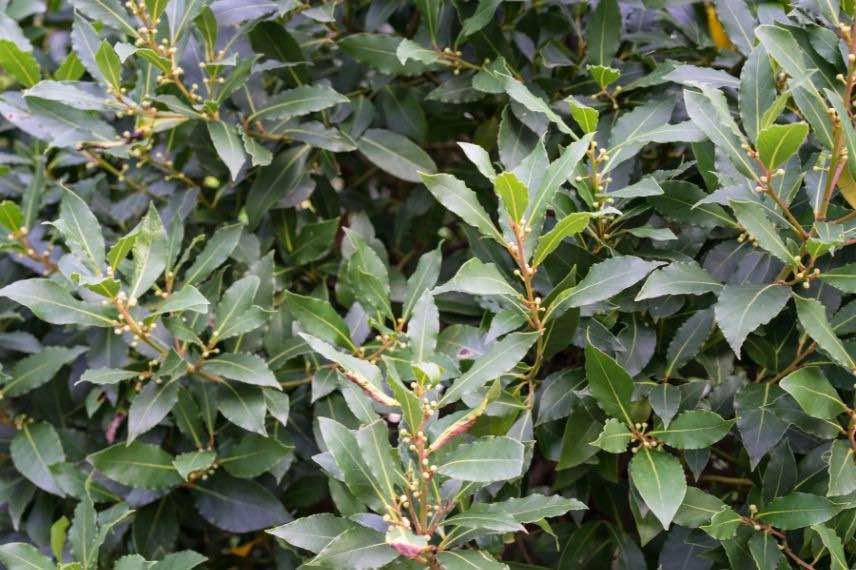
Bay laurels (Laurus nobilis), also known as true laurels or noble laurels, are among the plants highly sensitive to fire. These easy-to-cultivate, tolerant, and multifunctional bushes are almost essential in gardens. They are grown individually, but especially in hedges, easily thickened and defined by their evergreen foliage.
It is the presence of natural essences in their foliage (terpenes, phenols) that makes them particularly flammable, especially during dry periods. If they are affected by a fire, they burn for a long time, with high intensity, and even release harmful gases.
Oleander or laurel-tins are also sensitive, but regular watering during dry spells can help mitigate the risks.
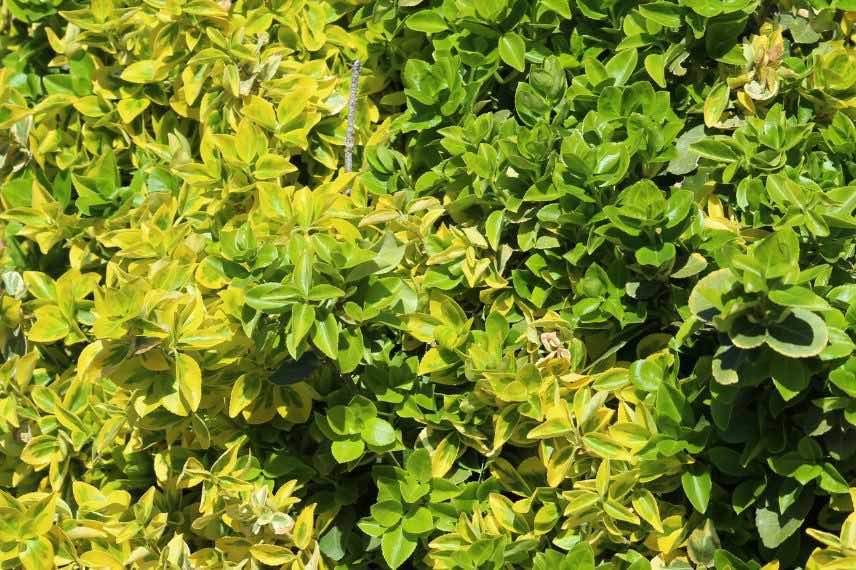
Euonymus
Spindle trees (Euonymus) encompass species that can be quite different, varying in shape, size, colour, and even their fruits. They are valued for their ornamental qualities and ease of cultivation.
Here again, it is the foliage that burns intensely and can help spread a fire towards a home or a forest.
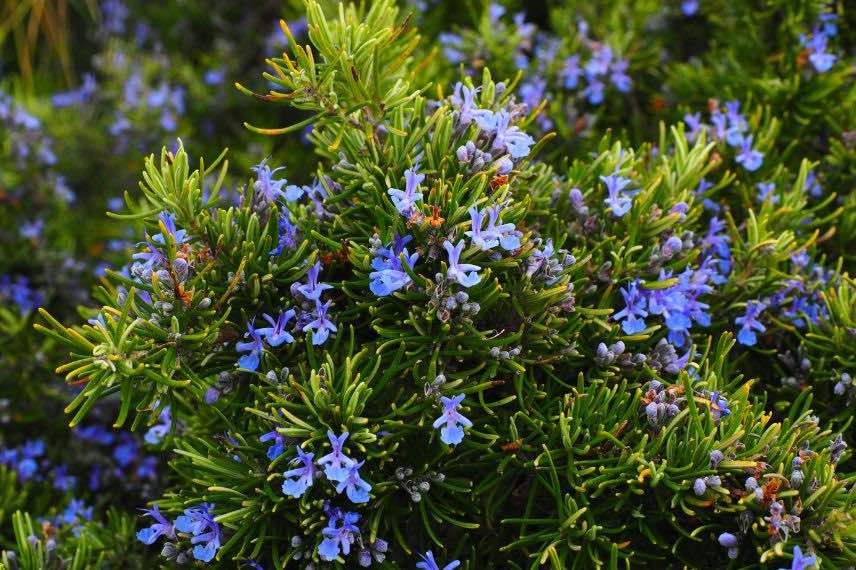
Rosemary
We appreciate it for its aromatic foliage, which flavours our dishes or allows us to brew infusions with numerous benefits. Rosemary (Rosmarinus officinalis) is a plant that thrives in dry conditions, naturally found in the Mediterranean basin.
Their foliage, rich in essential oil, is particularly flammable.
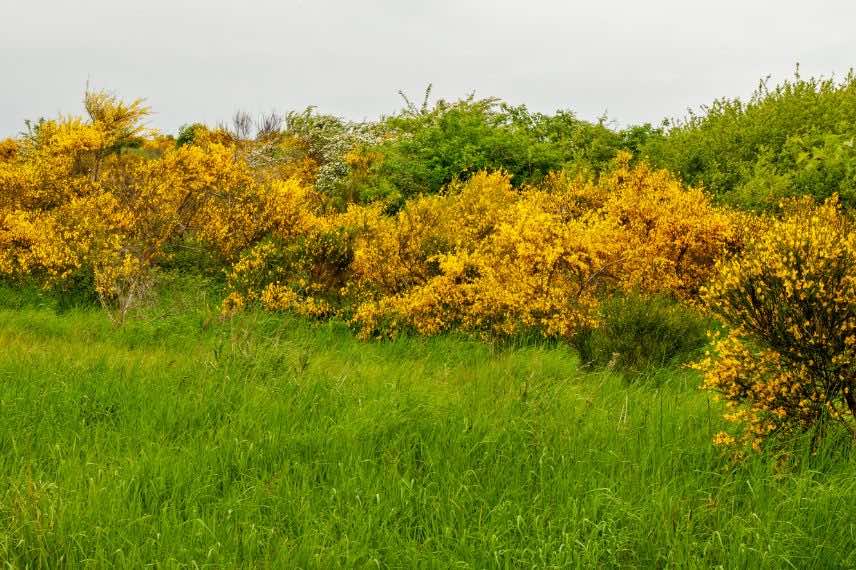
Broom shrub
The broom (Cytisus scoparius) delights us with its generous, colourful flowering in spring. It has the advantage of tolerating dry conditions well, and it is also very hardy.
Its high oil content makes it easily flammable and a fire hazard.
Growing and maintaining high-risk plants
If you already have these plants in your garden or wish to grow some, a few precautions can help limit the risks in case of fire.
Focus on diversification
Monoculture plots, as well as single-species hedges, are more dangerous than a mix of resinous and leafy species of various varieties. The latter are indeed more moisture-laden, slowing the spread of fires. To create a hedge, prefer flowering or wildflower hedge models, for example.
Pair your shrubs or trees known to be flammable with less sensitive plants. Consider succulents, whose sap-filled tissues burn slowly, like cacti and agaves. The prickly pear is considered a firebreak plant.
Other plants have thick bark that slows combustion. This is the case with cork oak or sequoia, where some aerial parts or dormant buds are protected, allowing for rapid regeneration. These are passive pyrophytes, which have a natural resistance to fire and can be used as flame retardants. The olive tree is also among those plants that possess fire-resistant qualities.
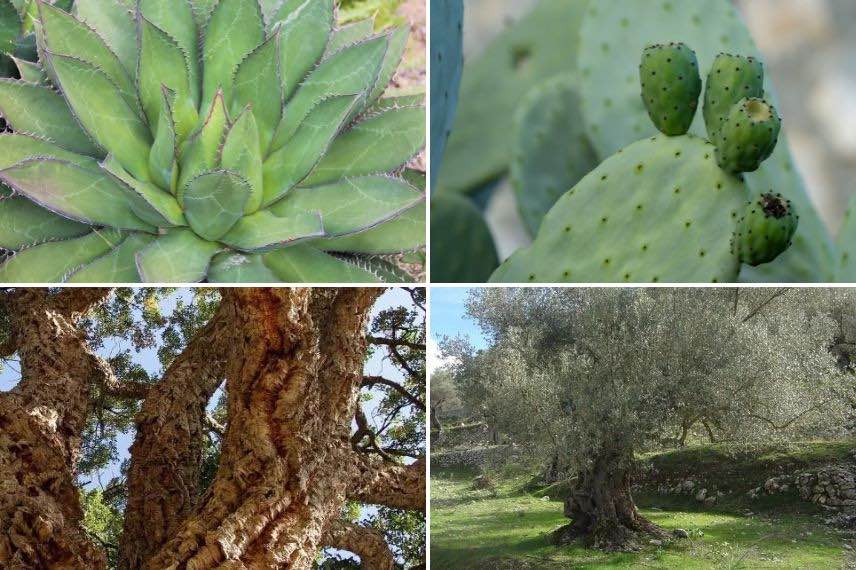
Plants that are more resistant to flames: agave, prickly pear, olive tree, and cork oak
Ensure proper maintenance of your plants
Regularly maintain your at-risk plants by removing dead branches, which are particularly flammable. Collect fallen leaves or dry needles, which can quickly form a carpet on the ground that favours the spread of fires. Clearing is, in fact, obligatory in France in certain regions, specifically to reduce fire intensity and limit their spread.
Regularly cut back herbaceous vegetation and prune your trees if they are near buildings. Remove any branches that are in contact with a building and could promote the spread of fire.
Break continuities and maintain certain distances
The arrangement of our ornamental plants can create genuine pathways leading flames towards buildings or wooded areas. Maintain a sufficient distance between your hedges and structures considered flammable (wooden or bracken fences, wooden sheds, etc.).
Ideally, avoid growing highly combustible trees within a radius of less than 10 metres from buildings.
Also avoid the presence of climbing plants (considered as “ladder fuel”) near fire-sensitive plants. Their height indeed promotes the upward spread of fire to the treetops.
- Subscribe!
- Contents

Comments