





























Diseases and pests of lettuce
Identify, manage, and prevent diseases and pests of the different varieties of lettuce
Contents
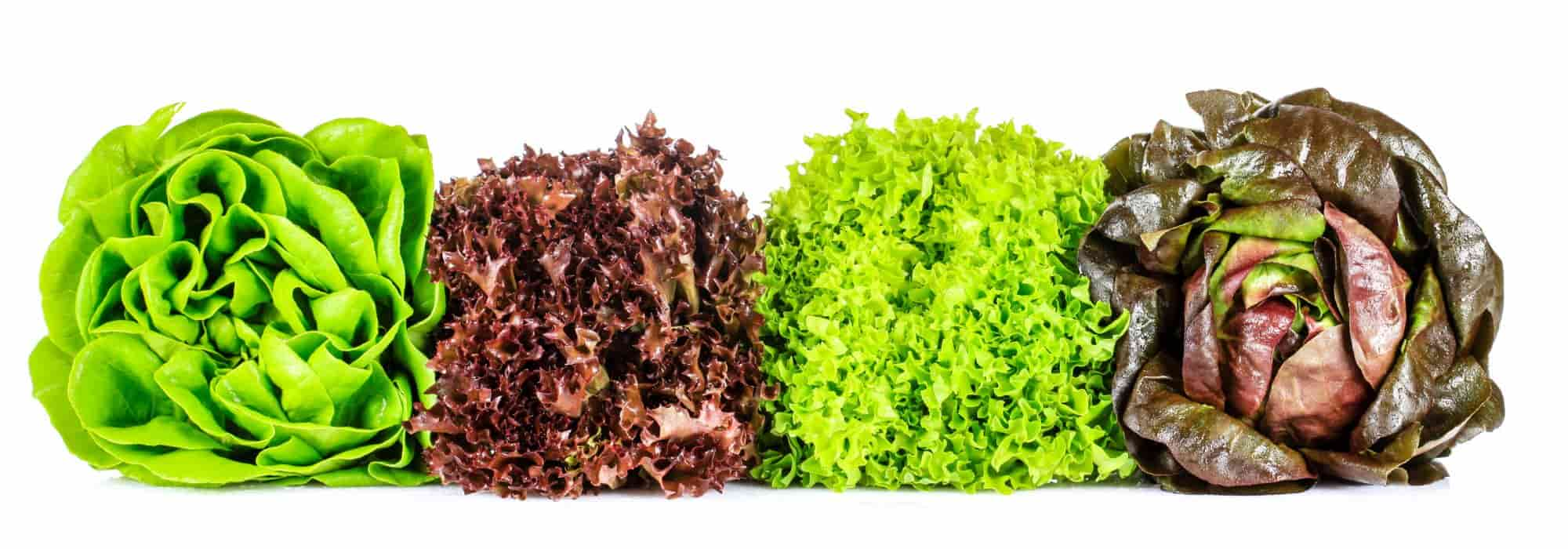
Cutting lettuce, batavia, curly chicory, frisée chicory… If there is one vegetable that seems easy to plant, grow, and maintain in the vegetable garden, it is certainly salad. By providing it with soil rich in organic matter and a partially shaded location, and especially with regular watering to prevent bolting, you will obtain beautiful salads, well-stocked with leaves, nicely headed, crunchy or more tender. And by staggering the sowing and transplanting, you will have the chance to enjoy salads for a good part of the year.
However, in the vegetable garden, nothing is immutable. And this easy cultivation of salad can be disrupted by a few relatively common diseases, often induced by particular climatic conditions or poor growing conditions. Likewise, many pests and harmful organisms, whether terrestrial or underground, can invade the beds, causing often irreparable damage.
Let’s learn to identify the symptoms of these diseases and signs of the presence of these pests to better treat and, above all, prevent them.

The main diseases affecting lettuce
Even the most seasoned gardener, an expert in salad cultivation, can face one or more diseases. Often, it is a somewhat capricious weather that is to blame, sometimes simply a cultural error. Some of these diseases can be treated quite easily, while others may require complete removal. However, with a few precautions, it is relatively easy to prevent and avoid the main diseases.
Salad Downy Mildew
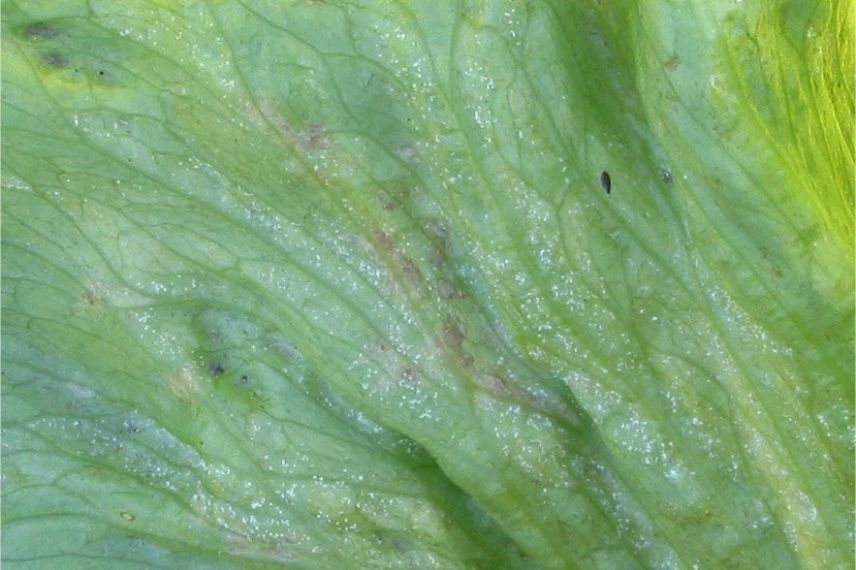
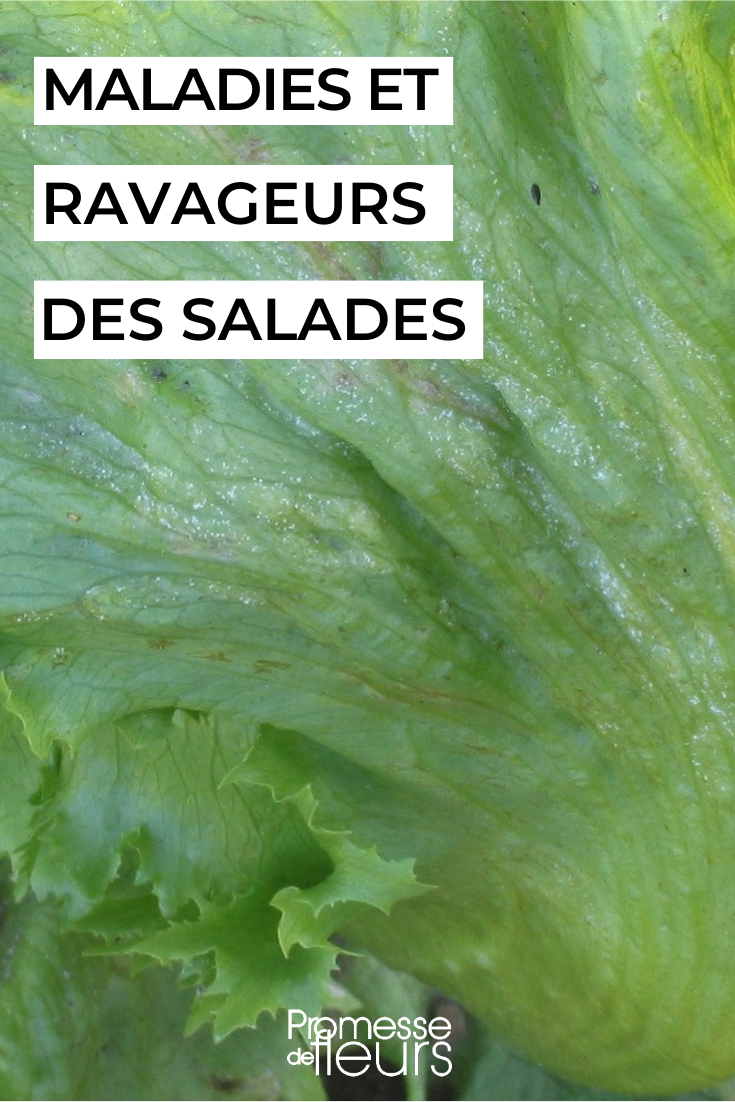
This is certainly one of the most feared diseases affecting salads, whether grown in open ground or under glass, as it often causes significant damage. The downy mildew caused by the fungus Bremia lactucae primarily develops during humid and rainy summers, with cool temperatures at night and during the day. This disease affects all types of salads, except for the less susceptible curly chicories.
The disease is detected by light green to yellow spots, bordered by discoloured veins, on the upper side of the leaves, which become necrotic. A white, powdery fluff appears on the underside of the leaves. The fungus overwinters in crop debris.
Treatments:
- Remove affected leaves, or even the entire plant
Prevention:
Protection against downy mildew is primarily preventive:
- Carefully remove crop debris
- Avoid excess moisture, especially under glass, and refrain from overhead watering
- Ensure good air circulation by spacing salad plants adequately
- Reduce nitrogen fertiliser applications
- Implement a crop rotation of at least 3 years, especially if downy mildew has appeared in previous years
Grey Mould or Botrytis
Grey mould is a fungal disease caused by the fungus Botrytis cinerea that primarily affects lettuces and chicories. It is often linked to poor growing conditions, with high humidity, affecting fragile or damaged salads. This disease can appear year-round, from germination to harvest of the salads. The fungus can survive for 5 years in crop debris, on cultivated plants, or on weeds, or in the soil.
It is noticeable by the grey fluff that appears, often on the neck. This soft rot causes reddish-brown lesions. The leaves wilt, and the salad may die.
Treatment
Control is very difficult, if not impossible, so preventive measures should be prioritised.
Prevention:
- Ensure good air circulation by not planting too closely
- Avoid excessive and nitrogen-rich fertilisation
- Carefully remove crop debris
- Pull up and destroy affected plants
- Manage watering by avoiding water applications in the evening
- Be careful not to damage plants during cultural work (hoeing, weeding)
- Practice a crop rotation of at least 5 years on affected plots
For more information: Botrytis or Grey Mould
Anthracnose
Anthracnose, caused by the fungus Microdochium panattonianum (syn. Marssonina panattoniana), primarily affects lettuces. Brown necrotic spots, bordered by yellow, appear on the leaves closest to the ground. The centre of the spot perforates. Anthracnose develops in high humidity coupled with mild temperatures (around 20 °C). It is exacerbated by the presence of fog or dew.
The fungus survives in crop debris or in seeds. The disease spreads mainly through splashes from rain or irrigation.
For more information: Anthracnose
Treatment
- Quickly remove affected leaves or the entire plant and destroy it
Prevention:
- Ensure good air circulation by spacing plants during planting
- Carefully clean up crop debris
- Water without wetting the foliage and plant in well-drained soil
- Avoid excessive nitrogen applications
- Practice a 3-year crop rotation on affected plots
- Carefully remove adventive plants
- Use perfectly healthy seeds
Salad Sclerotinia
This disease, caused by the fungus Sclerotinia, attacks the lower leaves of salads and then the neck. Damage is most visible during the formation of heads. Salads wilt and can be pulled out easily. A white, cottony mycelium and black sclerotia are visible on the neck.
The disease is favoured by high humidity and elevated temperatures. This disease is exacerbated by repeated cultivation of salads in the same location. The sclerotia can remain in the soil for at least 5 years.
Treatment
- Remove and destroy affected salads and all other plants bearing sclerotia
Prevention is key:
- Practice strict crop rotation, especially with non-host plants like Allium
- Encourage good air circulation
- Remove adventive plants, avoid overhead watering, and water in the morning to prevent excessive humidity
- Make a preventive spray of horsetail decoction
Brown Root Rot of Salad
This disease, caused by the fungus Rhizoctonia solani, primarily develops during rainy springs and summers. Reddish lesions are visible on the veins of the leaves closest to the ground of nearly mature salads. The fungus can survive for a long time in the soil in the form of sclerotia. Butterhead lettuces are the most affected by this disease, while romaine or early lettuces are somewhat less affected.
Prevention:
- Encourage rapid and vigorous growth of salads
- Avoid planting too early or too deeply, especially in wet and heavy soils
- Respect crop rotation
- Avoid excessive humidity by limiting watering during the day
- Carefully remove plant debris and diseased plants
Read also
Succeeding in growing saladsInvisible pests of salads
Certain enemies of salad lurk in the soil, leaving us to lament the damage they cause.
The wireworm
These small beetles, or rather their larvae, are yellowish-brown and live in the soil. They feed on the roots of salads, which slows their growth and causes them to wither almost suddenly.
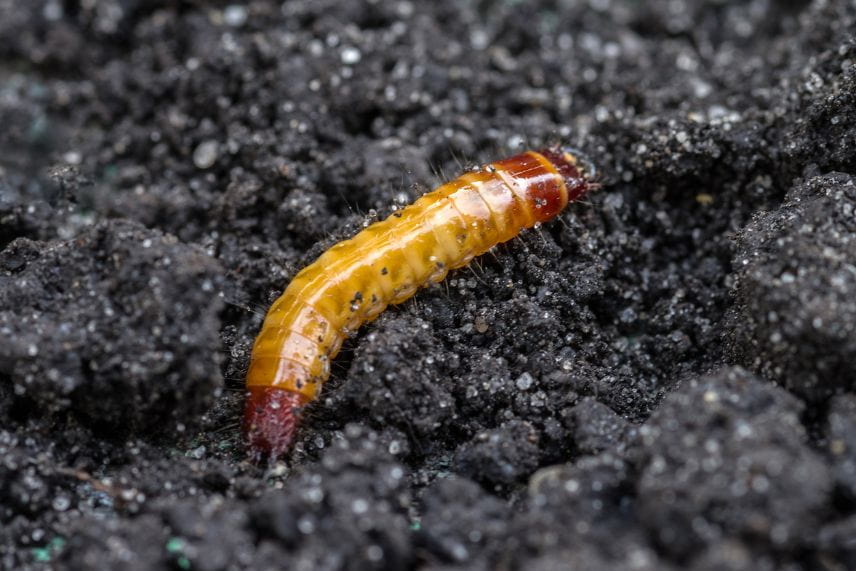 The wireworm
Once again, prevention is better than cure:
- Implement strict crop rotation
- Regularly aerate the soil with a fork, hoe, or cultivator, as wireworms prefer compact soils
- Apply lime once a year
- Spray fern manure on the soil
- Set traps using slices of potato buried in the soil
- Let your chickens roam in the vegetable garden during winter
There are also planting bags to protect salads from wireworms. Additionally, nematodes and pheromone traps can be quite effective.
Soil-dwelling and defoliating cutworms
Cutworms are caterpillars whose very young larvae nibble on the leaves and then the collar of salads. They operate at night and hide in the soil during the day. They are often identifiable by the dark droppings they leave behind.
Prevention is key:
- Adhere to crop rotation
- Remove crop debris that may harbour overwintering larvae
- Eliminate adventive plants like plantain, bindweed, and dock where cutworms lay their eggs
- Set up trap shelters like boards or tiles to facilitate manual collection in the morning
The chafer grub
It is primarily the larva of the chafer, known as the white grub, that poses a threat, as it develops in the soil for 2 to 3 years. They gnaw on the roots of salads, causing them to wilt and die.
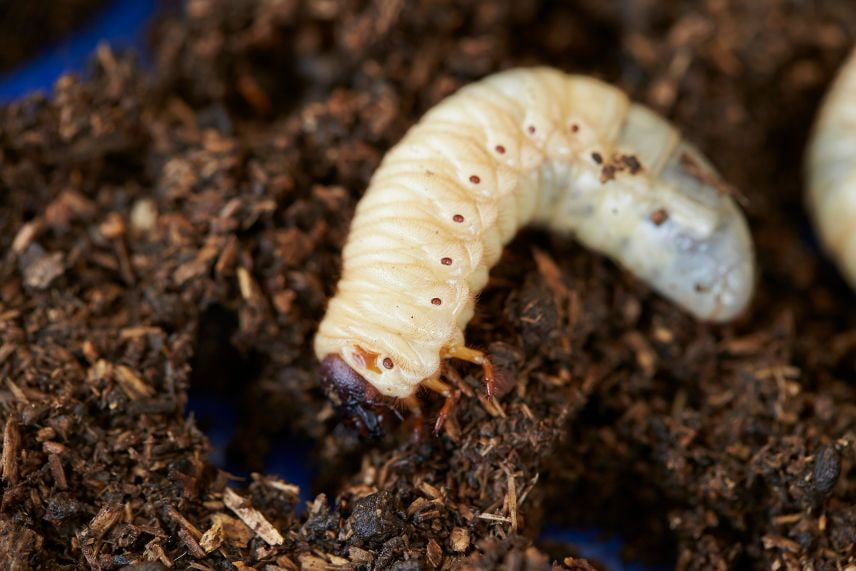 The chafer larva
How to eliminate these larvae:
- Perform deep digging in autumn, or just hoeing or raking
- Let your chickens roam in the vegetable garden during winter
To learn more: Chafer: identification, damage, and control methods
Ground pests of salads
Pests are numerous when it comes to enjoying salads. Some are quite visible and, importantly, very predictable as they recur year after year.
Slugs and Snails
The grey slug and snails can cause significant damage to salads. Nocturnal, they feast on the leaves. They are particularly formidable at the start of the growing season and appear as soon as the thermometer reaches 10 °C.
Ingrid B. reveals to you 7 ways to fight slugs effectively and naturally.
However, the most effective methods lie in slug barriers made from clay or lava, or the installation of trap shelters (tiles, corrugated cardboard) that facilitate hand collection. Similarly, removing plant debris helps avoid attracting slugs.
Aerial Aphids
Not harmful in themselves, aphids are bothersome for the aesthetic and taste quality of the salad. They can also cause viral diseases.
It is, of course, possible to use a natural curative treatment to get rid of aphids, but it is preferable to encourage the predatory auxiliary fauna (ladybirds, hoverflies, lacewings) by planting hedges, melliferous plants, and flowering meadows near the vegetable garden.
Feel free to consult Virginie D’s article: Aphids, identification and treatment, our tips for fighting naturally and effectively.
- Subscribe!
- Contents
Comments