





























Diseases and pests of Cytisus
Identification and natural remedies
Contents
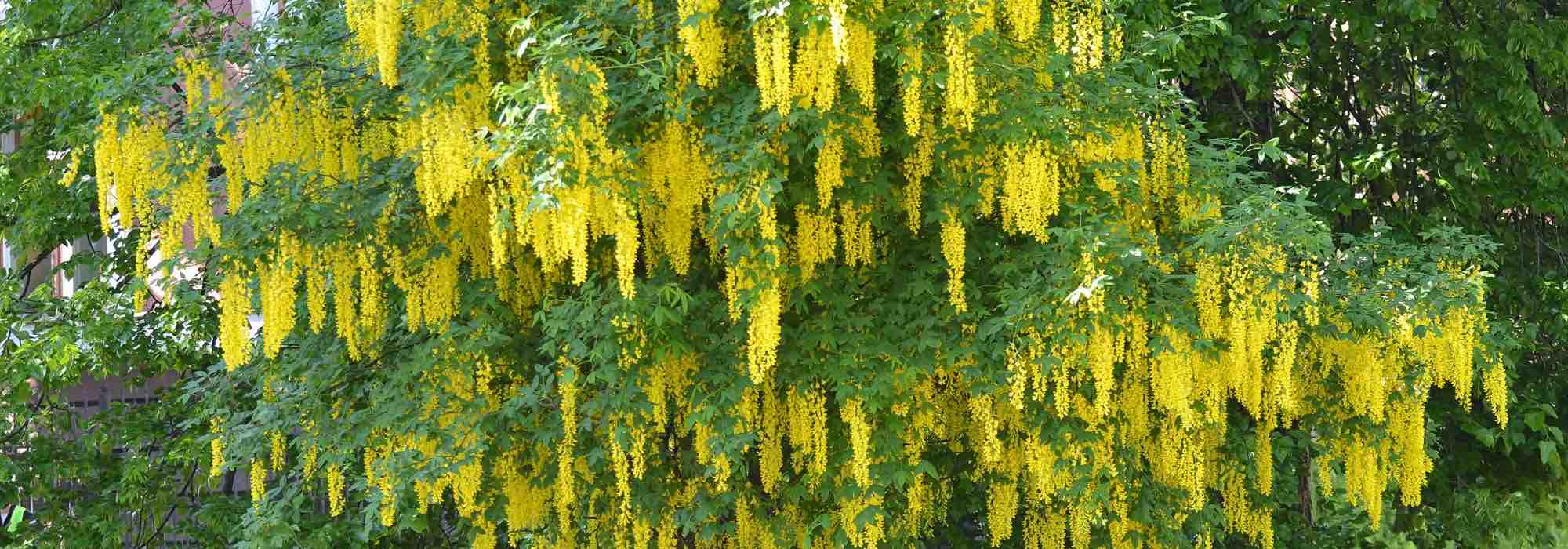
Laburnum, is a large shrub of the family Fabaceae or the legume family, which enchants the garden with its clusters of bright yellow flowers, a beautiful touch of vivid colour in spring. Not very prone to diseases, the laburnum can nevertheless be affected by some parasitic pests and by rust and powdery mildew, which can compromise its health and, above all, its beauty. It is therefore essential for gardeners to recognise the signs of distress in their tree. In this article, let us explore the most common diseases and parasitic pests that can affect the laburnum, provide advice to identify them quickly, strategies to prevent them effectively, and methods of natural treatment to control them while preserving the garden environment.
→ Read our guide on laburnum.

Rust on Cytisus
Rust is a fungal disease that can attack the laburnum, often appearing as orange or yellowish spore pustules on the leaves and stems, particularly during excessively wet springs. These unsightly symptoms are not just a visual nuisance; they can also weaken the tree and reduce its flowering.
Identify
The presence of rust on laburnum is relatively easy to identify. Gardeners should watch for the appearance of small rust‑coloured spots or pustules on the underside of the leaves. These spots can eventually spread to the upper surface, causing generalised yellowing and premature leaf drop.
Prevent
It is essential to maintain good air circulation around the tree and to avoid overwatering, which can increase humidity. The use of clean mulch and the removal of plant debris can limit the spread of fungal spores.
Treat naturally
When rust is detected, it is preferable to use natural treatment methods to avoid harming the environment. Removing and destroying the infected parts of the laburnum can help reduce the fungal load. Sprays of Bordeaux mixture, a natural copper‑based fungicide, can be applied as a treatment for the disease. Nettle infusions or horsetail, known for their fungicidal properties, can also be used as a preventive treatment or at the first sign of infection.
→ Read Virginie’s article to learn all about rust.
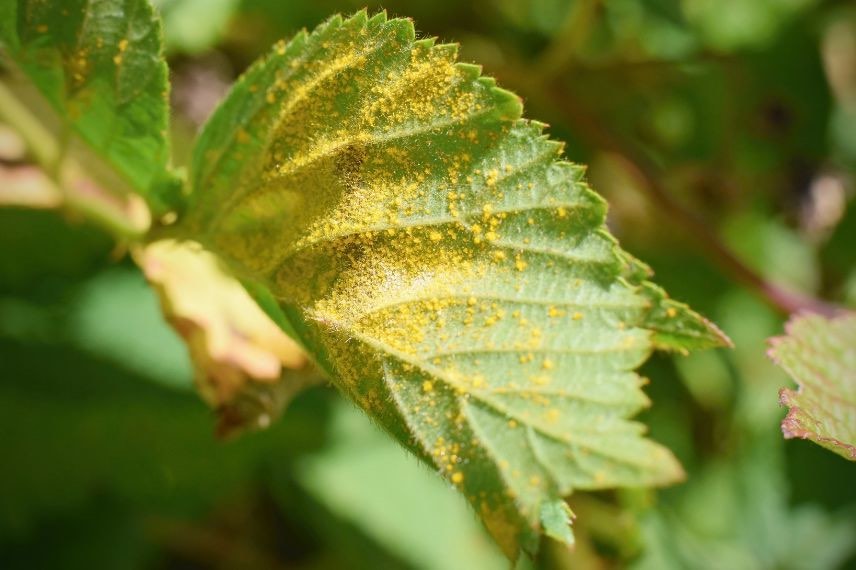
Symptoms of rust on the leaves
Read also
Pairing ideas with CytisusAphids
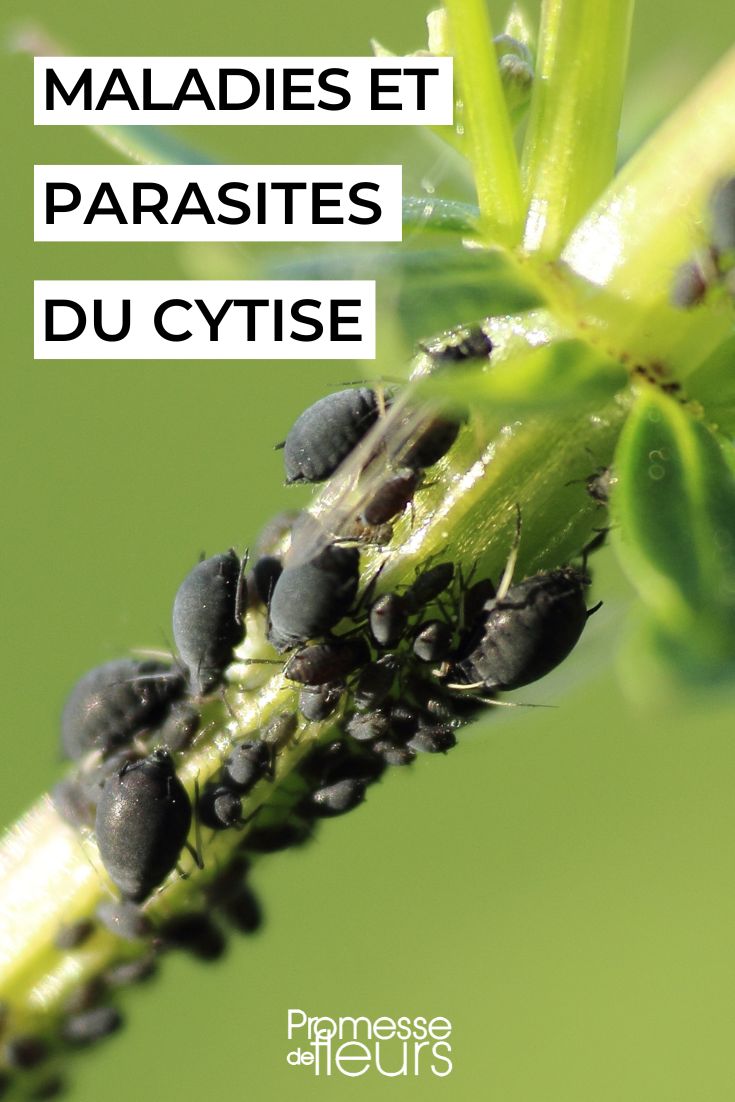
Aphids are common parasitic pests that can attack brooms, sucking the sap from young shoots and leaves. This infestation can weaken the plant, cause leaf curling and compromise flowering. In addition, aphids secrete a sticky substance called honeydew, which can encourage the development of sooty mould, a blackish fungus.
Identify
Aphids are generally visible to the naked eye. They often gather on new growth and the undersides of leaves, forming dense colonies. Signs of an aphid attack include curling leaves, an overall weakening of the plant, and the presence of honeydew on the leaves and stems. Regular inspection of brooms, particularly in spring, can help detect these parasitic pests early.
Prevent
To prevent aphid infestation, it is recommended to promote biodiversity in the garden. The presence of beneficial insects such as ladybirds, lacewings and hoverflies, which are natural predators of aphids, can be encouraged by planting flowers attractive to these auxiliaries. Avoid using excess nitrogenous fertilisers, as they can induce ‘tender’ growth in plants, attracting more aphids.
Treat naturally
In case of infestation, several natural solutions can be employed. A strong jet of water can first be used to physically dislodge aphids from the plants. The application of organic insecticidal soap, which can be homemade by mixing black soap with water, is an effective treatment. For more severe infestations, the use of specific nematodes can help control aphid populations without harming plants or the environment.
→ Read Virginie’s article to identify and treat aphids.
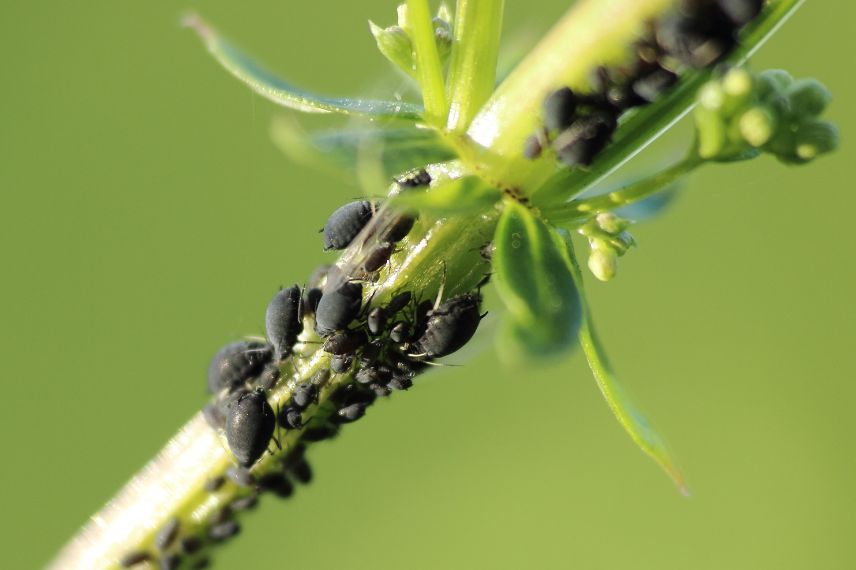
Aphids are a common parasitic pest in the garden
The leaf miner
Agromyza sp is a leaf-mining fly, a host-specific parasitic species that targets broom, causing aesthetic and sometimes physical damage to the tree, particularly in June–July and in September. The leaf-miner larvae tunnel through the leaves. It is unsightly, but not very harmful to the tree.
Identify
Damage caused by the leaf miner is characterised by whitish or brown winding marks on the leaves, which are in fact the tunnels excavated by the larvae. These symptoms are often accompanied by desiccation and premature leaf drop. To identify a leaf-miner attack, examine the broom’s leaves for these galleries. A close inspection may reveal small larvae inside.
Prevent
Preventing leaf-miner attacks starts with good garden hygiene. It is crucial to collect and destroy fallen leaves that may harbour larvae or pupae. Avoiding severe pruning and excessive fertilisation can also help reduce the broom’s vulnerability to leaf-miner attacks, as these practices can encourage tender leaf growth that is more attractive to parasites.
Treat naturally
The only real thing to do is mechanical control: crush the larvae by pinching the affected leaves.
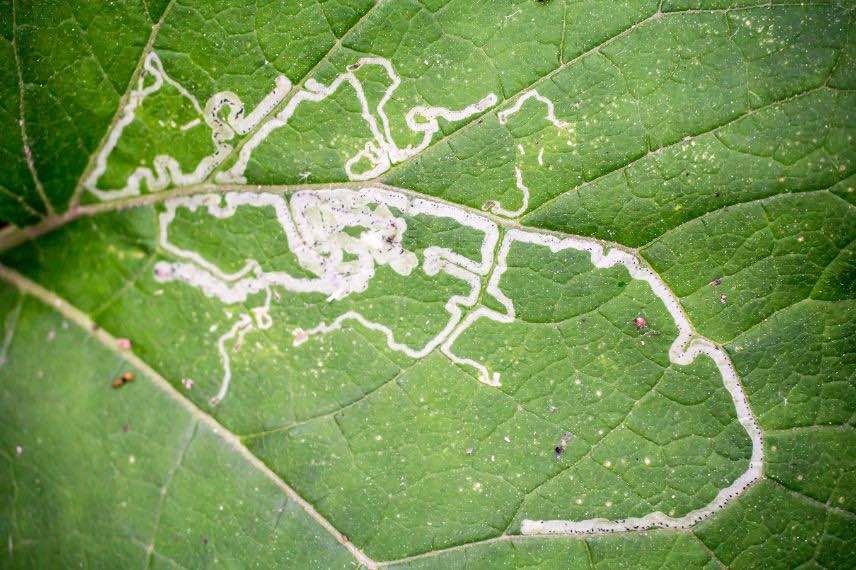
The tunnels in the lamina of leaves created by leaf-mining flies
Powdery mildew
Powdery mildew is a common fungal disease that appears as a white or greyish coating on the leaves and stems of the broom. This condition, often called “white disease”, can limit the photosynthesis of the leaves and weaken the plant.
Identify
Powdery mildew is easily recognised by its powdery mycelium that covers the leaves and sometimes the young shoots. Affected leaves may become distorted, dry out and fall prematurely, affecting the plant’s overall vigour and its ability to flower. Gardeners should be vigilant, especially during periods of drought followed by high humidity, which favour the development of powdery mildew.
Prevent
To prevent powdery mildew, it is essential to maintain sufficient space between plants for good air circulation. Watering should be done at soil level to avoid moisture on the foliage, which can encourage fungal growth. Avoid excessive nitrogen fertilisers.
Treat naturally
To treat powdery mildew, gardeners can apply natural fungicides such as sulphur or sodium bicarbonate diluted in water. These treatments should be applied at the first signs of the disease to be effective. Regular sprays of diluted milk can also help prevent and control powdery mildew, thanks to the fungistatic properties of milk.
→ For more information, read Virginie’s article on powdery mildew.
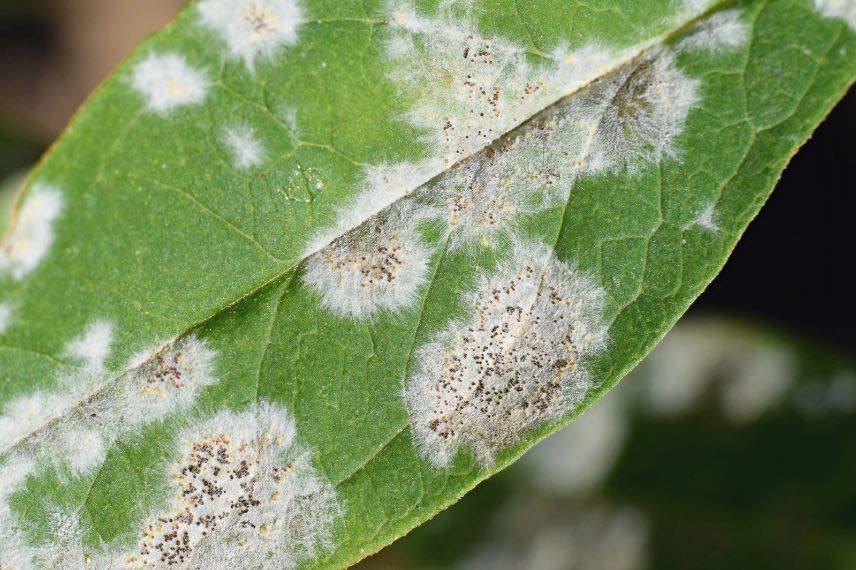
The characteristic white felt-like coating of powdery mildew
Slugs and snails
Finally, in spring and on young trees, slugs and snails sometimes nibble a little at the foliage, with no consequences for the tree’s health.
- Subscribe!
- Contents
Comments