





























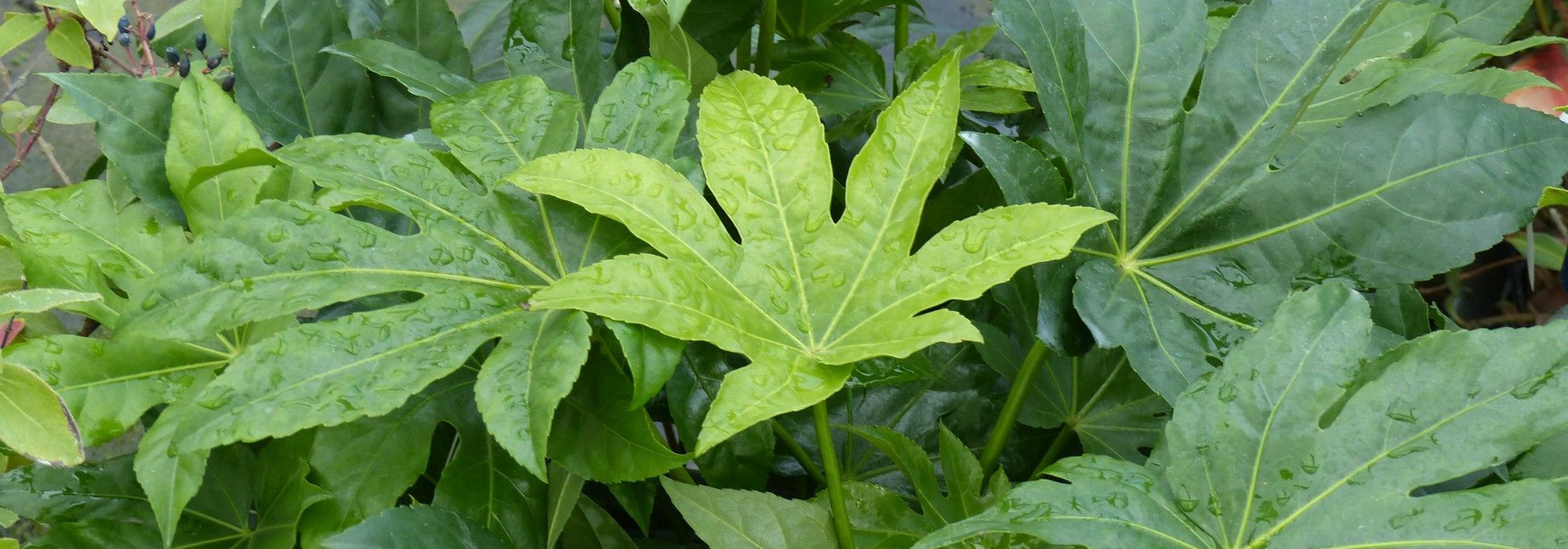
Diseases and parasitic pests of Fatsia or Japanese aralia
Identify, prevent, treat
Contents
Fatsia, or Japanese Aralia, is a plant prized for its large palmately lobed leaves and its adaptability, indoors or outdoors. However, like any plant, it may encounter problems related to diseases, parasitic issues, or unsuitable growing conditions. Symptoms such as yellowing of the leaves, dry edges, or the plant softening are warning signs not to be overlooked. In this article, discover our simple and effective tips and solutions to preserve the health and vitality of your Fatsia throughout the year.

The most common parasitic pests on Fatsia
Fatsia is a hardy plant, but it is vulnerable to several types of pests, especially when grown in enclosed environments such as a greenhouse, conservatory or indoors. These places often provide ideal conditions for pests: heat, stable humidity and few natural predators.
Mealybugs
Mealybugs are pests that attach themselves to the stems and the undersides of leaves. They appear as small brown or white waxy shells, or as cottony masses for mealybugs. They suck the plant’s sap, weakening the Fatsia and can slow its growth.
Signs of infestation
- Whitish or brownish masses on the stems and leaves.
- Sticky residue on the leaves (honeydew), promoting the development of sooty mould (black mould).
Solutions
- Wipe the leaves and stems with a cloth dampened with 90% alcohol.
- Regularly inspect neighbouring plants to prevent spread.
→ Read our mealybugs article to learn more.
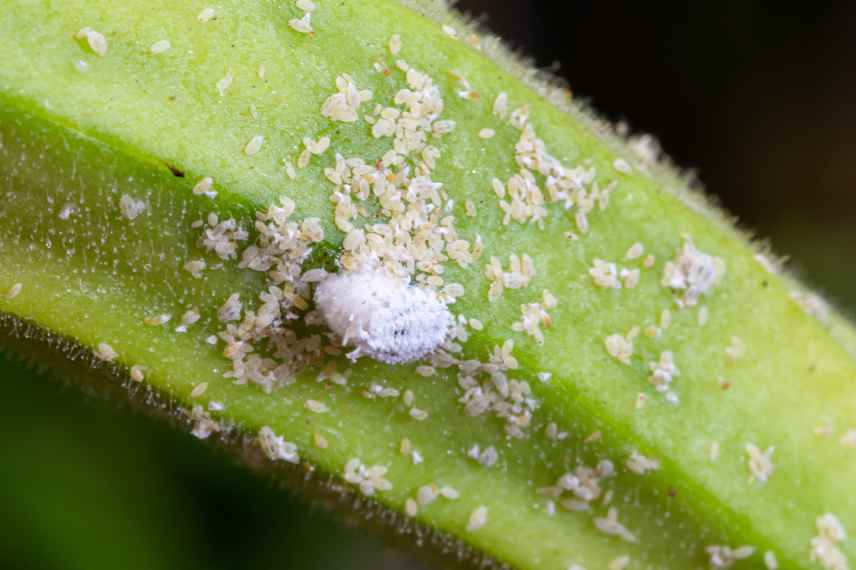
Mealybugs
Red Spider Mites
Red spider mites, also known as two-spotted spider mites, are microscopic pests that thrive in dry, warm environments. They feed on the leaf sap, weakening the plant overall.
Signs of infestation
- Small yellow or discoloured spots on the leaves.
- Appearance of fine spider webs under the leaves or between the stems.
Solutions
- Increase humidity around the plant by regularly misting the foliage with water.
- W ash the leaves with soapy water to remove visible pests.
→ Read our red spider mite article for more information.
Aphids
Aphids are small green, black or yellow insects that cluster on new shoots and tender leaves. They also feed on the plant’s sap, causing general weakening.
Signs of infestation
- Leaves curled or deformed.
- Presence of a sticky liquid (honeydew) that attracts ants.
Solutions
- Crush aphids manually if the infestation is light; otherwise knock them off with a jet of water.
- Spray with a soapy water solution using a mixture of black soap and water.
- Encourage the presence of natural predators such as ladybirds in outdoor environments.
→ Read our aphids article for our treatment tips.
Thrips
Thrips are tiny elongated insects that feed on the leaf cell contents. Their presence causes discolouration and deformities.
Signs of infestation
- Silvered or discoloured patches on the leaves.
- Leaf deformities, sometimes accompanied by small scars.
Solutions
- Use blue or yellow sticky traps to monitor and capture thrips.
- Use natural enemies.
- Apply a natural pyrethrum-based treatment if the infestation persists.
→ Read our thrips article for full details.
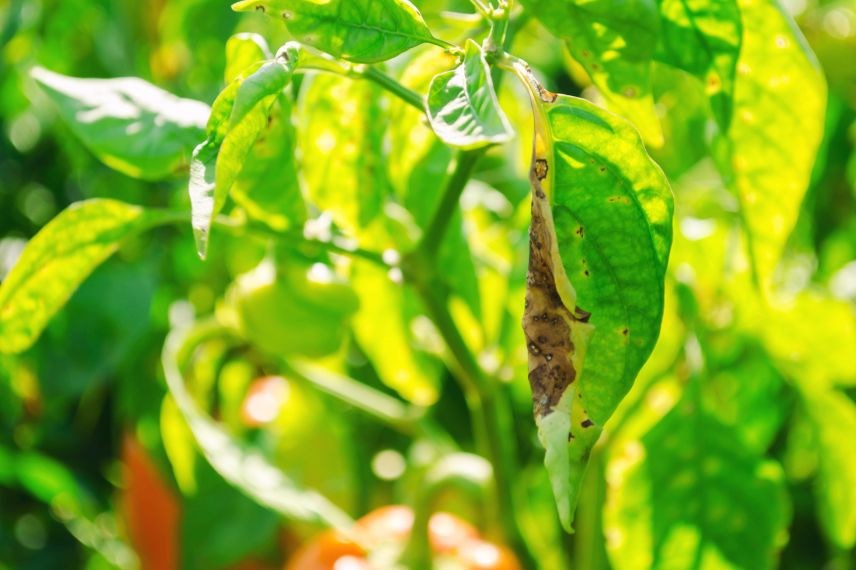
Thrips damage on leaves: discolouration and brown patches
Whiteflies
Whiteflies are tiny winged insects that feed on plant sap. When touching infested leaves, these small insects fly away, making them easy to identify.
Signs of infestation
- Small white flies on or under the leaves.
- Sticky residue (honeydew) on the leaves, often accompanied by sooty mould.
Solutions
- Spray a solution of washing-up liquid and oil on the foliage to kill the larvae and deter the adults.
- Place yellow sticky traps around the plant.
→ Read our whiteflies article for more information.
General prevention tips
- Regularly inspect your plant: especially the undersides of leaves, where pests frequently hide.
- Maintain a balanced environment: moderate humidity, adequate ventilation and suitable light.
- Avoid over-fertilisers: they promote rapid, tender growth, attracting pests.
Environmental causes
Fatsia develops large leaves that can be sensitive to variations in their environment.
Cold winds
Cold winds are problematic for Fatsia outdoors, particularly in winter or early spring. The leaves and young shoots are very sensitive to cold drafts. They can blacken and drop prematurely.
To prevent this, it is essential to place the Fatsia in a sheltered spot, such as against a wall or in a protected corner of the garden.
Low temperatures in winter
Even without mentioning frosts or the plant’s hardiness, cold winter temperatures can adversely affect leaves. If you notice leaves turning yellow in winter, that’s probably down to the cold.
Summer drought
In summer, yellowing of the leaves is a sign that the Fatsia is suffering from drought. This is often exacerbated by excessive heat and a lack of regular watering. When temperatures rise, the soil dries quickly, which can stress the plant, especially if it is in a pot.
Water regularly, ensuring the substrate stays slightly damp, not overly wet. Mist the foliage with soft water to increase the ambient humidity.
Overexposure to the sun
Fatsia prefers indirect light, with partial shade. Overexposure to the sun can cause irreversible damage to the foliage, even for indoor plants. When a Fatsia receives too much direct light, brown or yellow spots appear on the leaves, indicating burns. This can also lead to progressive discolouration of the variegated markings. If the plant is in a pot, move it further into shade, or even completely into shade during hot spells in summer. Indoors, it is recommended to keep it away from south-facing windows or filter the light with a curtain.
Lack of light
Conversely, a lack of light can also pose a problem, especially if the plant is grown indoors. When the Fatsia does not receive sufficient light, its leaves pale, signalling the problem. Growth may slow, and the leaves become smaller and fewer in number. To remedy this, it is often enough to move the plant closer to a natural light source, such as a window facing east or west. If this is not possible, using a horticultural lamp can help provide the light needed for its development.
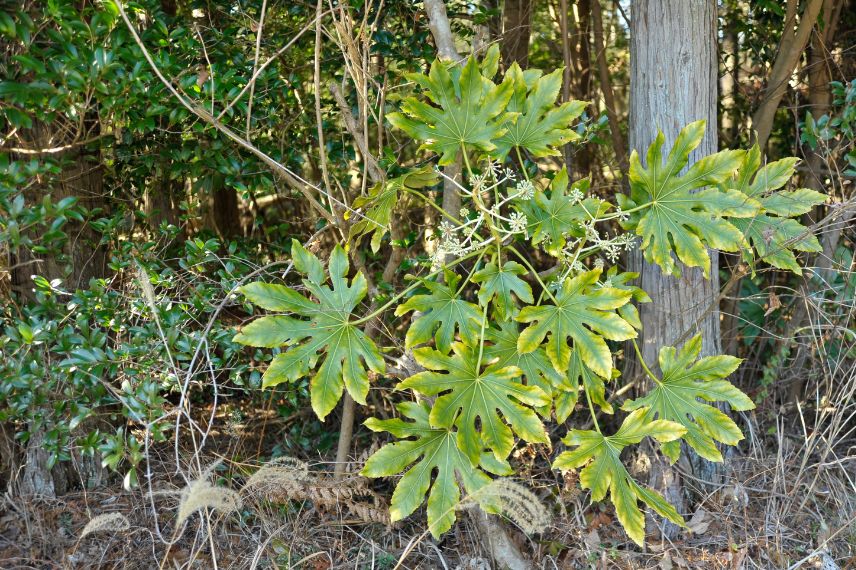
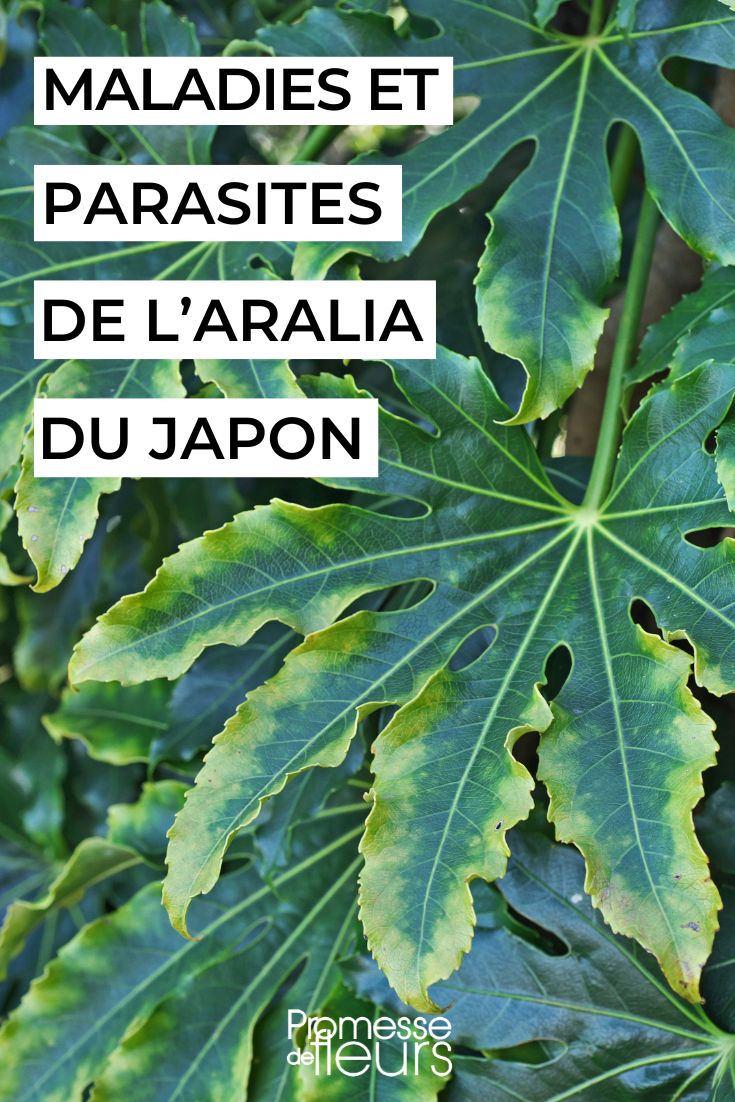
Yellowing leaves can be the symptom of several environmental causes; the situation can help you identify them
Humidity and watering issues
Fatsia, like many plants, is sensitive to too much or too little water. Improper watering or insufficient humidity can trigger a range of symptoms that affect its appearance and overall well-being.
If you notice the edges of the Fatsia leaves starting to dry out and turning brown, this is often due to a lack of water or humidity in the air. This problem commonly occurs in winter for indoor plants, when the air becomes drier due to heating, or in summer, during periods of high heat. To remedy this, it is important to ensure the soil does not dry out completely between waterings. Do not hesitate to mist the foliage with soft water or, if you are growing the plant indoors, use an air humidifier.
Conversely, when the plant receives too much water, its leaves yellow, and they may appear soft or wilted. This is often due to a poorly drained substrate or watering too frequently. In these conditions, the roots may rot, compromising the plant’s health. To avoid this, ensure that the pot has drainage holes and that the substrate used is well-aerated. If you suspect excess water, check the state of the roots. The rotten parts should be cut away with disinfected scissors, and the plant should be repotted into fresh, well-draining soil. Once these measures are taken, space out the watering and wait for the surface of the soil to dry slightly before watering again.
Also check that the yellowing or soft leaves are not due to a parasitic infestation. Inspect carefully the undersides of the leaves and the bases of the stems for signs of insects or sticky secretions.
- Subscribe!
- Contents
Comments