





























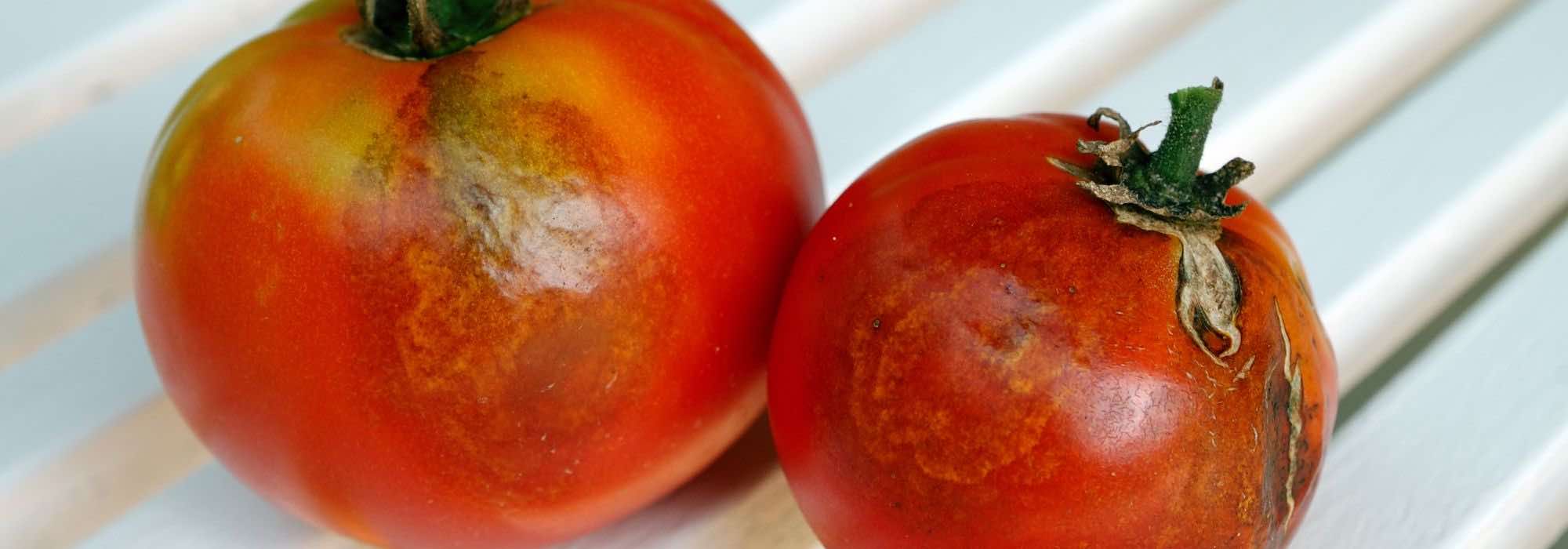
After downy mildew, how to naturally sanitise the kitchen garden?
our tips after a blight attack on your tomatoes
Contents
Blight is one of the most dreaded diseases in vegetable gardens, particularly for tomato plants. This fungal disease, caused by Phytophthora infestans, can cause significant damage, reducing harvests and compromising plant health, potentially leading to the death of the young plants. It also risks contaminating future young plants in subsequent years, as blight spores persist in the soil. Here are practical tips for sanitising the vegetable garden after a blight attack, using natural methods. After a few reminders on how to detect and combat this disease using natural and ecological methods, we offer recommendations to prevent a future blight attack in your vegetable garden.
→ Listen to our podcast:
“`html
“`
Downy mildew
Downy mildew is a fungal disease that develops in conditions of high humidity (rain or atmospheric moisture) and moderate temperatures (between 16 and 22° C). Fungal spores spread rapidly and can infect tomato plants, starting with the leaves, then the stems and fruits. The first signs of downy mildew on tomatoes often appear as brownish spots on the leaves, somewhat oily in appearance, which spread quickly and cause wilting of the leaves. They enlarge and turn blackish, affecting the stems and then the fruits. The fruits show dark spots and deteriorate rapidly, rotting on the vine. If nothing is done to control downy mildew, the plants can die prematurely, leading to significant losses in the vegetable garden.
→ To learn more about downy mildew, you can read our article Downy Mildew: Identification, Treatment, Prevention.
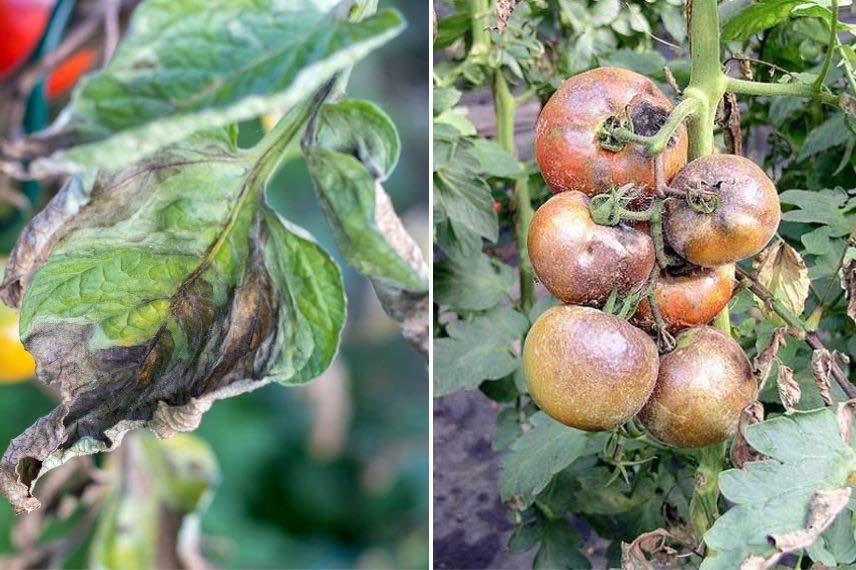
Downy mildew first attacks the leaves and stems before appearing on the fruits
Identify an infection and take action
To detect a downy mildew infection on tomatoes, it is important to regularly inspect the plants. Look for brownish spots on the leaves, particularly on the undersides. These spots can develop quickly and take on a fuzzy texture. Affected leaves may discolour and curl. Also monitor the fruits for dark spots and accelerated degradation. If you notice these symptoms, it is essential to act quickly to prevent the spread of the infection. It is best to take action at the first signs on the leaves, before the fruits are affected by the downy mildew attack.
Be aware that there is no effective natural treatment for downy mildew once it is present on your tomato plants. However, if you spot the disease early, remove all infected leaves before the infection spreads. Do not leave them on the ground, do not compost them: burn them.
Follow up with a spray of Bordeaux mixture or bicarbonate. These two measures aim to slow down attacks to delay the spread of the disease and allow you to enjoy the fruits. This does not stop the disease, but it can delay it sufficiently to give the fruits time to ripen and yield a harvest.
Sanitising the vegetable garden after an attack and preparing for the next crops
After an attack, it is essential to take measures to sanitise the vegetable garden, as downy mildew spores can persist in the soil for several years. Therefore, if you cannot stop the disease on a harvest, it is in your best interest to act afterwards to avoid suffering an attack the following year. Moreover, as always, prevention is better than cure. Without effective treatment against downy mildew, it is particularly important for tomatoes, which are often affected by this fungal disease, to adopt preventive measures.
The primary aim is to combat humidity. Follow these tips to naturally sanitise your vegetable garden after a downy mildew attack and minimise the risk of another infestation:
- Removal of infected plant debris: remove and destroy all plants infected with downy mildew, including leaves, stems, and fruits. Do not compost them, as this could spread the disease.
- Crop rotation: practice crop rotation by moving tomato plants to a new area of the garden each year. This helps disrupt the life cycle of downy mildew spores and reduces the risk of infection. Do not plant other vegetables from the nightshade family in their place, such as potatoes, peppers, and aubergines. Wait five years before replanting a nightshade in the same spot. Make planting plans on paper or computer to remember where you have planted each year.
- If possible, consider growing your tomatoes under cover: in a greenhouse, under a tunnel, or under a tomato shelter. This is the best way to avoid rain. If you can simply install a roof over your tomato plants, you will significantly reduce the risks. So get to your DIY projects or installations!
- Choosing resistant varieties: opt for tomato varieties resistant to downy mildew. These varieties are specially developed to withstand infection and offer additional protection in your garden. Few varieties are truly resistant, but some are worth noting as they still provide some level of protection against downy mildew. These can be modern, F1 hybrid varieties developed for this purpose or heirloom varieties, such as Rose de Berne. The most well-known hybrid tomato for its resistance to downy mildew is ‘Honey Moon F1’ tomato. You may have noticed that some varieties in your garden are not attacked, or are less affected. Make sure to note their names, as they are valuable!
- In the same vein, try varieties you have never planted before, and grow several varieties. Not only do you diversify your enjoyment and create the most beautiful tomato salad with different colours and shapes, but you may also be pleasantly surprised to discover that some varieties are not attacked.
- Drying the soil before planting: allow the soil to dry before planting tomato plants. Downy mildew develops more easily in moist soil, so by letting the soil dry out, you reduce the risk of infection.
- To obtain strong tomato plants, it is best to sow your own tomatoes or choose small plants, still in their young stage, rather than overly large plants that have become leggy from spending too long in the nursery before planting. Harden off your young plants by regularly taking them outside to acclimatise before planting.
- Increasing spacing between plants: ensure you leave enough space between tomato plants to allow for better air circulation. This helps reduce humidity and prevent conditions favourable to downy mildew. Allow at least 60 cm between two tomato plants and ideally 1 m.
- If you are growing your tomatoes in a greenhouse or under a tunnel, open the doors and ventilate regularly to also allow for better air circulation.
- Using mulch to prevent the spread of spores: Apply a layer of organic mulch around the tomato plants. This helps prevent the spread of downy mildew spores from the soil when it rains or when you water.
- Proper watering: avoid watering the leaves of the tomatoes, as this promotes humidity and the spread of spores. Water directly at soil level, without a spray, or use a drip irrigation system. Never water by sprinkling.
- Using organic fungicides: opt for natural fungicides based on copper or potassium bicarbonate if you need to resort to them. They are effective in controlling downy mildew and are generally environmentally friendly, although Bordeaux mixture is not without impact on soils. As it is a widely used product, it generates an accumulation of copper in the soil, leading to toxicity for soil life: earthworms and beneficial fungi for humus formation.
- Monitor weather conditions: be attentive to weather forecasts, especially during periods of high humidity. Take preventive measures, such as applying natural fungicides, before conditions become favourable for downy mildew. If rain and average temperatures are forecast, you can spray Bordeaux mixture as a preventive measure, at a rate of once a week. Less well-known, other preventive solutions exist that do not have the same impact on soils as Bordeaux mixture. These include horsetail decoction and diluted baking soda.
- Horsetail decoction also helps to strengthen your plants. You can use it for this purpose.
By following these tips, you can reduce the risk of infection and protect your crops, optimising your chances of healthy and abundant harvests each year.
→ Read Ingrid’s article on watering tomatoes in the vegetable garden.
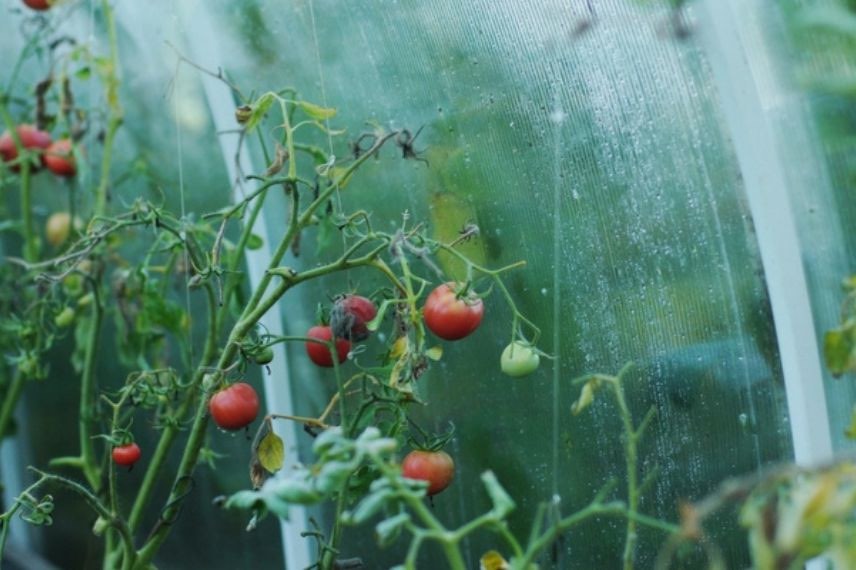
To protect tomatoes from humidity, grow them under cover
- Subscribe!
- Contents

Comments