





























9 medicinal plants to help you sleep better
Selection of plants for insomnia
Contents
When it comes to minor ailments, plants can sometimes be helpful. Based on valerian, passionflower, hops, lemon balm, lavender, lime tree… herbal teas or infusions, preferably organic, taken in the evening before bed, can thus help you relax and fall asleep more easily. Discover a selection of plants used in phytotherapy for their sedative or calming properties.
Valerian
Description
The Common Valerian is a perennial plant with corymbs of small pale pink flowers and adorned with aromatic leaves. It blooms from May to July and reaches a height of 1.20 metres.
Virtues
Common Valerian is attributed with sedative and calming properties. It is said to help combat nervousness and anxiety, as well as the sleep disorders that result from them.
Usage
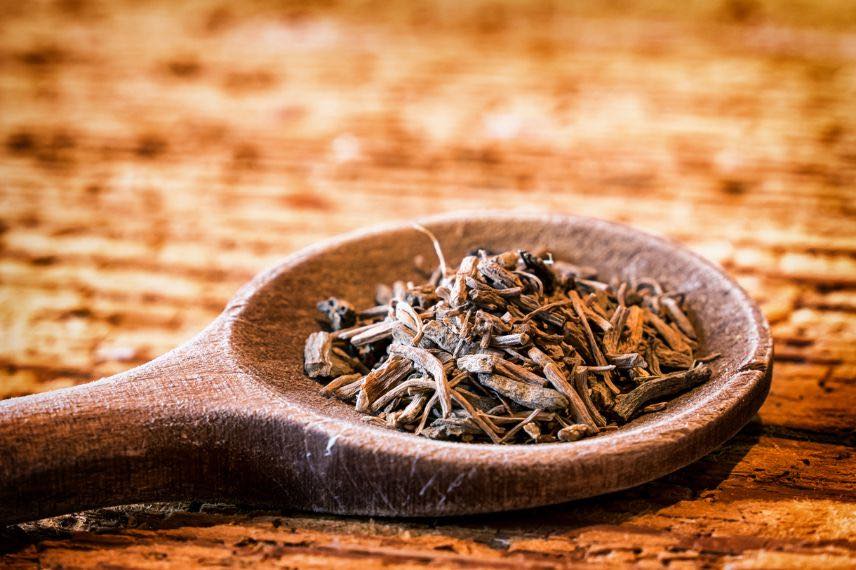
It is the rootstocks and roots of valerian that are used to aid sleep. They are dried and then ground into powder.
Culture
Valerian thrives in full sun or partial shade in well-drained soil. It enjoys woodlands and damp meadows. Very hardy, it self-seeds easily.
The passionflower or Passiflora incarnata
Description
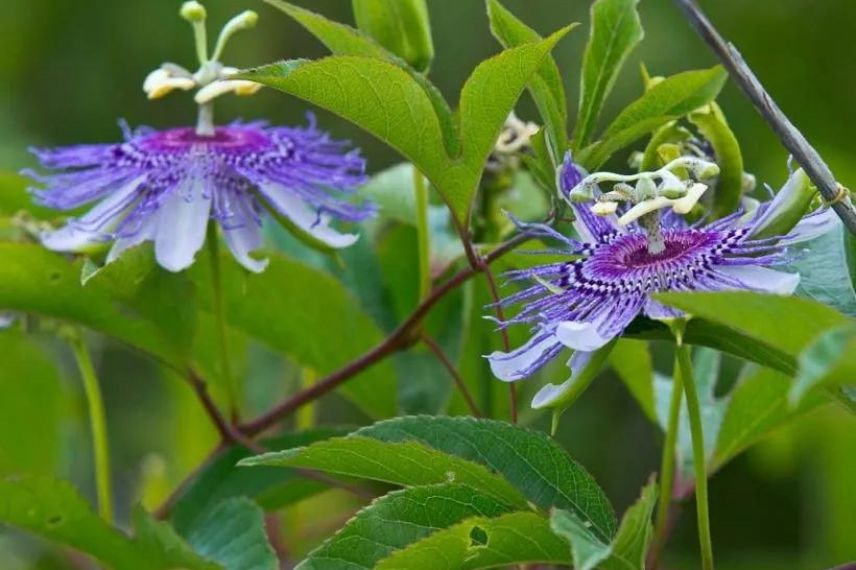
Passionflowers are not just pretty and decorative climbing plants. One of them, the common passionflower or Passiflora incarnata, is used in herbal medicine to combat sleep disorders. This plant can climb to a height of 3 to 4 metres. This botanical species produces lovely pale mauve flowers crowned with mauve filaments from July to December.
Virtues
The common passionflower is said to have calming properties against anxiety and sleep disorders.
Usage
It is the leaves and flowers that are dried and then used to make herbal teas. For more details, discover our article on Passionflower and its benefits.
Cultivation
The common passionflower is a plant that enjoys sun and warmth. It is hardy down to –10 to –12°C. It can be planted in the ground in regions with a mild climate and is grown in pots to be sheltered in very cold areas. It should be planted out of the wind, in deep, well-worked, well-drained soil, moist in summer and not too wet in winter.
Hops
Description
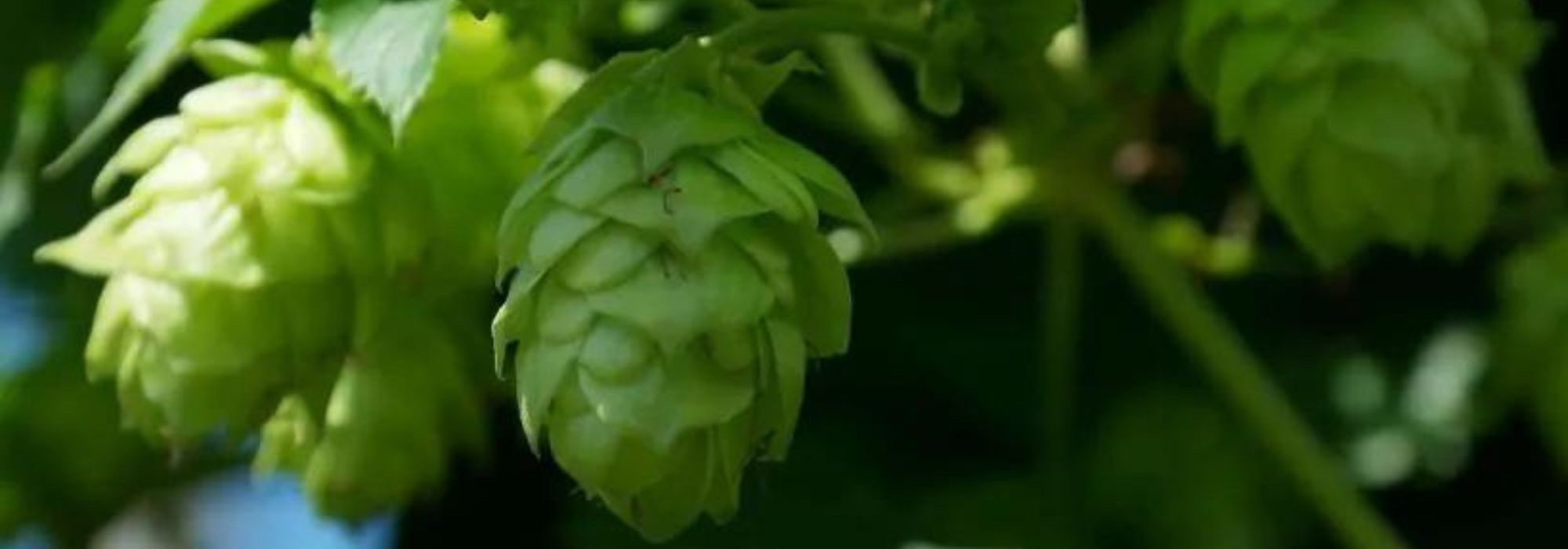
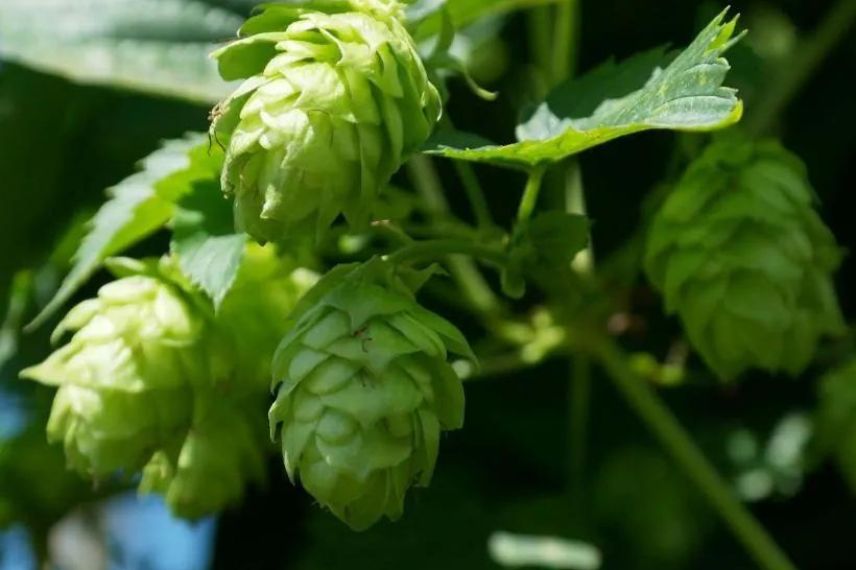
The hops is also a climbing plant that clings to all types of supports. It can climb up to a height of 6 metres. The female plant produces, between June and September, inflorescences that resemble aments before forming cones.
Virtues
Hops are said to have properties that help combat sleep disorders, stress, and nervous fatigue. They may also help treat hot flashes caused by menopause.
Usage
It is the dried inflorescences or cones of hops that are used to make herbal teas.
Cultivation
Hops is a very vigorous and hardy perennial. It thrives in rich, deep soil, preferably in partial shade.
Read also
7 medicinal plants for a beautiful skinLemon balm
Description
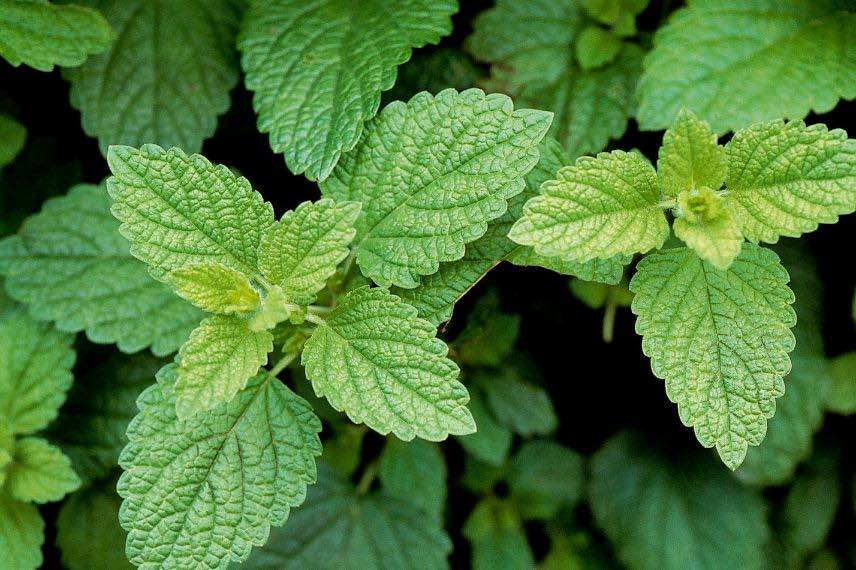
Lemon balm is a hardy perennial shrub that grows up to 80 cm tall. Its leaves are aromatic and release a lemony scent and flavour. Lemon balm is harvested from May to October.
Virtues
In addition to their digestive benefits, lemon balm leaves are considered soothing for the nervous system and may promote sleep.
Usage
The leaves of lemon balm are dried and then used either whole or crushed, in herbal teas and decoctions.
Cultivation
Lemon balm prefers cool, fertile, and light soils but adapts to any soil type. You can plant it in full sun or partial shade. Very hardy, lemon balm is easy to grow and can even become invasive.
Linden
Description
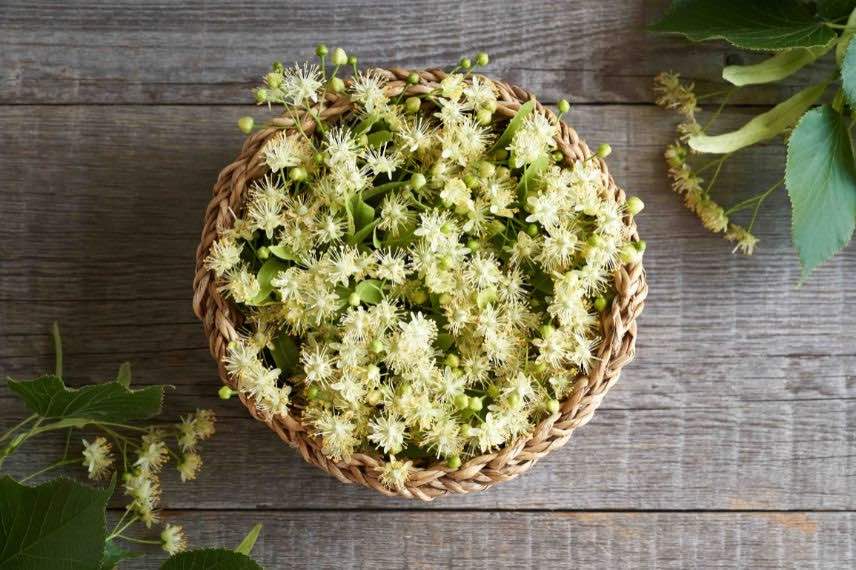
The lime tree is a tree known for its heart-shaped leaves and fragrant, melliferous flowers. It blooms in May and June, covering itself with pendulous clusters of pale greenish flowers. The lime tree can grow up to 15 metres tall.
Virtues
The flowers and bracts of the lime tree are used in phytotherapy for their relaxing benefits on the nervous system. They are also believed to have digestive properties.
Usage
The flowers and bracts of the lime tree are dried and used in herbal teas. For more details, discover our article on the benefits of lime tree.
Cultivation
Hardy down to -20°C, the lime tree is an easy-to-grow tree. It prefers rich, cool, chalky soils, as well as sunny exposures.
Verbena officinalis
Description
The common vervain or Verbena officinalis is a perennial aromatic plant with an upright and rounded habit. It produces a multitude of spikes of purple, melliferous flowers from June to October. It reaches 60 cm in height at ripeness.
Virtues
Common vervain is renowned for its soothing and digestive properties.
Usage
Its leaves are harvested from June to October and then dried to make herbal teas.
Cultivation
Common vervain thrives when planted in rich, well-drained, and cool soil, and in a sunny position. It is hardy down to -5°C and is easy to grow.
Lavender
Description
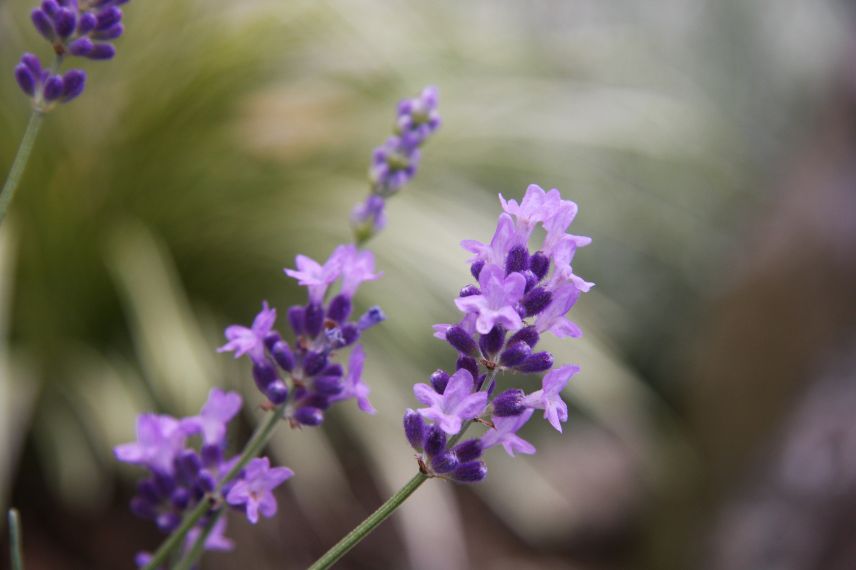
The common lavender or true lavender is a perennial shrub, whose scents evoke Provence. This aromatic plant bears pale mauve and fragrant flower spikes on grey-green foliage between June and August. Its flowers are melliferous. It forms a dense bush that can grow up to 60 cm in height.
Virtues
Common lavender is said to have numerous virtues according to phytotherapy, including calming, relaxing, and sedative properties, as well as anti-inflammatory and healing effects.
Usage
Lavender flowers are harvested between June and July and then dried before being used in herbal teas. For more details, discover our article on How to make lavender tea?
Cultivation
Lavender prefers poor, light, dry, and well-drained soil and a sunny exposure. Despite its Mediterranean origins, true lavender can be hardy down to –23 to –28°C and grows throughout France. In the coldest regions, it is cultivated in pots to protect it from frost in winter.
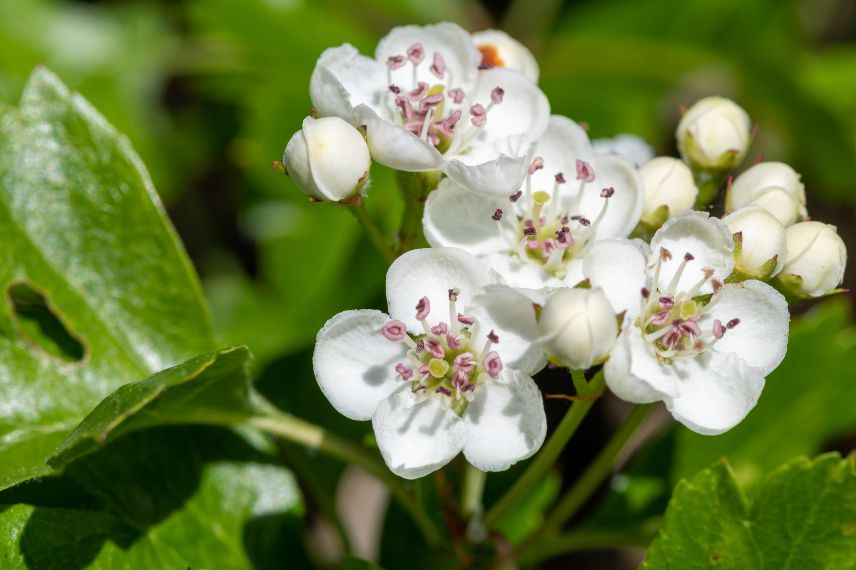
Hawthorn – Crataegus laevigata
Description
Hawthorn or Crataegus laevigata is a spiny tree with a rounded crown often used in country or defensive hedges. From April to June, it produces numerous white flowers followed by inedible red berries. It can reach a height of 6 metres at ripeness.
Virtues
Hawthorn – Crataegus laevigata is said to have sedative properties, as well as cardiac regulation and anti-spasmodic effects.
Usage
In phytotherapy, dried flowers are used in herbal teas and infusions to soothe nervousness and mild sleep disturbances.
Culture
Very easy to maintain, hawthorn thrives in any well-drained soil, in sunny or partially shaded situations. It is low-maintenance and hardy down to – 25°C.
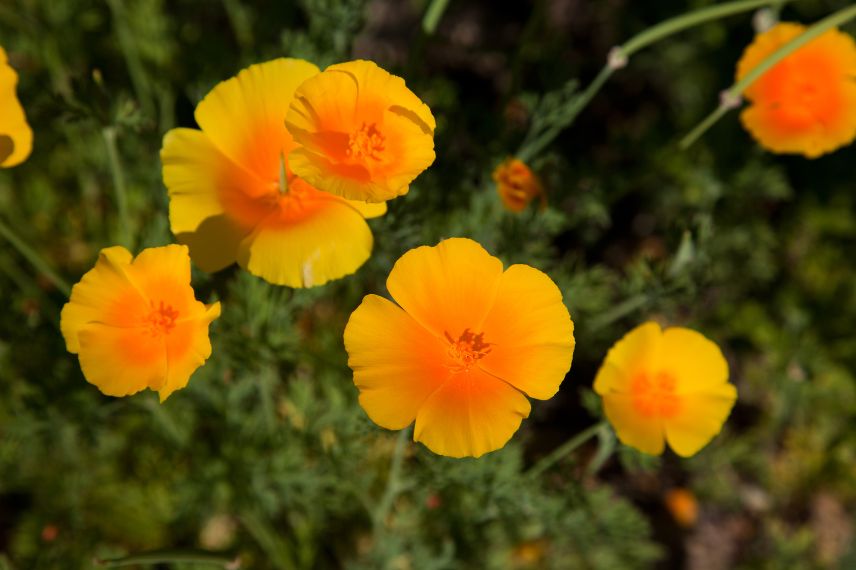
Eschscholzia californica or California poppy
Description
Native to California, the Eschscholzia californica or California poppy blooms in the form of a rounded corolla with 4 bright orange petals, from June to September.
Virtues
The California poppy is believed to have relaxing properties that may aid in falling asleep. It is thought to possess anxiolytic and anti-spasmodic properties.
Usage
It is the aerial parts of the California poppy that are used in phytotherapy. They can be consumed as an herbal tea.
Culture
Easy to cultivate, the California poppy is sown in well-drained soil, even poor soil, in full sun. Hardy, it self-seeds naturally.
For further reading
Many other plants are considered to have sedative properties or to aid relaxation and sleep. Among these, we can mention chamomile, orange blossom, poppy, St. John’s wort, and sweet woodruff. These are some herbal tea ideas to try if you have trouble succumbing to the charm of Morpheus!
Consuming organic plants is, of course, recommended. Before consuming herbal teas, it is also advisable to check for any contraindications and consult a healthcare professional.
- Subscribe!
- Contents
Comments