





























It is often believed that allowing wild herbs to grow at the base of fruit trees is detrimental to their growth, and that if they are not cut back frequently, all sorts of diseases may spread. On the contrary, it seems they offer more benefits than drawbacks, and while some may give a "neglected" look to the garden, many have been selected for years to be part of the composition of fallow and flowering meadows.
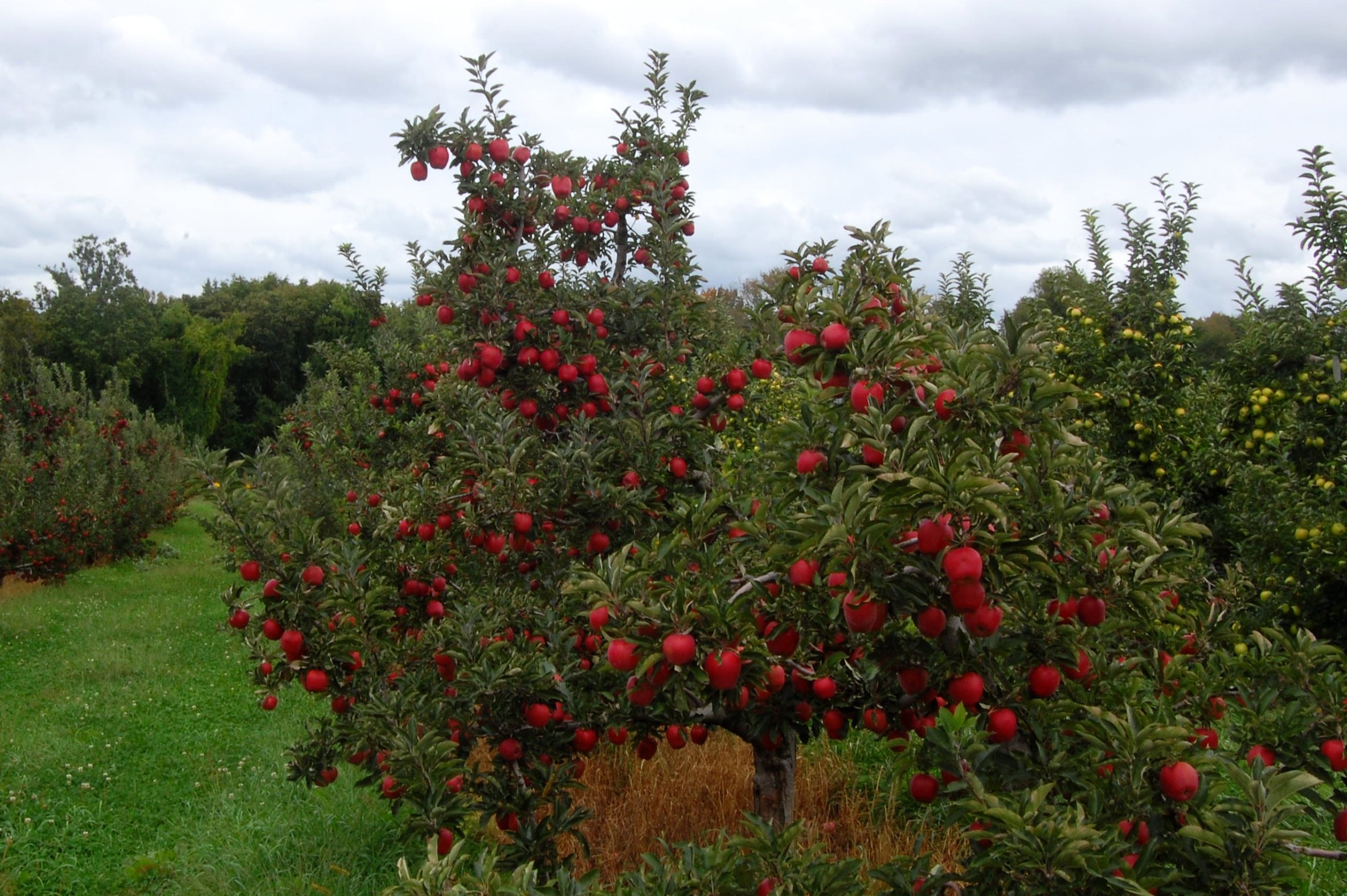
While the natural criterion is important in the garden, particularly in the orchard and vegetable patch, aesthetic appeal also matters. Fallow and flowering meadows have the benefit of combining aesthetics and ecology; they prove to be valuable allies in fighting pests and/or improving yields while maintaining an attractive flowering display. The numerous seed mixes found in flowering fallows enrich the soil, attract pollinators, and even aerate the earth, with each mix having its own specificities.
Flowers to improve yields
To improve yields, one should choose mixes rich in melliferous plants. Although they bloom much later than fruit trees, their flowers provide shelter and food resources in the late season for pollinators, which, well-fed with nectar, reproduce and nest in the orchard. Once established, insect populations are ready in spring to pollinate the first flowers of cherry and apple trees.
To enrich and aerate the soil
To enrich soil, mixes composed of leguminous plants will be used, as they act directly on the soil. Clover, for example, is capable of fixing nitrogen from the air and storing it in the nodosities of its roots. As it grows, it gradually releases this nitrogen, benefiting the surrounding plants.
To aerate soil and make it more permeable, one should look towards herbaceous plants with taproots. Dandelions, of course, but also all plants from the umbellifer family, which have powerful roots that break up the soil, making it softer and more aerated.
Promoting biodiversity in the orchard
In addition to these specific mixes, flowering fallows create a protective environment that promotes biodiversity and helps establish an ecological balance; they cover and protect the soil from erosion and dehydration, being much more frugal in nutrients and water than a lawn mowed every week. In summer, fruit trees provide protective shade, while the fallow offers nutrients and freshness at the base of the trees, creating a win-win exchange. Finally, this protective mat cushions the fall of fruits, preventing them from bruising and allowing them to be stored for much longer.
How to sow your flowering meadow at the base of fruit trees
Establishing a flowering fallow is simple; sowing takes place in spring, around April/May, on a soft and clean surface. First, prepare the soil by removing weeds*, lightly tilling the surface to a depth of 5-10 cm, and raking the soil to break it up. Sow the flower mix, ensuring the seeds are well scattered, then lightly cover the seeds with soil using a rake, compact the soil, and water lightly to press the seeds into the ground. Germination is quick, taking 1 to 3 weeks; once the seedlings develop, keep the soil moist for 3-4 weeks. After this period, the fallow becomes self-sufficient, and the first flowers will bloom.
*The most effective method is to eliminate weeds a few months in advance, around August/September, by covering the soil with either a tarp or cardboard, which you will then bury in the soil in spring.

Comments