Globe artichoke - Cynara cardunculus subsp. cardunculus
Globe artichoke - Cynara cardunculus subsp. cardunculus
Cynara cardunculus subsp. cardunculus
Globe artichoke, cardoon
Back-to-school special offer!
Get €10 off for every €50 you spend! And get up to €40 off on a single order.
How does it work?
1. Shop your favourites
Add your favourite plants to your basket. For every €50 you spend (excluding delivery charges, store credit and the plastic-free option), you’ll receive a €10 voucher.
€50 spent = €10 voucher
€100 spent = €20 voucher
€150 spent = €30 voucher
€200 spent = €40 voucher
2. Place your order
Once your basket reaches one of the spending thresholds, place your order. You can even choose your delivery date!
3. Receive your voucher
As soon as your order has been shipped, you’ll receive an email containing your personal voucher code and its value.
4. Use it on your next order
Your voucher is valid for 90 days from the date you receive it. It can be used once only, on a new order worth at least the value of the voucher, excluding delivery charges.
Please note: Vouchers can be combined with other offers, but cannot be split or refunded.
Home or relay delivery (depending on size and destination)
Important: You may be charged customs duties by your country’s customs authorities upon delivery.
Schedule delivery date,
and select date in basket
This plant carries a 6 months recovery warranty
More information
We guarantee the quality of our plants for a full growing cycle, and will replace at our expense any plant that fails to recover under normal climatic and planting conditions.
Description
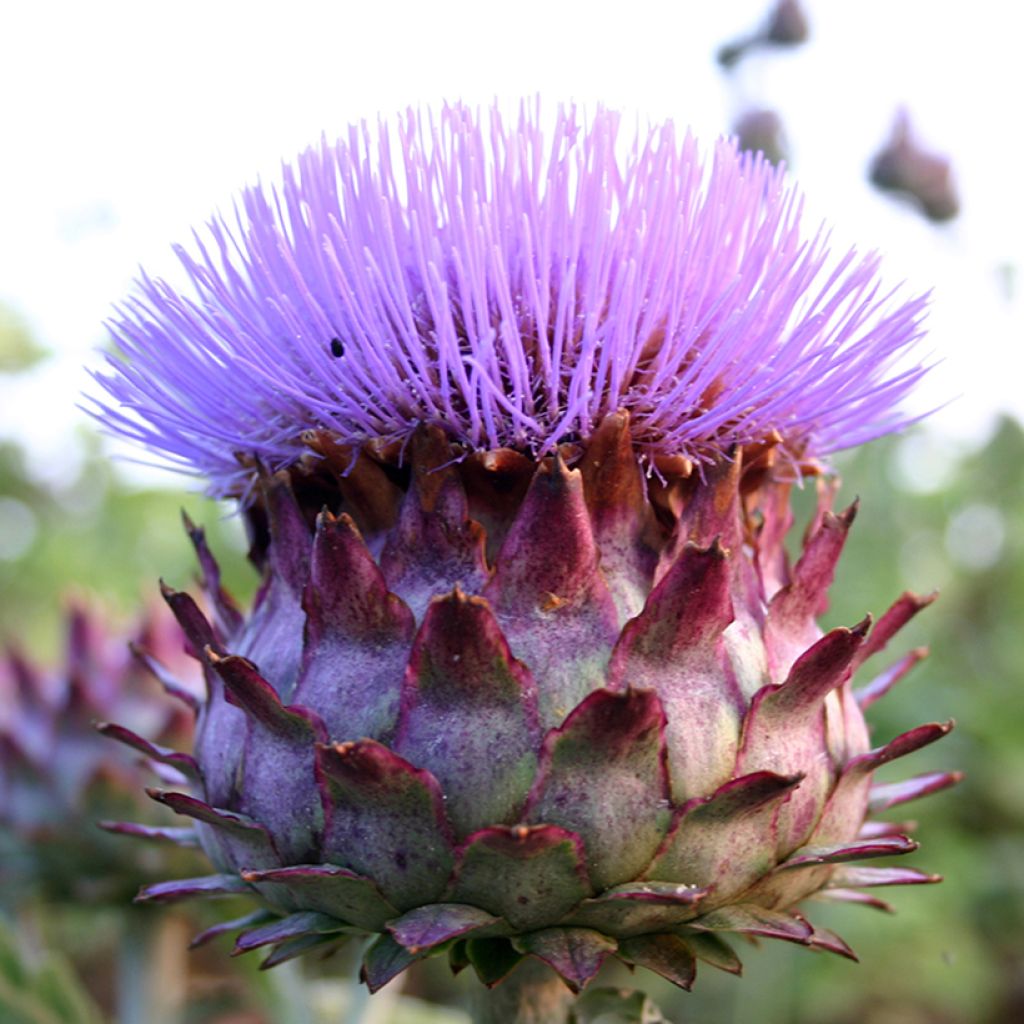
Organic Cardoon Seeds (Cynara cardunculus): here is a grand heritage vegetable that adds character to both the garden and the plate. A close cousin of the artichoke, the cultivated cardoon forms a large clump of deeply cut, silvery-grey leaves, which are particularly decorative. In summer, its large mauve heads, rich in nectar, are visited by bees and other pollinators. Grown for its edible stalks which are prepared in gratins, this plant combines gustatory, ornamental, and ecological qualities.
The cardoon belongs to the Asteraceae family. Its accepted botanical name is Cynara cardunculus. It is a robust perennial, with a rootstock and a fleshy taproot. Each rosette has a rather biennial cycle: the first year is mainly devoted to foliage development, the second to flowering. The stump will live for over ten years. In the wild, the species is native to the western and central Mediterranean basin (Portugal, Spain, southern France, Italy, the Balkans, North Africa) as well as the Macaronesian islands, where it colonises dry meadows, scrubland, embankments, roadsides, and abandoned fields. The cultivated cardoon corresponds to vegetable forms of Cynara cardunculus (often noted as var. altilis), selected for their fleshier and less thorny midribs than those of the wild form.
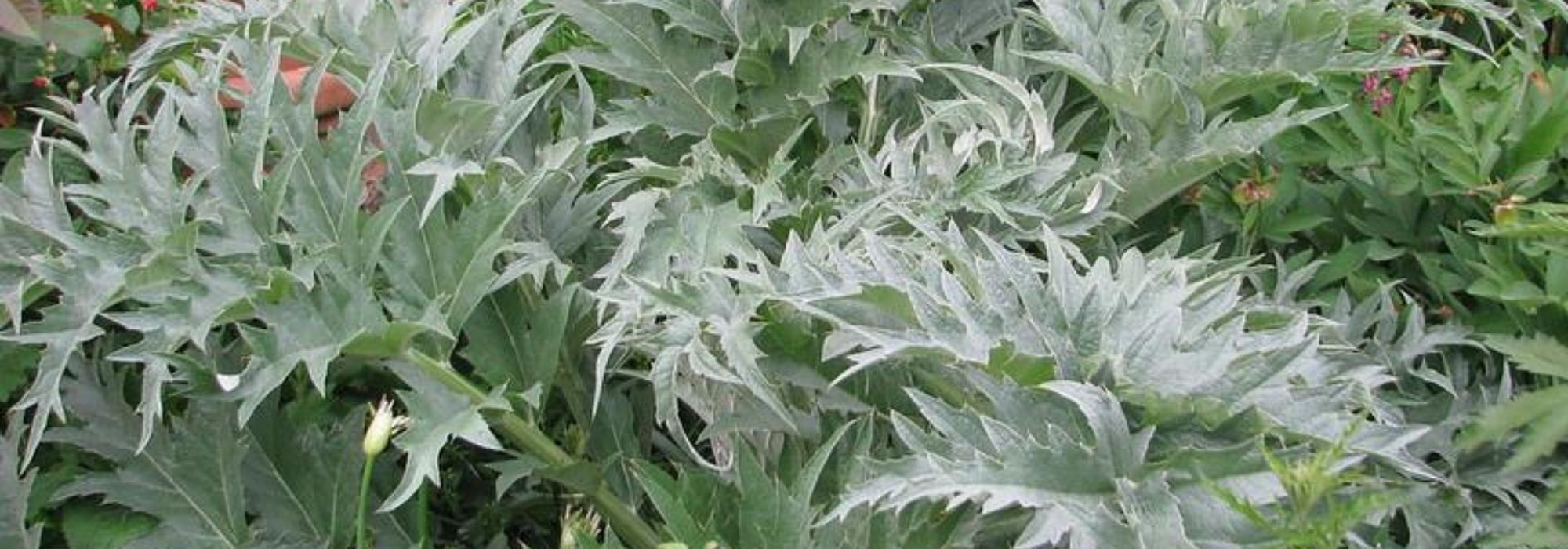
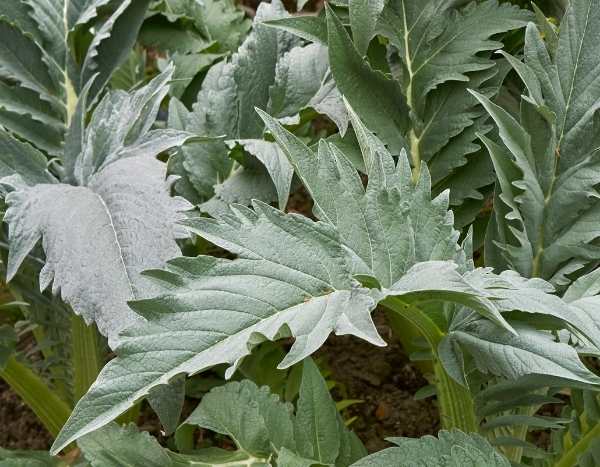
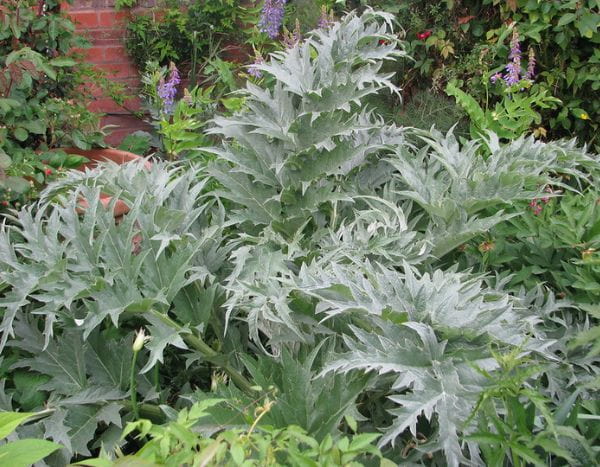
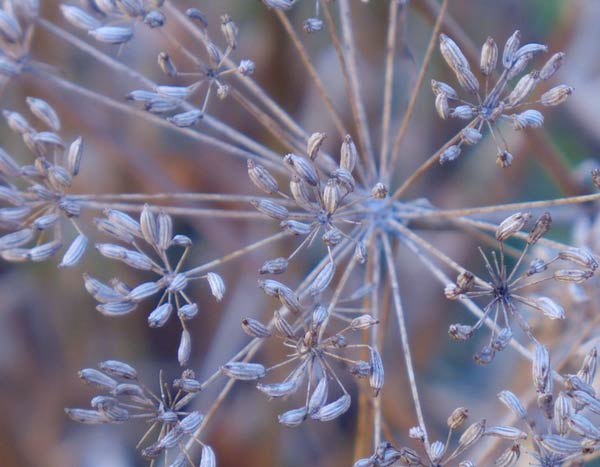
The plant forms a very architectural, spreading clump, which reaches 1.50 m to 2 m in height when in flower within a few years, with a spread of 1.20 to 1.50 m. The clump widens by producing new rosettes tightly packed around the stump. The large, pinnate, and deeply cut leaves can exceed 80 cm in length; they are silvery-grey on top, more whitish and tomentose underneath. The foliage is semi-evergreen to evergreen in mild climates, but may disappear in case of severe frosts, regrowing from the stump in spring. From the heart of the rosette emerge sturdy, channelled, greyish stems in spring, which branch and bear large solitary or grouped heads in summer. Each head resembles a smaller artichoke, surrounded by tough, often thorny bracts, from which bursts a crown of violet to mauve tubular florets, very rich in pollen and nectar. Flowering lasts from June to September. The fruits are dark brown achenes topped by a silky pappus; a single head can produce several tens to hundreds of seeds. The powerful and deep root system explains its good drought tolerance once well-established, as well as its ability to regrow after being cut.
The cardoon was recommended as early as the Middle Ages in the Capitulare de villis attributed to Charlemagne, and its dried flowers have been used for centuries as a vegetable coagulant in some traditional Portuguese cheeses: anchoring this grand vegetable in a long European culture.
In the kitchen, it is advisable to blanch the stalks to remove their bitterness. They are rich in fibre, mineral salts, and carbohydrates (notably inulin). Cardoon is credited with laxative and liver-cleansing properties. They can be prepared in gratins, as a purée, as juice, or as an accompaniment to meats.
Cultivation: A few weeks before harvest for heritage varieties, the stalks need to be blanched. To do this, gather the leaves and wrap them in cardboard or an opaque film. Take care to allow air to circulate. Earth up the plants with 25 to 30 cm of soil to stabilise them. With this manoeuvre, the leaves no longer receive light. As photosynthesis no longer takes place, the leaves become tender and whiten. A few weeks later, they are ready to be harvested.
Harvest: Equip yourself with gloves, especially for thorny varieties. Pull up the entire rootball and then place the leaves in a ventilated area, protected from light. Stored correctly, the stalks can be kept and consumed throughout the winter.
The Gardener's Tip: Respect crop rotation by planning to grow cardoons after a crop of Fabaceae (beans, broad beans, chickpeas...). This will have the effect of enriching the soil with nitrogen. Do not replant cardoons in the same spot until at least four years have passed. Indeed, cardoons are heavy feeders.
Harvest
Plant habit
Foliage
Botanical data
Cynara
cardunculus subsp. cardunculus
Asteraceae
Globe artichoke, cardoon
Cynara sylvestris, Carduus cardunculus, Cynara scolymus subsp. cardunculus
Southern Europe, Mediterranean, Balkans, Macaronesia, North Africa
Perennial
Planting and care
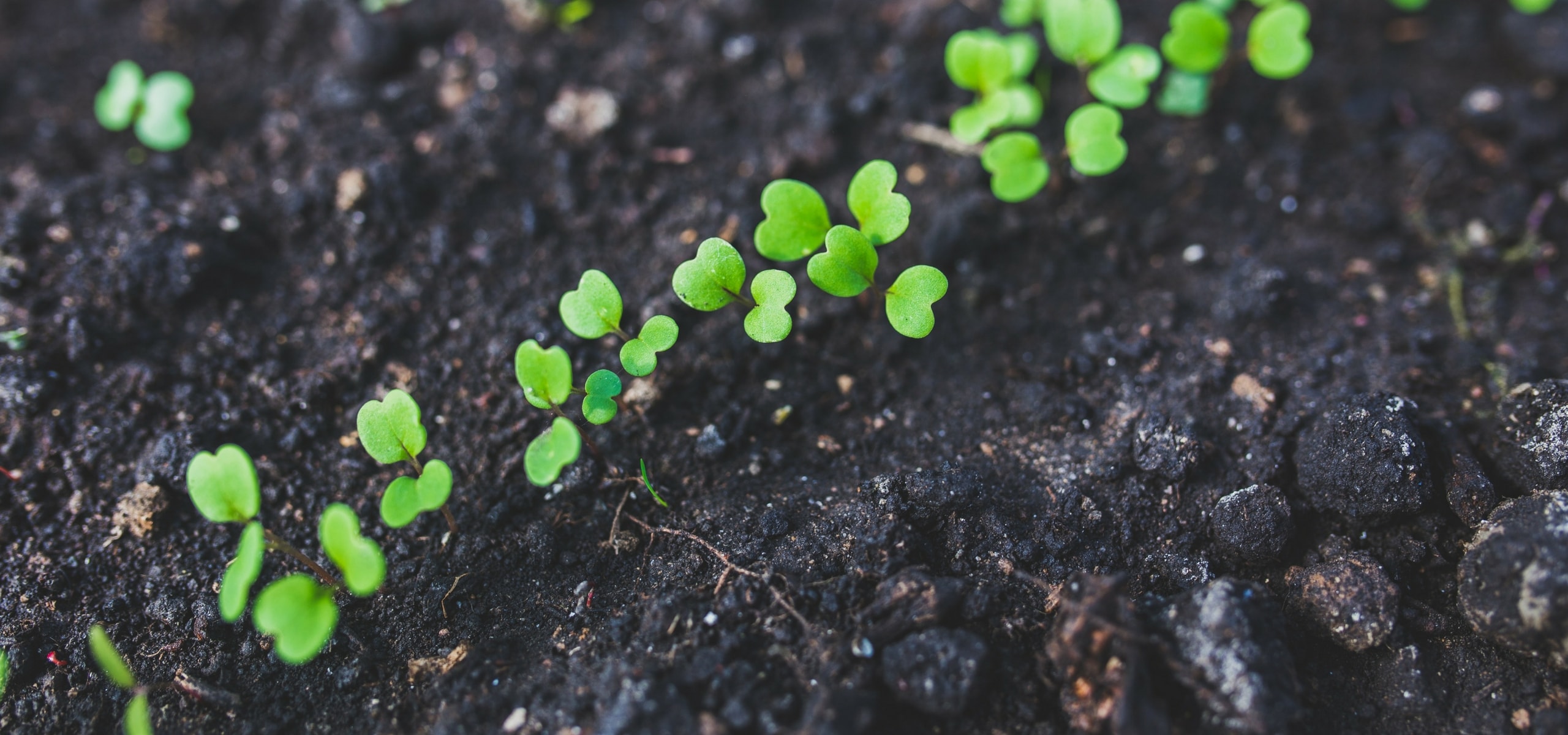
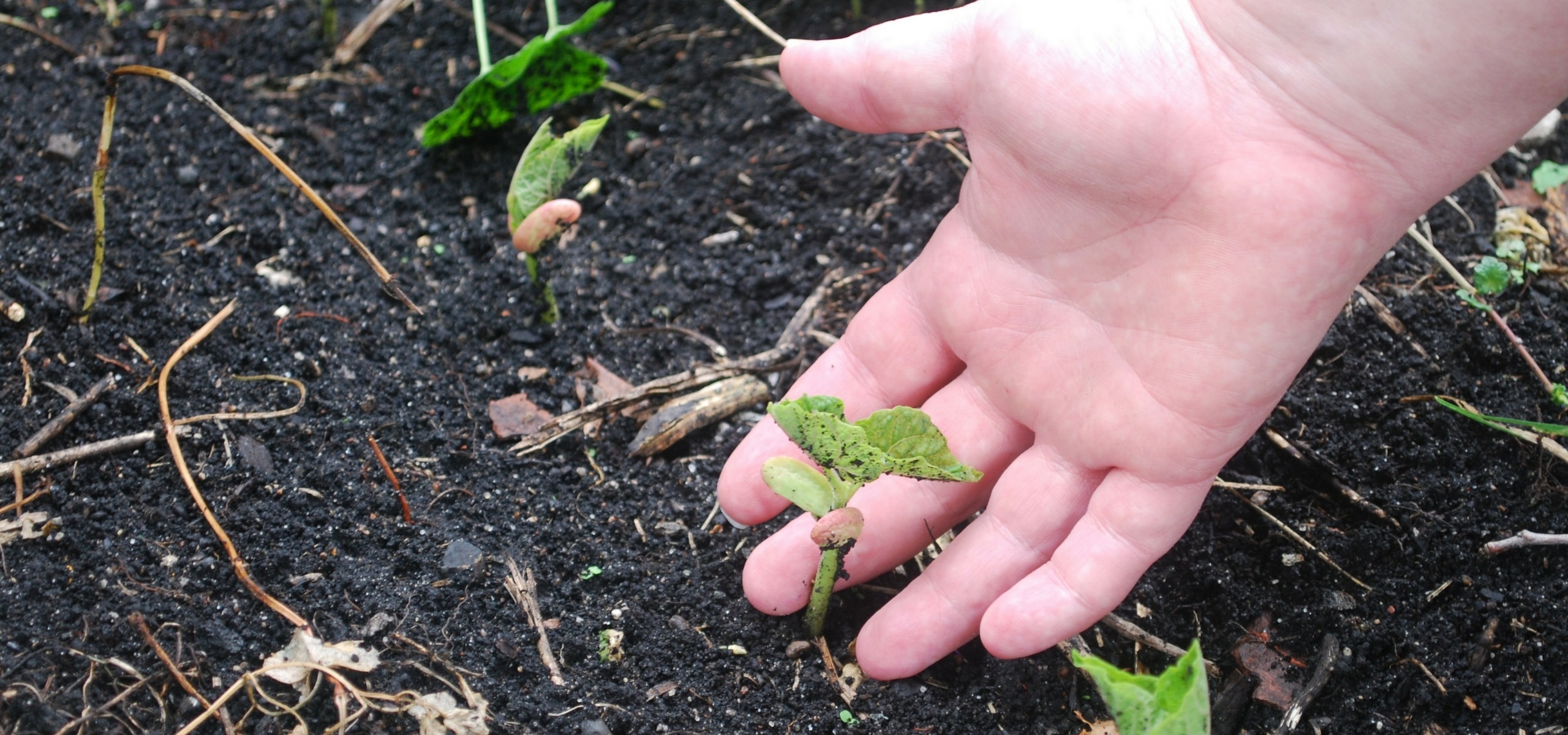
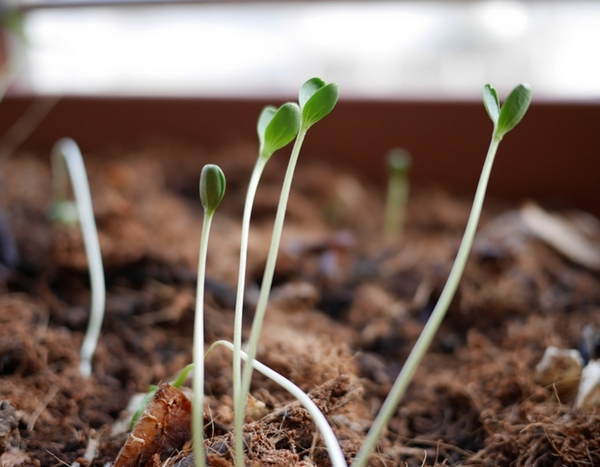
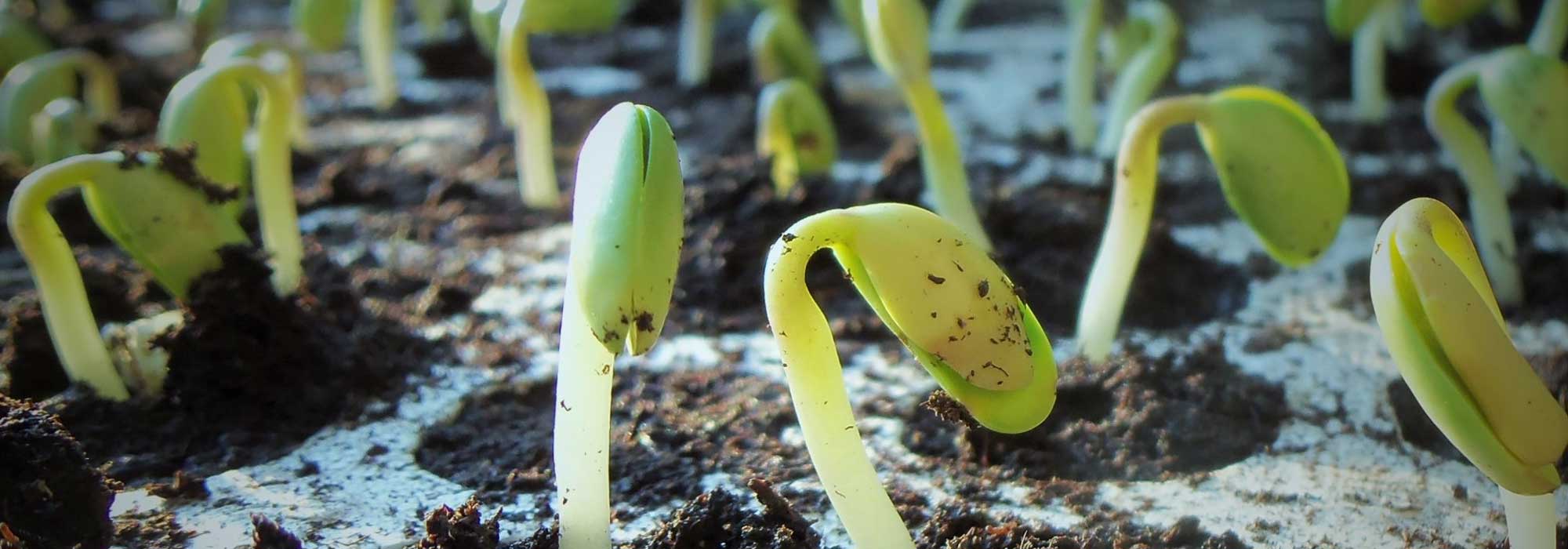
Sowing under cover: Cardoon sowing can be done in trays in an unheated greenhouse in April or May. Use a rich soil that you will amend with well-rotted compost. Dig holes a few centimetres deep in which you will place a few cardoon seeds. Thin out by choosing the most vigorous seedling when they have three leaves. Once they are robust enough to be handled, position them in open ground, taking care to space them about one metre apart in all directions.
Sowing in open ground: From May to July, when the soil is completely warmed, start by amending your soil with well-rotted compost. Aerate the soil and then, at a depth of 3 to 4 cm, plant 3 to 4 seeds in stations. Water generously immediately. When the seedlings have at least three leaves, thin out, keeping only the young plants that seem the most robust to you. Each young plant should be spaced at least one metre apart. The harvest takes place in September or October, that is, about 5 months after the spring sowings.
Cardoon can withstand short frosts of the order of -8/-10°C in well-drained soil. Once established, it tolerates summer drought well. In a Mediterranean climate, its foliage persists in winter but dries out in summer.
Seedlings
Care
Intended location
Planting & care advice
-
-
-
-
-
-
-
-
This item has not been reviewed yet - be the first to leave a review about it.
Recently viewed products
Haven't found what you were looking for?
Hardiness is the lowest winter temperature a plant can endure without suffering serious damage or even dying. However, hardiness is affected by location (a sheltered area, such as a patio), protection (winter cover) and soil type (hardiness is improved by well-drained soil).
In temperate climates, pruning of spring-flowering shrubs (forsythia, spireas, etc.) should be done just after flowering.
Pruning of summer-flowering shrubs (Indian Lilac, Perovskia, etc.) can be done in winter or spring.
In cold regions as well as with frost-sensitive plants, avoid pruning too early when severe frosts may still occur.
The harvesting period indicated on our website applies to countries and regions in USDA zone 8 (France, England, Ireland, the Netherlands).
In colder areas (Scandinavia, Poland, Austria...) fruit and vegetable harvests are likely to be delayed by 3-4 weeks.
In warmer areas (Italy, Spain, Greece, etc.), harvesting will probably take place earlier, depending on weather conditions.
The sowing periods indicated on our website apply to countries and regions within USDA Zone 8 (France, UK, Ireland, Netherlands).
In colder areas (Scandinavia, Poland, Austria...), delay any outdoor sowing by 3-4 weeks, or sow under glass.
In warmer climes (Italy, Spain, Greece, etc.), bring outdoor sowing forward by a few weeks.
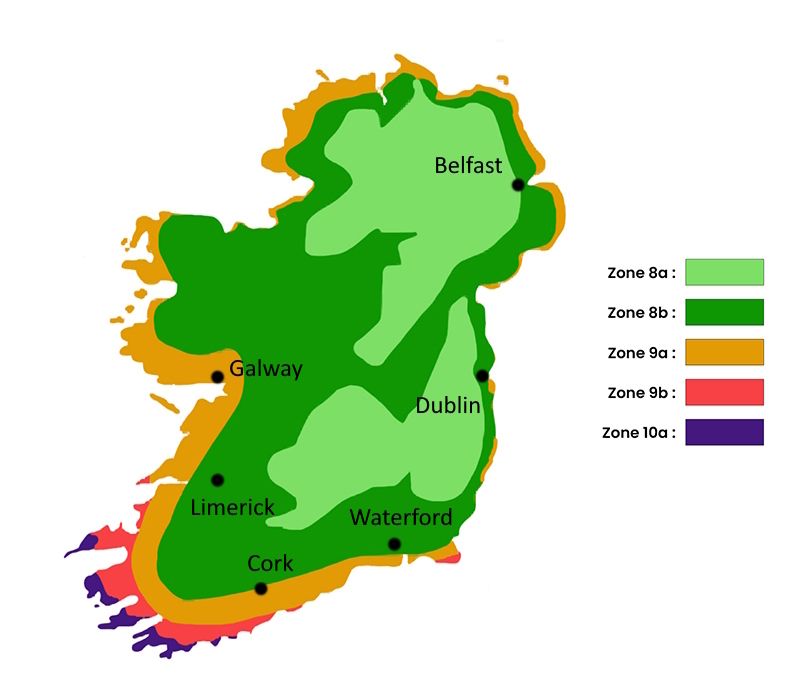
The planting period indicated on our website applies to regions in USDA Zone 9a (East Coast and Midlands: Dublin, Wexford, Waterford, Kilkenny, Portlaoise). It will vary depending on where you live:
- On the west coast and in the north-west (Galway, Limerick, Sligo, Donegal, Westport), delay planting by 1 to 2 weeks in spring and bring it forward by 1 to 2 weeks in autumn compared to the dates given, preferably choosing periods without strong winds.
- In the inland hills and plateaus (Wicklow Mountains, Macgillycuddy’s Reeks, Connemara, Killarney), it is best to plant in spring (April–May) or autumn (September–October), avoiding periods of waterlogged soil in winter and strong winds, which pose the main risk to newly planted trees in these areas.
The flowering period indicated on our website applies to regions in USDA Zone 9a, such as the East Coast and Midlands, including Dublin, Wexford, Waterford, Kilkenny and Portlaoise.
This will vary depending on where you live:
- On the west coast and in the northwest (Galway, Limerick, Sligo, Donegal and Westport), it will be delayed by one to two weeks compared to the given dates, due to stronger Atlantic winds and less spring sunshine.
- In the inland hills and plateaus (the Wicklow Mountains, the Macgillycuddy's Reeks, Connemara and Killarney), flowering will be delayed by two to three weeks. Flowering mainly occurs between May and July, with the limiting factors being less frost and more of the excessive humidity, strong winds and lack of sunshine that are characteristic of these areas.
Shipping country and language
Your country of residence may be:
Your country of residence is:
For a better user experience on our website, you can select:
Your shipping country:
-
 Austria
-
 Belgium
-
 Bosnia & Herzegovina
-
 Bulgaria
-
 Croatia
-
 Cyprus
-
 Czechia
-
 Denmark
-
 Estonia
-
 Finland
-
 France
-
 Germany
-
 Greece
-
 Hungary
-
 Iceland
-
 Ireland
-
 Italy
Italy
-
 Latvia
-
 Liechtenstein
-
 Lithuania
-
 Luxembourg
-
 Malta
Malta
-
 Netherlands
-
 Poland
-
 Portugal
-
 Romania
-
 Serbia
-
 Slovakia
-
 Slovenia
-
 Spain
Spain
-
 Sweden
-
 Switzerland
Language:
-
French
-
 English
-
Spanish
-
Italian
-
German
-
Portuguese
-
Dutch
-
Finnish
My Account
Hello
My wish lists
My cart
Log in / Register
Existing customer?
This form is protected by reCAPTCHA - the Google Privacy Policy and Terms of Service apply.
New customer?
Create an account to track your orders, access our customer service and, if you wish, make the most of our upcoming offers.