





























Adapting to climate change: plants and practices to adopt in the garden
For more climate-resilient gardens
Contents
Climate change and its consequences for our environment are becoming increasingly evident. Droughts, floods, recurring heatwaves, the development of invasive species and the emergence of new diseases and pests, gardeners now have to face unprecedented situations. Forced to rethink their plant choices, they adapt to this new reality and turn to resilience.
Applied resilience in gardening, what does that mean? In the resilient garden, pioneer plants colonise the smallest gaps, and the order of the day is hardy, melliferous plants that endure the vagaries of climate. Combining ecological awareness and adaptability, this type of garden aims to minimise the impacts of weather fluctuations that destabilise the microclimate in which your garden sits. How to design a resilient garden? Which plants are essential to create this little green haven that will cope with climate warming? We’ll guide you!

See the garden in a different light.
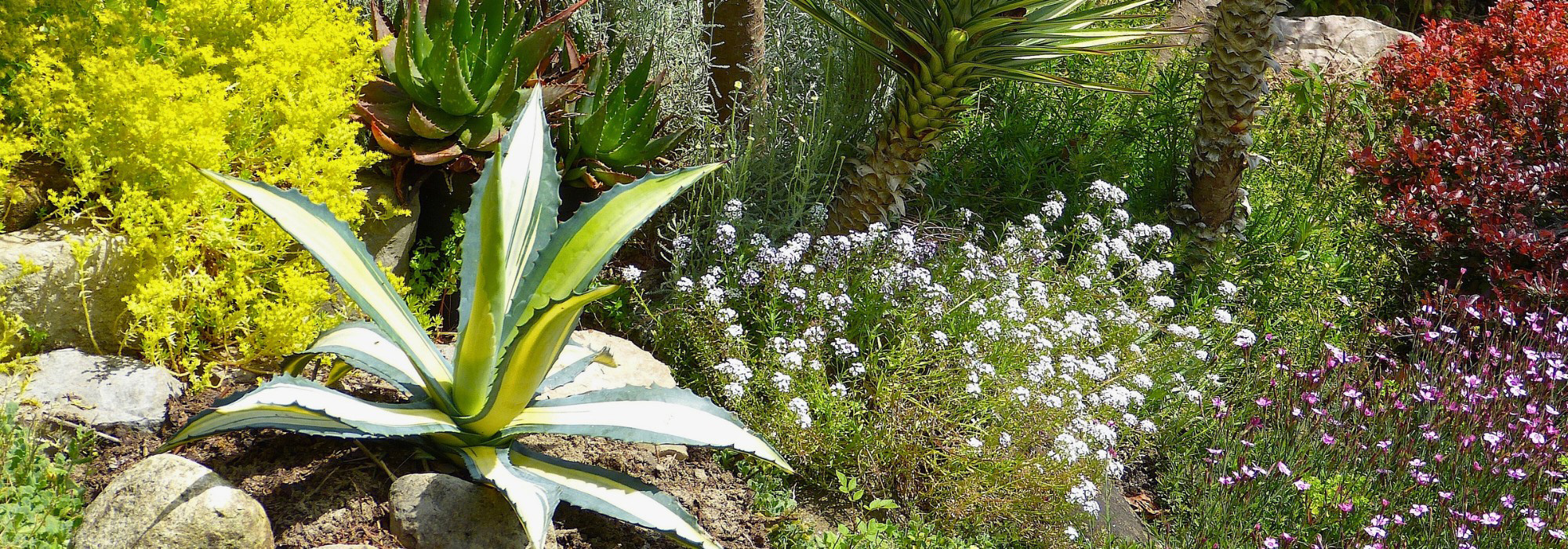
We must come to terms with the fact: Gardens must now adapt to climate change. Future climate projections indicate a northward shift of the Mediterranean forest into the Rhône Valley. The steppe threatens the Mediterranean fringe, and some southern trees, such as the holm oak, have begun migrating towards the Atlantic coast. It is essential to rethink how we design and maintain gardens. Seeing gardens differently means adopting sustainable practices and an ecosystem-based approach, taking into account the interactions between plants, animals and the medium. Today, more than half of gardens are affected by drought. The trend, therefore, is to create dry gardens with little or no watering. A selection of drought-tolerant plants, requiring little maintenance and capable of flowering even during heatwaves, ushers in the kingdom of an adaptable garden that promotes biodiversity.
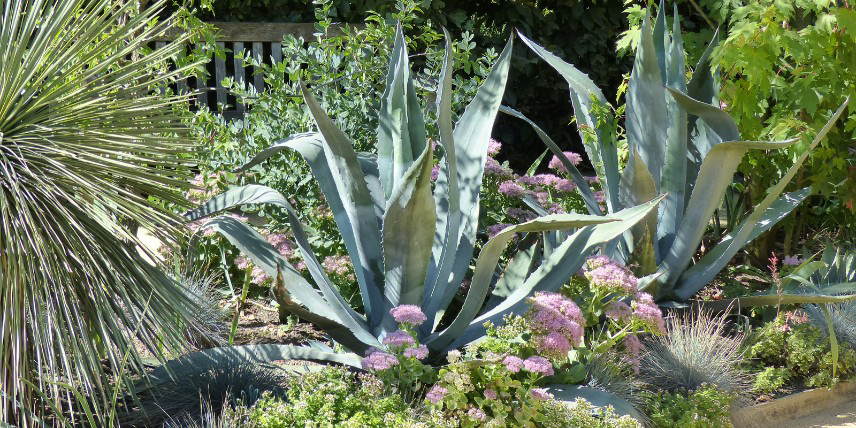
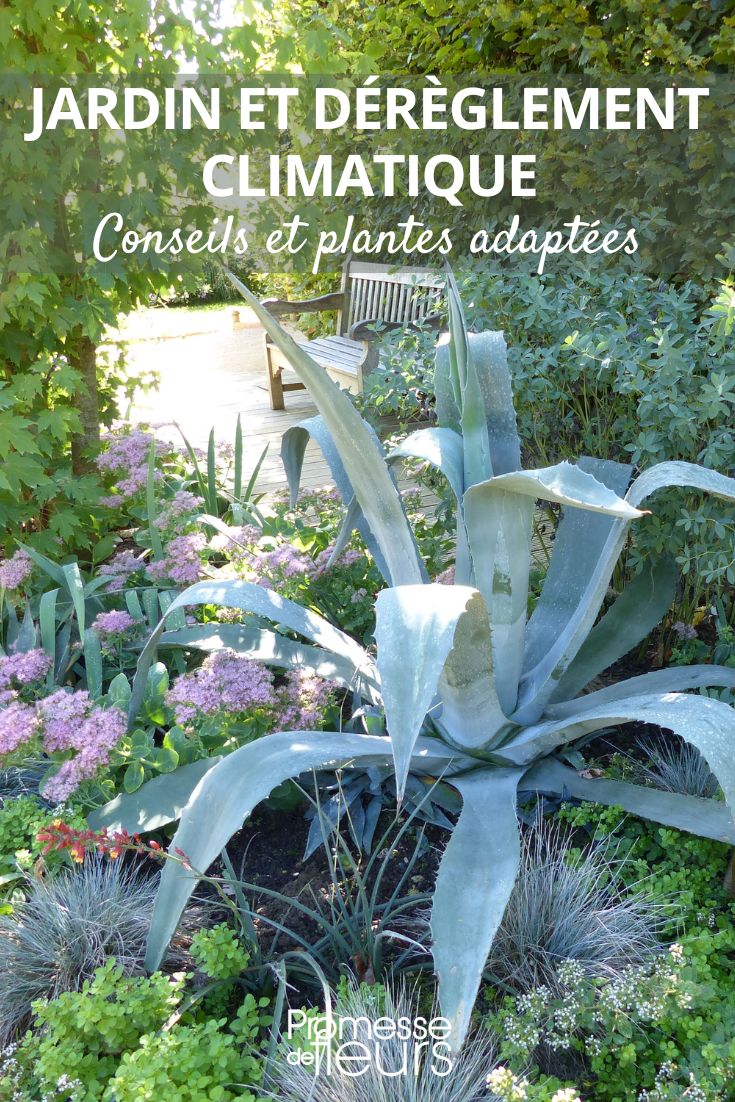
Drought-tolerant plants are ideal for creating a resilient garden. Here, agaves, sedums and Dasylirion
What is a resilient garden?
Resilience in gardening refers to the ability of a garden to adapt to and recover from disturbances and environmental changes, such as droughts, floods, diseases and pests. A resilient garden includes planting plant varieties that are drought-tolerant, creating habitats for pollinators and natural predators, and implementing sustainable composting and mulching practices, for example, to improve soil health. Its aims are numerous: preserving biodiversity, adapting to changing climatic conditions, optimising resource use (water, soil, energy) and reducing chemical inputs (pesticides, fertilisers). It aims to:
- Promote the cultivation of robust plants that are drought-tolerant, heat-tolerant and disease-resistant, such as pioneer plants known for their ability to withstand and adapt, or the nativars (cultivars derived from a native plant), naturally less demanding.
- Prioritise biodiversity: a key element of ecosystem resilience, biodiversity is promoted in the garden, by favouring melliferous plants and native plants, which attract pollinators and provide cover for birds and insects. Create varied biotopes (hedgerows, wood piles, insect hotels) to attract a diverse fauna.
- Adopt ecological growing techniques : mulching, composting, crop rotation, permaculture and plant associations, help preserve soil fertility, limit water evaporation and reduce the use of pesticides. These methods of responsible gardening also help create a natural balance in the garden, by favouring the presence of beneficials (insects, birds, hedgehogs) that regulate pest populations.
- Optimal water management : it is important to use water responsibly in the garden. Choose plants suited to the climatic conditions of your region, which require less watering. Harvest rainwater. Also consider the creation of wetlands or ponds, which support biodiversity and help regulate the water cycle.
- Limit impermeable surfaces : paths, patios, paving contribute to soil sealing, increased runoff and water pollution. To limit these impacts, favour permeable coverings (gravel, grassed paving slabs) and vegetate the available spaces (green roof, walls, slopes).
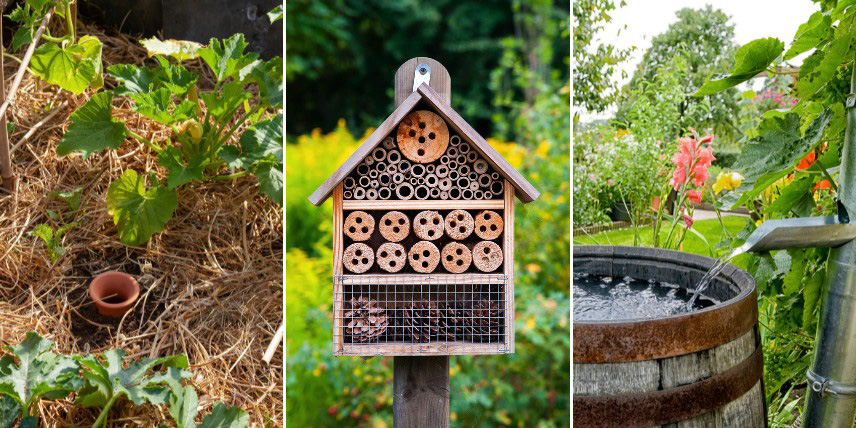
Some techniques to make your garden more resilient: mulch to keep the soil cool and place oyas at the base of the plants, install insect hotels, collect rainwater to water the garden
For what type of garden?
The resilient garden recreates a balanced, self-sustaining and sustainable ecosystem, and can be adopted in the following settings:
- Natural or wild gardens: Resilient gardens often draw inspiration from natural ecosystems and prioritise native and melliferous plants. They promote biodiversity and reduce human intervention.
- Ecological gardens : Ecological gardens focus on environmental preservation and reducing ecological footprints. Resilient gardens align with this approach by using sustainable gardening techniques, such as permaculture, composting and rainwater harvesting.
- Dry gardens or Mediterranean gardens : In regions subject to arid or Mediterranean climate conditions, resilient gardens prioritise drought-tolerant, low-maintenance plants. They are designed to withstand drought periods and optimise water use.
- Urban or small-space gardens : Resilient gardens can also be designed in small spaces, such as balconies, terraces or compact urban gardens. They allow the creation of an oasis of greenery and biodiversity in the city, while being suited to the specific constraints of these environments (pollution, lack of space, etc.).
- Vegetable gardens: Resilient gardens can include spaces for growing vegetables, favouring old varieties, climate-suitable plants and beneficial plant associations. They thus promote food autonomy and cultivated biodiversity.
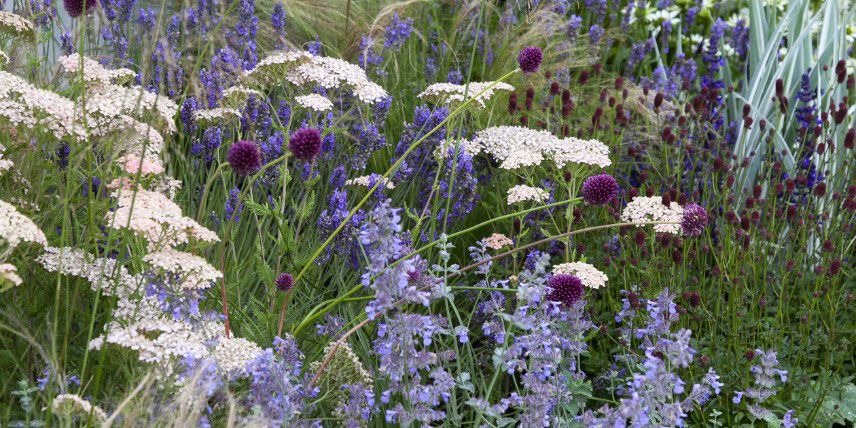
Naturalistic gardens are particularly resilient. They bring together a wide variety of melliferous flowers and promote biodiversity.
Which plants should I choose?
Plants you choose for your resilient garden must, of course, be suited to your local climate conditions. It is important to take into account your garden’s specific conditions (exposure, soil type, etc.), hardiness, drought tolerance, resistance to diseases and pests, adaptability to soils, and the low maintenance requirements of the plants you have in mind.
- Pioneer plants : naturally present in a given region, they have evolved to adapt to local climate conditions. Requiring little maintenance, pioneer plants are the first to take root in harsh or barren soils. Birches, goat-willow (Salix caprea), pines (Aleppo pine), brooms, rockroses, grasses, alders, paulownia, hedge clematis (Clematis vitalba ), sea buckthorn, bloodtwig dogwoods, Helichrysum, Silene vulgaris, colonise the smallest crack in the harshest soils. Their presence attracts pollinating insects, birds, and even mammals, thereby enriching the ecosystem.→ Learn more in our piece Spotlight on pioneer plants, valuable for biodiversity.
- Nativars : these are cultivars derived from a native plant (or native), selected for their horticultural qualities. These modern varieties are adapted to local climate conditions, which makes them more resistant to diseases, to pests, and to environmental stresses. Nativars are naturally less demanding: Garden valerian, Thalictrum aquilegifolium, Alchemilla mollis, great oxeye daisy, Meadow cranesbill ‘Mrs Kendall Clark’, buttercup, Lychnis flos-cuculi ‘Petite Jenny’, Geranium pratense ‘Dark eyes’,Pulmonaria saccharata ‘Dora Bielefeld’.
- Drought-tolerant plants : Santolina chamaecyparissus, Jerusalem sage, mullein, thistle, but also gauras, sedums, perovskias, lavenders or cacti and succulents (Opuntias, rosettes of Aeonium or Senecio), agaves, Hesperaloe parviflora ‘Rubra’, Ceanothus and Buddleja ‘Orange Sceptre’ among the shrubs renowned for their austerity, echoing arid soils as they adapt to the evolution of our local climates. They require very little watering and are better suited to periods of drought.
- The melliferous plants : They produce nectar and pollen, attracting pollinators such as bees, butterflies, and birds. In addition to supporting biodiversity, they contribute to the pollination of vegetable and fruit crops, thereby improving fruit and vegetable yields. The eglantine (Rosa canina), hawthorn, heathers, rosemary (Rosmarinus officinalis), agastaches, Buenos Aires verbena (Verbena bonariensis), Caryopteris clandonensis, Ceanothus ‘Burkwoodii’, Cytisus scoparius ‘Palette’, or the mock-orange Philadelphus coronarius form the core of melliferous shrubs best suited to drought. The May berry ‘Altaj’ honeysuckle bears edible berries reminiscent of blueberries.
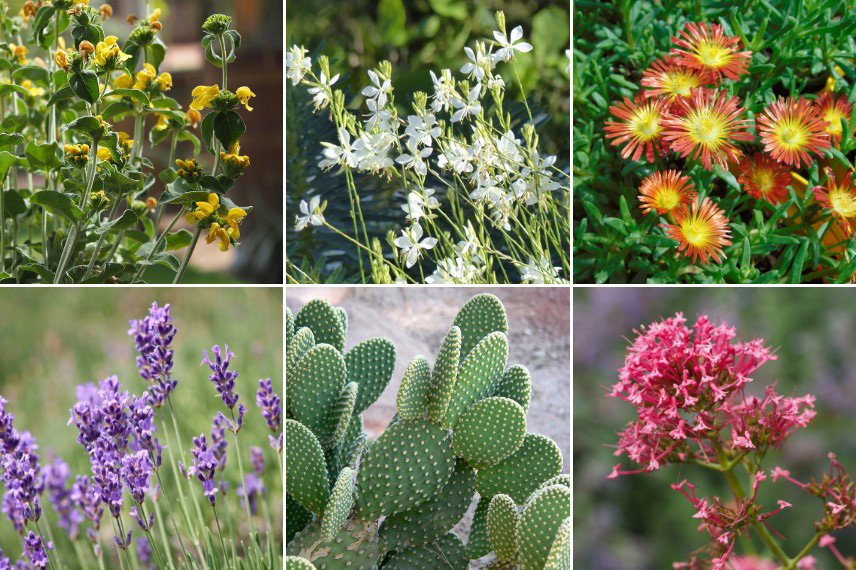
Some drought-tolerant plants: Phlomis fruticosa, Gaura lindheimeri ‘Snowbird’, Delosperma cooperi ‘Wheels of Wonder Fire’, Lavender, Opuntia microdasys (photo: Stan Shebs) and Centranthus ruber
- Subscribe!
- Contents
Comments