





























Which rootstock should I choose for healthy and productive citrus trees?
Everything you need to know about rootstock selection
Contents
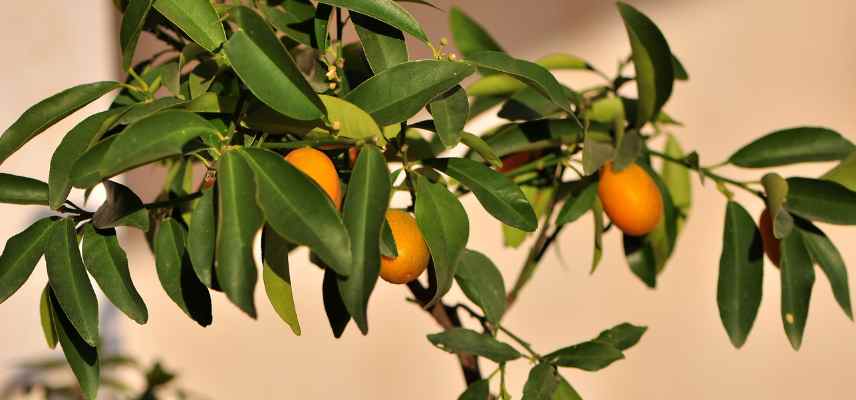

The most common rootstocks for citrus trees.
What is a rootstock?
In horticulture, the rootstock is the base, the foundation on which your fruit tree is built. It is the lower portion of the tree, comprising the roots and a portion of the trunk, on which a section of another plant, the scion, is grafted, which will produce the aerial parts and the fruits. This union between the rootstock and the scion is crucial: it must be carefully selected to guarantee not only good growth and development of the tree, but also to withstand local conditions, whether these relate to climate, soil or disease resistance.
Rootstocks play a crucial role in citrus cultivation, influencing everything from disease resistance to tree size and productivity. Choosing the right rootstock can therefore determine the success or failure of a citrus planting.
Citrange (Carrizo and C35)
Citrange is a hybrid resulting from crossing Poncirus trifoliata and various citrus trees. It is particularly valued for its ability to tolerate poorer soils and its resistance to certain diseases such as tristeza, a devastating viral disease for citrus. Citranges enable a relatively rapid onset of production in grafted trees and are suited to regions where soils are calcareous or slightly saline. However, they are not recommended in frost-prone areas, as they are less resistant to cold than Poncirus trifoliata.
Poncirus trifoliata
This rootstock is renowned for its high cold tolerance, which makes it ideal for citrus cultivation in temperate regions or areas subject to occasional frosts. The Poncirus trifoliata also promotes good resistance to soil-borne diseases such as Phytophthora. However, it can limit the size of the tree, which is beneficial for harvest, but can reduce overall production. Trees grafted on Poncirus trifoliata often have better longevity and can be grown in less-than-ideal soils.
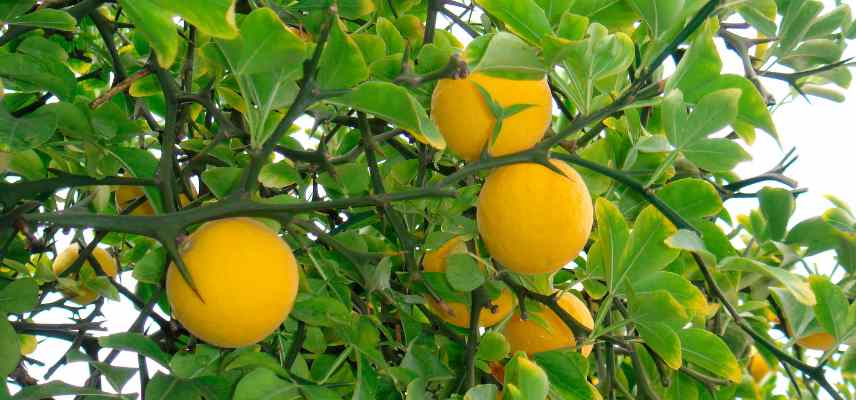
Citrus volkameriana
This rootstock is derived from a cross of several Citrus (C. micrantha, C. medica and mandarin). This rootstock has early fruiting and good vigour in lemon trees and lime trees. It is suited to sandy soils and is fairly resistant to calcareous soils and drought. It is resistant to the tristeza virus, but is susceptible to gummosis and nematodes.
Citrumelo
Citrumelo, a cross between Poncirus trifoliata and grapefruit (Citrus paradisi), combines the best characteristics of its parents. It offers good resistance to Phytophthora and other soil-borne fungal diseases. Compatible with a wide range of citrus, Citrumelo is particularly used for grapefruits and some varieties of mandarins. It is also resistant to cold and enables good fruit production, though the flavour of the fruits may vary slightly depending on the compatibility between the rootstock and the scion.
Other common rootstocks
D’autres porte-greffes sont fréquemment utilisés en fonction des besoins spécifiques des cultivateurs et des conditions locales :
- Cleopatra mandarin (Citrus reshni) : widely used due to its tolerance to salinity and to different soil types. It is less vigorous than Citrange or Citrumelo, but it is well suited to small gardens or container culture.
- Citrumelo ‘Swingle 4475’ : excellent for regions with calcareous soil problems, offering good resistance to soil-borne diseases.
- Bitter orange or sour orange (Citrus aurantium) : historically popular for its disease resistance and good compatibility with many citrus, but less used today due to its vulnerability to the citrus tristeza virus.
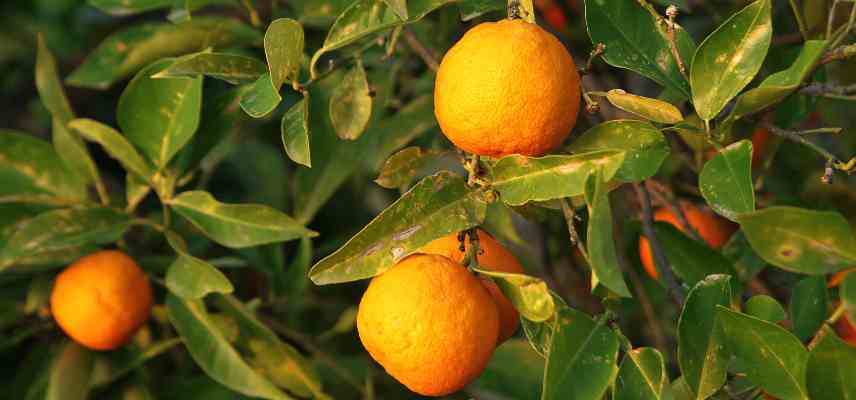
Citrus aurantium
Criteria for choosing the right rootstock
The choice of rootstock is crucial for the optimal development of your citrus trees. Here are the main criteria to consider when selecting the rootstock that best matches your needs and environment.
Adaptation to your region’s climate and soil
The success of citrus cultivation begins with the selection of a rootstock adapted to the climate and soil type of your region. Citrus trees require specific conditions to thrive, notably well-drained soil and a mild climate. For example, if your region is subject to frequent frosts, a rootstock such as Poncirus trifoliata, known for its cold tolerance, would be ideal. For calcareous or saline soils, a rootstock such as Citrange or citrumelo ‘Swingke 4475’ may offer better tolerance. Adapting the rootstock to local conditions is essential to minimise environmental stress, promote healthy growth and ensure good yields.
Resistance to diseases and parasitic pests
Resistance to diseases and parasitic pests is another crucial criterion in choosing a rootstock. Some rootstocks offer natural resistance to specific diseases such as tristeza, a viral disease, or Phytophthora, a root-attacking fungal pathogen. For example, the citrumelo ‘Swingle 4475’ is valued for its resistance to Phytophthora. Choosing a resistant rootstock can reduce the need for chemical treatments, lower management costs and increase the sustainability of your orchard. It is also essential to consider resistance to local pests, such as nematodes, against which certain rootstocks can offer protection.
Influence on the tree’s size and productivity
The rootstock can significantly influence the tree’s size and its productivity. Depending on the space available, you can choose a rootstock that induces a more compact growth habit of the tree. Rootstocks such as the Poncirus trifoliata tend to produce smaller trees, which makes harvesting and maintenance easier. On the other hand, some rootstocks can increase the tree’s vigour and accelerate fruit production, but this may also require more intensive management and more frequent pruning. Productivity is also influenced by the compatibility between the rootstock and the scion; good compatibility not only ensures robust growth, but also better quality and quantity of fruit.
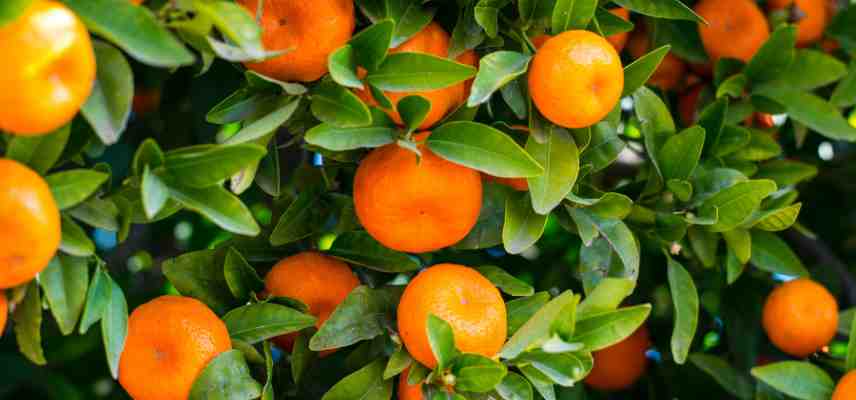
The productivity of a citrus tree can be increased by selecting the right rootstock
Grafting of citrus trees
Grafting techniques for citrus trees
Grafting techniques vary depending on the type of tree, the age of the plants and local conditions. For citrus trees, the techniques most commonly used are:
- Budding grafting (also known as “budding”): This method involves using a single bud taken from the scion. The bud is inserted under the bark of the rootstock where it will fuse and grow. Budding grafting is particularly popular for citrus trees due to its high success rate and ease of use. It is often performed in late summer when the bark lifts readily.
- Cleft grafting: This method is used mainly on larger rootstocks or existing stocks. It involves making a slit in the trunk of the rootstock and inserting one or more pointedly trimmed scions. Cleft grafting is ideal for replacing or changing the variety of an existing tree.
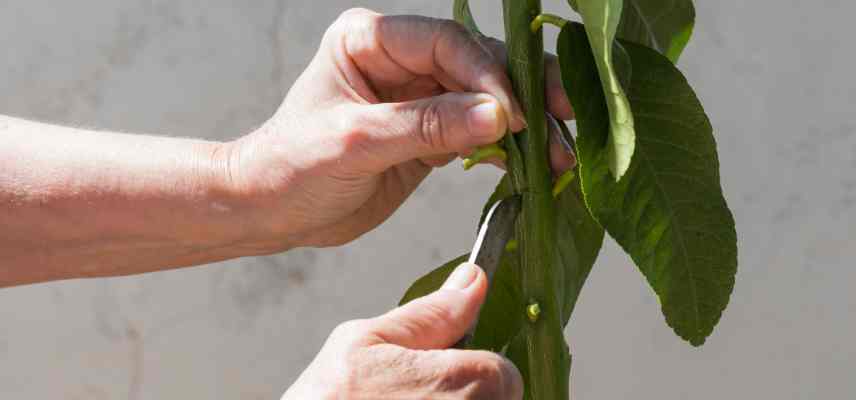
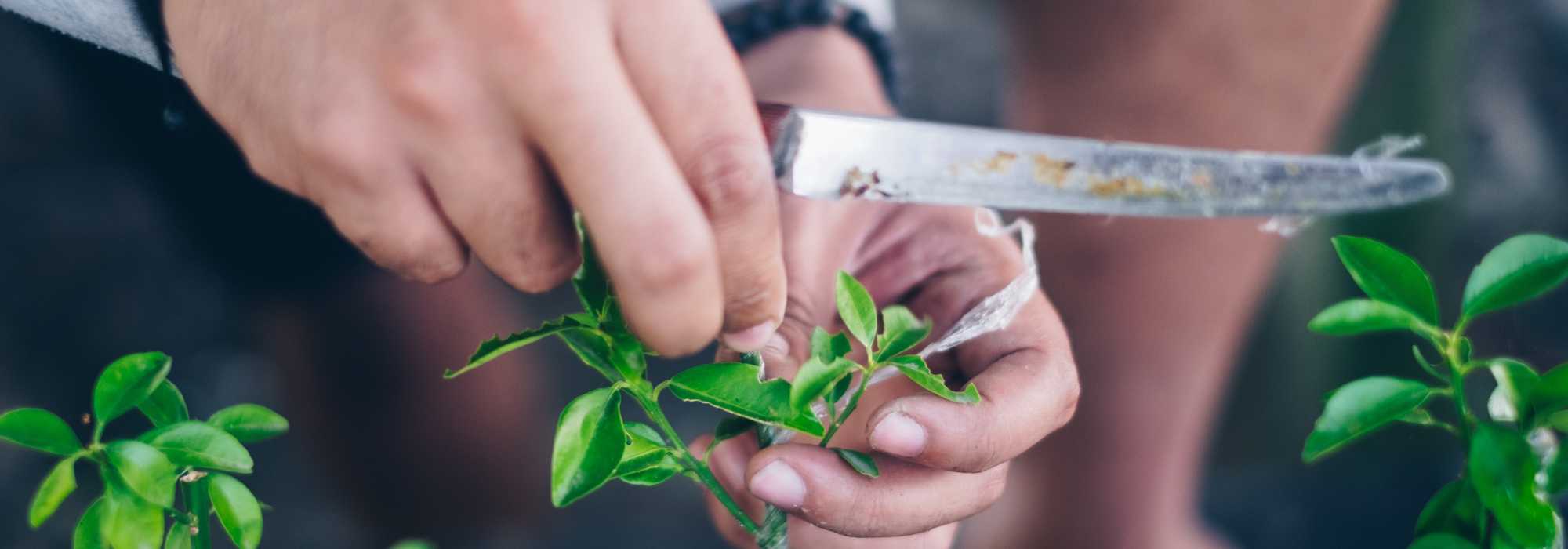
Grafting on a lemon tree branch
Best time to graft
For citrus trees, the best time to graft is generally the beginning of spring, just before new growth begins. This allows the graft to establish itself during the growing season. Budding grafting, however, can be carried out in late summer when the sap is still active and the bark lifts readily, facilitating the insertion of the buds.
Post-graft care to ensure a good take
- Graft union protection: use a grafting tape, raffia or a grafting wax to protect the graft and the graft union against desiccation and infections. Keep the area well sealed until the graft begins to grow actively.
- Watering and fertilising: maintain good soil moisture without waterlogging; excess water can promote soil diseases that affect the graft. A light fertilising, with a citrus-specific fertiliser (NPK 3-2-5), may be beneficial a few weeks after grafting to encourage growth, but avoid nitrogen-rich fertilisers which can hamper graft take.
- Pruning and training: after the graft has established growth, begin to shape the tree to develop a strong structure. Prune the other shoots of the rootstock so that all the plant’s energy is directed towards the development of the graft.
Care of grafted trees in the orchard and garden
Regular monitoring and maintenance
Continuous monitoring is essential for quickly detecting plant health issues and intervening effectively. Here are some aspects to monitor:
- Inspection for signs of disease and pests: Regularly inspect the trees to identify early signs of diseases or pest infestation. Symptoms such as wilting, leaf spots, or general decline of the tree require immediate attention to prevent spread.
- Assessment of growth and development: Observe the vigour of the trees and the quality of fruiting. An uneven or insufficient growth may indicate problems with the rootstock or nutritional deficiencies.
- Check of the root system: The root system should be healthy and well-developed. Damaged or rotten roots can compromise the entire plant. A periodic inspection of the roots, especially after extreme weather events or periods of heavy rainfall, is advised.
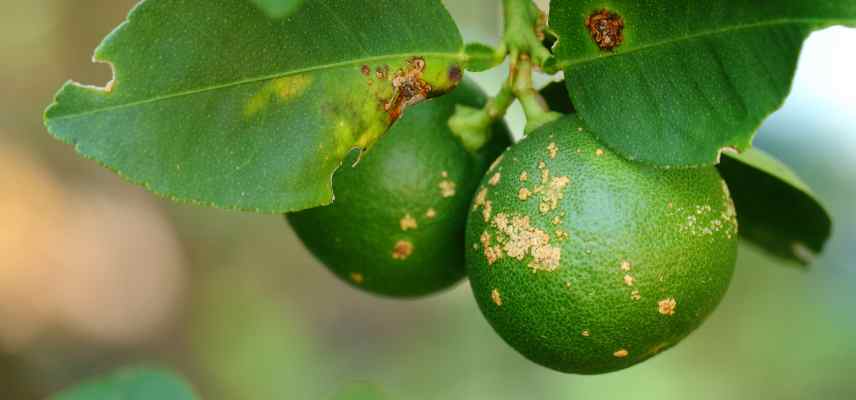
Observation is essential for spotting potential diseases
Pruning and fertilisation tailored to different rootstock types
Pruning and fertilisation must be adjusted according to the type of rootstock used, as each variety responds differently to interventions.
- Pruning : Pruning helps to control the tree’s size, promote good air circulation within the canopy, and maximise fruit production. For rootstocks that induce strong vigour, such as certain types of citranges, more aggressive pruning may be necessary to maintain the tree’s structure and maximise fruit production. For rootstocks such as Poncirus trifoliata, which naturally limit the tree’s growth, light pruning is usually sufficient.
- Fertisation : The type of rootstock influences the tree’s nutritional needs. Vigorous rootstocks may require higher nutrient inputs to support their rapid growth, while for less vigorous rootstocks, moderate fertilisation is often sufficient. It is important to adjust the inputs based on observations made during regular monitoring, taking into account signs of deficiencies or nutrient excess.
- Subscribe!
- Contents
Comments