





























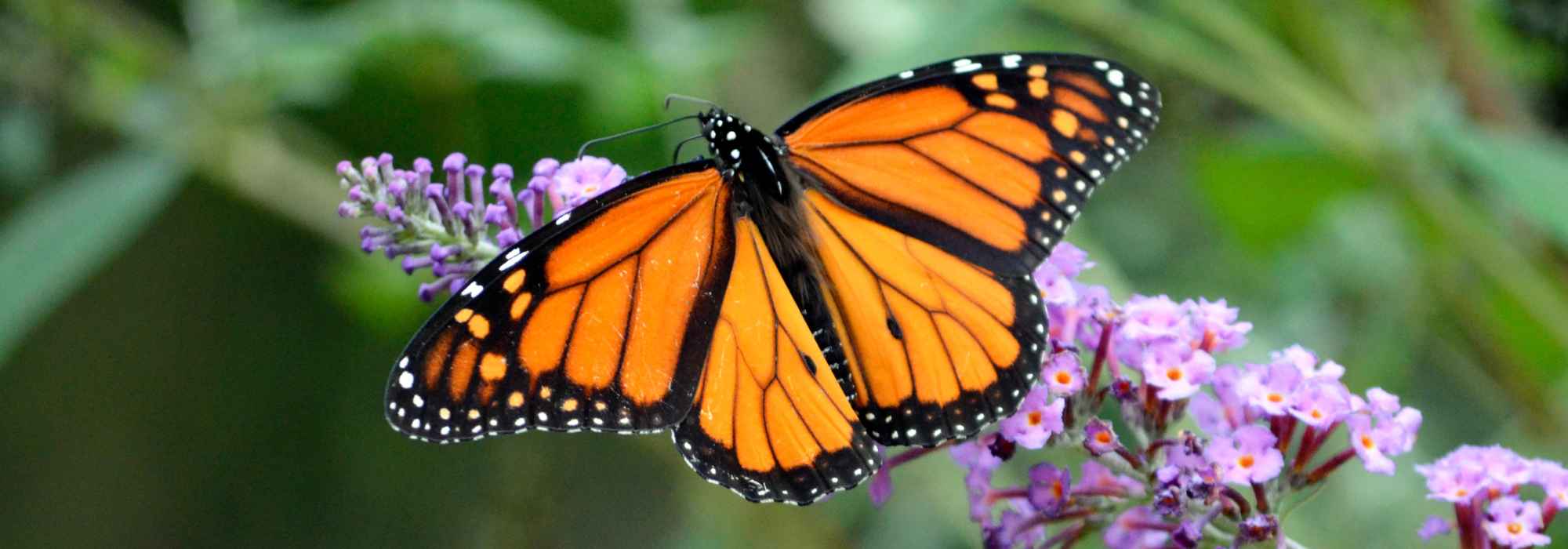
How butterflies boost biodiversity in the garden!
Not only beautiful, but also indispensable.
Contents
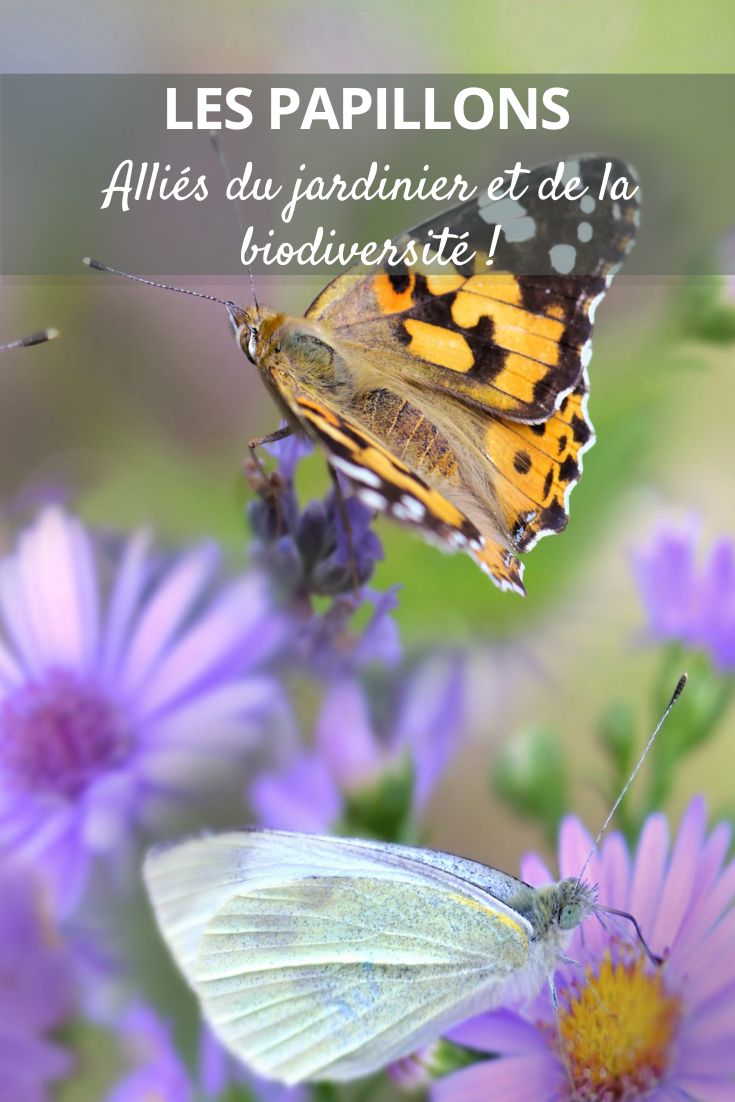
Butterflies, with their vivid colours and varied patterns, are not only a delight for the eye; they play a crucial role in the balance of our gardens’ ecosystems. These butterflies, often perceived as mere natural ornaments, are in fact key players in promoting biodiversity and plant health. As they move from flower to flower to feed on nectar, they carry pollen, thereby facilitating plant reproduction. This cross-pollination ensures the genetic diversity of plant species, which is essential for the resilience and vitality of gardens. Moreover, butterflies are an important environmental indicator: an abundance of these insects is generally a sign of a healthy and balanced garden.
By understanding and supporting these delicate creatures, we can not only beautify our gardens but also contribute to the preservation of a healthy and diverse natural environment.
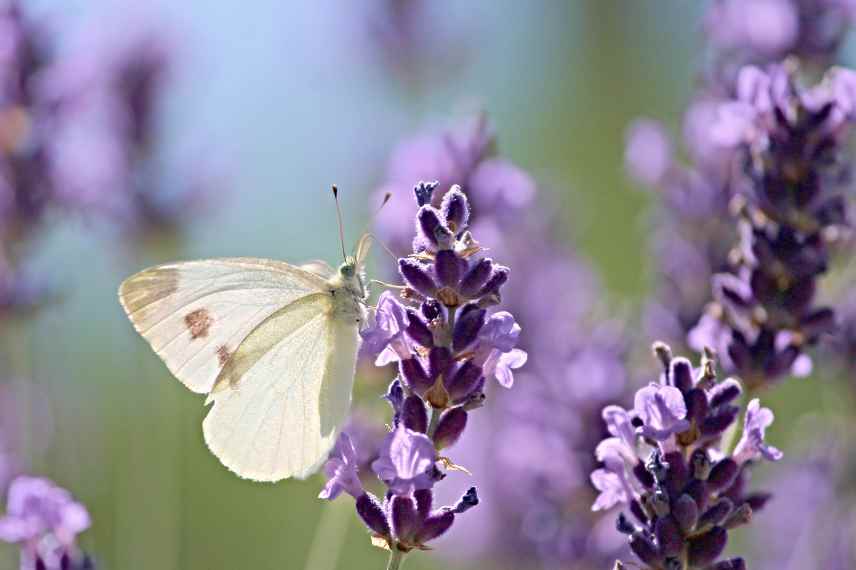
Do you have lots of butterflies in the garden? Rejoice!

Biology and Description of Lepidoptera
Classification and General Characteristics
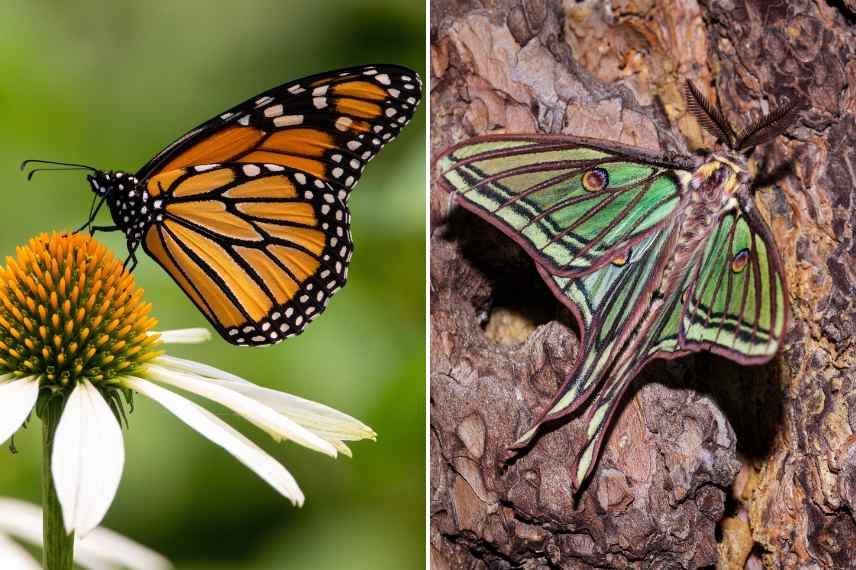
Lepidoptera, more commonly known as butterflies, represent an order comprising around 180,000 species, of which about 7,000 occur in Europe and nearly 5,000 in France alone. These insects are primarily characterised by their two pairs of wings covered in coloured scales, a feature that gave them their name: “lepido” meaning scale, and “pteron” meaning wing. Butterflies possess a specialised mouthpart adapted for sipping nectar from flowers, making them excellent pollinators.
General life cycle of butterflies
The life cycle of butterflies comprises four distinct stages, a fascinating process known as complete metamorphosis (holometabolous development):
- Egg: The female lays her eggs on specific plants, usually chosen as food for the future caterpillars.
- Caterpillar (larva): After hatching, the caterpillar feeds voraciously, growing rapidly. This stage is crucial as it stores reserves for its transformation.
- Chrysalis (pupa): The caterpillar attaches itself to a support and transforms into a chrysalis. At this stage, major restructuring takes place as the caterpillar metamorphoses into a butterfly.
- Butterfly (adult): The butterfly emerges with its wings damp and folded. After a few hours, it is ready to fly, reproduce and start a new cycle.
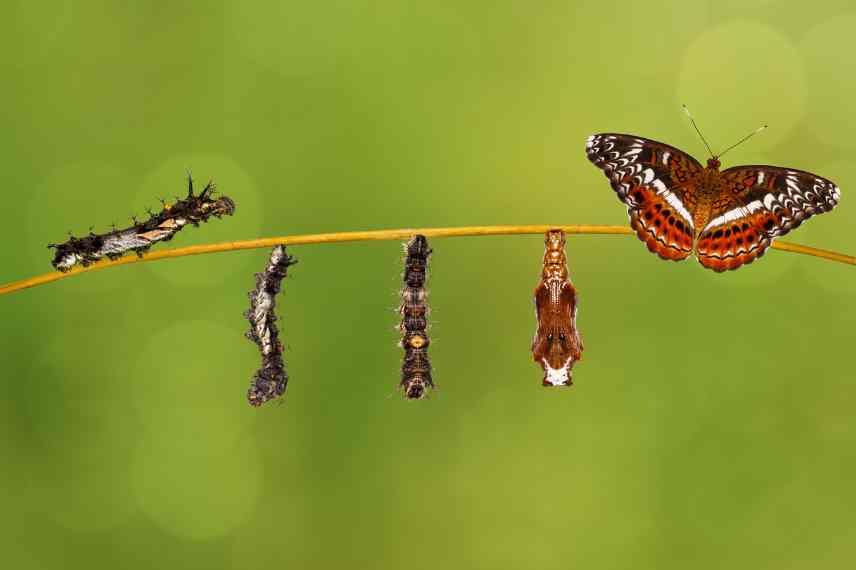
The transformation of a caterpillar into a butterfly
Read also
Auxiliary insects: hoverfliesButterflies are in danger!
Butterfly populations, both diurnal and nocturnal, are in decline worldwide, including in France and Belgium. This decline is alarming, as butterflies are key indicators of environmental health. They respond rapidly to changes in their habitat, which makes them excellent barometers for biodiversity. Recent studies show a significant decline in diversity and abundance of butterflies, caused by a range of environmental and anthropic factors: habitat loss (urbanisation, deforestation, intensive agriculture…), climate change, pollution and the introduction of invasive species.
In France and Belgium, measures have been taken to protect butterflies. Several species are listed as endangered on national red lists, which triggers targeted conservation actions. Monitoring and habitat restoration programmes are being implemented to maintain or increase butterfly populations. For example, the National Action Plan for Day-Flying Butterflies, initiated in France, aims to protect these species and their habitats. In Belgium, similar initiatives are undertaken, often supported by non-governmental organisations dedicated to nature conservation.
→ Red List of Day-Flying Butterfly Species in France
→ Red List of Day-Flying Butterfly Species in Belgium
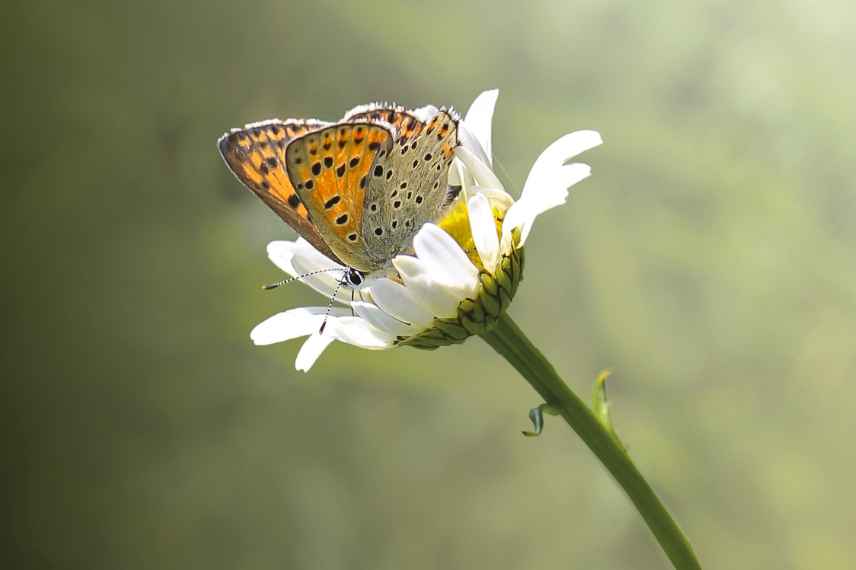
Butterflies are excellent barometers of biodiversity
Role of butterflies in ecosystems
Pollination and biodiversity
Butterflies play a crucial role in pollination, a process essential for the reproduction of numerous plant species. By feeding on nectar, they transport pollen from flower to flower, thereby promoting cross fertilization. This pollination not only leads to the formation of fruits and seeds, but also ensures genetic diversity of plants. Butterfly-rich ecosystems tend to be more diverse, as greater pollination favours a broader variety of plants. This, in turn, creates a richer habitat for other species, contributing to the overall health of the ecosystem.
Some butterfly species can also be key pollinators for certain plants that have evolved to attract Lepidoptera specifically.
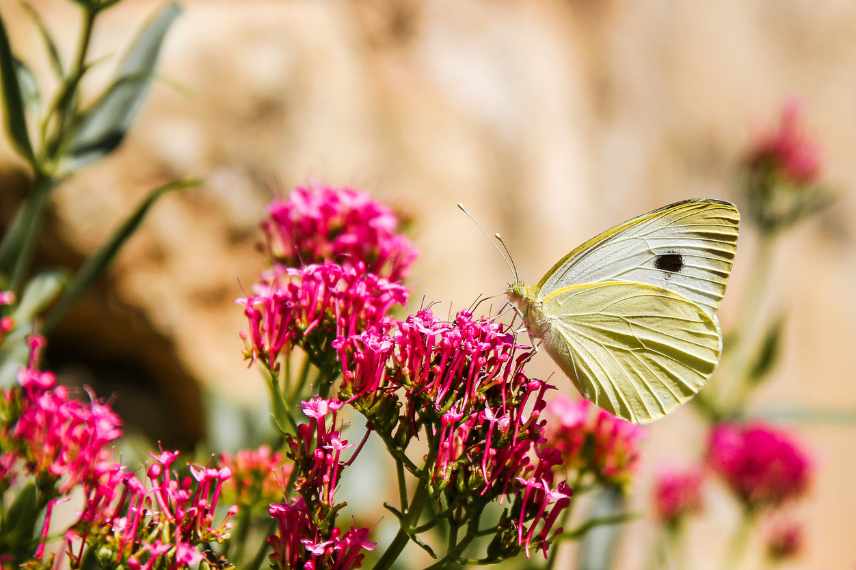
Butterflies ensure pollination
Interactions with other species
Butterflies interact with other species in several ways. Their presence attracts natural predators such as certain birds and spiders, thus playing a role in the food chain. Butterfly caterpillars, in particular, are an important food source for various bird species.
Moreover, butterflies and their caterpillars can influence plant growth. By feeding on leaves, caterpillars can stimulate plant growth by triggering the regeneration of new shoots. In some cases, they can also play a role in controlling invasive plant species.
Finally, butterflies have complex interactions with other insects and pollinators. Sometimes they may compete for resources, while in other cases they can help attract more pollinator species to a given area, enriching the ecosystem.
Creating a butterfly-friendly biotope
Choosing attractive plants and flowers
To attract butterflies, it is essential to choose plants and flowers that meet their needs at different life stages. Nectariferous plants are essential for feeding adult butterflies. Among them, lavender, oregano, asters or centaureas are particularly attractive. It is also important to include specific host plants for caterpillars, which vary according to butterfly species. For example, nettle is a host plant for several butterfly species, including the Small Tortoiseshell and the Peacock; but you can also let grow garlic mustard, cuckooflower, the wild carrot, and a good number of wild grasses.
By incorporating wild plants into the garden, such as nettles, clover, or dandelions, you provide additional resources for both caterpillars and adult butterflies. These plants, often regarded as “weeds” (we dislike that term!), nevertheless play a crucial role in the life cycle of butterflies.
→ To learn more about the host plants of the most common day-flying butterflies, here is an interesting table.
There are also mixes of flower seeds specifically to attract and feed butterflies; here is a good example: Butterfly seed mix.
Garden design: shelters and a water source
Butterflies need areas to rest, reproduce, and shelter from bad weather or predators. Leaving wild areas, with tall grasses and piles of leaves or wood, provides refugia. The creation of small piles of stones or branches in sunny spots allows butterflies to warm themselves in the sun, an activity crucial to their metabolism.
Water is also an essential element. A simple, shallow container filled with water and stones or sticks to give butterflies a perch can serve as a drinking container. Ensure you change the water regularly to prevent mosquitoes.
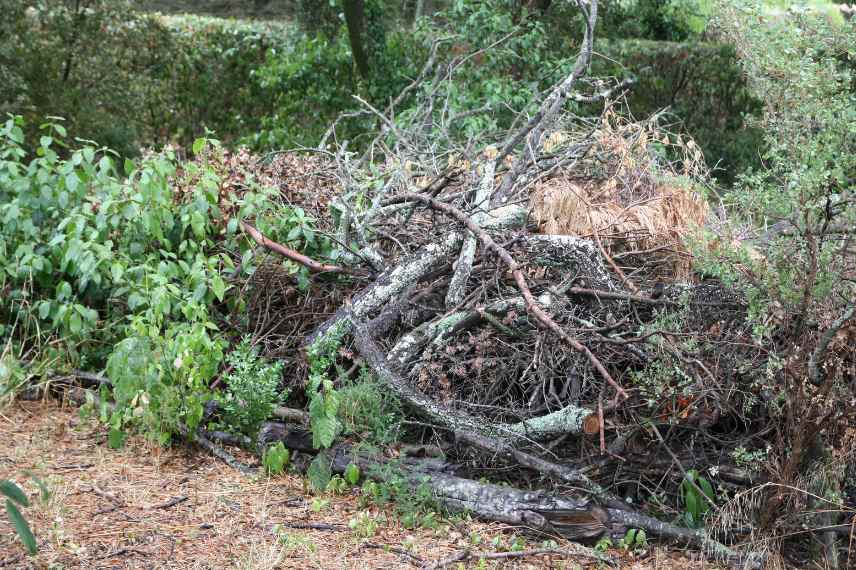
A simple stack of wood provides refugium for many insects, including butterflies
Nature-friendly gardening practices
- Ban pesticides and insecticides (even allegedly natural or ecological!), which are harmful to butterflies and their caterpillars. Opt for biological control methods or, better, let Nature take its course.
- Prioritise plant diversity to attract a wide variety of butterflies.
- Maintain a continuous flowering in the garden by choosing plants that bloom at different times of the year, to provide a steady nectar source.
- Conserve some wild areas in your garden, where herbs and flowers can grow freely.
Common species in our gardens
- Red Admiral (Vanessa atalanta)
- Description: Black wings with red bands and white spots.
- Host plant: Nettle (Urtica dioica).
- Peacock butterfly (Aglais io)
- Description: Brown-red wings with blue eyespots resembling peacock eyes.
- Host plant: Nettle (Urtica dioica).
- Cabbage White (Pieris brassicae)
- Description: White wings with black spots on the forewings.
- Host plant: Cabbage and other crucifers.
- Small Tortoiseshell (Aglais urticae)
- Description: Bright orange wings edged in black with blue spots.
- Host plant: Nettle (Urtica dioica).
- Comma (Polygonia c-album)
- Description: Brown-orange wings with a white C-shaped pattern on the hindwing.
- Host plants: Nettle and hops.
- Old World Swallowtail (Papilio machaon)
- Description: Large yellow wings with black markings and a tail.
- Host plant: Fennel, wild carrot (Daucus carota).
- Common Blue (Polyommatus icarus)
- Description: Wings bright blue in males, brown with orange spots in females.
- Host plants: Legumes, such as clover and lucerne.
- Brimstone (Gonepteryx rhamni)
- Description: Pale yellow, leaf-shaped wings.
- Host plants: Buckthorn and spindle.
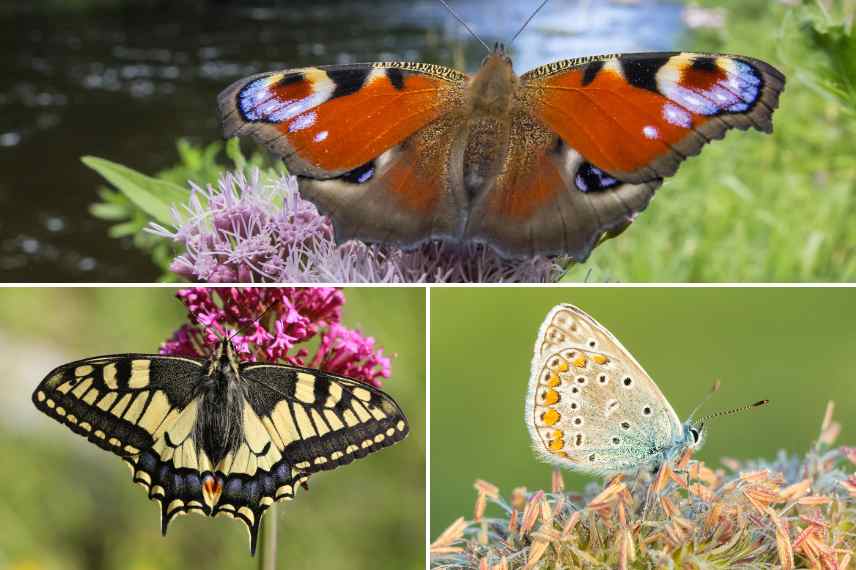
Peacock butterfly (top), Old World Swallowtail, and Common Blue (female)
- Subscribe!
- Contents
Comments