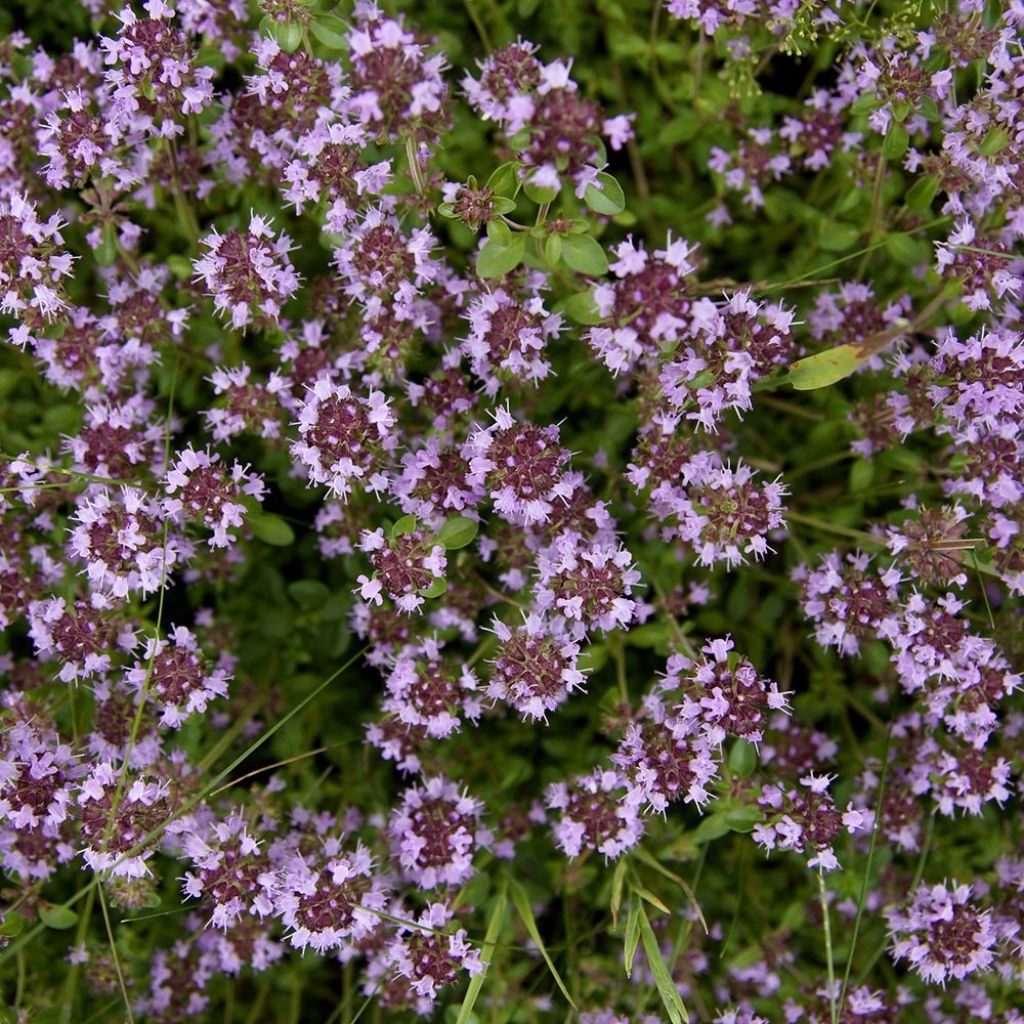
Thymus pulegioides Splendens
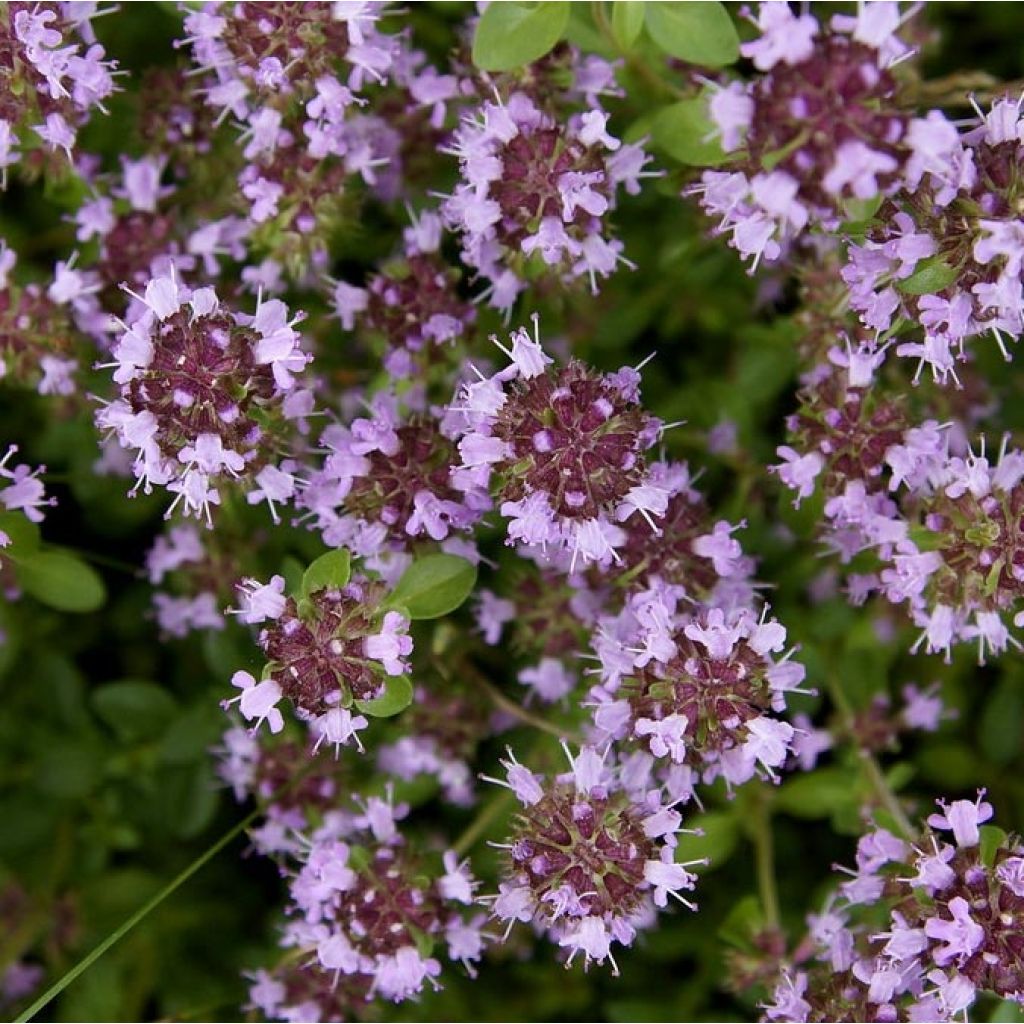
Thymus pulegioides Splendens
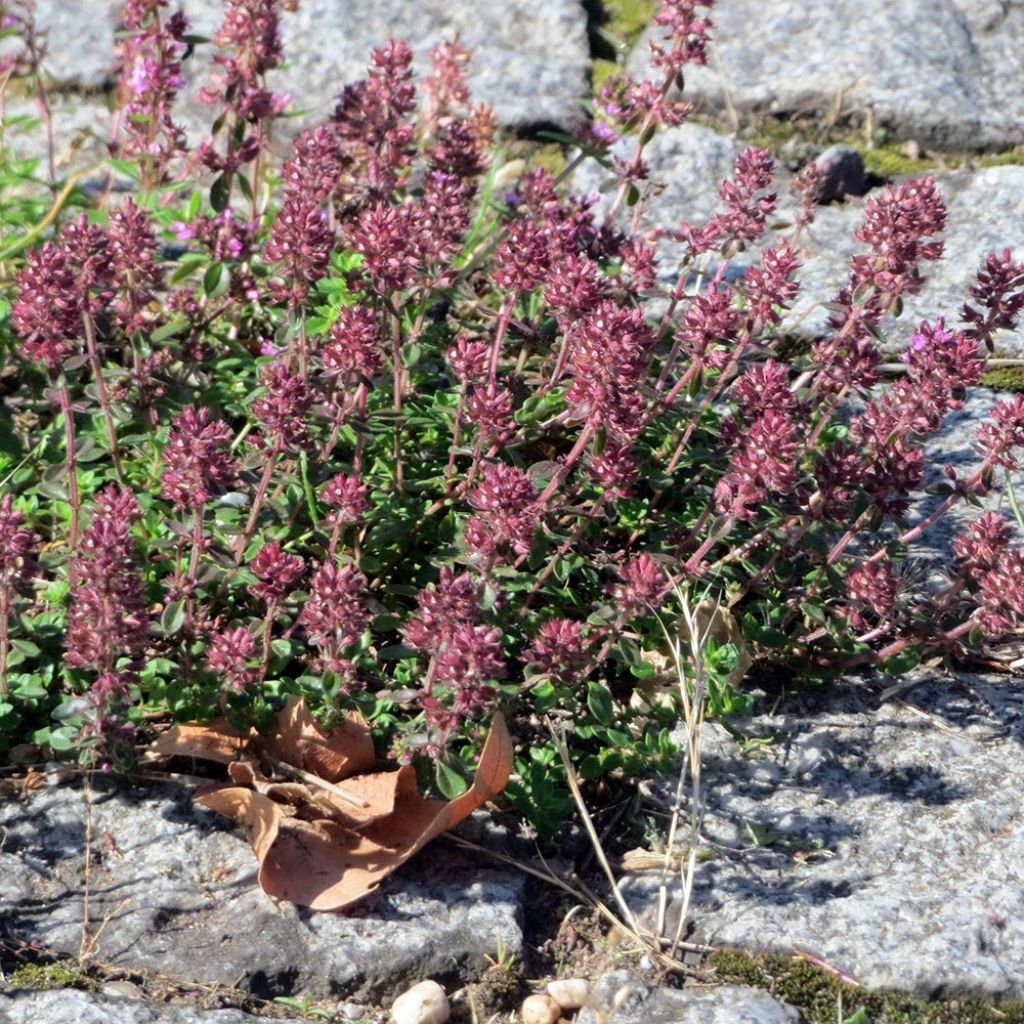
Thymus pulegioides Splendens
Thymus pulegioides Splendens
Thymus pulegioides Splendens
Back-to-school special offer!
Get €10 off for every €50 you spend! And get up to €40 off on a single order.
How does it work?
1. Shop your favourites
Add your favourite plants to your basket. For every €50 you spend (excluding delivery charges, store credit and the plastic-free option), you’ll receive a €10 voucher.
€50 spent = €10 voucher
€100 spent = €20 voucher
€150 spent = €30 voucher
€200 spent = €40 voucher
2. Place your order
Once your basket reaches one of the spending thresholds, place your order. You can even choose your delivery date!
3. Receive your voucher
As soon as your order has been shipped, you’ll receive an email containing your personal voucher code and its value.
4. Use it on your next order
Your voucher is valid for 90 days from the date you receive it. It can be used once only, on a new order worth at least the value of the voucher, excluding delivery charges.
Please note: Vouchers can be combined with other offers, but cannot be split or refunded.
Why not try an alternative variety in stock?
View all →
Available in 3 sizes
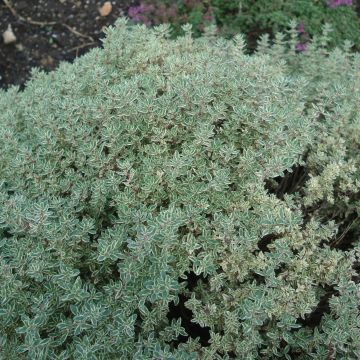
Available in 2 sizes
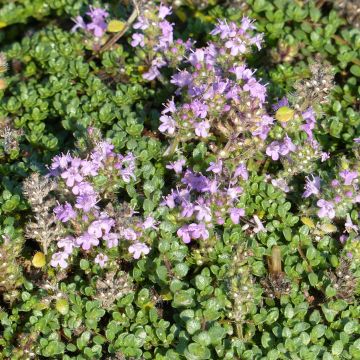
Available in 2 sizes
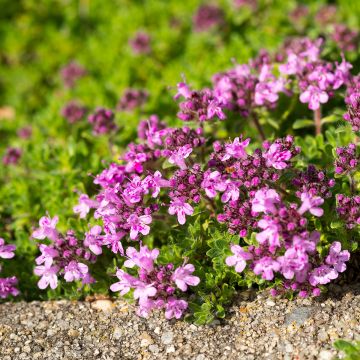
Available in 2 sizes
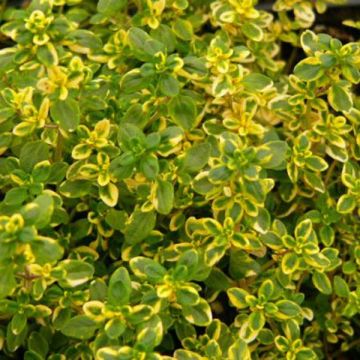
Available in 2 sizes
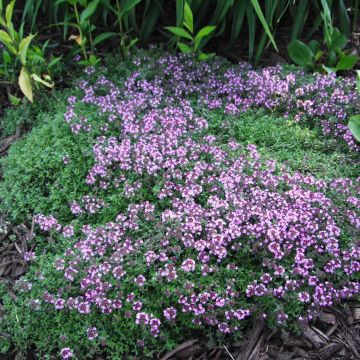
Available in 2 sizes
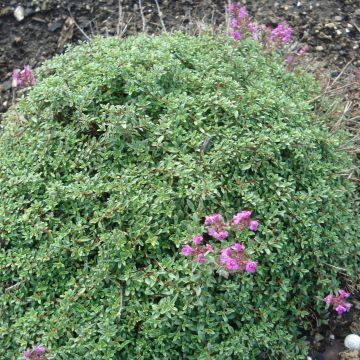
Available in 1 sizes
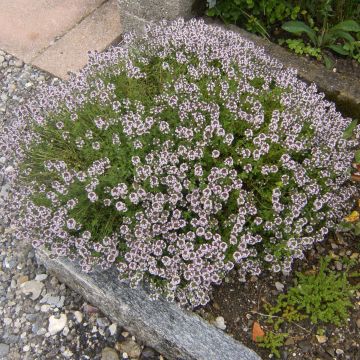
Available in 2 sizes
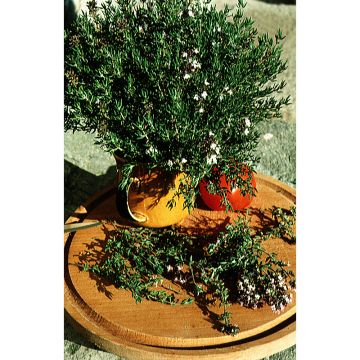
Available in 1 sizes
Available in 1 sizes
This plant carries a 6 months recovery warranty
More information
We guarantee the quality of our plants for a full growing cycle, and will replace at our expense any plant that fails to recover under normal climatic and planting conditions.
Description
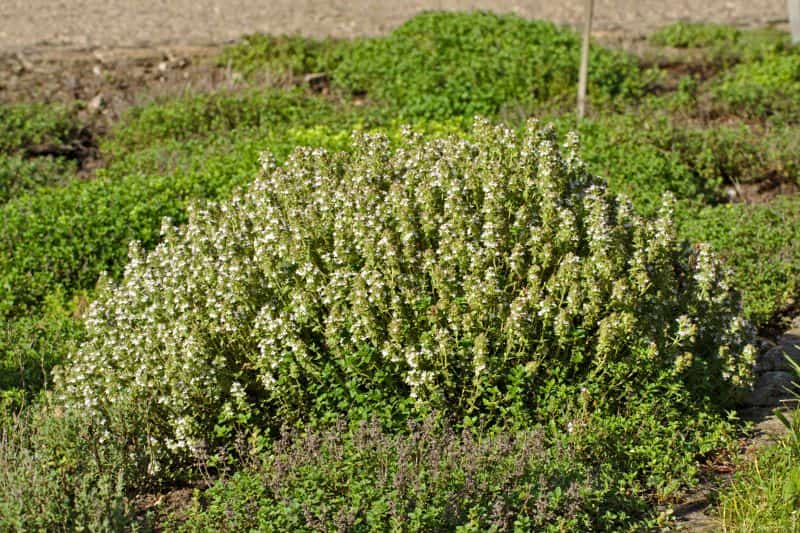
Le Thym faux pouillot parfois confondu avec le serpolet, Thymus pulegioides ‘Splendens’ est une variété formant des touffes non rampantes dont les feuilles dégagent un parfum plus prononcé que le Thym serpolet qui contrairement à ce dernier apprécie le calcaire. Ses feuilles aromatisent de nombreux plats et son parfum convient particulièrement aux viandes et légumes. Cette variété constitue également un excellent couvre-sol de 10à 20 cmde hauteur. Le Thym se plaît dans la plupart des types de sols, y compris caillouteux mais craint les excès d'humidité. Plantez-le au printemps ou à l'automne et récoltez toute l'année.
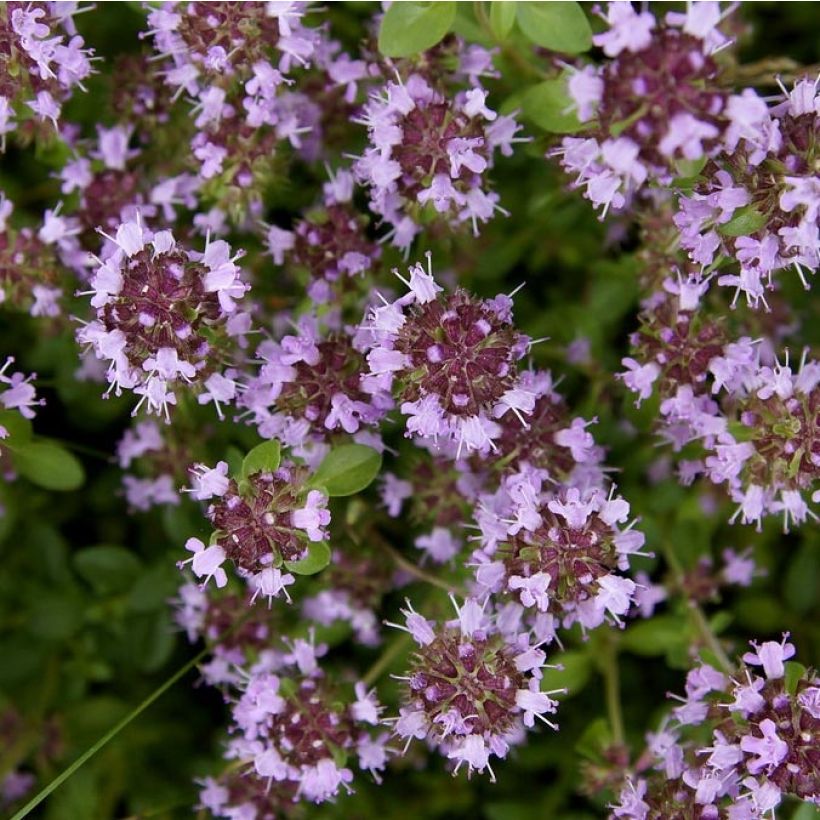
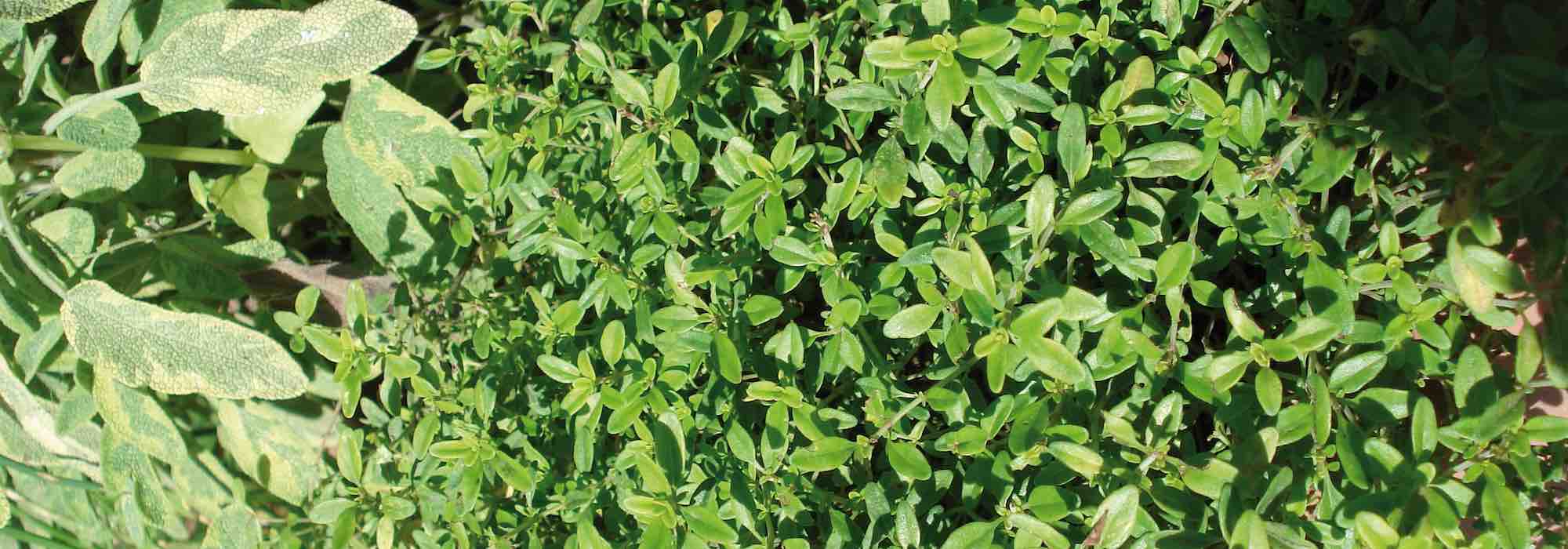
Originaire d’Europe occidentale et du sud, où il se rencontre parfois à l’état naturel, le Thym est un sous-arbrisseau vivace qui appartient à la famille des Lamiacées. Rustique, il forme des petites touffes odorantes au feuillage vert grisé persistant. Cette plante mellifère offre de jolies petites fleurs en été dont la couleur varie de blanc au rose-mauve selon les variétés. L’espèce pulegioides se distingue du serpolet (thymus serpyllum) par des feuilles plus larges et parfumées, presque sans poils et des fleurs en épis verticillés allongés au lieu de ronds.
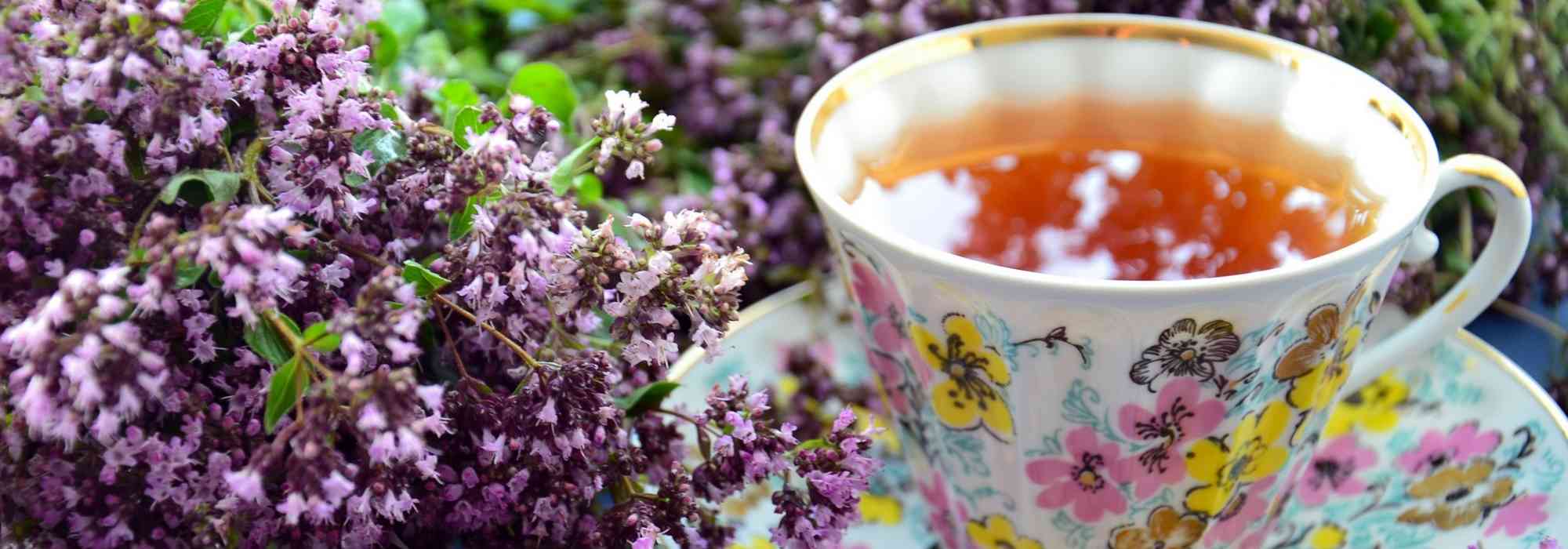
Ses feuilles au parfum de garrigue sont très appréciées en cuisine. Utilisées seules ou en bouquet garni, associées avec du Laurier, du Persil et du Romarin, les feuilles de Thym aromatisent les plats mijotés, sauces, marinades et court-bouillons. Elles s'utilisent également en infusion, réputée pour soulager les maux digestifs.
Le Thym est une aromatique résistante et facile à cultiver, qui affectionne les sols pauvres, légers voire caillouteux et bien drainés. Si votre terre est plutôt humide et argileuse, nous vous conseillons plutôt de le cultiver en pot où il se plaira très bien.
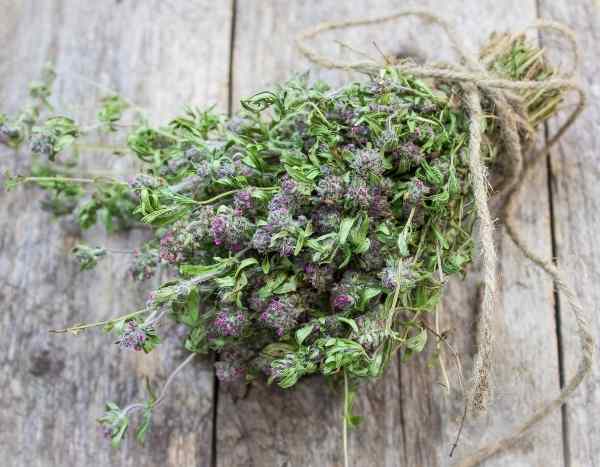
Récolte : Le Thym peut être récolté tout au long de l’année car ses feuilles sont persistantes. Cueillez de préférence le matin. Le Thym est le plus parfumé au moment de la floraison, en été. Sachant qu’il convient de le tailler pour lui conserver une belle forme compacte, profitez-en pour en faire provision pour les mois d’hiver !
Conservation : Le Thym se conserve traditionnellement par séchage. Après avoir lavé et séché les tiges, suspendez les bouquets, têtes en bas, dans un endroit sec et aéré. C’est une opération simple et rapide que vous pouvez remplacer par la congélation si cela vous apparaît plus pratique.
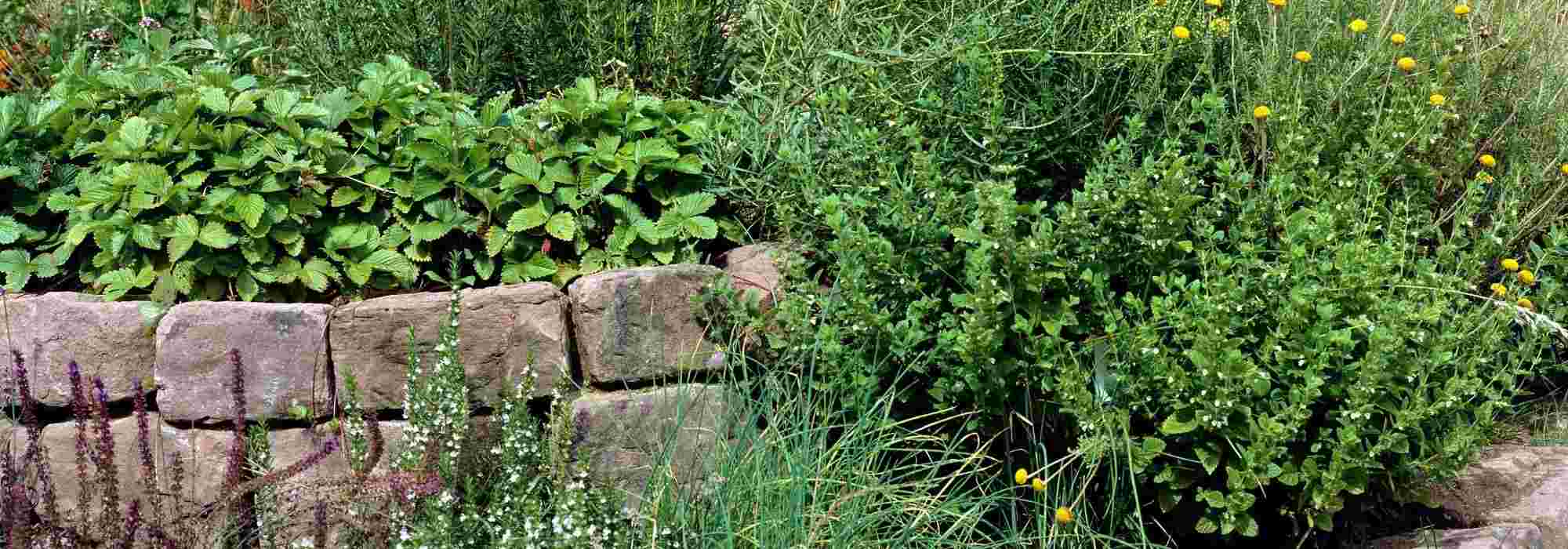
Le petit truc du jardinier : Au jardin, n’hésitez pas à mélanger les genres en installant quelques aromatiques comme le Thym au beau milieu de vos massifs de vivaces ou encore dans les rocailles. Elles s'y intégreront à merveille et les parfums parfois puissants des plantes aromatiques ont souvent la faculté d’éloigner les insectes susceptibles d’attaquer les végétaux un peu sensibles comme certains rosiers.
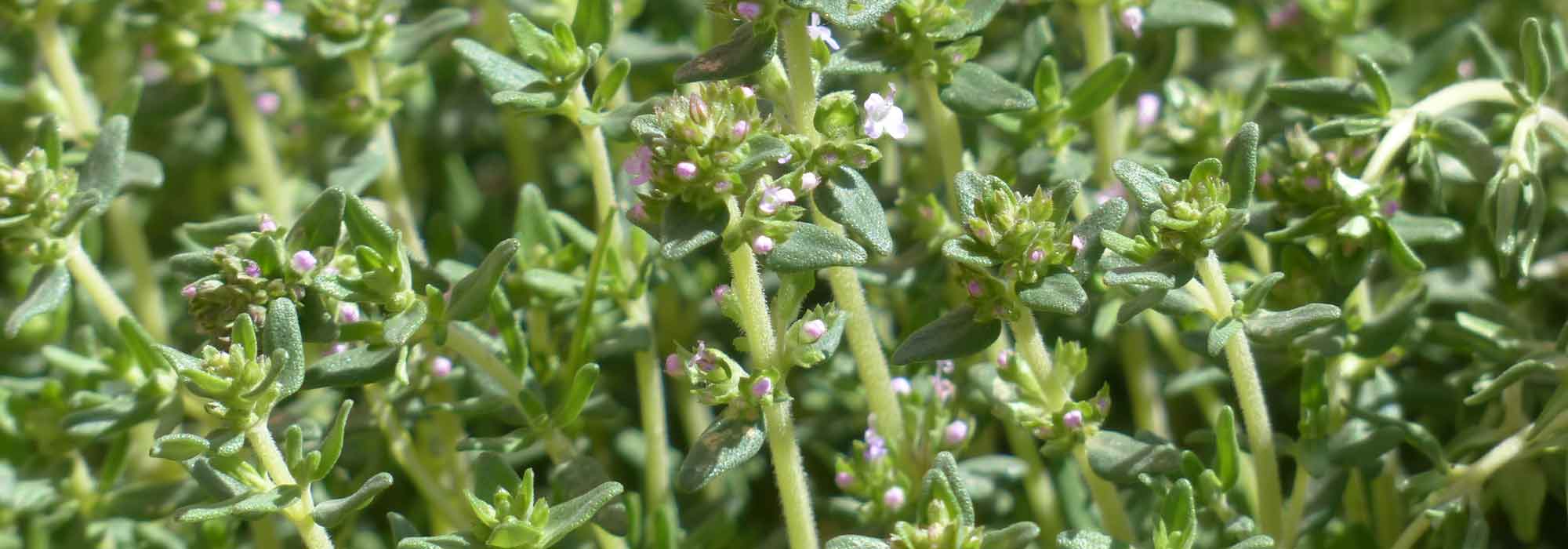
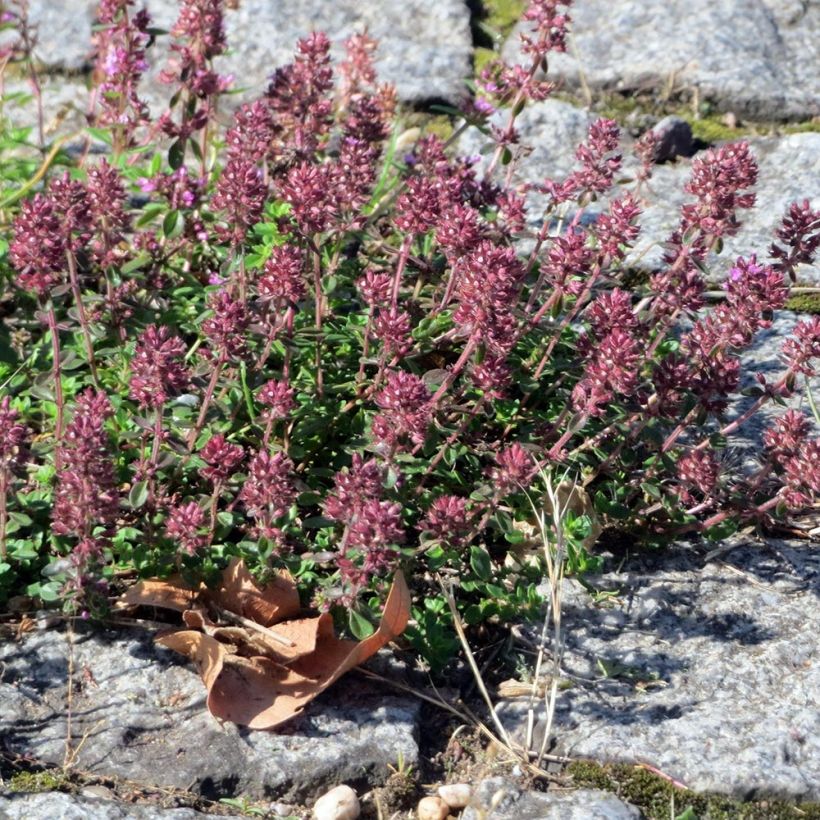
Thymus pulegioides Splendens in pictures
Harvest
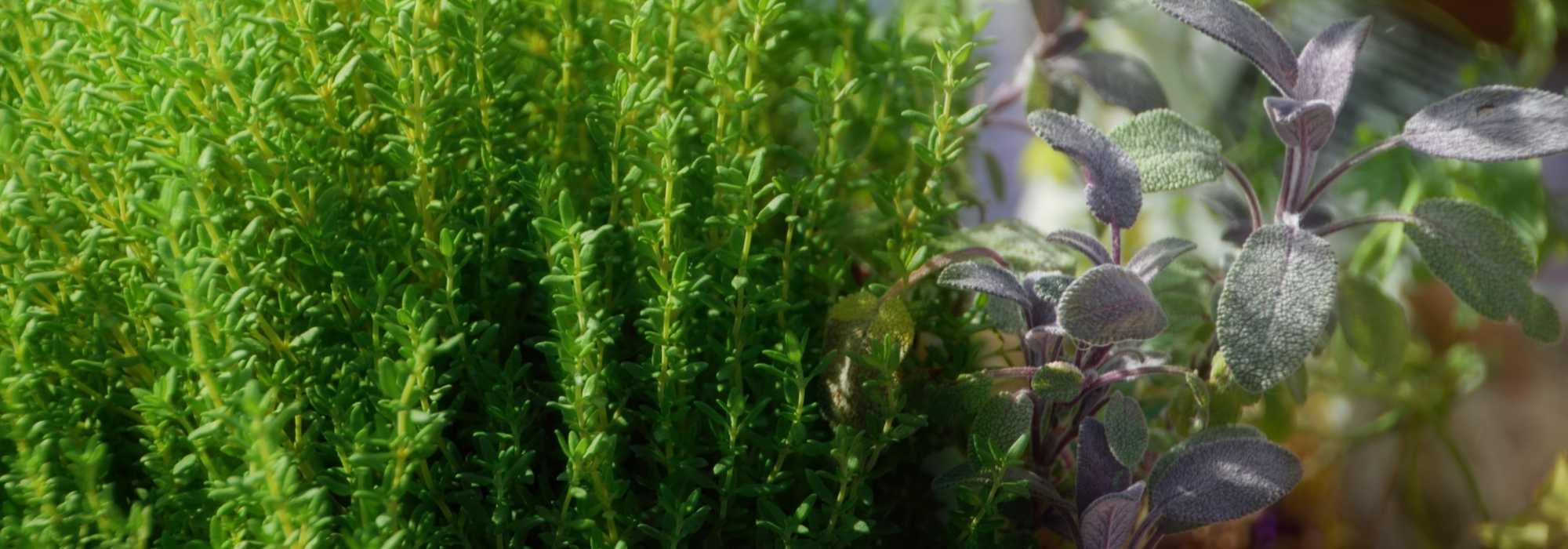
Plant habit
Foliage
Planting and care
Le Thym est une aromatique résistante et facile à cultiver, qui affectionne les sols pauvres, légers voire caillouteux et bien drainés. Si votre terre est plutôt humide et argileuse, nous vous conseillons plutôt de le cultiver en pot où il se plaira très bien. La plantation s'effectue au printemps (en avril-mai) ou à l'automne (septembre – octobre).
En pleine terre : Choisissez une exposition très ensoleillée. Espacez les plants de 20 cm en tous sens. Creusez un trou (3 fois le volume de la motte), apportez du compost bien mûr, placez la motte et recouvrez de terre. Tassez et arrosez légèrement.
En pot : installez au fond du pot un lit de graviers ou de billes d'argile pour faciliter le drainage. Remplissez le pot avec un mélange de terreau et de terre de jardin. Placez la motte, recouvrez de terre et tassez bien. Arrosez légèrement. Placez votre pot au soleil.
Côté entretien, procédez à un arrosage très modéré, essentiellement en été, car le Thym n'apprécie pas les excès d'humidité. Pour la culture en pot, ne laissez pas d'eau stagner dans la soucoupe.
Une taille annuelle (sur le bois de l’année) lui conservera un joli port arrondi et trapu.
Le thym se multiplie par division de touffes ou par bouturage, en été. Cette opération est recommandée au bout de quelques années, notamment sous un climat froid et humide.
Cultivation
Care
Intended location
Planting & care advice
-
-
-
-
-

-
-
-
This item has not been reviewed yet - be the first to leave a review about it.
Recently viewed products
Haven't found what you were looking for?
Hardiness is the lowest winter temperature a plant can endure without suffering serious damage or even dying. However, hardiness is affected by location (a sheltered area, such as a patio), protection (winter cover) and soil type (hardiness is improved by well-drained soil).
In temperate climates, pruning of spring-flowering shrubs (forsythia, spireas, etc.) should be done just after flowering.
Pruning of summer-flowering shrubs (Indian Lilac, Perovskia, etc.) can be done in winter or spring.
In cold regions as well as with frost-sensitive plants, avoid pruning too early when severe frosts may still occur.
The harvesting period indicated on our website applies to countries and regions in USDA zone 8 (France, England, Ireland, the Netherlands).
In colder areas (Scandinavia, Poland, Austria...) fruit and vegetable harvests are likely to be delayed by 3-4 weeks.
In warmer areas (Italy, Spain, Greece, etc.), harvesting will probably take place earlier, depending on weather conditions.
The sowing periods indicated on our website apply to countries and regions within USDA Zone 8 (France, UK, Ireland, Netherlands).
In colder areas (Scandinavia, Poland, Austria...), delay any outdoor sowing by 3-4 weeks, or sow under glass.
In warmer climes (Italy, Spain, Greece, etc.), bring outdoor sowing forward by a few weeks.
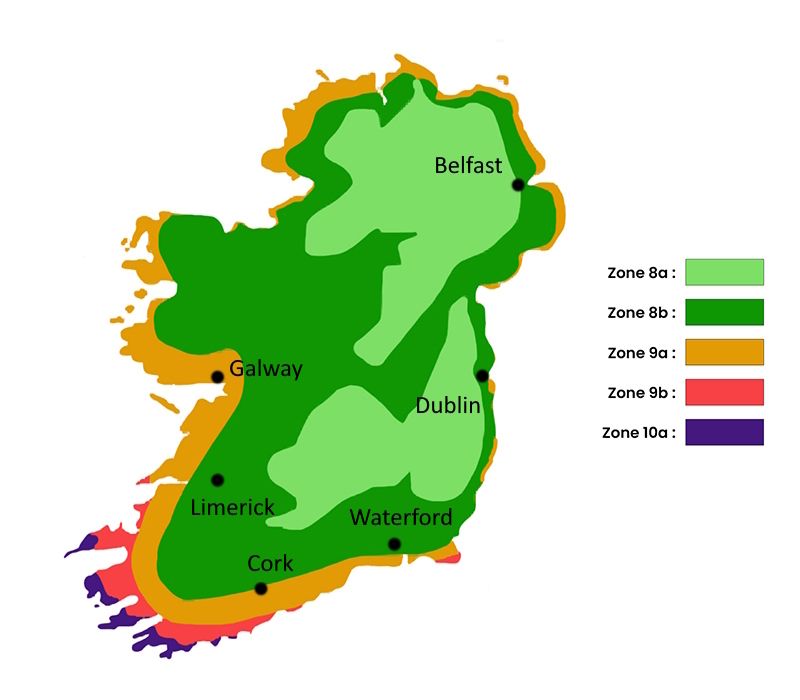
The planting period indicated on our website applies to regions in USDA Zone 9a (East Coast and Midlands: Dublin, Wexford, Waterford, Kilkenny, Portlaoise). It will vary depending on where you live:
- On the west coast and in the north-west (Galway, Limerick, Sligo, Donegal, Westport), delay planting by 1 to 2 weeks in spring and bring it forward by 1 to 2 weeks in autumn compared to the dates given, preferably choosing periods without strong winds.
- In the inland hills and plateaus (Wicklow Mountains, Macgillycuddy’s Reeks, Connemara, Killarney), it is best to plant in spring (April–May) or autumn (September–October), avoiding periods of waterlogged soil in winter and strong winds, which pose the main risk to newly planted trees in these areas.
The flowering period indicated on our website applies to regions in USDA Zone 9a, such as the East Coast and Midlands, including Dublin, Wexford, Waterford, Kilkenny and Portlaoise.
This will vary depending on where you live:
- On the west coast and in the northwest (Galway, Limerick, Sligo, Donegal and Westport), it will be delayed by one to two weeks compared to the given dates, due to stronger Atlantic winds and less spring sunshine.
- In the inland hills and plateaus (the Wicklow Mountains, the Macgillycuddy's Reeks, Connemara and Killarney), flowering will be delayed by two to three weeks. Flowering mainly occurs between May and July, with the limiting factors being less frost and more of the excessive humidity, strong winds and lack of sunshine that are characteristic of these areas.
Shipping country and language
Your country of residence may be:
Your country of residence is:
For a better user experience on our website, you can select:
Your shipping country:
-
 Austria
-
 Belgium
-
 Bosnia & Herzegovina
-
 Bulgaria
-
 Croatia
-
 Cyprus
-
 Czechia
-
 Denmark
-
 Estonia
-
 Finland
-
 France
-
 Germany
-
 Greece
-
 Hungary
-
 Iceland
-
 Ireland
-
 Italy
Italy
-
 Latvia
-
 Liechtenstein
-
 Lithuania
-
 Luxembourg
-
 Malta
Malta
-
 Netherlands
-
 Poland
-
 Portugal
-
 Romania
-
 Serbia
-
 Slovakia
-
 Slovenia
-
 Spain
Spain
-
 Sweden
-
 Switzerland
Language:
-
French
-
 English
-
Spanish
-
Italian
-
German
-
Portuguese
-
Dutch
-
Finnish
My Account
Hello
My wish lists
My cart
Log in / Register
Existing customer?
This form is protected by reCAPTCHA - the Google Privacy Policy and Terms of Service apply.
New customer?
Create an account to track your orders, access our customer service and, if you wish, make the most of our upcoming offers.