





























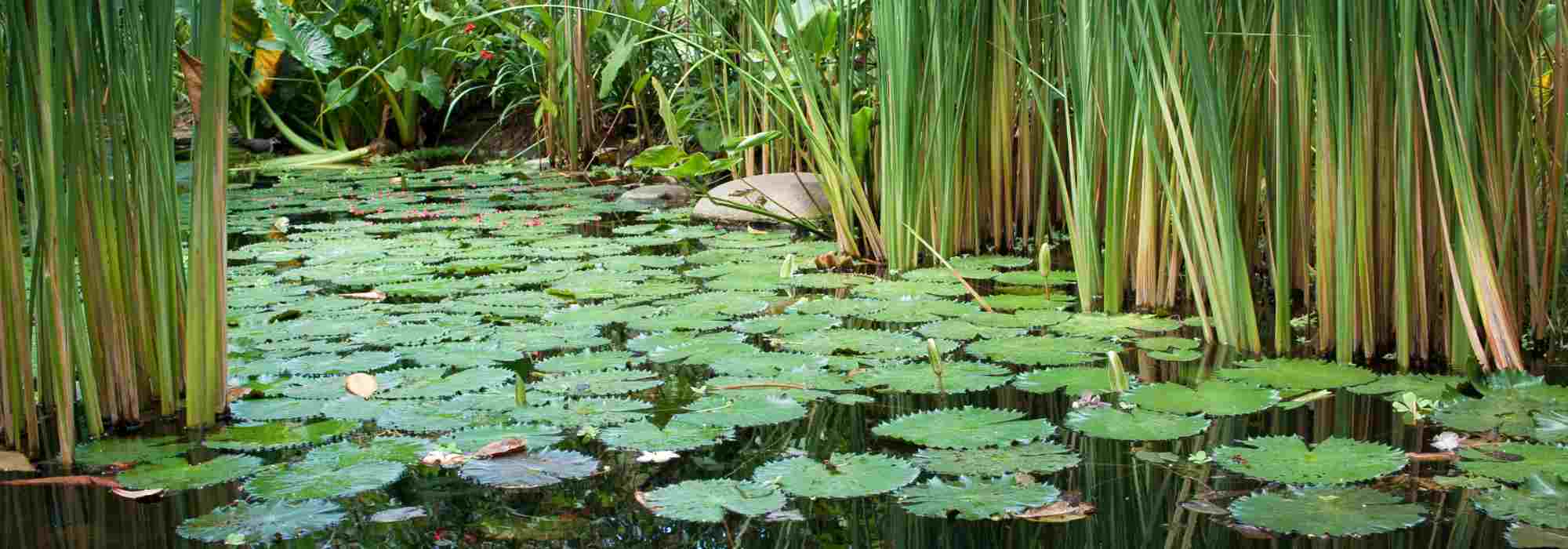
The secrets of a perfect pond: mastering the water balance
for a healthy aquatic ecosystem
Contents
Discover the keys to achieving a perfect balance of the water in your pond or water feature in our care guide. We discuss the crucial importance of well-balanced water, not only for the thriving health of aquatic plants and wildlife, but also for creating an aesthetically pleasing and natural-looking pond. Explore with us the various factors influencing this delicate balance, such as nutrients, light, temperature, and aquatic life. Discover effective strategies for managing water quality, from algae control methods to filtration and aeration techniques, including the vital importance of aquatic plants and the management of challenges such as eutrophication. For each aspect, we offer practical tips and solutions for regular and effective maintenance.

The importance of water balance
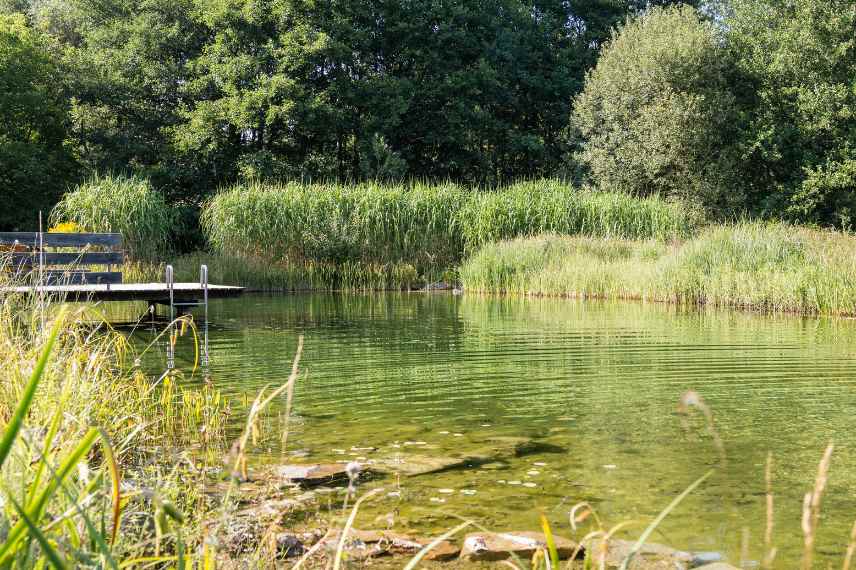
What factors influence water balance?
The factors affecting the water balance in ponds and basins are numerous and interdependent, each playing a key role in the health of these aquatic ecosystems.
Nutrients
Nutrients such as nitrogen and phosphorus are essential for the growth of aquatic plants. However, an excess of these nutrients, often caused by fertiliser run-off from gardens or farmland, can lead to excessive algal growth. This proliferation, known as eutrophication, can reduce water clarity, block the light required by submerged plants and deplete dissolved oxygen, thereby negatively impacting aquatic life.
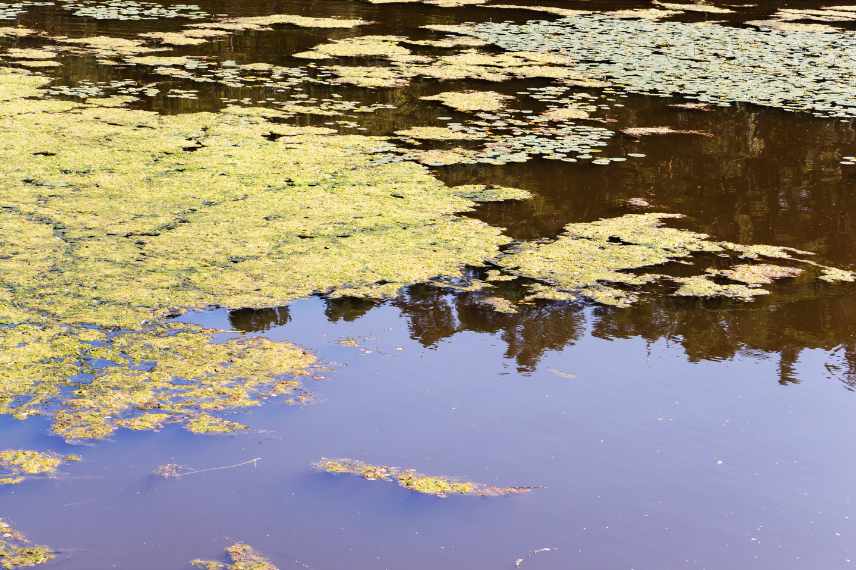
Eutrophication often stems from fertilisers washing into waters.
Sunlight
Sunlight is another key determinant. It is essential for the photosynthesis of aquatic plants and contributes to the water temperature. However, excessive exposure to the sun can heat the water beyond ideal levels, which also promotes algal growth. Managing sunlight exposure, for example through planting trees or using shade sails, can help regulate the water temperature and the growth of algae.
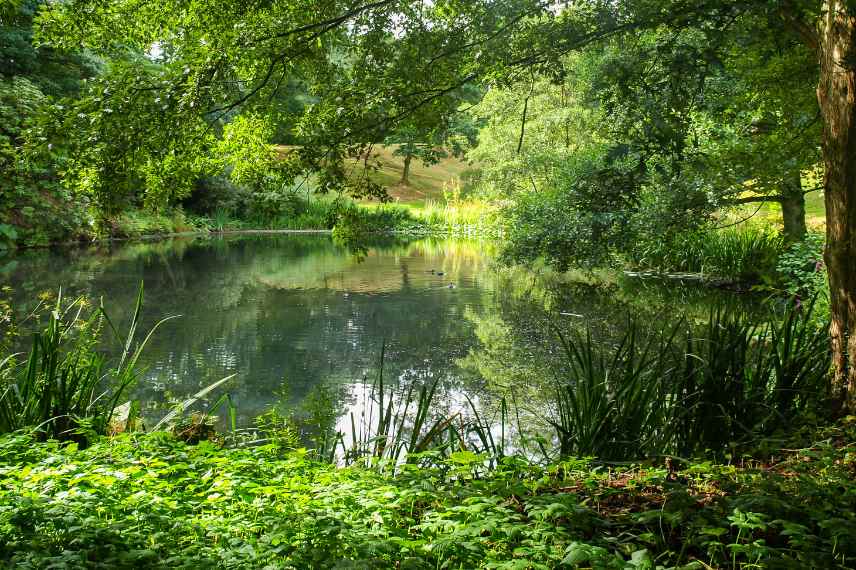
Shade is important for regulating solar exposure
Temperature
Water temperature directly affects its capacity to hold dissolved oxygen, essential for the survival of fish and other aquatic organisms. Higher temperatures can reduce this solubility, thereby decreasing the amount of oxygen available, which can stress or even kill aquatic life. Additionally, warmer temperatures can accelerate biological processes, including decomposition, which can further alter the chemical balance of the water.
Living organisms
Living organisms in a pond or water feature, such as fish, aquatic plants and micro-organisms, all play a crucial role in maintaining the water balance. Fish, for example, produce waste that increases nutrient levels. Aquatic plants absorb these nutrients and produce oxygen. Micro-organisms decompose organic matter, helping to regulate nutrient levels. An imbalance in the population of these organisms can lead to significant changes in water quality.
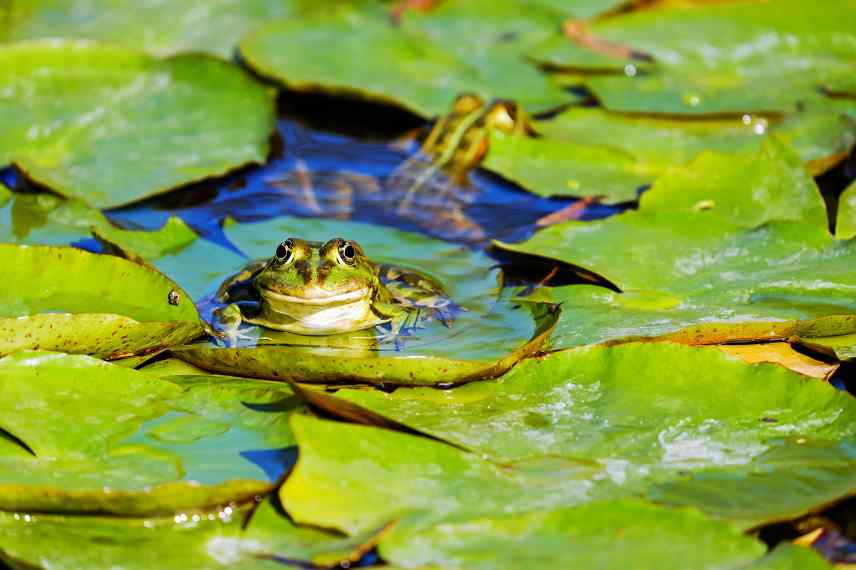
Aquatic fauna also plays a part in the water balance
How to manage water quality effectively?
Algae control
Algae can provide benefits to the ecosystem, but excessive growth must be controlled to preserve water quality. To this end, several methods can be used:
- Natural methods : Introducing aquatic plants that compete with algae for nutrients can help regulate their growth. Algae-eating fish can also be an eco-friendly solution.
- Mechanical methods : Tools such as algae rakes or pond vacuums can be used to physically remove excess algae.
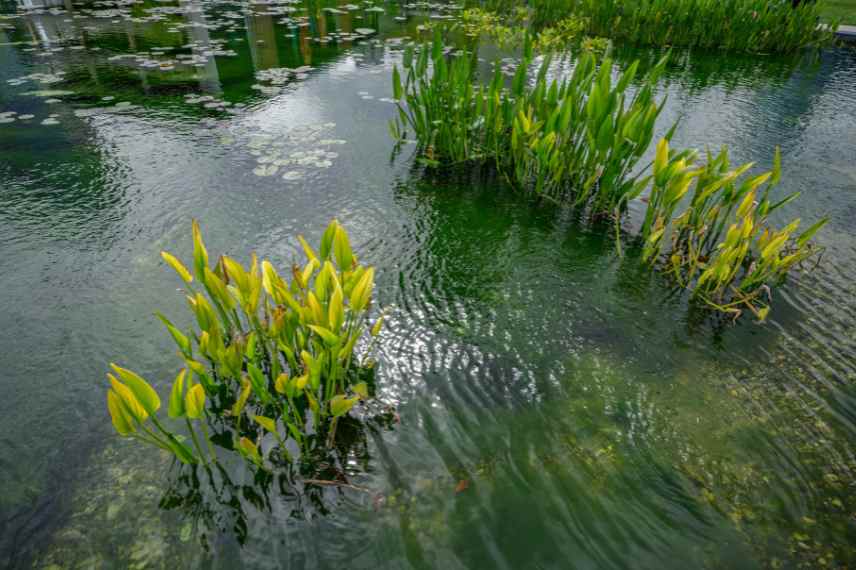
Planting helps curb competition for nutrients in the water
Filtration
A filtration system is vital for keeping water clear and healthy. There are different types of filters suited to the needs of each pond:
- Mechanical filters : They remove physical waste, such as leaves and debris, from the water.
- Biological filters : They use beneficial bacteria to break down harmful substances like ammonia into less toxic nitrates.
Aeration
Aeration is crucial for increasing oxygen levels in the water, thereby promoting fish health and the effective breakdown of organic waste. Aeration methods include:
- Air pumps : They inject air into the water, increasing dissolved oxygen levels.
- Fountains or cascades : In addition to their aesthetic appeal, they help to oxygenate the water by agitation.
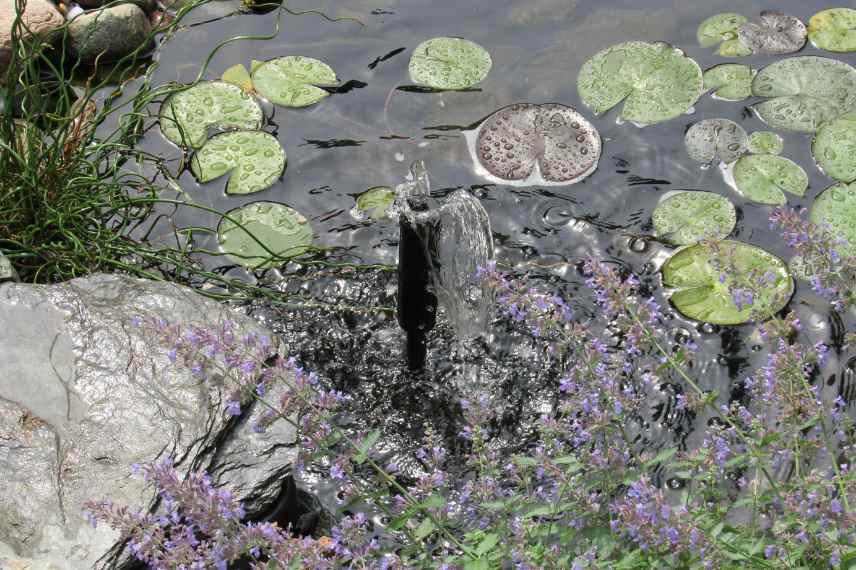
A pump is effective for aerating the water
Nutrient management
Nutrient management is essential to prevent nutrient overload in the ecosystem, which can lead to excessive algae growth and other imbalances. To manage nutrients:
- Control external inputs : Avoid excessive use of fertilisers near the pond or basin.
- Balance the fish population : Too many fish can produce waste that increases nutrient levels.
- Use purifying plants : Some aquatic plants are effective at absorbing excess nutrients. Among the most effective are water lilies, water iris, rushes and sedges. These plants help absorb excess nutrients, reduce algae proliferation and contribute to oxygenation and natural filtration of the water.
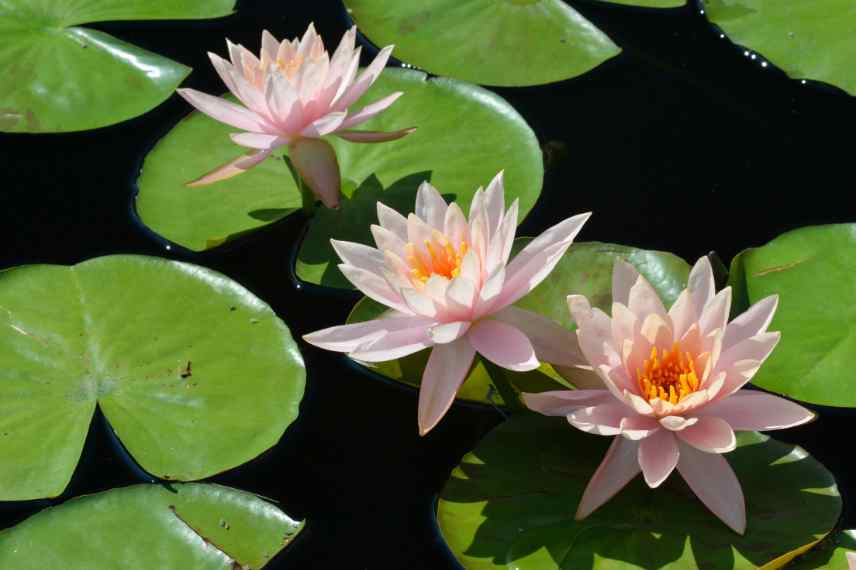
Read also
10 aquatic plants, submerged or floatingImportance of young plants in a pond or water garden
Water plants are essential for the ecological balance of ponds and tanks. For example, water lilies, with their broad leaves, provide shade and reduce algal proliferation. Oxygenating plants such as hippuris and Ceratophyllum demersum release oxygen into the water, vital for fish and other aquatic organisms. Shoreline plants, like water irises and common reeds, absorb excess nutrients and stabilise the banks. Together, these plants create a diverse habitat for aquatic wildlife and play a key role in natural filtration, thereby improving water quality and clarity.
→ To help you choose, discover our selection of pond plants in our tips sheet: 10 submerged and floating aquatic plants.
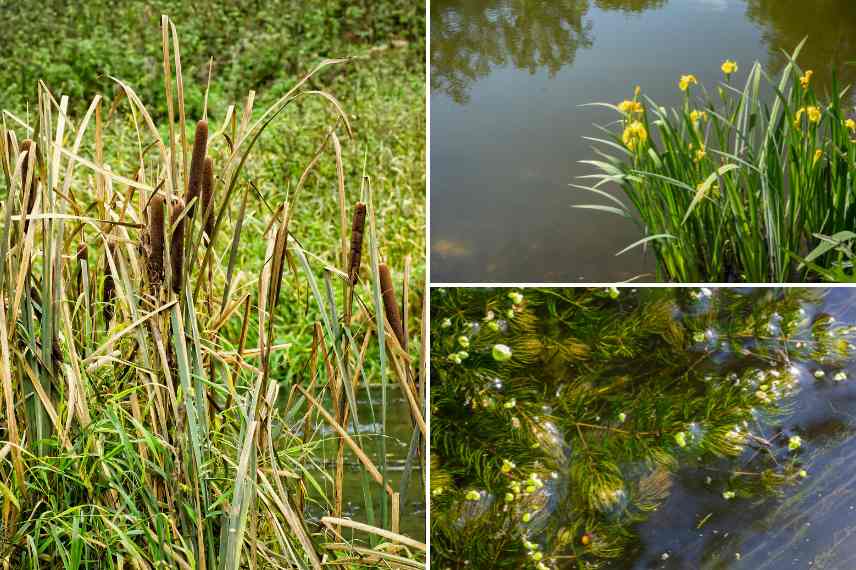
Reeds, water iris and Ceratophyllum
Identifying and managing problems
Regular, attentive monitoring of your pond or water feature is crucial for identifying and managing various environmental problems that may arise.
Eutrophication
Eutrophication is the process by which a body of water becomes excessively rich in nutrients, often due to fertiliser runoff. This leads to algae and aquatic plant growth, potentially causing oxygen depletion and harming aquatic life. Managing eutrophication involves reducing nutrient input, for example by limiting fertiliser use near the pond and by introducing plants that effectively absorb these excess nutrients (Water hyacinth, water milfoil…).
Algae blooms
Excessive algae growth can spoil the pond’s appearance and its ecological health. To control it, ecological methods can be used, such as introducing competing plants or algae-eating fish (goldfish – Carassius auratus – are fairly effective), or mechanical methods, such as using rakes to remove the algae. It is also important to manage nutrient sources to prevent algae growth.
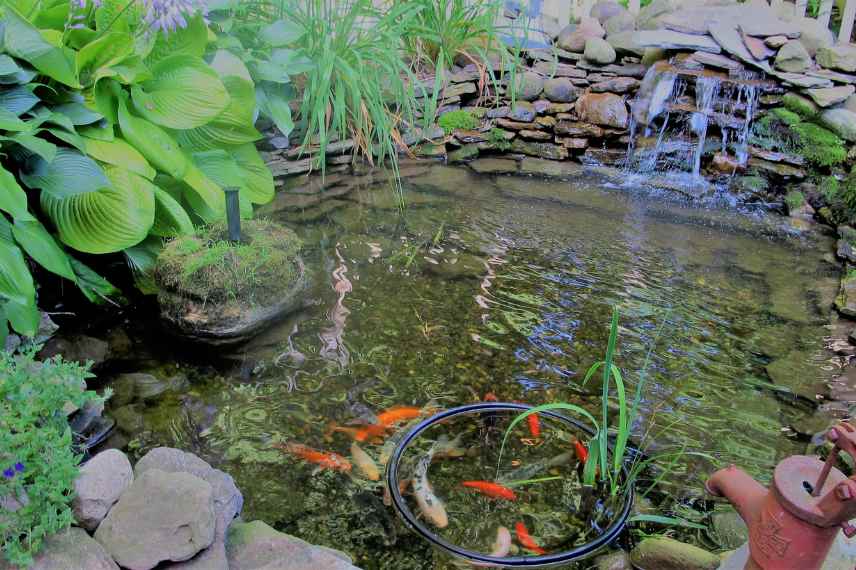
Goldfish don’t just have a decorative role in a pond
Chemical imbalances
Monitoring water chemical parameters such as pH, hardness, and nitrite and nitrate levels is essential. An inappropriate pH can affect the health of fish and plants, while high nitrite and nitrate levels can indicate a nutrient overload. Correcting these imbalances requires adjustments in water management, such as partial water changes or the use of specific chemicals to treat the water.
Some tips for managing your pond's water balance.
Regular water quality tests
It is important to regularly monitor water parameters such as pH, hardness, nitrite and nitrate levels. These tests help quickly detect any chemical imbalance, allowing rapid intervention to restore optimal conditions.
Periodic pond cleaning
Regular pond cleaning helps to remove debris such as dead leaves, branches, and other organic matter that can decompose and affect water quality. This practice also helps prevent nutrient overload and algal blooms.
Balanced management of the fish population and plants
Maintaining a balance between the number of fish and the amount of plants is crucial. Too many fish can produce an excessive amount of waste, while too few plants may not filter these nutrients effectively. An appropriate balance helps maintain a self-regulating system. Do not hesitate to seek advice from pond professionals and enthusiasts to help you manage this parameter.
Limiting the use of fertilisers and chemical products
Fertilisers and chemical products used near the pond can leach into the water, causing a surplus of nutrients and other chemical imbalances. It is advisable to opt for environmentally friendly alternatives to minimise your impact on the aquatic ecosystem.
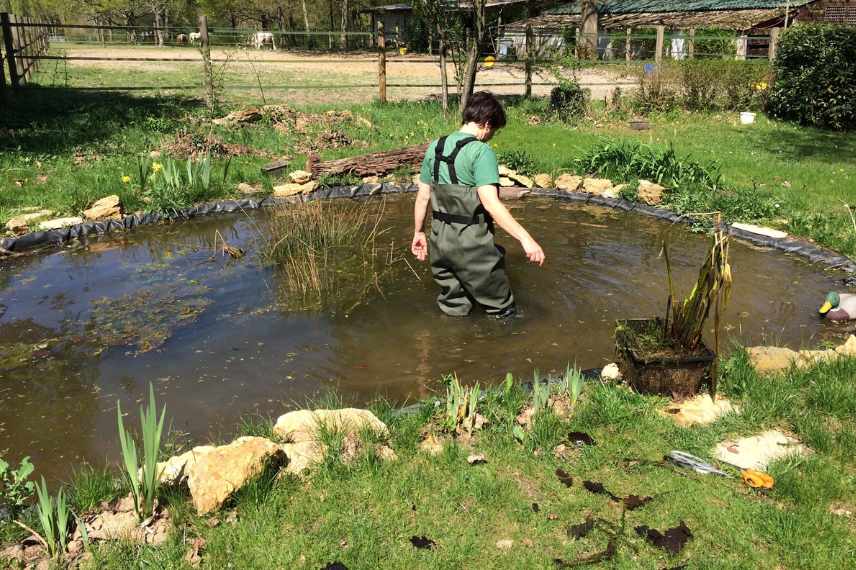
Monitor the water and any plant debris that may accumulate on the surface
- Subscribe!
- Contents
Comments