





























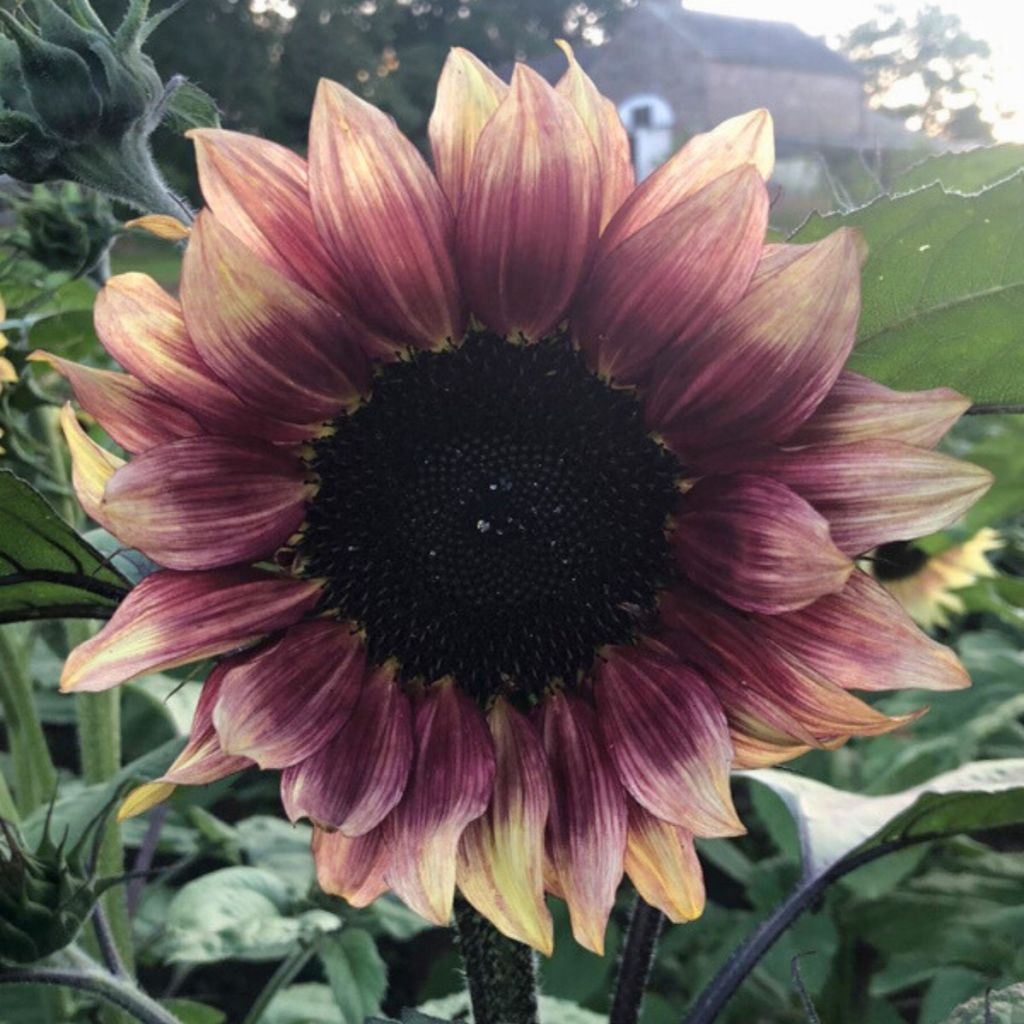
Helianthus annuus 'Pro-Cut Plum' - Hélianthe, Soleil, Soleil des jardins, Graines à perroquet, Héliotrope, Maurelle, Sunflower
Sunflower Pro-Cut Plum seeds - Helianthus annuuse, Sunflower
Helianthus annuus 'Pro-Cut Plum'
Sunflower
Special offer!
Receive a €20 voucher for any order over €90 (excluding delivery costs, credit notes, and plastic-free options)!
1- Add your favorite plants to your cart.
2- Once you have reached €90, confirm your order (you can even choose the delivery date!).
3- As soon as your order is shipped, you will receive an email containing your voucher code, valid for 3 months (90 days).
Your voucher is unique and can only be used once, for any order with a minimum value of €20, excluding delivery costs.
Can be combined with other current offers, non-divisible and non-refundable.
Home or relay delivery (depending on size and destination)
Schedule delivery date,
and select date in basket
This plant carries a 6 months recovery warranty
More information
We guarantee the quality of our plants for a full growing cycle, and will replace at our expense any plant that fails to recover under normal climatic and planting conditions.
Does this plant fit my garden?
Set up your Plantfit profile →
Description
Le Tournesol ProCut® F1 Plum (ou Helianthus annuus) séduit par ses pétales crème largement lavés de prune qui mettent en valeur son grand disque brun très foncé. Sa tige non ramifiée, de couleur sombre, est très solide. Dépourvue de pollen, la fleur placée dans un vase ne sème pas de "poussière" à la maison. Au jardin, il se cultive aussi bien en massifs qu’en rangs dédiés à la fleur coupée et fleurit tout l'été, 50 à 60 jours après le semis.
L'Helianthus annuus est une plante annuelle de la famille des Asteracées originaire d’Amérique du Nord ; elle y est spontanée dans les prairies, plaines et friches ensoleillées.
'Plum’ (prune) fait partie de la série ProCut®, développée pour la production de fleurs coupées. Cette lignée a été sélectionnée par le généticien américain Dr Tom Heaton ; la diffusion européenne est assurée par Evanthia. La plante adopte un port érigé. En pleine terre, comptez 1,50 à 1,80 m de haut ; en pot profond (au moins 30–40 cm), la hauteur se situe plutôt entre 1,20 et 1,50 m. La tige ne se ramifie pas en l'absence de taille ou de pincement. Elle est robuste, légèrement pubescente et de couleur brun violacé, une coloration naturelle liée à la présence d'anthocyanes. Le feuillage est vert moyen, rêche au toucher, composé de feuilles triangulaires à cordiformes de 10 à 30 cm de long. Le système racinaire développe un pivot puissant qui s’enfonce profondément. Pour cette raison, il est préférable de semer directement en pleine terre, dans un sol meuble, profond et non compacté.
Les capitules de 10 à 15 cm de diamètre portent des ligules crème à base jaune pâle nuancées de prune rosé vers le cœur brun sombre. La floraison a lieu entre juillet et septembre, selon la date du semis.
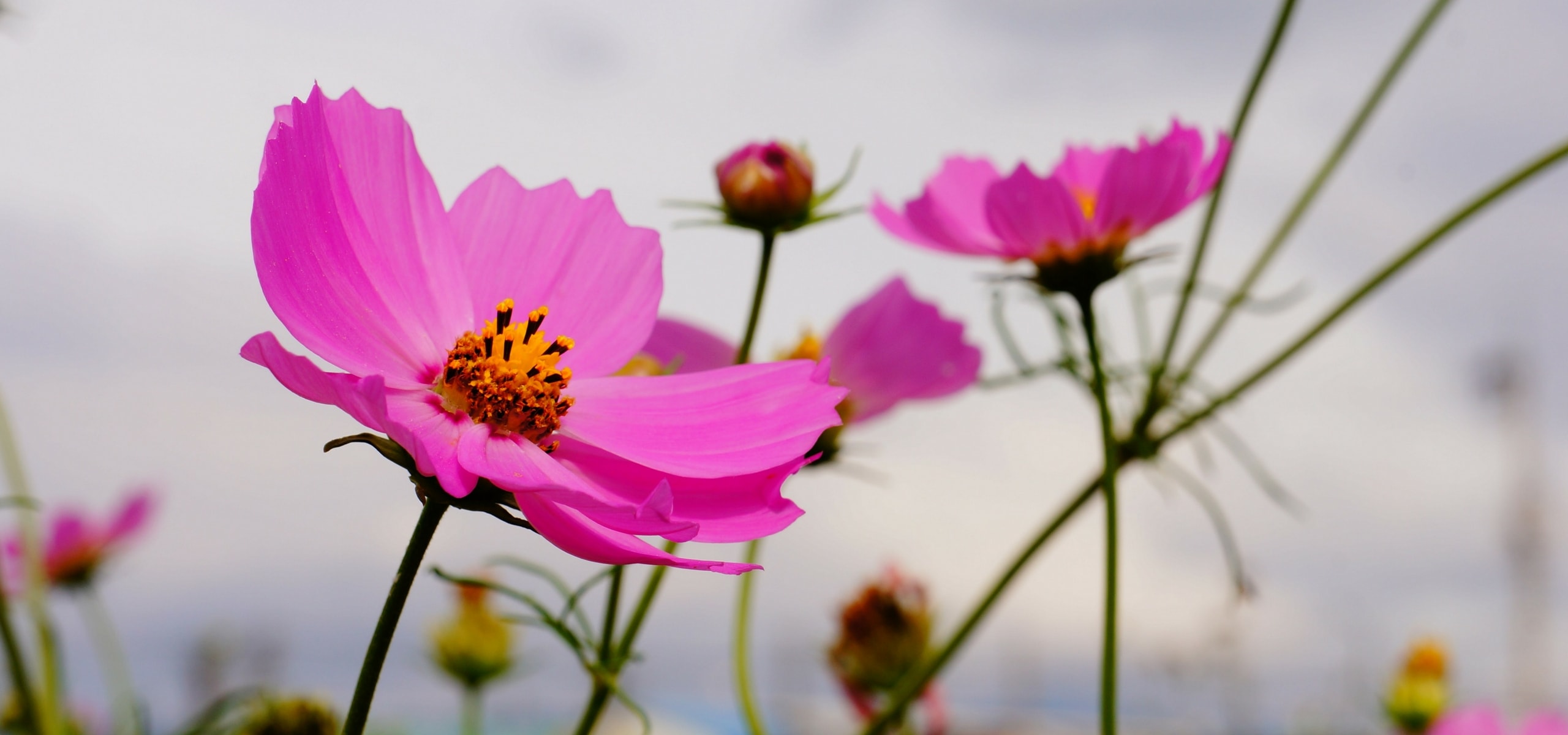
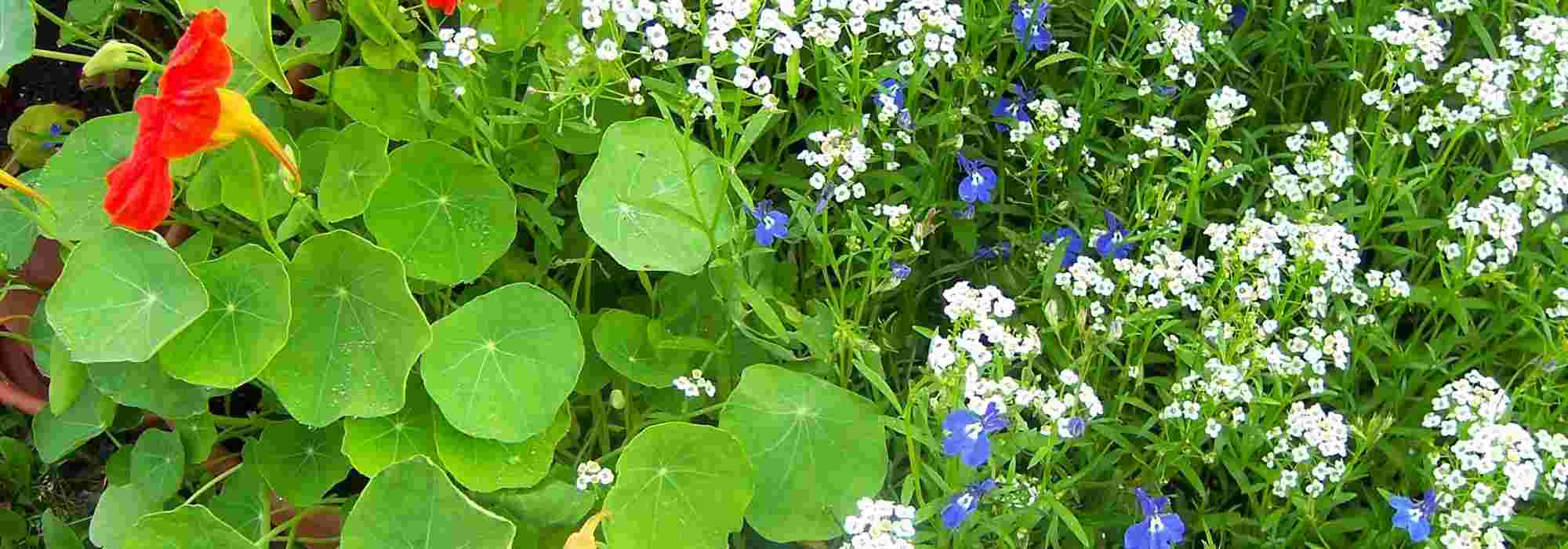
Dans un potager fleuri ou un massif d’été, semez ProCut® F1 Plum en lignes espacées de 20–30 cm. Son coloris prune et crème se marie très bien avec des teintes sourdes et des verts frais : choisissez le Cosmos ‘Antiquity’ pour ses corolles bourgogne devenant saumon, la Scabiosa atropurpurea ‘Cherry Vanilla Scoop’ pour ses pompons crème/cerise et l’Amarante ‘Coral Fountain’ aux chandelles retombantes couleur corail. L'indispensable touche de vert peut être apportée par la Moluccella laevis 'Bells of Ireland'. Pour habiller le fond du massif, optez pour une graminée pourpre comme le Pennisetum glaucum ‘Purple Majesty’.
Nos conseils bouquets :
Échelonnez les semis toutes les deux semaines de fin mai à début juillet. Coupez les tiges le matin juste après l’ouverture des fleurs. Supprimez les feuilles en partant du bas pour ne conserver que 2 ou 3 feuilles sous la fleur. Chaque jour, changez l’eau du vase.
Helianthus annuus est une plante annuelle de la famille des Astéracées. Le nom Helianthus associe hélios (soleil) et anthos (fleur), tandis qu'annuus rappelle son cycle annuel. Originaire des grandes plaines d’Amérique du Nord, naturalisé ensuite en Europe dès le XVIᵉ siècle, le tournesol a été domestiqué par les peuples autochtones pour l’alimentation et l’huile.

Flowering
Foliage
Plant habit
Botanical data
Helianthus
annuus
'Pro-Cut Plum'
Asteraceae
Sunflower
Helianthus annuus Pro-Cut® F1 'Plum'
Cultivar or hybrid
Planting and care
The 'Pro-Cut F1 Plum' sunflower can be sown:
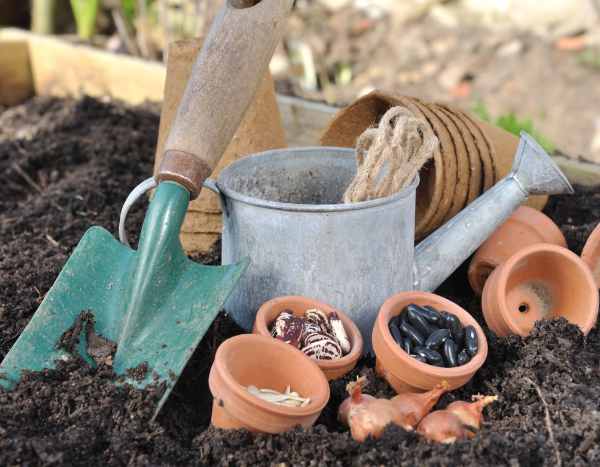
Either in March-April, in pots under cover, to prepare young plants that can be placed in your borders after the last frosts.
Or from April to June, after the frosts, directly in position. In a sunny spot in your garden. To enjoy beautiful fresh flowers throughout the season, we recommend staggering your sowings as much as possible.
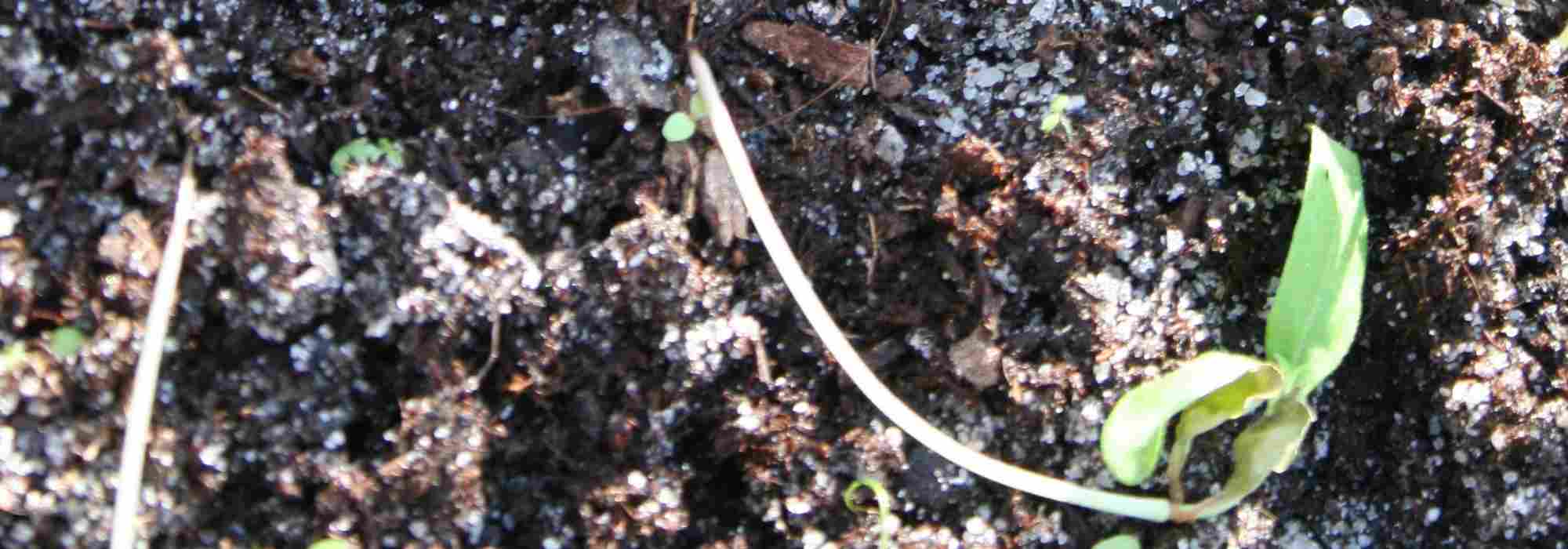
Sow your seeds in groups of 2 at a depth of 1 cm and spaced 50 cm apart. After 20 days, remove the weakest shoot to keep only one per location. The strong growth of the sunflower will require regular watering. When the plant has reached about 1.20 m, you can stop watering and let it make do with rainfall, even if it is scarce. Protect your sowings from snail and slug attacks, as they are fond of these young plants.

Sowing period
Intended location
Planting & care advice
-

-
-
-
-

-
-

-
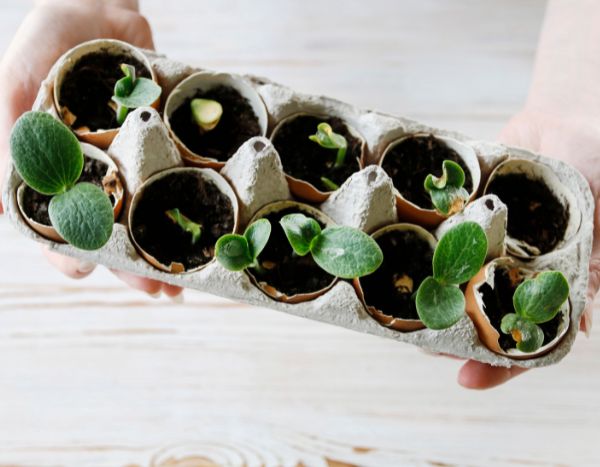
This item has not been reviewed yet - be the first to leave a review about it.
Similar products

Available in 1 sizes

Available in 1 sizes

Available in 1 sizes
Available in 1 sizes

Available in 1 sizes
Available in 1 sizes
Available in 1 sizes

Available in 1 sizes
Haven't found what you were looking for?
Hardiness is the lowest winter temperature a plant can endure without suffering serious damage or even dying. However, hardiness is affected by location (a sheltered area, such as a patio), protection (winter cover) and soil type (hardiness is improved by well-drained soil).
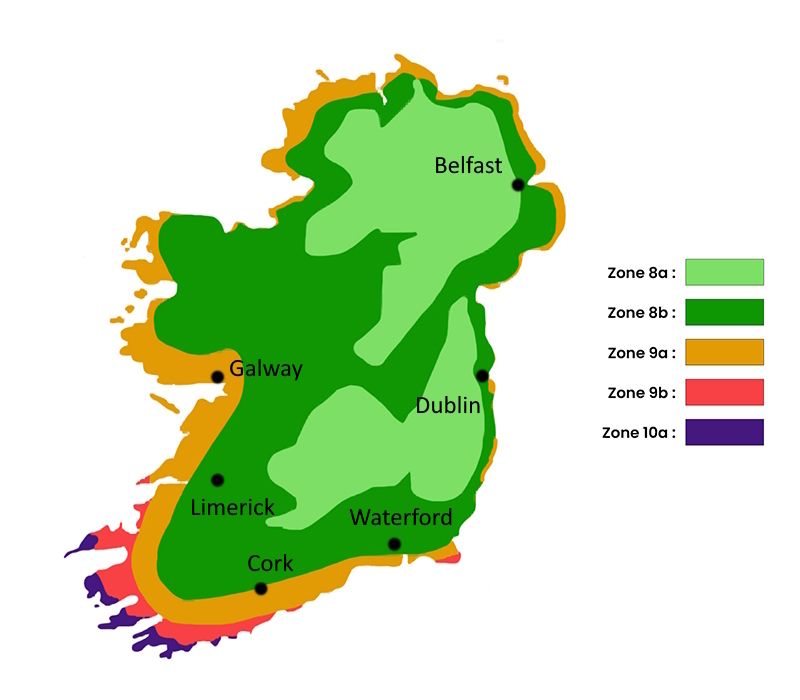
Photo Sharing Terms & Conditions
In order to encourage gardeners to interact and share their experiences, Promesse de fleurs offers various media enabling content to be uploaded onto its Site - in particular via the ‘Photo sharing’ module.
The User agrees to refrain from:
- Posting any content that is illegal, prejudicial, insulting, racist, inciteful to hatred, revisionist, contrary to public decency, that infringes on privacy or on the privacy rights of third parties, in particular the publicity rights of persons and goods, intellectual property rights, or the right to privacy.
- Submitting content on behalf of a third party;
- Impersonate the identity of a third party and/or publish any personal information about a third party;
In general, the User undertakes to refrain from any unethical behaviour.
All Content (in particular text, comments, files, images, photos, videos, creative works, etc.), which may be subject to property or intellectual property rights, image or other private rights, shall remain the property of the User, subject to the limited rights granted by the terms of the licence granted by Promesse de fleurs as stated below. Users are at liberty to publish or not to publish such Content on the Site, notably via the ‘Photo Sharing’ facility, and accept that this Content shall be made public and freely accessible, notably on the Internet.
Users further acknowledge, undertake to have ,and guarantee that they hold all necessary rights and permissions to publish such material on the Site, in particular with regard to the legislation in force pertaining to any privacy, property, intellectual property, image, or contractual rights, or rights of any other nature. By publishing such Content on the Site, Users acknowledge accepting full liability as publishers of the Content within the meaning of the law, and grant Promesse de fleurs, free of charge, an inclusive, worldwide licence for the said Content for the entire duration of its publication, including all reproduction, representation, up/downloading, displaying, performing, transmission, and storage rights.
Users also grant permission for their name to be linked to the Content and accept that this link may not always be made available.
By engaging in posting material, Users consent to their Content becoming automatically accessible on the Internet, in particular on other sites and/or blogs and/or web pages of the Promesse de fleurs site, including in particular social pages and the Promesse de fleurs catalogue.
Users may secure the removal of entrusted content free of charge by issuing a simple request via our contact form.
The flowering period indicated on our website applies to countries and regions located in USDA zone 8 (France, the United Kingdom, Ireland, the Netherlands, etc.)
It will vary according to where you live:
- In zones 9 to 10 (Italy, Spain, Greece, etc.), flowering will occur about 2 to 4 weeks earlier.
- In zones 6 to 7 (Germany, Poland, Slovenia, and lower mountainous regions), flowering will be delayed by 2 to 3 weeks.
- In zone 5 (Central Europe, Scandinavia), blooming will be delayed by 3 to 5 weeks.
In temperate climates, pruning of spring-flowering shrubs (forsythia, spireas, etc.) should be done just after flowering.
Pruning of summer-flowering shrubs (Indian Lilac, Perovskia, etc.) can be done in winter or spring.
In cold regions as well as with frost-sensitive plants, avoid pruning too early when severe frosts may still occur.
The planting period indicated on our website applies to countries and regions located in USDA zone 8 (France, United Kingdom, Ireland, Netherlands).
It will vary according to where you live:
- In Mediterranean zones (Marseille, Madrid, Milan, etc.), autumn and winter are the best planting periods.
- In continental zones (Strasbourg, Munich, Vienna, etc.), delay planting by 2 to 3 weeks in spring and bring it forward by 2 to 4 weeks in autumn.
- In mountainous regions (the Alps, Pyrenees, Carpathians, etc.), it is best to plant in late spring (May-June) or late summer (August-September).
The harvesting period indicated on our website applies to countries and regions in USDA zone 8 (France, England, Ireland, the Netherlands).
In colder areas (Scandinavia, Poland, Austria...) fruit and vegetable harvests are likely to be delayed by 3-4 weeks.
In warmer areas (Italy, Spain, Greece, etc.), harvesting will probably take place earlier, depending on weather conditions.
The sowing periods indicated on our website apply to countries and regions within USDA Zone 8 (France, UK, Ireland, Netherlands).
In colder areas (Scandinavia, Poland, Austria...), delay any outdoor sowing by 3-4 weeks, or sow under glass.
In warmer climes (Italy, Spain, Greece, etc.), bring outdoor sowing forward by a few weeks.