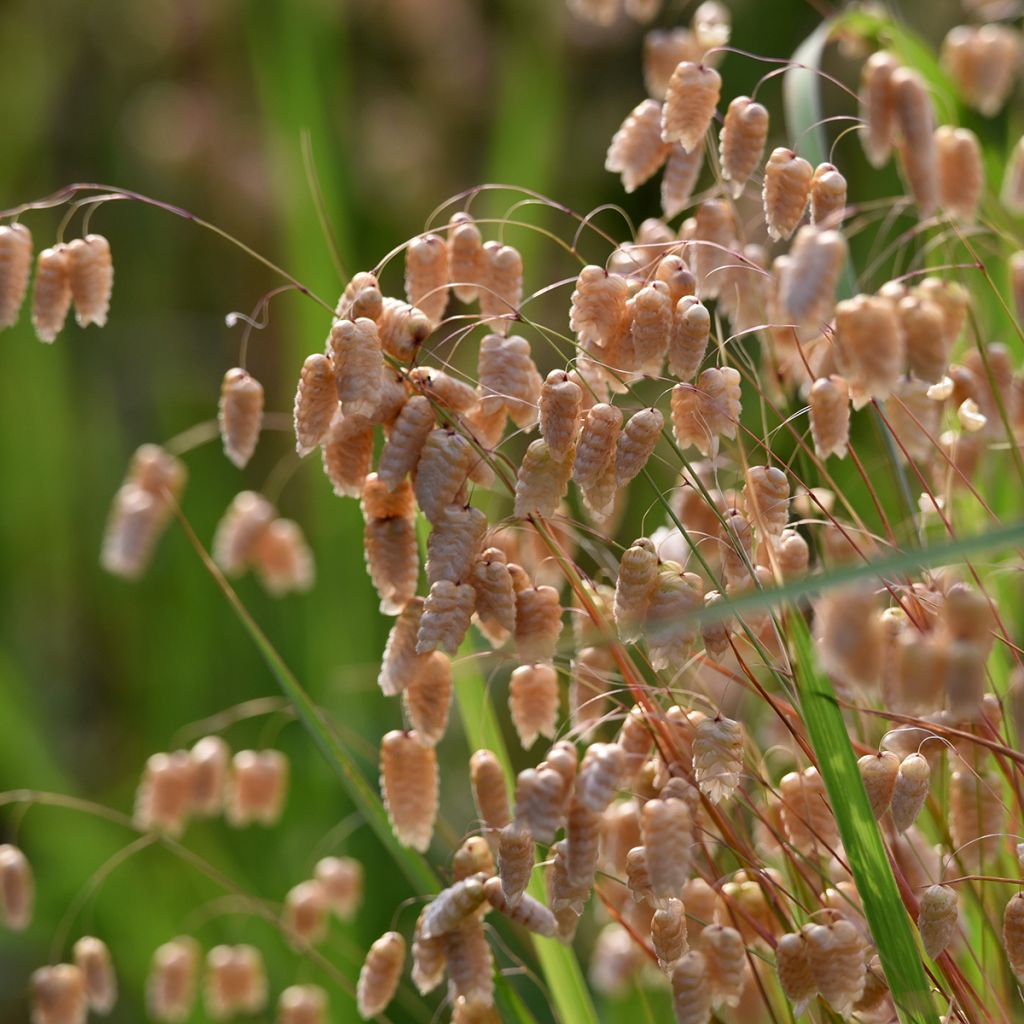
Briza maxima - Greater quaking grass
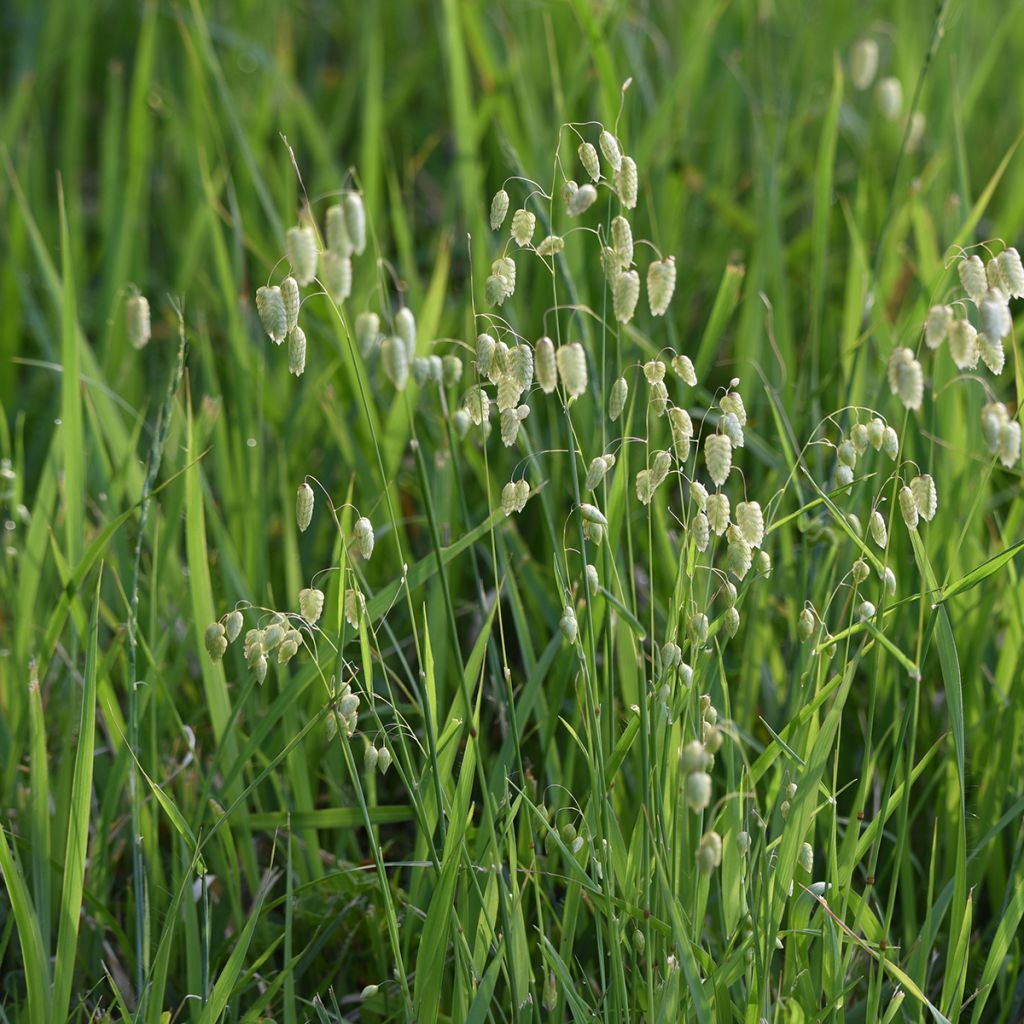
Briza maxima - Greater quaking grass
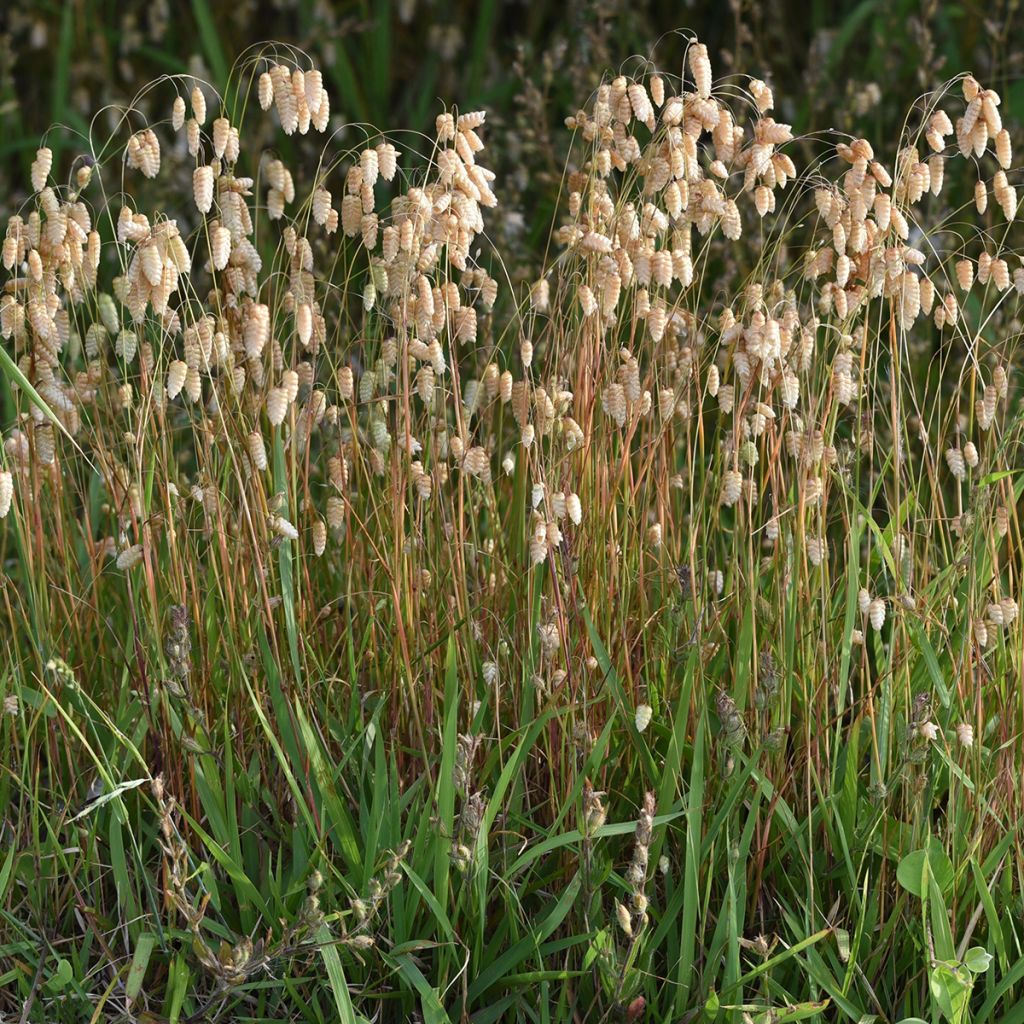
Briza maxima - Greater quaking grass
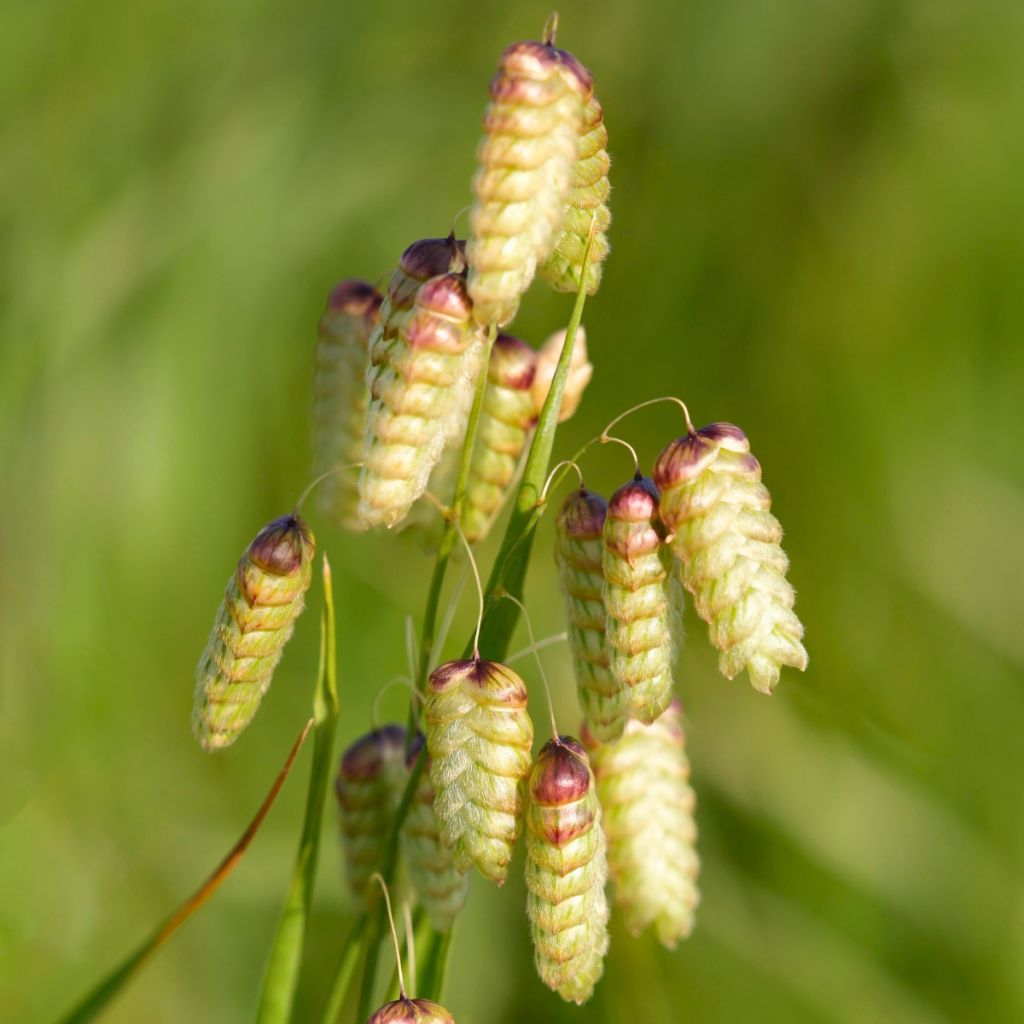
Briza maxima - Greater quaking grass
Briza maxima - Greater quaking grass
Briza maxima
Greater quaking grass, Pearl grass
Back-to-school special offer!
Get €10 off for every €50 you spend! And get up to €40 off on a single order.
How does it work?
1. Shop your favourites
Add your favourite plants to your basket. For every €50 you spend (excluding delivery charges, store credit and the plastic-free option), you’ll receive a €10 voucher.
€50 spent = €10 voucher
€100 spent = €20 voucher
€150 spent = €30 voucher
€200 spent = €40 voucher
2. Place your order
Once your basket reaches one of the spending thresholds, place your order. You can even choose your delivery date!
3. Receive your voucher
As soon as your order has been shipped, you’ll receive an email containing your personal voucher code and its value.
4. Use it on your next order
Your voucher is valid for 90 days from the date you receive it. It can be used once only, on a new order worth at least the value of the voucher, excluding delivery charges.
Please note: Vouchers can be combined with other offers, but cannot be split or refunded.
Home or relay delivery (depending on size and destination)
Important: You may be charged customs duties by your country’s customs authorities upon delivery.
Schedule delivery date
and select date in basket
This plant carries a 12 months recovery warranty
More information
We guarantee the quality of our plants for a full growing cycle, and will replace at our expense any plant that fails to recover under normal climatic and planting conditions.
Does this plant fit my garden?
Set up your Plantfit profile →
Description
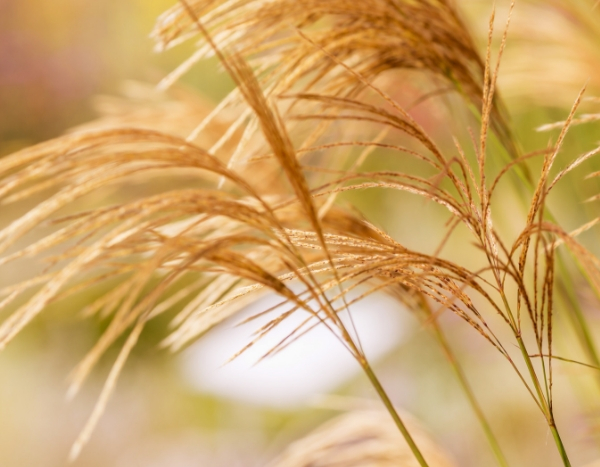
Briza maxima is an annual grass, taller and with larger spikelets than its cousin, Briza media, which is a perennial. This Greater Quaking Grass is very ornamental, particularly in late spring when the spikelets form and sway elegantly in the slightest breeze. They produce a characteristic whispering sound as they rub against each other. Tolerant of poor soils and drought, this grass grows in full sun in a border or rockery and can be used to create lovely fresh or dried cut flower arrangements. It self-seeds readily, fully justifying its place in a naturalistic or contemporary garden.
Briza or Quaking Grass belongs to the Poaceae family, formerly known as Gramineae, which is rich with nearly 12,000 species. This is the family of wild grasses, cereals used for our food, and decorative plants for our gardens, such as ornamental grasses (Chinese fountain grass, Fescue...), not forgetting the large group of bamboos, which includes the most imposing members of the family. The Briza genus includes about ten species of annual or perennial grasses, reaching a maximum height of 1 m. The Lesser Quaking Grass and the Greater Quaking Grass are both annuals, while the intermediate one is perennial. Briza maxima is also called Greater Quaking Grass, because in the Middle Ages, its supposed magical properties were believed to favour love. However, the name Briza does not refer at all to the breeze that makes its spikelets dance, but to the fact that they appear to be braided ("brizo" in Greek). It is an annual grass with a fasciculate root system, native to Mediterranean regions (southern Europe, North Africa) and naturalised in California and other parts of the globe. It forms a dense clump of elongated, flat, and slightly rough, bright green leaves. In just a few months, the plant reaches about 50 to 60 cm in height and spread. Although an annual, when it self-seeds (or if sown in autumn), the foliage persists through the winter (it is hardy down to -20°C). Between May and July, depending on climatic conditions, fine and flexible, sparsely branched flower stems appear, bearing one or two pendulous, highly decorative inflorescences, reminiscent of small hearts. Initially pale green, these spikelets, which measure 15 to 25 mm long, evolve into silvery and purplish hues before taking on a straw-blonde colour when ripe. The wind dispersal of the seeds allows the plant to self-seed easily and persist well, both in the garden and in the wild.
Easy to grow and very ornamental, Greater Quaking Grass naturally finds a place in all garden styles. It associates elegantly with airy perennials and annuals, such as the Love-in-a-mist, with its sophisticated architectural charm. Its subdued colour will temper the brilliance of Oriental Poppies, or Cosmos. It is best planted in groups along a path, in a rockery, at the edge of a terrace, or in a large container. A location bathed in the setting sun will enhance its movement and transparency, especially when animated by the breeze. Its wild appearance will be perfect in a naturalistic garden, favouring typical botanical species over horticultural varieties. Finally, its dried inflorescences can easily be dyed and are useful for composing dried displays.
Report an error about the product description
Briza maxima - Greater quaking grass in pictures
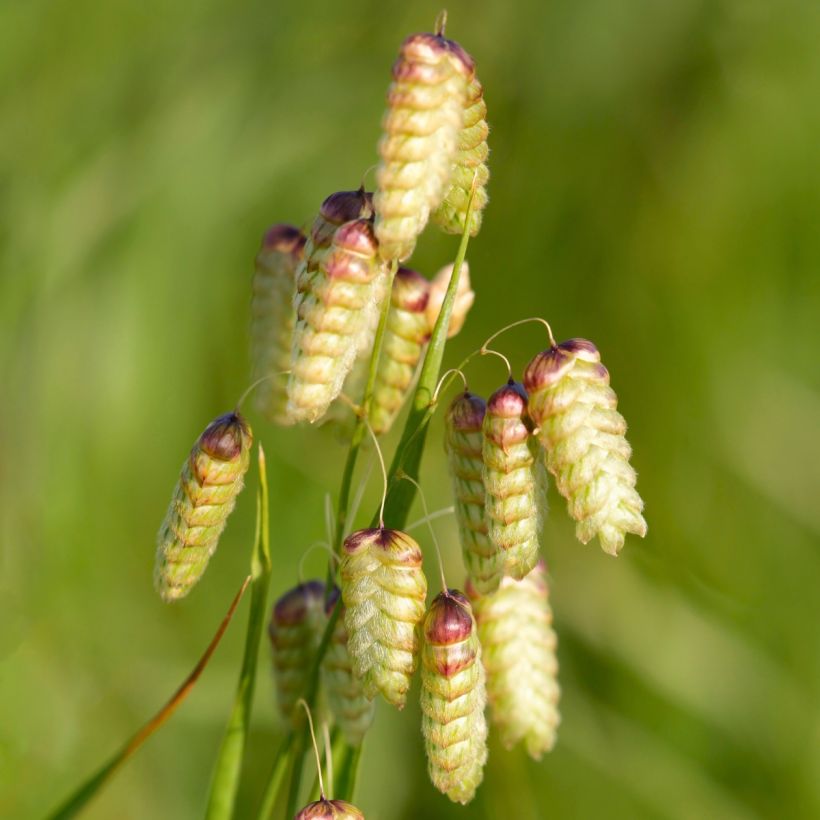
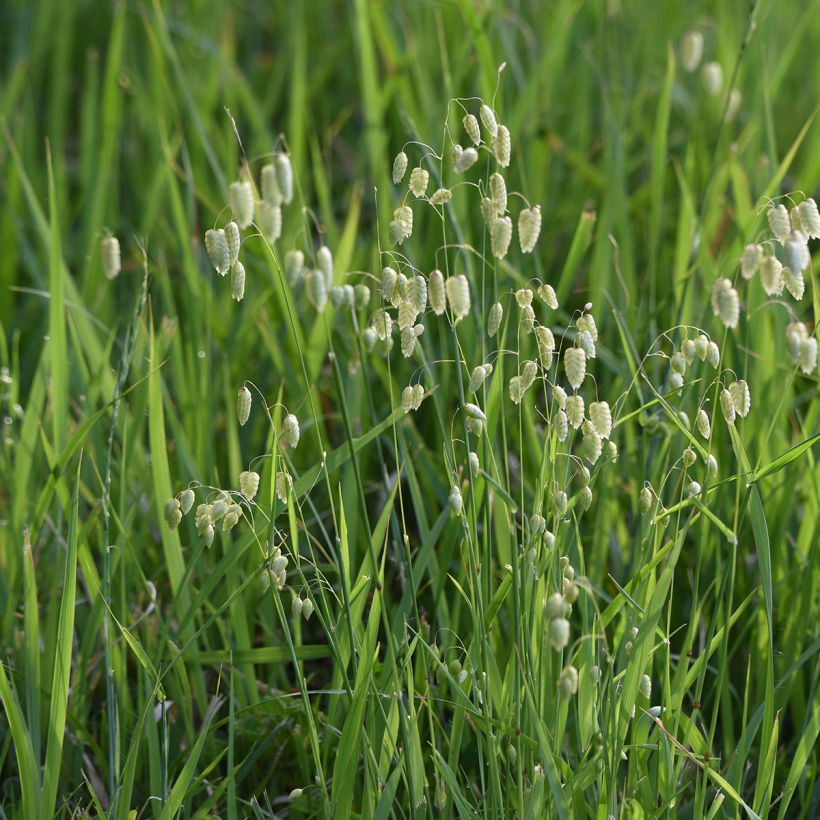
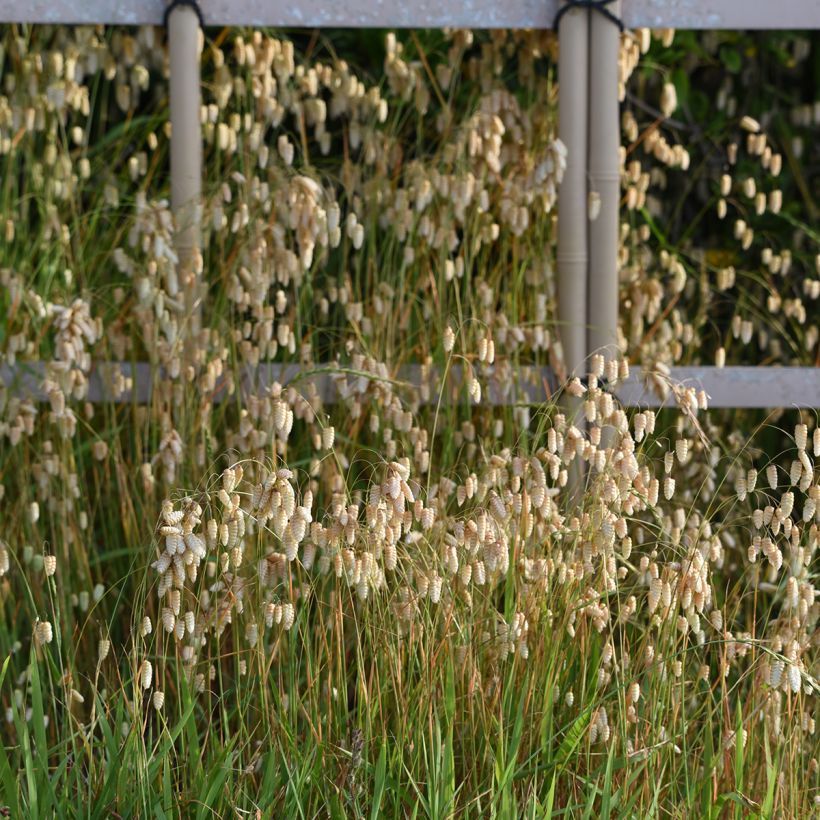
Flowering
Foliage
Plant habit
Botanical data
Briza
maxima
Poaceae
Greater quaking grass, Pearl grass
Briza grandis, Briza major, Macrobriza maxima, Poa maxima
Mediterranean
Planting and care
Plant Briza maxima in full sun or partial shade, in ordinary, well-worked soil, even if it is sometimes dry and poor in organic matter. This grass grows naturally often in rather acidic soils, but adapts in cultivation to most well-drained ground. The plant does not require fertiliser, which could risk promoting foliage development to the detriment of flowering, except in truly very poor soils, where an application of well-rotted compost in spring may be beneficial. A pretty plant that thrives easily, without issue and without maintenance, and tolerates drought well.
Planting period
Intended location
Care
Planting & care advice
-
-
-

-
-
-
-
-
This item has not been reviewed yet - be the first to leave a review about it.
Recently viewed products
Haven't found what you were looking for?
Hardiness is the lowest winter temperature a plant can endure without suffering serious damage or even dying. However, hardiness is affected by location (a sheltered area, such as a patio), protection (winter cover) and soil type (hardiness is improved by well-drained soil).
In temperate climates, pruning of spring-flowering shrubs (forsythia, spireas, etc.) should be done just after flowering.
Pruning of summer-flowering shrubs (Indian Lilac, Perovskia, etc.) can be done in winter or spring.
In cold regions as well as with frost-sensitive plants, avoid pruning too early when severe frosts may still occur.
The harvesting period indicated on our website applies to countries and regions in USDA zone 8 (France, England, Ireland, the Netherlands).
In colder areas (Scandinavia, Poland, Austria...) fruit and vegetable harvests are likely to be delayed by 3-4 weeks.
In warmer areas (Italy, Spain, Greece, etc.), harvesting will probably take place earlier, depending on weather conditions.
The sowing periods indicated on our website apply to countries and regions within USDA Zone 8 (France, UK, Ireland, Netherlands).
In colder areas (Scandinavia, Poland, Austria...), delay any outdoor sowing by 3-4 weeks, or sow under glass.
In warmer climes (Italy, Spain, Greece, etc.), bring outdoor sowing forward by a few weeks.
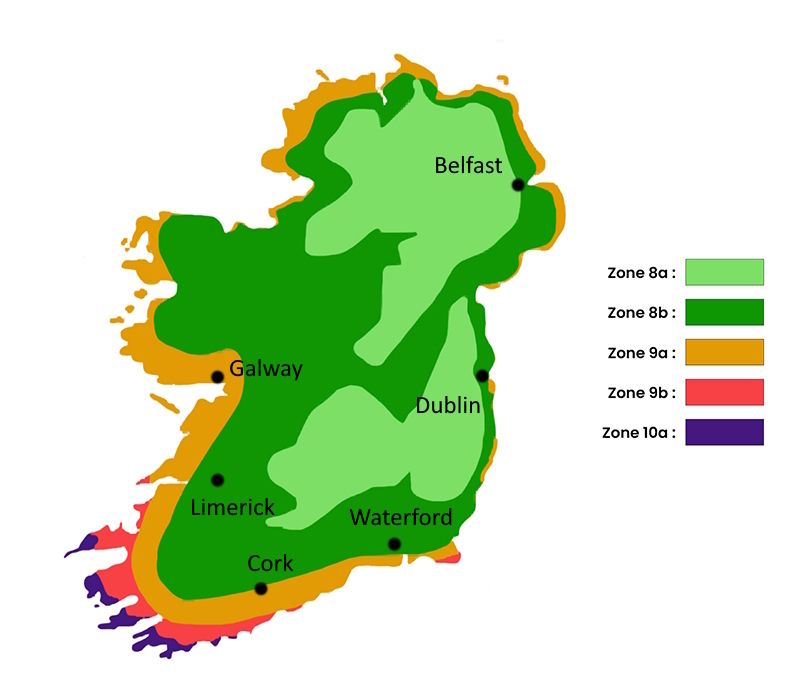
The planting period indicated on our website applies to regions in USDA Zone 9a (East Coast and Midlands: Dublin, Wexford, Waterford, Kilkenny, Portlaoise). It will vary depending on where you live:
- On the west coast and in the north-west (Galway, Limerick, Sligo, Donegal, Westport), delay planting by 1 to 2 weeks in spring and bring it forward by 1 to 2 weeks in autumn compared to the dates given, preferably choosing periods without strong winds.
- In the inland hills and plateaus (Wicklow Mountains, Macgillycuddy’s Reeks, Connemara, Killarney), it is best to plant in spring (April–May) or autumn (September–October), avoiding periods of waterlogged soil in winter and strong winds, which pose the main risk to newly planted trees in these areas.
The flowering period indicated on our website applies to regions in USDA Zone 9a, such as the East Coast and Midlands, including Dublin, Wexford, Waterford, Kilkenny and Portlaoise.
This will vary depending on where you live:
- On the west coast and in the northwest (Galway, Limerick, Sligo, Donegal and Westport), it will be delayed by one to two weeks compared to the given dates, due to stronger Atlantic winds and less spring sunshine.
- In the inland hills and plateaus (the Wicklow Mountains, the Macgillycuddy's Reeks, Connemara and Killarney), flowering will be delayed by two to three weeks. Flowering mainly occurs between May and July, with the limiting factors being less frost and more of the excessive humidity, strong winds and lack of sunshine that are characteristic of these areas.
Shipping country and language
Your country of residence may be:
Your country of residence is:
For a better user experience on our website, you can select:
Your shipping country:
-
 Austria
-
 Belgium
-
 Bosnia & Herzegovina
-
 Bulgaria
-
 Croatia
-
 Cyprus
-
 Czechia
-
 Denmark
-
 Estonia
-
 Finland
-
 France
-
 Germany
-
 Greece
-
 Hungary
-
 Iceland
-
 Ireland
-
 Italy
Italy
-
 Latvia
-
 Liechtenstein
-
 Lithuania
-
 Luxembourg
-
 Malta
Malta
-
 Netherlands
-
 Poland
-
 Portugal
-
 Romania
-
 Serbia
-
 Slovakia
-
 Slovenia
-
 Spain
Spain
-
 Sweden
-
 Switzerland
Language:
-
French
-
 English
-
Spanish
-
Italian
-
German
-
Portuguese
-
Dutch
-
Finnish
My Account
Hello
My wish lists
My cart
Log in / Register
Existing customer?
This form is protected by reCAPTCHA - the Google Privacy Policy and Terms of Service apply.
New customer?
Create an account to track your orders, access our customer service and, if you wish, make the most of our upcoming offers.